Is the Current Market Growth in Real Estate Sustainable Through 2027?
20 April 2026
Let’s be honest. If you’ve bought, sold, or even just glanced at real estate headlines in the last few years, you’ve likely felt a whirlwind of emotions. Awe at soaring prices. Anxiety over bidding wars. Maybe even a nagging thought in the back of your mind: This can’t keep going, can it? It’s like watching a balloon being inflated—impressive at first, but you instinctively know there’s a limit.
So, here we are, staring down the runway toward 2027. The market has shown a resilience that’s baffled many experts. But is this growth a sturdy oak tree, deeply rooted in fundamental change, or a magnificent but fragile soap bubble? Let’s dig past the surface-level data and ask the hard, thought-provoking questions about what the next few years might truly hold.
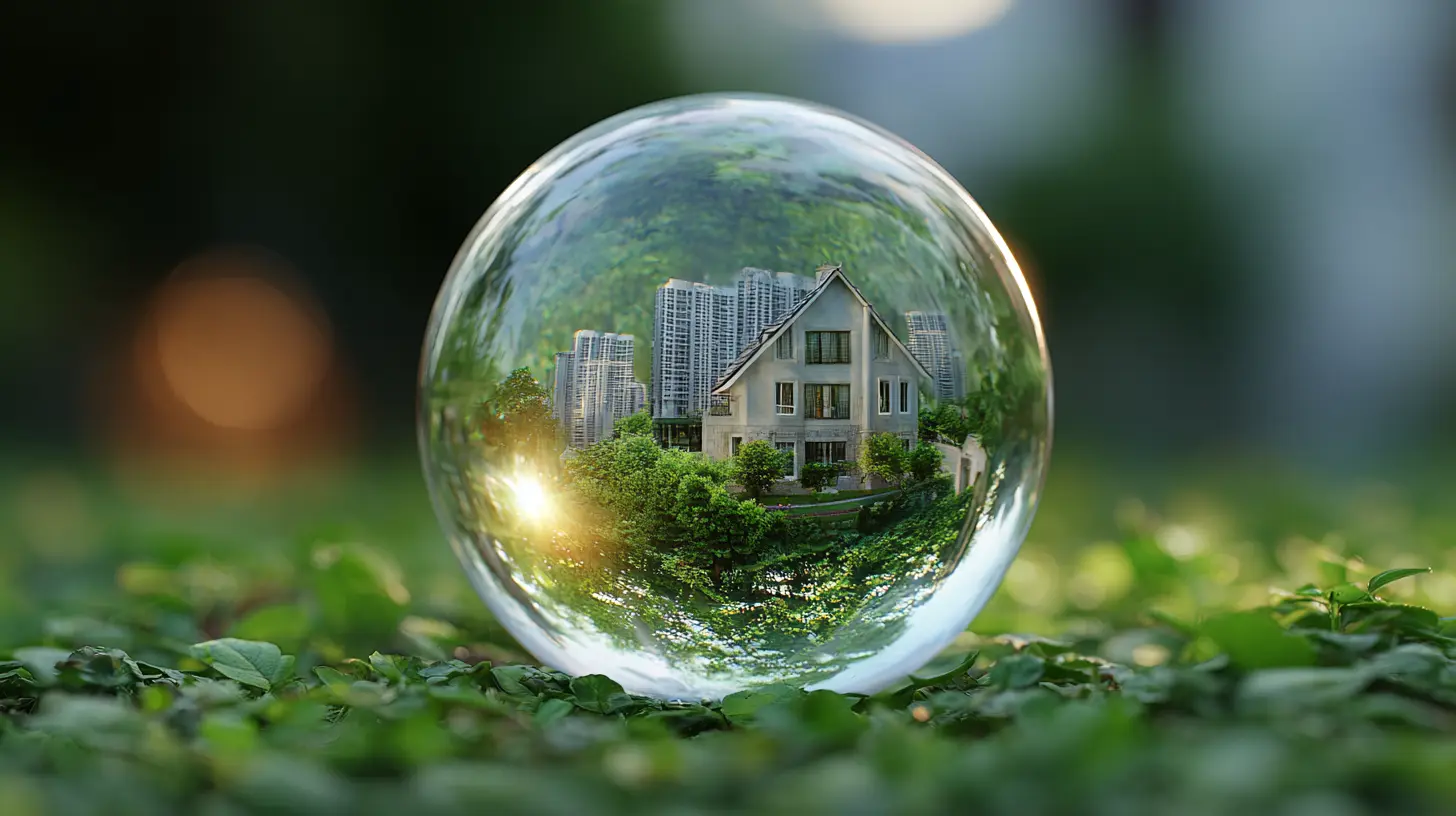
The Engine Behind the Boom: What’s Been Fueling This Rocket?
First, we need to understand what got us here. This wasn’t random. Think of the post-2020 market as a perfect storm, where several powerful weather systems collided.The Great Reshuffling & The Remote Work Revolution: This was the game-changer. Overnight, your home wasn’t just where you lived; it was your office, your school, your gym, and your sanctuary. That extra bedroom morphed from a storage space to a non-negotiable necessity. A backyard became a priceless luxury. This triggered a massive, geography-agnostic migration. People fled dense urban cores for suburbs, smaller cities, and even rural towns, spreading demand like wildfire into previously quieter markets.
Historic Low Interest Rates: This was the rocket fuel. For years, borrowing money was almost free. A 3% mortgage rate fundamentally alters the math of homeownership. It allowed buyers to qualify for larger loans, effectively inflating their purchasing power and their willingness to bid higher. It created a gold-rush mentality—"get in now before rates go up!"—which they inevitably did.
A Deep, Structural Supply Shortage: Here’s the bedrock issue. We simply haven’t built enough homes for over a decade. Since the 2008 financial crisis, homebuilding has lagged behind household formation. The reasons are a tangled web: soaring costs of materials and labor, restrictive zoning laws, a shortage of skilled tradespeople, and NIMBYism ("Not In My Backyard") politics. This chronic shortage means that even as demand cools, there’s a floor under prices. You can’t have a classic crash when there’s nothing to buy.
Demographic Tsunami: Enter the millennials. The largest generation in American history is now squarely in its prime home-buying years (roughly 28-43). This isn’t a wave; it’s a sustained demographic tide that will continue to push against the shore of limited supply for years to come.

The Gathering Clouds: Headwinds That Could Change the Forecast
Now, let’s look at the other side of the mountain. The weather is shifting. The conditions that created the boom are evolving, and new challenges are forming on the horizon.The New Reality of "Higher for Longer" Interest Rates: The era of free money is over. The Federal Reserve’s battle against inflation has led to mortgage rates settling into a range significantly higher than what we grew accustomed to. This is the single biggest brake on the market. It doesn’t just make monthly payments more expensive; it creates a psychological and financial lock-in effect. Why would anyone with a 3% mortgage sell to buy a new home with a 7% rate? This "golden handcuff" phenomenon is severely limiting the supply of existing homes, paradoxically propping up prices even as it stifles transactions.
The Affordability Crisis Reaches a Breaking Point: There’s only so much stretch in the rubber band. When median home prices soar and mortgage rates double, something has to give. The ratio of median home price to median income is at historic extremes. For a growing segment of the population—especially first-time buyers—the dream is being mathematically priced out. This isn’t just an emotional issue; it’s a fundamental limit on demand. You can have all the desire in the world, but if the banks say no, the market eventually listens.
Economic Uncertainty and Consumer Sentiment: Real estate doesn’t exist in a vacuum. It floats on the sea of the broader economy. Talk of recessions, layoffs in the tech sector, bank instability, and geopolitical tensions make people nervous. And nervous people don’t make the largest financial decision of their lives. This erosion of confidence can lead to a "wait-and-see" approach, cooling demand faster than any interest rate hike.
The Remote Work Recalibration: The remote work revolution isn’t being fully reversed, but it’s being recalibrated. Hybrid models are becoming the norm for many companies. This subtle shift is changing the calculus again. The premium on space in the exurbs might soften if you have to commute two days a week, while closer-in suburbs and certain city neighborhoods could see a resurgence. The demand geography is still in flux.
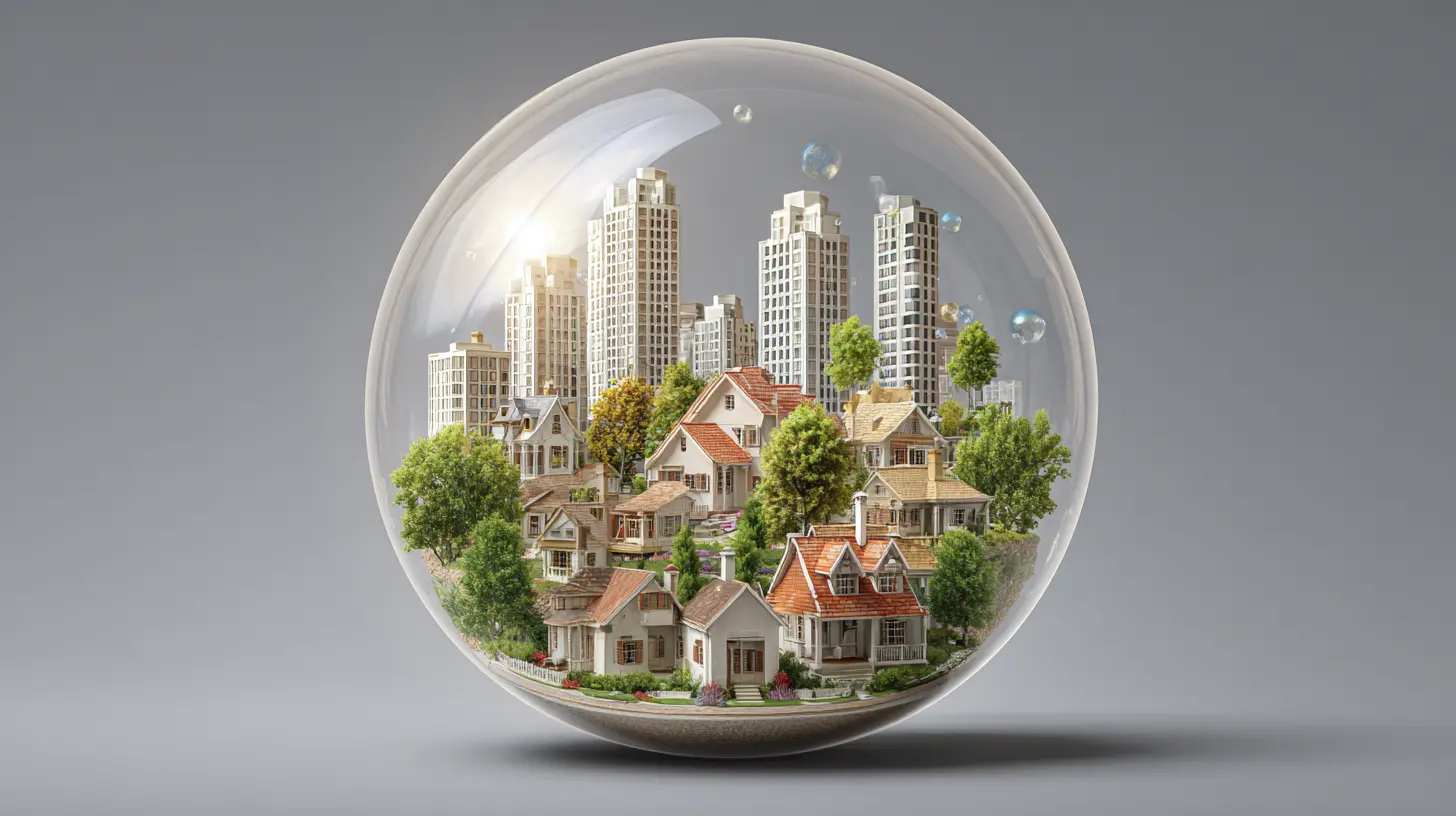
The 2027 Crucible: Scenarios, Not Predictions
Given these powerful, conflicting forces, what might the path to 2027 look like? It’s less about a single prediction and more about weighing probable scenarios.Scenario 1: The "Plateau & Pivot" (Most Likely)
This isn’t a crash. It’s a marathon runner shifting from a sprint to a sustainable pace. In this scenario, national price growth flattens or sees very modest, single-digit appreciation (maybe 1-3% annually). The market stops being a frenzied speculator’s game and returns to being a place for people to live. Transaction volume remains lower than the peak years due to the rate lock-in effect, but a new equilibrium is found. Growth becomes hyper-local, tied to job markets, inventory, and quality-of-life factors. Sustainability here means stability, not stagnation.
Scenario 2: The "Great Stagnation"
This is a more challenging version of the plateau. High rates persist, affordability remains crippled, and economic growth is anemic. Prices don’t fall dramatically because of the supply shortage, but they don’t rise either. The market seizes up. Sellers won’t sell, buyers can’t buy, and new construction slows further due to high financing costs. The market becomes a game of chicken, waiting for an external shock or policy shift to break the logjam.
Scenario 3: The "Regional Rollercoaster"
The idea of a "national" real estate market continues to shatter. Sustainability will be a zip code-by-zip code question. Markets that boomed purely on pandemic migration without strong underlying job fundamentals (some Sun Belt and rural areas) could see corrections. Meanwhile, markets with diverse, resilient economies and severe supply constraints (parts of the Northeast, Midwest, and coastal cities that adapt) may hold steady or even grow. The story becomes one of winners and losers, not a uniform trend.
Scenario 4: The Innovation & Policy Wildcard
What if something fundamental changes? What if modular home construction finally scales to significantly lower costs? What if zoning reform at the state level (like California’s ADU laws or statewide upzoning efforts) actually starts to move the needle on supply? What if new mortgage products emerge for a high-rate environment? These are wildcards that could alter the trajectory, making growth more sustainable by addressing its core constraints.
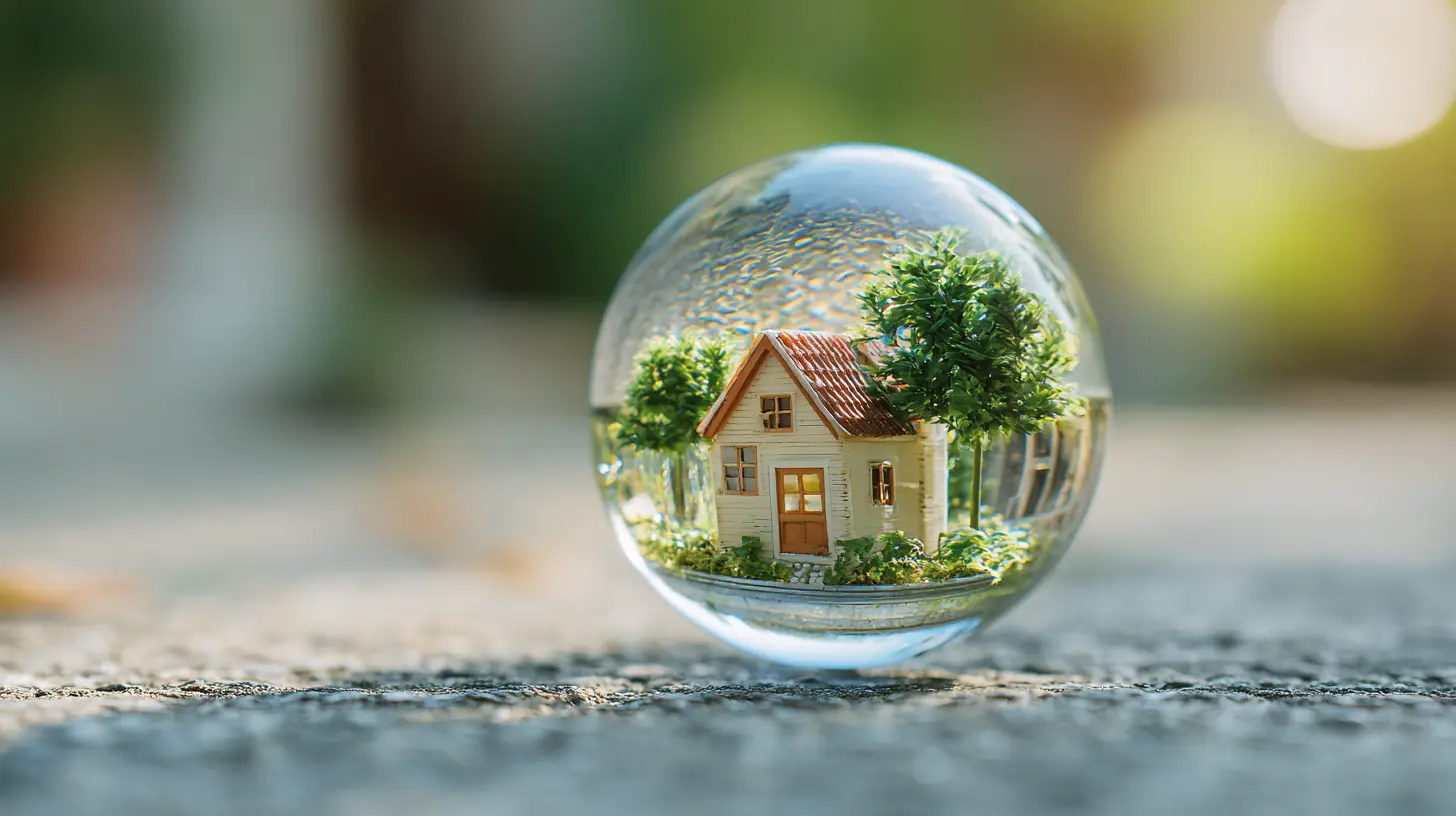
So, Is It Sustainable? The Uncomfortable Answer
Here’s the thought-provoking conclusion: The pace of growth from 2020-2022 is unequivocally not sustainable. That was a historic anomaly, a spike on the chart. Expecting that to continue is like expecting to run a marathon at your 100-meter dash speed.However, the market’s underlying value and resilience likely are sustainable, albeit in a transformed state. The foundation—chronic undersupply and strong demographic demand—hasn’t crumbled. The market isn’t built on the shaky ground of subprime loans like 2008; it’s built on a shortage of actual, physical homes and a generation that wants to own them.
The sustainability through 2027 won’t be measured in double-digit price jumps. It will be measured in stability, in the gradual easing of the inventory crisis, and in the market’s ability to adapt to a new normal of higher costs. It will be a market that rewards patience, local knowledge, and realistic expectations over FOMO-driven frenzy.
The balloon isn’t popping. It’s just letting out a little air so it can fly steadily, rather than uncontrollably, into the future. Your job, whether you’re a buyer, seller, or investor, is to understand the new winds and adjust your sails accordingly. The era of easy money is gone, but the fundamental human desire for a place to call home? That’s the most sustainable force of all.
all images in this post were generated using AI tools
Category:
Housing BubbleAuthor:

Vincent Clayton
Discussion
rate this article
2 comments
Hawk Ramirez
While current growth in real estate is bolstered by low interest rates and demographic shifts, sustainability hinges on economic resilience and regulatory responses to potential market corrections. A balanced approach to supply and demand, alongside adaptability to changing consumer preferences, will be crucial.
April 24, 2026 at 11:05 AM
Mallory West
Is the real estate market's growth sustainable through 2027? It's like asking if your favorite avocado toast will still be trendy next year—only time will tell, but I’m betting on some hearty toppings!
April 20, 2026 at 12:12 PM
Vincent Clayton
Great analogy! Just like food trends, real estate has its ups and downs. While some factors suggest growth may continue, uncertainty always lingers. Let's see how it plays out!