Water Damage Prevention: A Must for Every Property Owner
10 April 2026
Water damage is one of the most expensive and frustrating issues a property owner can face. It sneaks up silently, turning small leaks into major structural nightmares. Whether it's a minor drip or a full-blown flood, water damage can wreak havoc on your home or commercial space, leading to expensive repairs and even health hazards.
But here's the good news: with proper precautions, you can prevent water damage before it even starts. In this guide, we'll go over the most effective strategies to keep your property safe and dry. 
Understanding Water Damage and Its Consequences
Before we dive into prevention, let's talk about why water damage is such a big deal.The Cost of Water Damage
Water damage isn't just a nuisance—it can break the bank. On average, homeowners spend thousands of dollars on water damage repairs, not to mention the potential loss of valuables and increased insurance premiums.Health Hazards from Water Damage
Standing water and excess moisture create the perfect breeding ground for mold and mildew. These fungi don't just cause unpleasant odors; they can trigger allergies, respiratory issues, and other health problems, especially in children and the elderly.Structural Damage Risks
Unchecked water damage weakens your property's foundation, deteriorates walls, and can even lead to hazardous electrical issues. Over time, you could be dealing with rotted wood, rusted metal, and compromised structural integrity.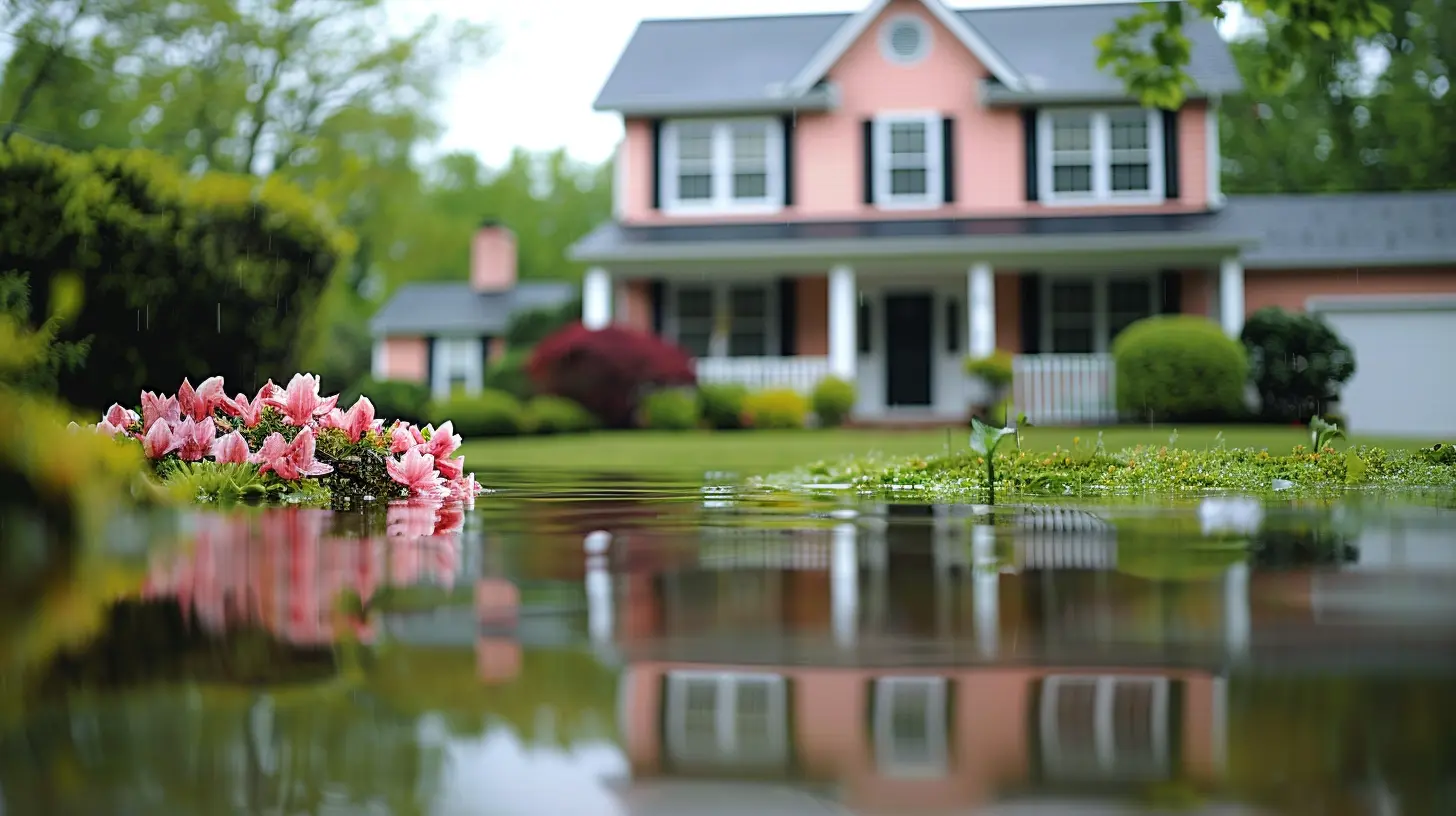
How to Prevent Water Damage in Your Property
Now that we understand the severity of water damage, let’s get into actionable steps you can take to prevent it.1. Regularly Inspect Your Roof
Your roof is your first line of defense against rain and snow. If it's compromised, your entire property is at risk.- Check for missing or damaged shingles.
- Clear out gutters and downspouts to prevent water buildup.
- Look for any signs of leaks inside your home, like water stains on the ceiling.
A quick roof check can save you from a costly disaster down the road.
2. Maintain Your Gutters and Downspouts
Clogged gutters are a recipe for water damage. When water can’t flow properly, it overflows and seeps into your foundation or walls.- Clean gutters at least twice a year (or more if you have a lot of trees around).
- Ensure downspouts direct water at least 5-10 feet away from your home's foundation.
- Consider gutter guards to prevent debris buildup.
3. Check and Maintain Plumbing Systems
A hidden pipe leak can go unnoticed for months. By the time you spot it, the damage is already done.- Inspect pipes for leaks, especially under sinks and behind appliances.
- Replace old or corroded pipes before they burst.
- Insulate exposed pipes to prevent freezing and bursting in winter.
A little plumbing maintenance goes a long way in preventing a major headache.
4. Seal Windows and Doors Properly
Rainwater can easily seep in through poorly sealed windows and doors.- Use weather stripping or caulk to seal any gaps.
- Check for drafts and repair weak spots.
- Install storm doors or windows if you live in an area prone to heavy rain.
A well-sealed home isn’t just water-resistant—it’s also more energy-efficient!
5. Install a Sump Pump in Your Basement
Basements are notorious for flooding during heavy rains. A sump pump is your best defense.- Test your sump pump regularly to ensure it's working.
- Consider a battery backup in case of power outages.
- Keep the area around the sump pump clean and free of debris.
This small investment can save you thousands in potential flood damage.
6. Monitor Your Water Bill for Unusual Spikes
A sudden increase in your water bill could signal a hidden leak. If you notice an unexplained rise, investigate immediately.- Check all faucets, toilets, and pipes for leaks.
- Listen for running water sounds when nothing is turned on.
- If necessary, call a plumber to conduct a thorough inspection.
Catching leaks early means avoiding major damage later.
7. Protect Your Foundation
Water pooling around your foundation can lead to serious structural issues.- Ensure proper grading so water drains away from your home.
- Install French drains if water collects near your foundation.
- Regularly check for foundation cracks and seal them promptly.
A solid foundation is key to a healthy, damage-free property.
8. Use Water Leak Detectors and Alarms
Technology can be your best friend when it comes to water damage prevention. Water leak detectors can alert you to moisture issues before they become major problems.- Place them near water heaters, sinks, toilets, and appliances.
- Opt for smart sensors that send alerts to your phone.
- Replace batteries periodically to ensure they work when needed.
These devices are like having a security system for water damage—why wouldn’t you use them?
9. Be Prepared for Extreme Weather
Hurricanes, heavy storms, and floods can be devastating. Preparing in advance can make all the difference.- Keep sandbags on hand if your area is prone to flooding.
- Reinforce vulnerable areas like doors and windows.
- Have an emergency water damage plan in place.
When Mother Nature strikes, preparation is your best defense. 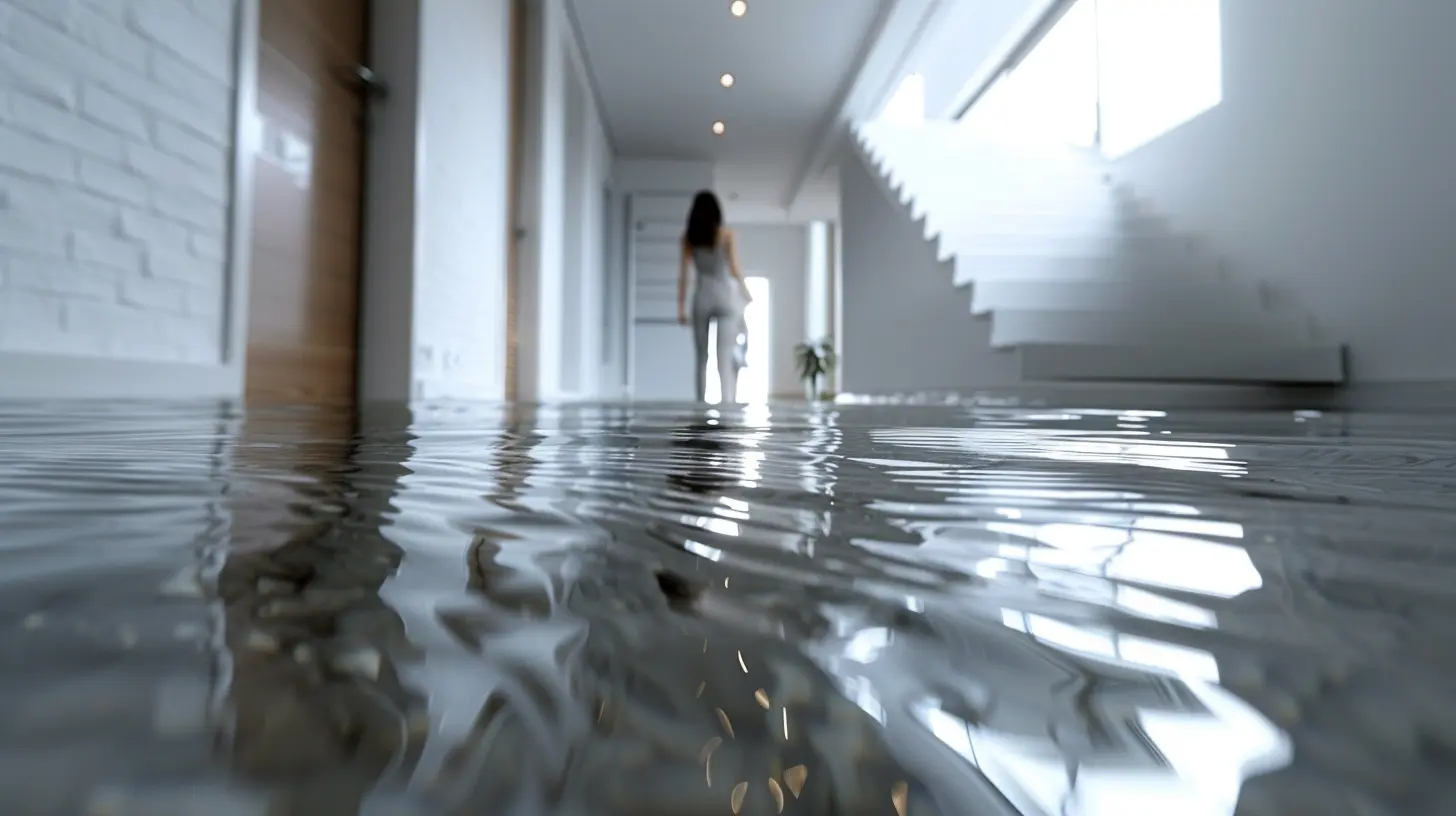
What to Do If You Have Water Damage
Even with all the precautions, unexpected accidents can happen. If you experience water damage, act fast:1. Shut off the water source (if possible) to stop further damage.
2. Remove excess water using a wet/dry vacuum, mop, or towels.
3. Dry out the affected area using fans, dehumidifiers, and open windows for ventilation.
4. Salvage what you can, but dispose of heavily damaged items.
5. Call a professional if the damage is extensive or involves mold.
Taking immediate action can prevent long-term damage and costly repairs. 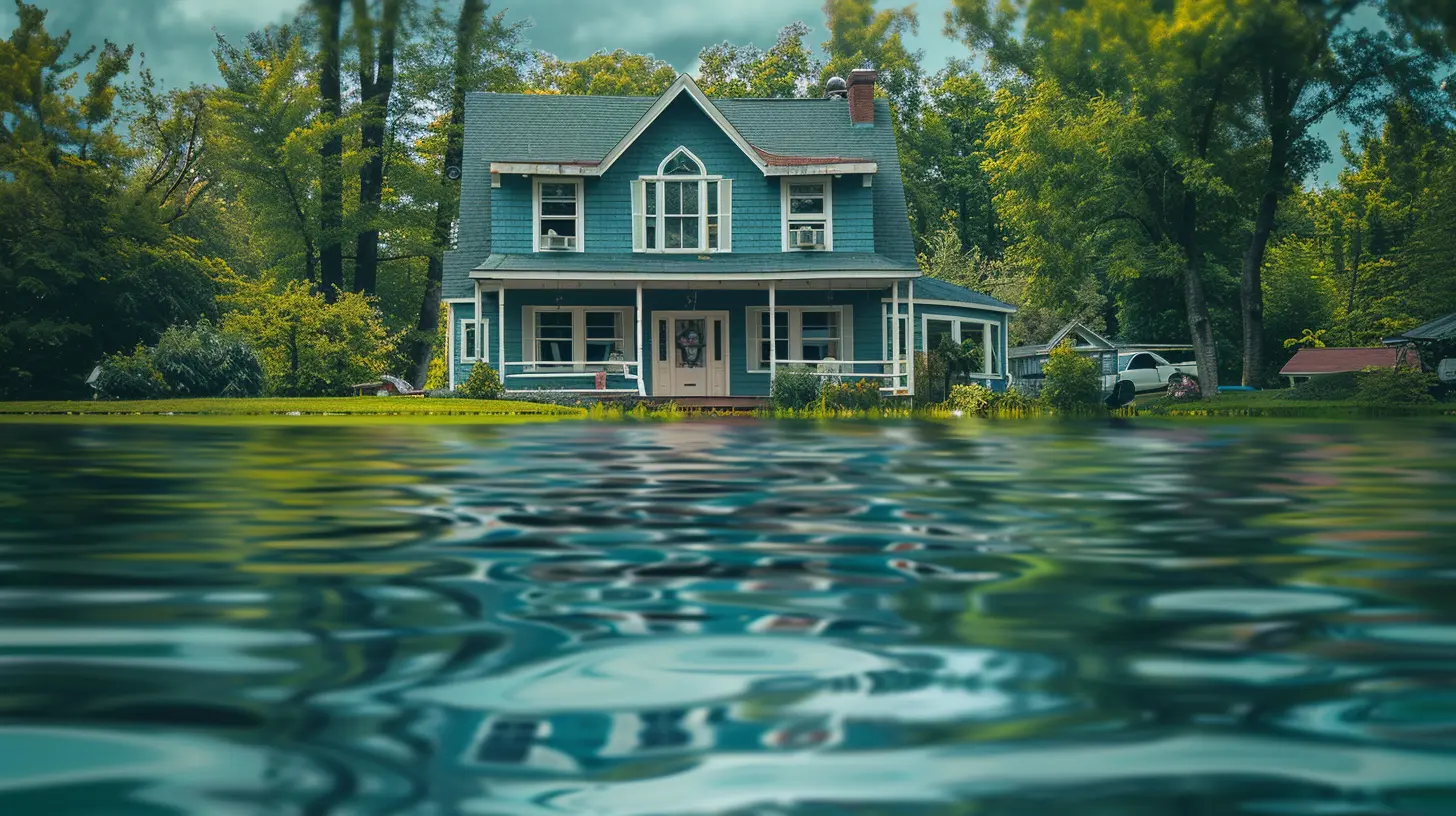
Final Thoughts: Stay Proactive, Stay Dry
Water damage can be devastating, but it’s completely preventable with the right steps. By keeping up with regular maintenance, inspecting your property, and using smart technology, you can protect your home and wallet from costly repairs.Don’t wait for a disaster—start implementing these preventative measures today!
all images in this post were generated using AI tools
Category:
Property MaintenanceAuthor:

Vincent Clayton
Discussion
rate this article
2 comments
Mercy Bell
Oh, sure! Let’s just ignore water damage—it adds such a charming “damp” ambiance to any home. Who needs a dry roof when you can have a built-in swamp?
April 12, 2026 at 3:26 AM
Vincent Clayton
I get your point, but water damage can lead to serious long-term issues. Staying dry is definitely the way to go.
Selah Stewart
Preventing water damage is crucial for property owners. Regular inspections, proper drainage, and timely repairs protect your investment, enhance safety, and save on costly future repairs.
April 11, 2026 at 3:39 AM
Vincent Clayton
Absolutely, staying proactive with inspections and maintenance is key to safeguarding your property from water damage. It pays off in the long run.