How Historic Home Designations Can Affect Your Property Tax Bill
20 December 2025
Owning a historic home is like possessing a time machine—except instead of taking you back in time, it just makes your wallet feel like it's permanently stuck in the 1800s. If you're lucky enough (or maybe unlucky, depending on how you see it) to own a property with a historic designation, you might be wondering how it affects your property taxes.
Well, buckle up! We're about to dive into the fascinating, occasionally frustrating, and sometimes financially rewarding world of historic home designations and their impact on your tax bill. 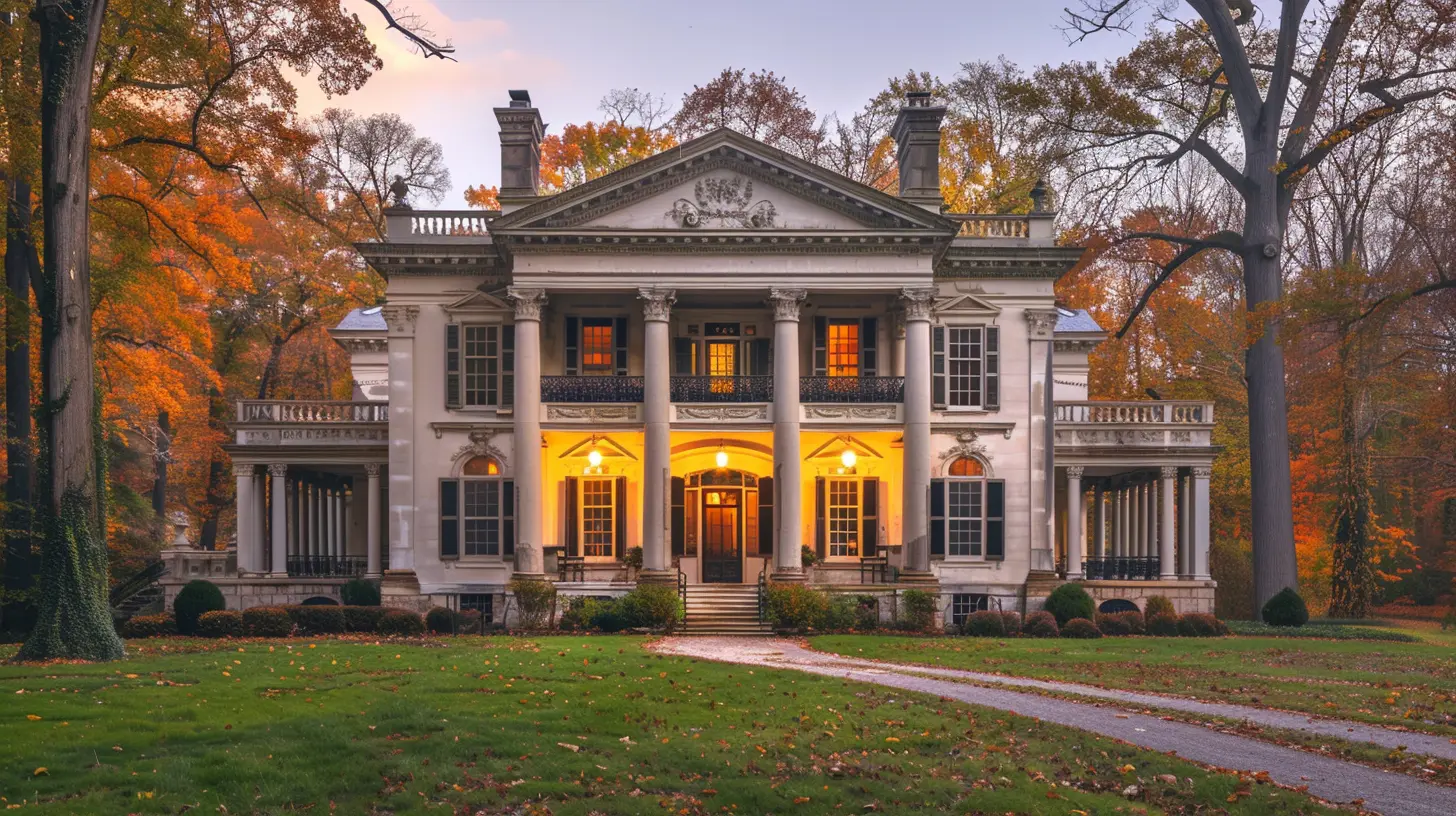
What Is a Historic Home Designation, Anyway?
Before we start throwing numbers and tax jargon at you, let's get one thing straight—what exactly is a historic home designation?Basically, this is a fancy way of saying, "Congratulations! You live in a house that’s old enough and significant enough that the government wants to protect it." This designation can come from your local, state, or even federal government, often through organizations like the National Register of Historic Places or your local historic preservation office.
While this can be a point of pride (imagine telling guests, “Oh yes, this place is officially historic”), it also comes with a mixed bag of perks and challenges—including how much you owe in property taxes. 
Does a Historic Home Designation Increase or Decrease Property Taxes?
Ah, the million-dollar question—or, you know, however much your property tax bill actually is. The answer? It depends. (Annoying, I know.)Historic home designations can do one of two things:
1. Reduce your property taxes through tax incentives and exemptions
2. Increase your taxes due to higher property values
Let’s break it down. 
Tax Breaks: The Sweet Side of Historic Home Ownership
One of the best perks of owning a historic home is that you might get tax breaks. Governments love when people take care of older homes, so they offer various incentives to make historic homeownership less financially painful.Property Tax Freezes
Some states and local governments offer property tax freezes for historic homes. This means that even if the value of your home skyrockets (because, let’s face it, historic homes are often in desirable locations), your property taxes won’t increase for a certain period—sometimes up to 10 years!Tax Credits for Rehabilitation
If your historic home needs some love (and most of them do), you might qualify for rehabilitation tax credits. Instead of drowning in renovation costs, these credits can offset some of your expenses. Federal programs like the Historic Preservation Tax Credit can cover up to 20% of certain rehab costs, and some states kick in an additional percentage.Property Tax Reductions
Some states offer property tax reductions for owners of historic homes, as long as they maintain the historic character. Basically, if you’re committed to keeping the original charm of the home intact—no replacing those vintage wood floors with laminate!—you could be rewarded with a lower tax bill.Sounds great, right? Well, hold on, because there’s another side to this story. 
The "Uh-Oh" Side: When Your Historic Home INCREASES Your Property Taxes
If your historic home is in a trendy area or has unique architectural significance, its value might soar. And guess what? Higher value often means higher property taxes.Increased Property Valuation
When a home is designated as historic, it suddenly becomes more desirable to certain buyers—think history buffs, antique lovers, and people who enjoy bragging rights. This demand can hike up the home’s appraised value, and unless you have a tax freeze, that means a higher tax bill.Limitations on Changes = Higher Maintenance Costs
Owning a historic home isn’t all tea parties and Victorian wallpaper. Most historic designations come with strict rules on renovations and maintenance. Want to replace those ancient windows with modern energy-efficient ones? Nope. Thinking about knocking down a wall to create an open floor plan? Think again.Since you're often required to use historically accurate materials and techniques for repairs, costs can skyrocket, indirectly affecting your finances. And if your local government reassesses your home’s value because you restored it to its former glory, well… more taxes might be coming your way.
Historic Homeowners: Winners And Losers In The Tax Game
So, after all of this, who actually benefits from a historic home designation?Winners:
✅ Long-term homeowners who qualify for property tax freezes – They get to live in a charming home without worrying about tax hikes.✅ People willing to take advantage of tax credits – If you plan to renovate, those sweet tax credits can make a HUGE difference.
✅ Homeowners in areas that give special tax breaks to historic properties – Some places are more generous than others. Do your research!
Losers (Well, Kind Of):
❌ People who buy historic homes without researching the tax implications – Surprise! Your taxes just doubled.❌ Homeowners wanting to make modern updates – Good luck getting approval for anything beyond historically accurate paint colors.
❌ Anyone who ends up paying higher assessments due to rising property values – The historic appeal can backfire financially.
How to Navigate the Tax Maze of Historic Homeownership
If you already own a historic home—or you're thinking about buying one—here are some tips to keep your wallet from crying.1. Research Your Local Tax Laws
Every state, county, and city has different rules. Before signing on the dotted line, check with your local tax assessor’s office to see how a historic designation will impact your wallet.2. See If You Qualify for Tax Incentives
Look into federal, state, and local programs that offer tax breaks. Sometimes all it takes is filling out the right paperwork to save thousands!3. Get a Professional Appraisal
If your property taxes have jumped because of a historic designation, consider getting an independent appraisal. If you can argue that the home’s actual value isn’t as high as the assessment suggests, you might be able to lower your tax bill.4. Plan Restoration Projects Wisely
If you’re fixing up your historic home, focus on renovations that qualify for tax credits. Avoid unnecessary updates that could increase your property value (and your taxes) more than you’d like.5. Join Historic Preservation Groups
These organizations often have insider knowledge on tax incentives and can offer guidance on navigating the bureaucratic nightmare of historic homeownership.Final Thoughts: Is a Historic Home Worth the Hassle?
Owning a historic home can be both a blessing and a burden. While you might score some valuable tax breaks, you could also find yourself tied up in restrictions and higher costs. It all comes down to doing your homework before jumping into a historic property.If you’re already the proud owner of a designated historic home, just remember: while your tax bill might fluctuate, you now own a piece of history. And hey, that’s pretty cool.
Just don’t tell your wallet.
all images in this post were generated using AI tools
Category:
Property Tax GuideAuthor:

Vincent Clayton
Discussion
rate this article
2 comments
Betsy Lee
Great insights! It's fascinating how historic designations can both protect a home's charm and impact finances. Balancing preservation with affordability is no easy feat, but understanding these nuances can help homeowners make informed decisions. Thanks for shedding light on this!
December 29, 2025 at 1:42 PM
Vincent Clayton
Thank you for your thoughtful comment! I'm glad you found the insights valuable. Balancing preservation and affordability is indeed a complex issue, and awareness is key for homeowners navigating these challenges.
Craig McClintock
Great article! Understanding historic home designations is vital for homeowners to navigate potential tax benefits effectively.
December 22, 2025 at 4:16 AM
Vincent Clayton
Thank you! I'm glad you found it informative. Understanding these designations can indeed make a significant difference for homeowners.