What You Should Ask the Seller Before Making an Offer
13 December 2025
Buying a home is a big deal—probably one of the biggest investments you'll ever make. So, before you pull the trigger and make an offer, there are some crucial questions you need to ask the seller. These aren’t just polite questions out of curiosity—they’re essential for protecting your investment, your sanity, and your future happiness in that dream home.
Let’s face it: falling in love with a house is easy. But love won’t help you deal with foundation issues, skyrocketing utility bills, or zoning nightmares. That’s why a conversation with the seller (or their agent) before making an offer can save you from buyer’s remorse down the road.
Why Talking to the Seller Matters More Than You Think
Here’s the thing: property listings don’t tell you everything. Sure, you’ll get the square footage, the number of bathrooms, and a highlight reel of features. But all the juicy, important, real-deal info? That usually comes from asking the seller directly.Think of it like dating—nobody puts all their flaws on their dating profile, right? Same deal here. You have to dig a little to find out what’s really going on behind the scenes.
The Top Questions to Ask Before You Make an Offer
Let’s break it down. Below are the must-ask questions that’ll give you insight, peace of mind, and even some bargaining power.1. Why Are You Selling?
This seems simple, but it can reveal a lot. Are they relocating for work? Downsizing? Or are they trying to get away from a noisy neighbor or a high-maintenance property?Sellers won’t always spill the beans completely, but even a vague answer can offer clues. If they’re in a hurry to move, you might have room to negotiate a better deal.
2. How Long Has the Property Been on the Market?
If a home’s been sitting for a while, that’s a red flag—or a golden opportunity, depending on how you look at it.A long time on the market might suggest a problem with the house or that it’s overpriced. In either case, it opens the door for negotiation. You could ask for the price to come down or for repairs to be included.
3. Have You Had Any Offers?
This question helps you gauge the competition. If other offers are on the table, you may need to act fast or offer more. But if there’s been zero interest, it could mean something’s off.You don’t have to play detective—just asking can give you a strategic edge.
4. Are There Any Known Issues With the Home?
You absolutely, 100%, need to hear about any existing problems. Mold, leaky roofs, structural issues—these aren’t minor hiccups.Sellers are legally required to disclose certain problems, but they might not always volunteer info unless you ask. Don’t skip this one.
5. What’s Included in the Sale?
You’d be surprised how often misunderstandings happen here. Just because you see that stainless steel fridge doesn’t mean it’s part of the deal.Clarify what's included—appliances, light fixtures, window treatments, even backyard playsets. Get it in writing later, but ask now to avoid confusion.
6. How Old Are Major Systems and Appliances?
HVAC, water heater, roof, electrical panel—they don’t last forever. Knowing their age helps you plan for future costs.If the furnace is pushing 20 years, you’ll soon need a replacement. That’s not necessarily a deal-breaker, but it can affect your offer.
7. How Much Are the Monthly Utilities?
You don’t want to buy a house only to find out the heating costs are through the roof (literally). Ask for average monthly bills—gas, electric, water. That gives you a realistic picture of what the home will cost to run.8. Have You Made Any Renovations or Upgrades?
Knowing what’s been updated (and when) helps you understand the home's value and potential lifespan of key components.If the bathroom was remodeled last year, great! But if the renovation was DIY and not up to code? That’s another story.
9. Do You Have Warranties on Recent Work?
Some contractors provide warranties on their work or equipment. If the roof was replaced two years ago, is it under warranty? That’s peace of mind you definitely want.10. Is There a History of Pest Infestations?
This is one that no one wants to talk about—but you really have to ask. Termites, rodents, bats—you name it. They can cause serious damage and cost thousands to address.Even if the issue is resolved, knowing the home has had past problems can guide your inspection.
11. What’s the Neighborhood Like?
Sure, you can drive around and get a feel, but no one knows better than someone who’s actually lived there. Ask about noise levels, traffic, neighbors, safety, and community vibe.Are you dealing with barking dogs all night or a block party every weekend? Asking the seller gives you an insider scoop.
12. What Are the Property Taxes?
This can vary wildly by location and make or break your budget. Sellers should be able to give you a ballpark figure or their latest tax bill.Also ask if they’ve experienced any increases—or if the area is due for reassessment.
13. Any Easements or Property Line Issues?
Easements give others the legal right to use part of your property—like utility companies. That’s not necessarily a bad thing, but you should know before buying.Sometimes boundaries aren’t as clear as those fences make them look. Better to ask now than argue with a neighbor later.
14. Has the Home Ever Had Flooding or Water Damage?
Water is a home’s worst enemy. Even a little flood can lead to mold and structural problems.Ask if the home is in a flood zone, and whether there have been issues in the past. Better to have all the facts—especially if it affects your insurance.
15. What’s the History of the Home?
Every house has a past. Was it a rental property? Was it ever foreclosed on? Even asking how long the seller has owned it can provide helpful context.If the home’s changed hands a lot in the last few years, it’s worth digging deeper to find out why.
16. What’s the Situation With the HOA (If Any)?
If there’s a homeowners association, you’ll want the details. Ask about fees, rules, and any recent assessments.Some HOAs are great and keep things tidy. Others are bossy, expensive, and full of drama. It’s good to know what you’re signing up for.
17. Any Upcoming Developments in the Area?
Future construction, zoning changes, or new businesses could increase your home’s value—or turn your quiet street into a traffic jam.The seller might know about planned developments or community updates. It never hurts to ask.
18. Can I See a Property Disclosure Statement?
This is the official rundown of what the seller knows about the home. It should include past issues, known defects, and repairs.If the seller is reluctant to provide it, that’s a big ol' red flag. Be cautious.
19. Are You Flexible on the Closing Timeline?
This might not seem like a biggie, but it can really smooth things out. Whether you need to move quickly or take your time, a flexible seller makes life easier.Also, if they're in a rush, you might be able to negotiate a better price.
20. Can I Talk to the Neighbors?
Okay, this one’s bold—but worth it. If the seller’s cool with it, chatting with nearby homeowners can give insight you just can’t get anywhere else.Community dynamics, safety, noise—it’s all part of the big picture.
Bonus Tip: Always Trust Your Gut
Sometimes sellers give all the right answers, but something still feels…off. That’s your instincts talking. Don’t ignore them.Combine what you hear from the seller with your own research, a home inspection, and input from your real estate agent.
Final Thoughts
Buying a house is exciting, nerve-wracking, and sometimes overwhelming. But arming yourself with the right questions gives you more control, more clarity, and more confidence.Remember, no question is too small when it comes to a six-figure investment. So, don’t be shy—ask away, take notes, and use the answers to shape your offer wisely.
When it comes to buying your next home, a few well-asked questions today can save you a truckload of headaches tomorrow.
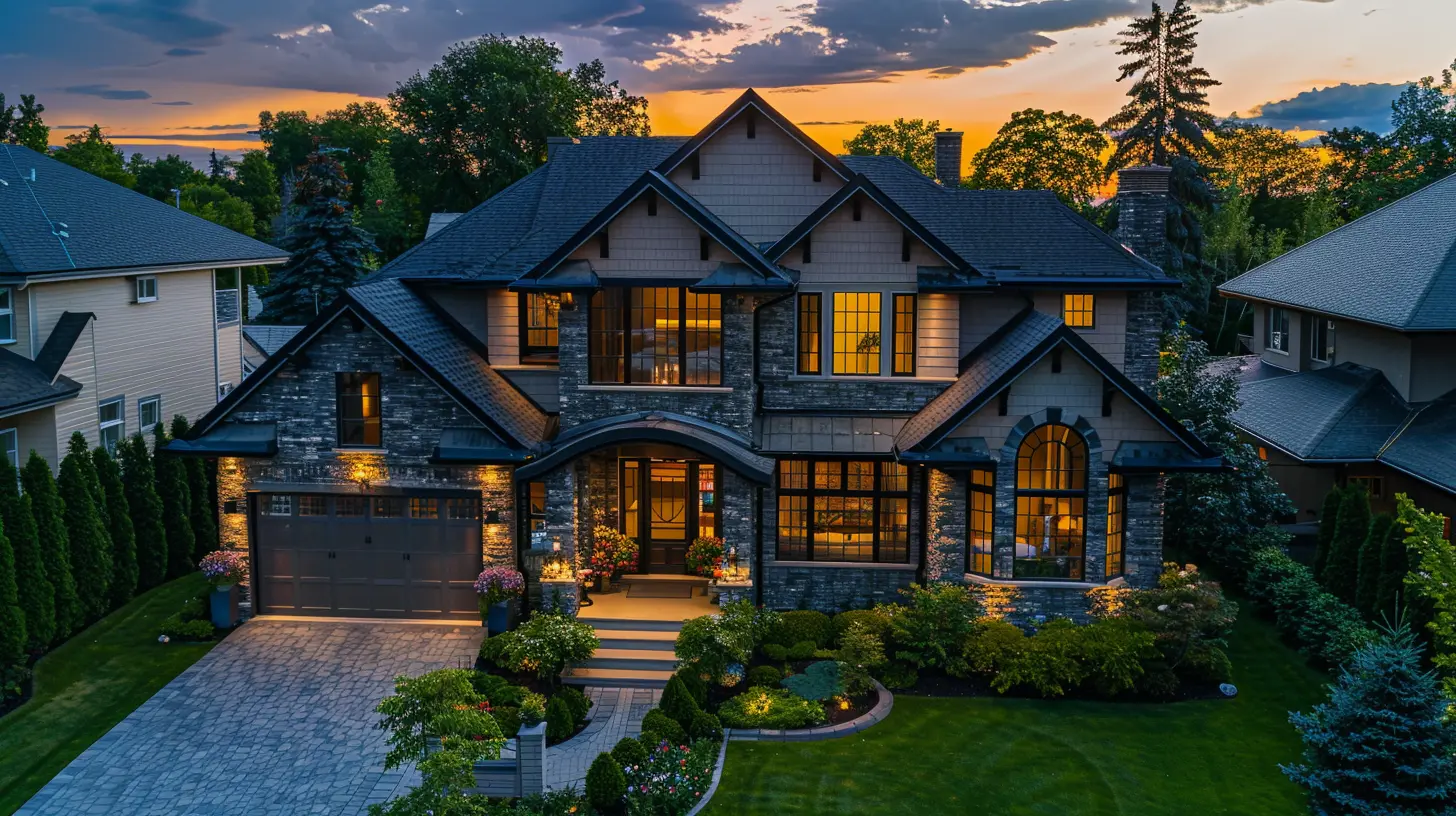
all images in this post were generated using AI tools
Category:
House HuntingAuthor:

Vincent Clayton
Discussion
rate this article
2 comments
Nellie Benson
Thanks for sharing this insightful article! Asking the right questions before making an offer is crucial in any real estate transaction. Your tips provide a great foundation for buyers to ensure they make informed decisions. Looking forward to more valuable content like this! Happy house hunting!
December 20, 2025 at 5:12 AM
Vincent Clayton
Thank you for your kind words! I'm glad you found the article helpful. Stay tuned for more tips! Happy house hunting to you too!
Ava Velez
In the dance of dreams and walls, seek the truths that echo small. With whispered questions, hearts unfold; unveil the stories, secrets told. Each inquiry, a key, to unlock a home’s soul, behold.
December 16, 2025 at 6:04 AM
Vincent Clayton
Beautifully expressed! Asking the right questions truly reveals the essence of a home.