How Location Impacts Multifamily Property Value
27 January 2026
When it comes to real estate, there's one golden rule that never goes out of style: location, location, location. This phrase isn't just a cliché—it's the foundation of property value. Whether you're an investor, developer, or homebuyer, the location of a multifamily property directly influences its price, rental income potential, and overall desirability.
But why does location matter so much? Well, think about it—would you rather own an apartment building in a bustling city center or a remote area with little demand? Exactly.
In this guide, we'll dive deep into how location impacts multifamily property value and what factors make certain locations more lucrative than others.

The Role of Location in Multifamily Property Value
The value of a multifamily property isn’t just about the number of units or the building's condition. A prime location can significantly boost rental income, property appreciation, and tenant demand. Let’s break it down.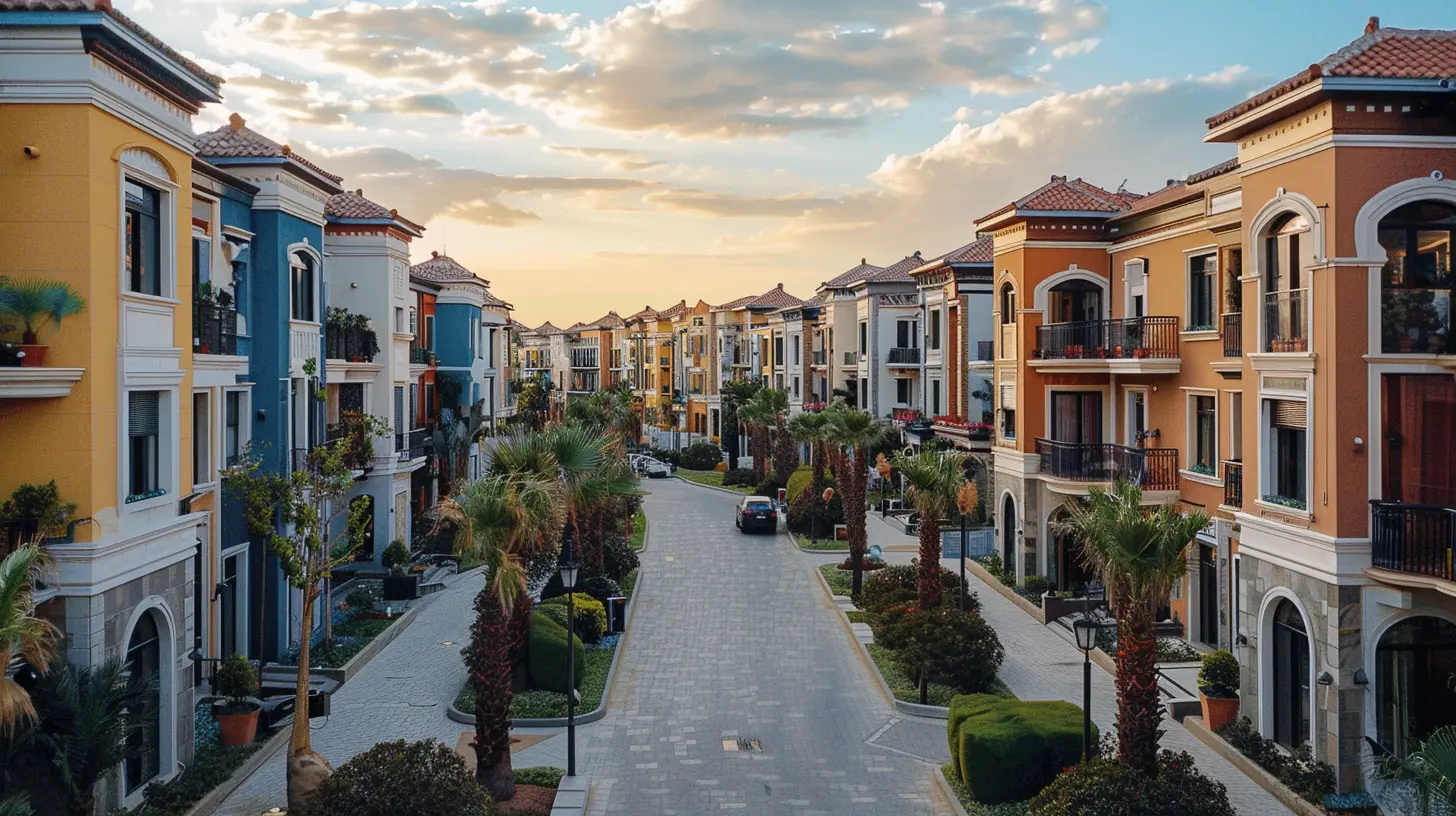
1. Demand and Population Growth
A thriving location means high demand for housing. Cities with booming populations, strong job markets, and desirable amenities naturally attract more renters.Consider places like Austin, Texas, or Nashville, Tennessee—both cities have experienced rapid population growth in the past decade. More people moving in means a higher demand for rentals, which drives up property values and rental prices.
> Tip: Look for areas experiencing job growth and an influx of new residents. These factors strongly indicate a location’s potential for real estate investments.

2. Proximity to Employment Hubs
No one wants to spend hours commuting to work every day. Locations near major employment hubs, corporate parks, or business districts tend to have higher property values because renters want to live close to where they work.For example, properties near Silicon Valley, where tech companies thrive, see significantly higher rental income than those in rural areas. When jobs are concentrated in a specific region, rental demand skyrockets, making multifamily properties in those areas more valuable.
> Key Insight: If an area has strong job growth and large employers, chances are real estate values will follow.
3. Public Transportation and Accessibility
Easy access to public transportation is a game-changer for multifamily properties. Cities with reliable public transit systems—like New York City, Chicago, and San Francisco—have higher property values because people will pay a premium to live near train stations, subway lines, or bus routes.Even in smaller cities, proximity to major highways and airports can boost a property's value. A rental property near a well-connected transit hub is more attractive to tenants, meaning higher occupancy rates and rental returns.
4. Quality of Schools and Education
Even though multifamily properties often attract renters rather than homebuyers, school districts still play a crucial role in property value. Families looking for rental properties prioritize areas with top-rated schools, contributing to demand in those neighborhoods.For instance, a multifamily complex in a neighborhood with an A-rated school district will have lower vacancy rates and higher rental prices compared to a similar property in an area with struggling schools.
> Pro Tip: When evaluating a multifamily investment, check public school rankings—it can influence rental demand more than you think.
5. Crime Rates and Safety
Let’s be honest—no one wants to live in an area with high crime rates. Locations with low crime levels attract more renters, leading to higher property values.Websites like NeighborhoodScout and local crime reports can help investors analyze crime trends before committing to a property. If an area is experiencing a decline in crime due to revitalization efforts or increased law enforcement, it may be a smart time to invest before prices soar.
> Takeaway: Safety is a top priority for tenants, making it a major factor in multifamily property values.
6. Amenities and Local Attractions
Think about your ideal neighborhood—what does it have? Parks, restaurants, shopping centers, nightlife? These amenities can significantly impact property value.A multifamily property near coffee shops, grocery stores, fitness centers, and entertainment spots is far more attractive to renters than one in a deserted area with nothing to do.
Even natural attractions like beaches, hiking trails, and lakes can boost property desirability. People love convenience and lifestyle perks, so the more amenities nearby, the better.
> Hot Tip: Walkability scores matter! A high walkability score (meaning tenants can easily walk to amenities) increases property value.
7. Future Development and Infrastructure Growth
Savvy investors know that today’s overlooked neighborhood could be tomorrow’s hot real estate market. Keep an eye on areas with upcoming infrastructure projects, city development plans, and new businesses opening up.If a city plans to build a new shopping mall, hospital, or transit line, property values in that area could surge. Early investors who recognize these trends can capitalize on skyrocketing property prices.
> Pro Tip: Check city planning websites and local real estate news to spot emerging investment opportunities.
8. Market Trends and Economic Stability
A location’s economic health plays a massive role in multifamily property value. If an area is experiencing a downturn—like the loss of a major employer or rising foreclosure rates—real estate values can decline.On the other hand, stable or growing markets with a strong local economy tend to have better long-term appreciation. Cities with diverse industries (tech, healthcare, education, tourism) are less risky than those dependent on a single sector.
> Final Thought: A diversified economy means a more stable rental market, leading to consistent property appreciation.
The Bottom Line
Location isn’t just another factor—it’s the factor that can make or break a multifamily property investment. Whether it's population growth, employment opportunities, transit options, school quality, crime rates, or future development, each element plays a role in determining real estate value.If you're considering investing in a multifamily property, do your homework. Research the area's economic trends, crime rates, and job growth before making a decision. Remember, a great property in a bad location will never reach its full potential, but an average property in a hot area can yield incredible returns.
By understanding how location impacts multifamily property value, you’ll be better equipped to make smart, profitable investment decisions.
all images in this post were generated using AI tools
Category:
Multifamily PropertiesAuthor:

Vincent Clayton
Discussion
rate this article
2 comments
Monique McAdams
This article effectively highlights how location plays a crucial role in determining multifamily property value. It offers valuable insights for investors, emphasizing the need to consider local amenities, demographics, and market trends.
February 8, 2026 at 5:09 AM
Vincent Clayton
Thank you for your feedback! I'm glad you found the article insightful and valuable for investors. Location is indeed key in property valuation!
Lorna Kelly
This article effectively highlights the significance of location in determining multifamily property values. Clear examples and insights into market dynamics provide valuable guidance for investors looking to make informed decisions in real estate. Great read!
January 30, 2026 at 3:24 AM
Vincent Clayton
Thank you for your feedback! I'm glad you found the insights on location and market dynamics helpful for your investing journey.