What Drives Home Prices Higher and How to Prepare for 2027
27 April 2026
Let’s cut the sugar-coating: the housing market feels like a runaway train, and you’re standing on the platform wondering if you should jump on or wait for the next one. If you’ve been scrolling through Zillow, watching prices climb like a kid on a sugar rush, you’re not alone. Home prices have been on a wild ride—up, down, then up again—and everyone’s asking the same question: What the heck is driving this insanity, and how do I get ready for 2027?
I’m not going to feed you vague predictions or fluff. This is a straight-shooting, no-BS breakdown of the forces pushing prices higher, plus a practical playbook to prepare your wallet and mindset for 2027. By the end, you’ll know exactly what’s happening under the hood—and how to keep your financial engine running smooth.

The Perfect Storm: Why Home Prices Keep Climbing
Think of the housing market like a pressure cooker. You’ve got heat (demand), steam (supply), and a lid that’s barely holding on (interest rates, inflation, and builder constraints). When one thing goes wrong, the whole thing explodes. Let’s pop the lid and look inside.1. The Supply Squeeze: We’re Running Out of Houses
Here’s a simple truth: you can’t buy what isn’t there. For years, builders have been underbuilding homes. After the 2008 crash, construction slowed to a crawl, and it never fully recovered. Fast-forward to today: the U.S. is short roughly 3 to 5 million homes, depending on who you ask. That’s like showing up to a concert where only half the seats exist—prices skyrocket because everyone’s fighting for the same spot.Why aren’t builders catching up? Blame labor shortages, skyrocketing lumber costs, and zoning laws that make building a new subdivision feel like negotiating a peace treaty. You’ve got fewer homes, more buyers, and a recipe for price explosions.
2. Demographics: The Millennial Tsunami
Millennials are the largest generation in U.S. history, and they’ve hit prime homebuying age (roughly 30 to 40 years old). Imagine a wave of 70 million people all deciding they want a white picket fence at the same time. That’s what’s happening. They’re forming households, having kids, and craving space—especially after COVID turned living rooms into offices and schools.This isn’t a fad; it’s a demographic tidal wave that’ll keep pushing prices up through 2027. Even if interest rates rise, these buyers aren’t going to vanish. They’ll just adjust—maybe buy smaller, move farther out, or wait. But they’re not disappearing.
3. Low Interest Rates (The Double-Edged Sword)
Remember 2020 and 2021? Mortgage rates hit historic lows, dipping below 3%. That was like putting rocket fuel on a fire. Suddenly, your monthly payment on a $400,000 home was cheaper than renting a two-bedroom apartment. Everyone and their dog rushed to buy, bidding wars became the norm, and prices shot up 30% or more in some markets.But here’s the kicker: low rates also locked in existing homeowners. Why would you sell your 3% mortgage to buy a new house at 7%? You wouldn’t. So inventory stayed low, and prices stayed high. Even as rates climbed in 2022 and 2023, the damage was done. Prices didn’t crash—they just plateaued in some areas and kept rising in others.
4. Inflation and the Cost of Everything
Inflation isn’t just about gas and groceries—it’s baked into home prices. When the cost of lumber, concrete, labor, and land goes up, builders pass that on to buyers. And when rent rises (which it has, big time), more people decide to buy, further fueling demand.Think of it like this: a home isn’t just a roof—it’s a bundle of costs. If the price of a hammer doubles, the price of a house follows. Inflation is the silent engine that keeps prices humming, and until the Fed gets it under control, don’t expect that engine to stall.
5. Investor Activity: The Institutional Squeeze
Here’s a touchy subject: big money is buying up single-family homes like they’re collecting Pokémon cards. Hedge funds, private equity firms, and rental companies are snapping up properties, especially in affordable markets. They’re not buying to live—they’re buying to rent or flip. That reduces inventory for regular buyers and pushes prices higher.How big is this? In some cities, investors account for 20% to 30% of home purchases. You’re not just competing against a family with a pre-approval letter; you’re up against billion-dollar funds with cash offers and no contingencies. It’s like arm-wrestling a gorilla—you’re not winning unless you change the rules.
6. Remote Work and Migration Patterns
COVID didn’t just change how we work; it changed where we live. Suddenly, you could ditch a $2,000 studio in San Francisco for a $400,000 house in Boise. That migration reshaped markets across the Sun Belt, the Rockies, and even small towns in the Midwest.But here’s the twist: once people moved, they brought their high salaries with them. A tech worker earning $150,000 in Austin can outbid a local teacher making $50,000. That wage disparity pushes prices up in secondary markets, making them unaffordable for locals. It’s a cycle that’s still spinning, and it won’t stop until the remote work trend reverses—which it probably won’t.
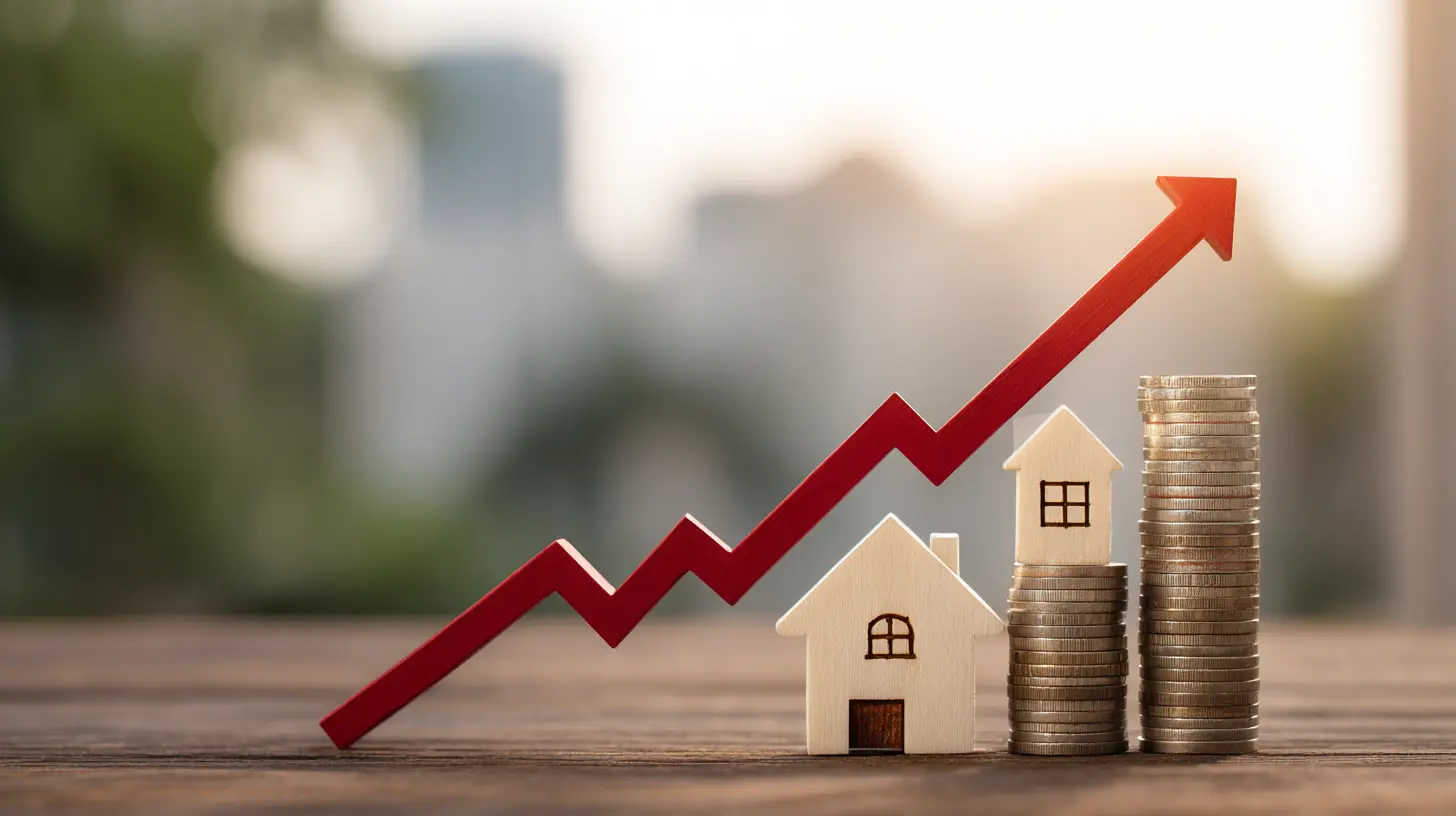
So, What About 2027? The Crystal Ball (Sort Of)
I can’t predict the future—if I could, I’d be sipping piña coladas in Aruba. But I can look at trends and give you a realistic picture. Here’s what 2027 likely holds:- Prices will be higher, but the growth will slow. We’re not going to see another 20% spike. Instead, expect 3% to 6% annual appreciation in most markets. That’s still painful, but it’s not panic-inducing.
- Interest rates will stabilize. The Fed won’t go back to 3% mortgages, but they might settle around 5% to 6%. That’s not great, but it’s not a disaster.
- Supply will improve—slowly. Builders are finally cranking up production, but it takes years to fix a 5-million-home deficit. By 2027, we’ll see more inventory, but not enough to crash prices.
- Investor activity will cool. Higher rates and tighter lending rules might scare off some big players, giving regular buyers a fighting chance.
Bottom line: 2027 won’t be a buyer’s paradise, but it won’t be a nightmare either. The key is preparation.
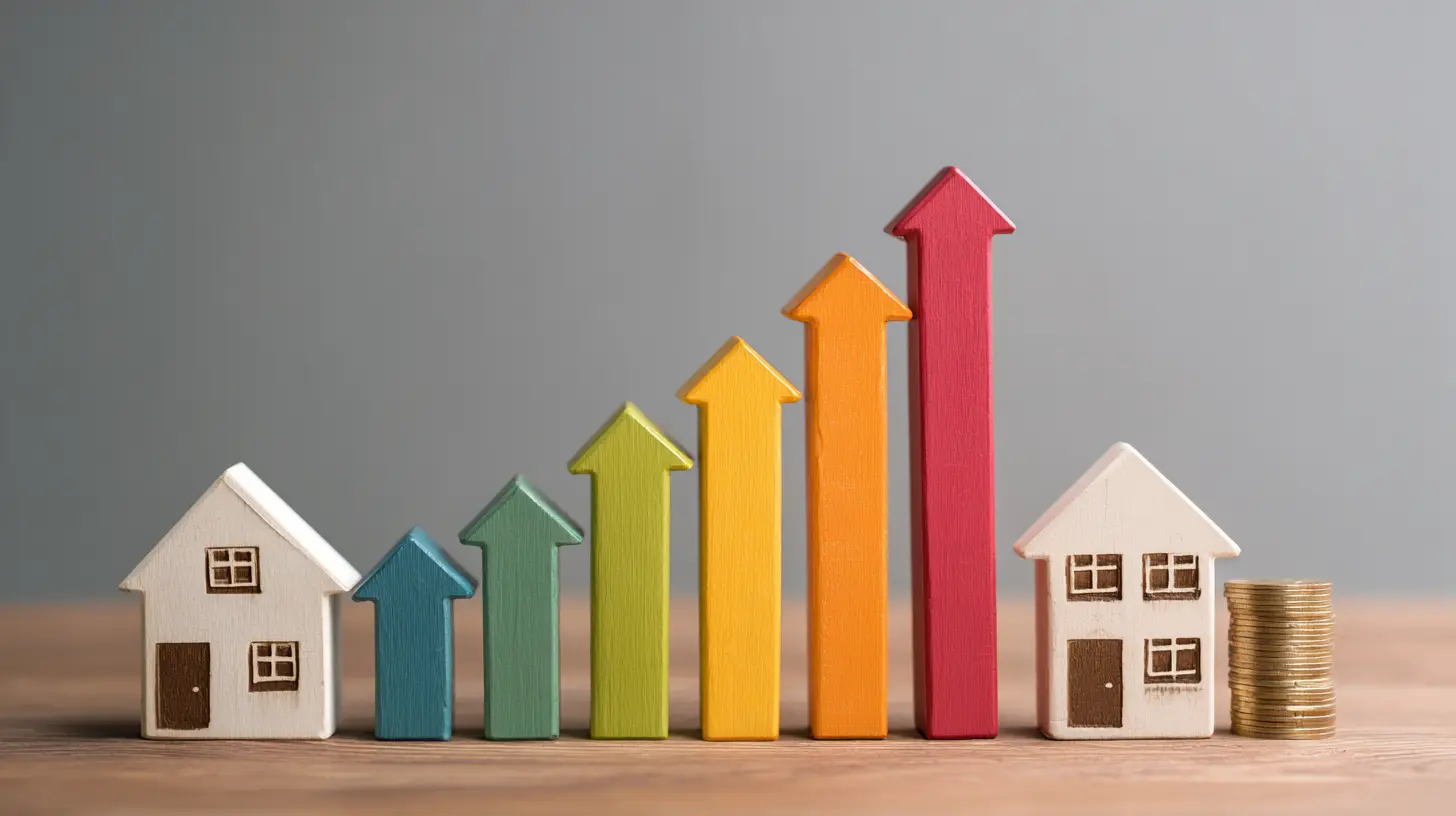
How to Prepare for 2027: Your Action Plan
Okay, enough doom and gloom. Let’s talk solutions. You’re not a passive passenger on this train—you can steer. Here’s your step-by-step guide to getting ready for 2027.Step 1: Fix Your Credit Score (Like, Yesterday)
Your credit score is the key to the castle. A 760+ score gets you the best rates, which saves you tens of thousands over the life of a loan. If your score is below 700, you’re leaving money on the table.What to do: Pay down credit card balances. Don’t open new accounts. Dispute errors on your credit report. Automate your payments so you never miss a due date. Aim for 760 by 2025, and you’ll be golden.
Step 2: Build a War Chest (Down Payment + Cushion)
You don’t need 20% down—FHA loans let you in with 3.5%, and conventional loans with 5%. But you do need cash for closing costs, inspections, and an emergency fund. A home is a money pit; the roof will leak, the furnace will die, and the water heater will give up on a Tuesday.What to do: Save aggressively. Cut subscriptions, cook at home, and side-hustle like your future depends on it. Aim for a 10% down payment plus 3 months of mortgage payments in savings. By 2027, you’ll have a safety net that lets you buy with confidence.
Step 3: Get Pre-Approved (Not Pre-Qualified)
Pre-qualification is a handshake; pre-approval is a background check. A pre-approval letter from a lender shows sellers you’re serious and have the financial muscle to close. In a competitive market, it’s your ticket to the table.What to do: Shop around for lenders. Compare rates, fees, and closing costs. Get pre-approved now—even if you’re not buying until 2027. It gives you a clear budget and lets you lock in a rate if rates drop.
Step 4: Know Your Market (And Be Flexible)
Real estate is hyper-local. What’s happening in Austin is different from Cleveland. You can’t just look at national headlines; you need to understand your specific city, neighborhood, and even street.What to do: Use tools like Redfin, Zillow, and local MLS data to track sales trends. Drive through neighborhoods. Talk to local agents. And be flexible: maybe you can’t afford the trendy neighborhood, but the one 15 minutes away has better value. Don’t fall in love with a zip code; fall in love with a house that fits your life.
Step 5: Lock in Your Income (And Make It Grow)
Lenders care about stability. If you’ve been hopping jobs or working gig economy, they’ll view you as a risk. A steady W-2 job with two years of history is gold.What to do: If you can, stay in your current job until you close. Or, if you’re self-employed, keep meticulous tax records and show consistent income. Also, boost your income—ask for a raise, get a certification, or start a side hustle. More income means a bigger loan approval and more buying power.
Step 6: Consider Alternative Strategies (Don’t Be a Purist)
You don’t have to buy a single-family home. Think outside the box:- Townhomes and condos: Cheaper, less maintenance, and often in better locations.
- Fixer-uppers: Buy a property that needs work, get a renovation loan (like an FHA 203k), and build equity with sweat equity.
- Co-buying: Buy with a friend or family member. It’s tricky, but it can slash costs.
- Rent-to-own: Risky, but it locks in a price and gives you time to build credit.
Step 7: Prepare for Higher Rates (Embrace the Math)
If rates are 6% in 2027, don’t panic. That’s historically normal. In the 1980s, rates were 18% and people still bought homes. The trick is to make the math work: buy a cheaper house, put more down, or get a longer loan term (30-year fixed is still the safest).What to do: Use an online mortgage calculator to stress-test different scenarios. If rates hit 7%, can you still afford the payment? If not, adjust your budget or save a bigger down payment. The goal is to buy a home you can afford, not a home that owns you.

The Big Picture: Why You Shouldn’t Wait Forever
Here’s the honest truth: waiting for a crash is a gamble. Sure, prices might dip 5% in a recession, but they’ll also bounce back. Historically, home prices double every 10 to 15 years. If you wait 5 years, you’ll likely pay more—not less.Think of it like planting a tree. The best time to buy was 10 years ago. The second best time is now. You don’t need perfect timing; you need good timing and a solid plan. By preparing for 2027, you’re not just hoping for the best—you’re building a financial fortress that can weather any storm.
Final Thoughts: You’ve Got This
Look, the housing market is messy, complicated, and sometimes infuriating. But it’s not impossible. The people who succeed aren’t the ones with the most money; they’re the ones with the most preparation. They fix their credit, save diligently, and make smart moves when the opportunity arises.So, start today. Check your credit score. Open a savings account. Talk to a lender. The clock is ticking, and 2027 will be here before you know it. Don’t be the person looking back in five years, wondering what could have been. Be the person who’s already holding the keys.
all images in this post were generated using AI tools
Category:
Rising Home PricesAuthor:

Vincent Clayton
Discussion
rate this article
2 comments
Oliver McKay
This article offers valuable insights into the factors influencing home prices. I appreciate the practical tips for preparation. With the housing market constantly evolving, staying informed is essential for anyone looking to make a wise investment in the coming years.
May 7, 2026 at 12:51 PM
Vincent Clayton
Thank you for your feedback! I'm glad you found the insights and tips helpful. Staying informed is key in today's market.
Lira Whitaker
This article offers intriguing insights into the factors influencing home prices and provides valuable tips for future buyers. I'm particularly curious about the role of emerging technologies and sustainable practices in real estate. How do you see these trends shaping the housing market by 2027?
April 27, 2026 at 4:21 AM
Vincent Clayton
Thank you for your comment! By 2027, emerging technologies and sustainable practices are likely to enhance energy efficiency, reduce costs, and attract eco-conscious buyers, ultimately driving home prices higher and reshaping market demand.