How Senior Citizens Can Access Affordable Housing Options
9 January 2026
Aging comes with its own set of challenges, and one of the biggest is finding affordable, safe, and comfortable housing. As living costs continue to rise, many seniors find themselves wondering if they’ll be able to afford a decent place to live in their golden years. The good news? There are several housing options available specifically for senior citizens that won't break the bank.
Whether you're a senior yourself or you’re looking for housing options for a loved one, this guide will walk you through practical, affordable solutions. Let’s dive in! 
Why Affordable Housing for Seniors Matters
Retirement often means living on a fixed income, and that can make paying rent or a mortgage a real struggle. Many seniors rely on Social Security, pensions, or savings that may not stretch as far as they used to. Meanwhile, healthcare costs continue to rise, making it even more crucial to find affordable housing options.Beyond finances, having a secure and comfortable place to live is essential for maintaining independence, dignity, and overall well-being. The right housing can make all the difference in quality of life. 
Affordable Housing Options for Seniors
If you're worried about high living expenses, there are several programs and housing types designed to ease the burden for senior citizens.1. Government-Assisted Housing Programs
The government offers several programs that help seniors afford housing. Here are the most common ones:HUD’s Section 202 Supportive Housing for the Elderly
This program provides low-income seniors with affordable housing and access to supportive services like cleaning, transportation, and meal programs. The best part? The rent is income-based, meaning you’ll only pay what you can afford.Housing Choice Voucher Program (Section 8)
This program helps low-income seniors pay rent in privately owned homes or apartments. If you qualify, you’ll receive a voucher that covers a significant portion of your rent, making it much easier to afford a place to live.Low-Income Housing Tax Credit (LIHTC)
Though not specifically for seniors, LIHTC properties offer reduced rent for those who qualify. These apartments must meet affordability requirements, making them a great option for seniors on a budget.2. Senior Living Communities on a Budget
If you prefer a community designed for seniors, there are affordable options that provide more than just a place to live.Independent Living Communities
These are perfect for active seniors who want to downsize but still live independently. Many offer services like housekeeping, transportation, and social activities, all at a reasonable price.Continuing Care Retirement Communities (CCRCs)
These communities offer different levels of care, from independent living to full-time nursing care. While some CCRCs have expensive upfront fees, there are also nonprofit and subsidized options that make them more affordable.Co-Housing and Shared Living Arrangements
Think of this like the “Golden Girls” approach—seniors sharing a house, splitting expenses, and providing companionship. This can significantly cut down on housing costs while offering a strong sense of community.3. Home-Sharing and Renting Out a Room
For seniors who own a home but struggle to afford maintenance costs, renting out a spare room can be a great way to bring in extra income. There are even programs that match seniors with renters, ensuring safety and compatibility.Organizations like Silvernest connect seniors with compatible housemates, offering financial relief and companionship.
4. Reverse Mortgages: A Smart Move or a Risk?
A reverse mortgage allows homeowners aged 62 and older to convert home equity into cash, which can be used to cover living expenses. While this can provide immediate financial relief, it’s not always the best option.Pros:
- No monthly mortgage payments
- Frees up cash to cover expenses
- Can allow seniors to stay in their homes longer
Cons:
- Fees and interest can add up
- Reduces the value of your estate
- Could lead to foreclosure if taxes and insurance aren’t paid
Before taking this route, consulting a financial advisor is a must.
5. Nonprofit and Charity Housing Assistance
Many nonprofit organizations offer financial assistance and housing programs specifically for seniors.Some great organizations to check out include:
- Habitat for Humanity (offers affordable senior housing and home repairs)
- Volunteers of America (provides housing and support services)
- The National Church Residences (offers affordable senior housing across the U.S.)
These organizations aim to help seniors find stable homes without sky-high costs. 
Steps to Apply for Affordable Senior Housing
Now that we’ve covered the options, how do you actually apply for these programs?1. Check Your Eligibility
Most senior housing programs have income and age requirements. Before applying, check the qualifications for each program you're interested in.2. Gather Necessary Documents
Be prepared to provide:✔ Proof of income (Social Security, pension, etc.)
✔ Identification (Driver’s license, birth certificate)
✔ Bank statements
✔ Rental history (if applicable)
3. Apply Early
Affordable senior housing programs often have long waitlists, so it's best to apply as soon as possible.4. Seek Local Help
Housing counselors and local senior organizations can help you navigate applications and find available programs in your area.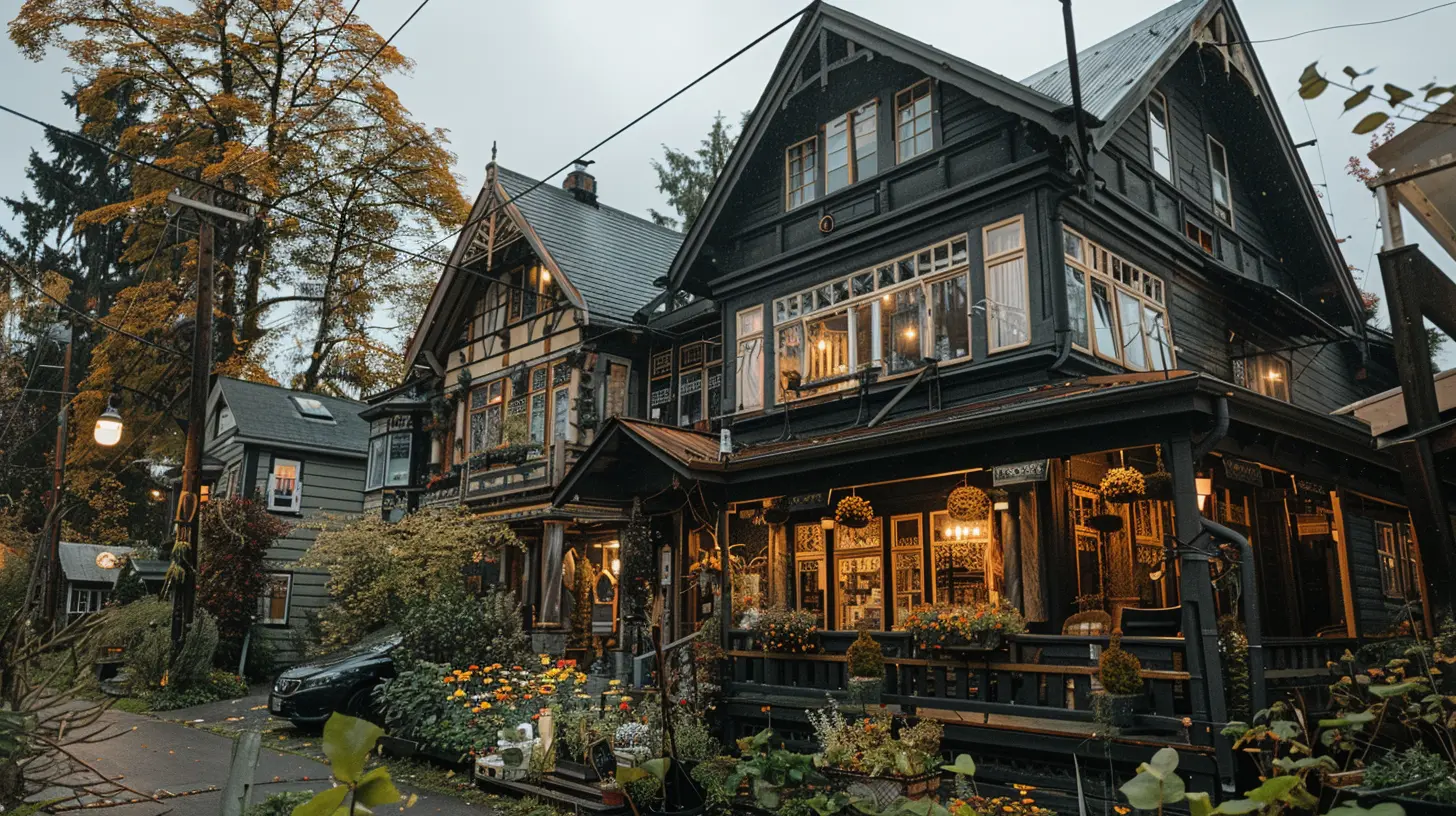
Final Thoughts
Finding affordable housing as a senior doesn’t have to be an uphill battle. With government programs, senior living communities, shared housing opportunities, and nonprofit assistance, there are plenty of options out there.The key is to start planning early, explore different programs, and take advantage of resources available to you. Everyone deserves a safe, comfortable, and affordable home, no matter their age.
If you or a loved one is searching for budget-friendly senior housing, don’t wait—start exploring these options today. Your perfect home could be just around the corner!
all images in this post were generated using AI tools
Category:
Affordable HousingAuthor:

Vincent Clayton
Discussion
rate this article
2 comments
Zarenith Carey
In golden years, where dreams reside, Affordable doors swing wide, With hope and heart, the search begins, A cherished home for life's sweet wins.
January 25, 2026 at 11:49 AM
Vincent Clayton
Thank you for your poetic reflection! It beautifully captures the essence of hope and the journey toward finding affordable housing for seniors.
Sage Coffey
This article raises vital points about affordable housing for seniors! I'm curious about specific programs or resources that might be overlooked. What innovative solutions are communities implementing to support our aging population?
January 15, 2026 at 3:35 AM
Vincent Clayton
Thank you for your interest! Many communities are exploring innovative solutions like co-housing models, mixed-income developments, and partnerships with non-profits to create affordable senior housing. Additionally, programs that provide financial assistance and zoning reforms to allow for more accessible living options are gaining traction.