Understanding Your Water Heater: Maintenance Tips for Longevity
20 June 2026
Let’s be honest—most of us don’t give our water heaters a second thought… until we're hit with a freezing cold shower. It's one of those "out of sight, out of mind" appliances that quietly works behind the scenes to make our lives comfortable. But if you want to avoid costly repairs or early replacements, it’s time to show your water heater some love.
In this guide, we’re going to break down everything you need to know: what your water heater actually does, the maintenance it craves, and how to squeeze every last drop of life out of it. Whether you're a homeowner or just someone who likes hot showers (so, basically all of us), this is for you.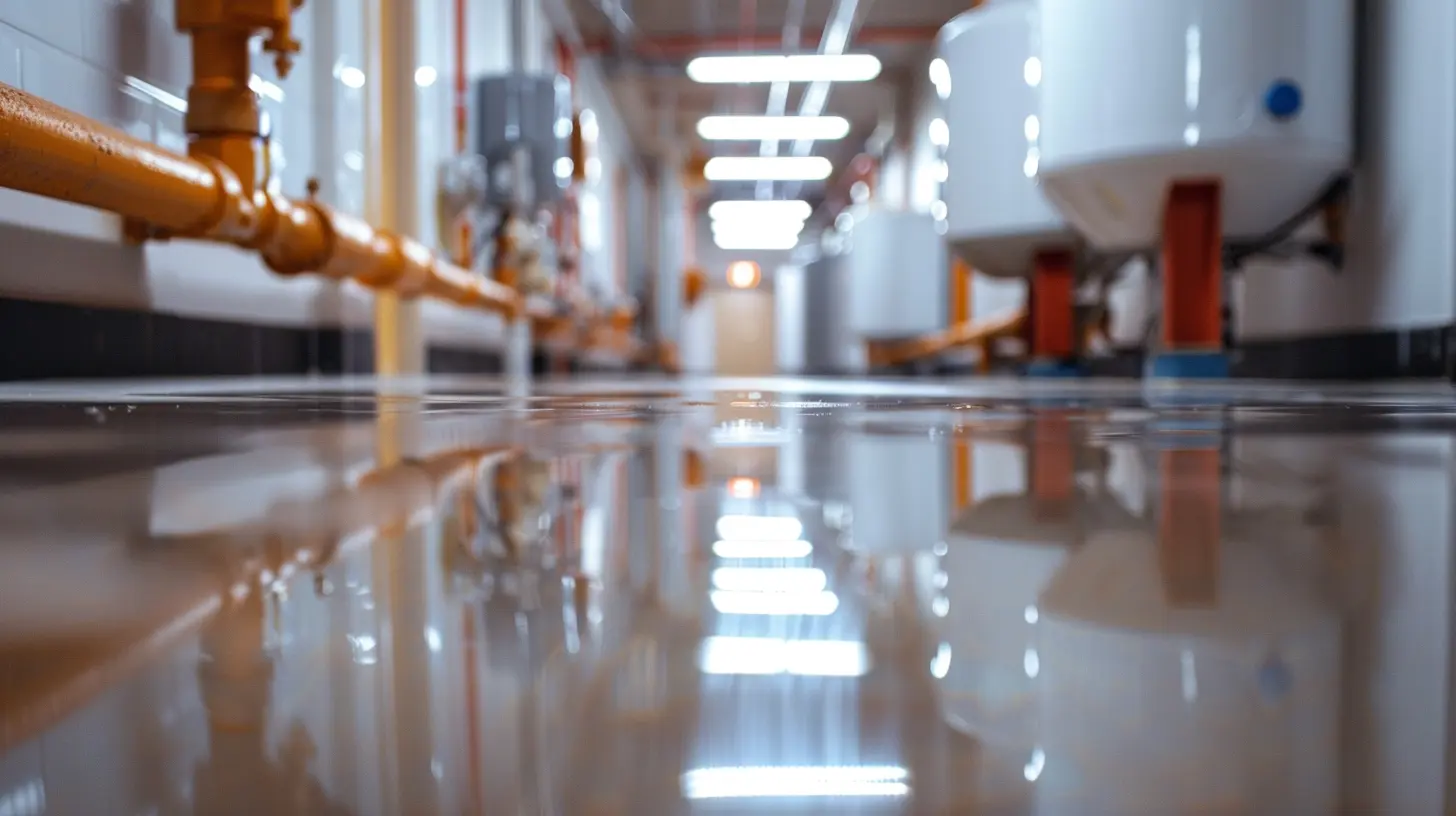
What Your Water Heater Actually Does (And Why You Should Care)
Let’s start with the basics. Your water heater is that tank sitting in your basement, garage, or utility closet, quietly heating water for your showers, dishwasher, washing machine, and sinks.There are a few types:
- Tank water heaters (the traditional kind with a big cylinder)
- Tankless water heaters (heat water only when you need it)
- Hybrid models (more efficient, combine both technologies)
Regardless of the kind you have, they all have the same goal: give you hot water when you need it.
But here’s the catch—these machines need your help to run efficiently and last longer. If you ignore it, you’re not just risking cold showers, you could be flushing hundreds or even thousands of dollars down the drain on repairs or replacements.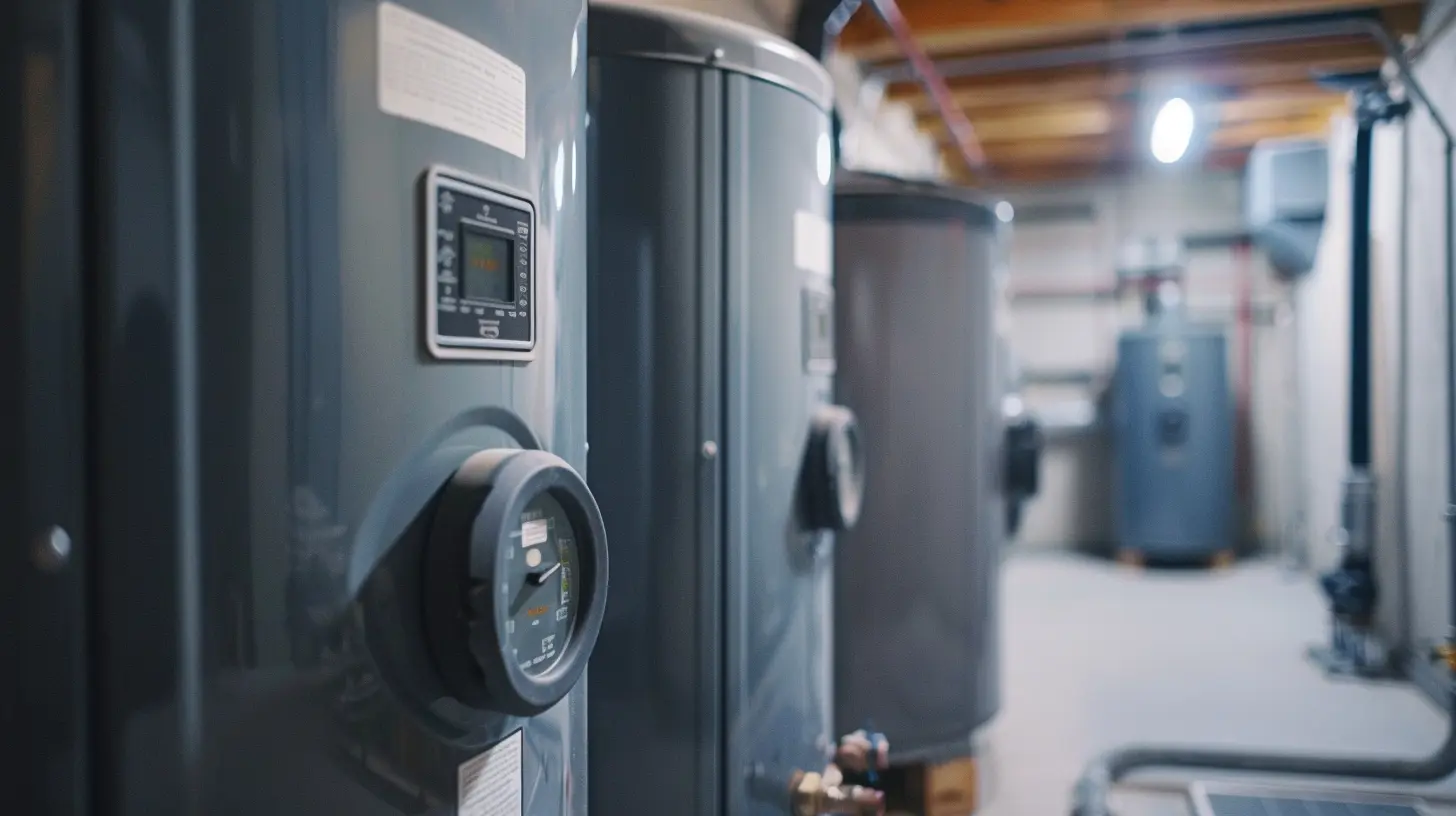
Why Water Heater Maintenance Is Non-Negotiable
Think of your water heater like your car. Would you drive 100,000 miles without changing the oil? Of course not. So why treat your water heater any differently?Routine maintenance means:
- Lower energy bills
- More consistent hot water
- Fewer breakdowns
- A longer lifespan (10–15 years or more!)
Skipping maintenance is like playing roulette with your plumbing. And when a water heater fails? It can leak, flood, or stop heating altogether—none of which are fun surprises.
How Often Should You Maintain Your Water Heater?
Great question. For most standard tank water heaters, you should:- Flush the tank once a year
- Check the anode rod every 2–3 years
- Inspect annually for leaks, rust, or sediment
- Replace parts before they fail
Tankless systems need less maintenance, but a yearly inspection is still a good idea, especially to descale calcium buildup.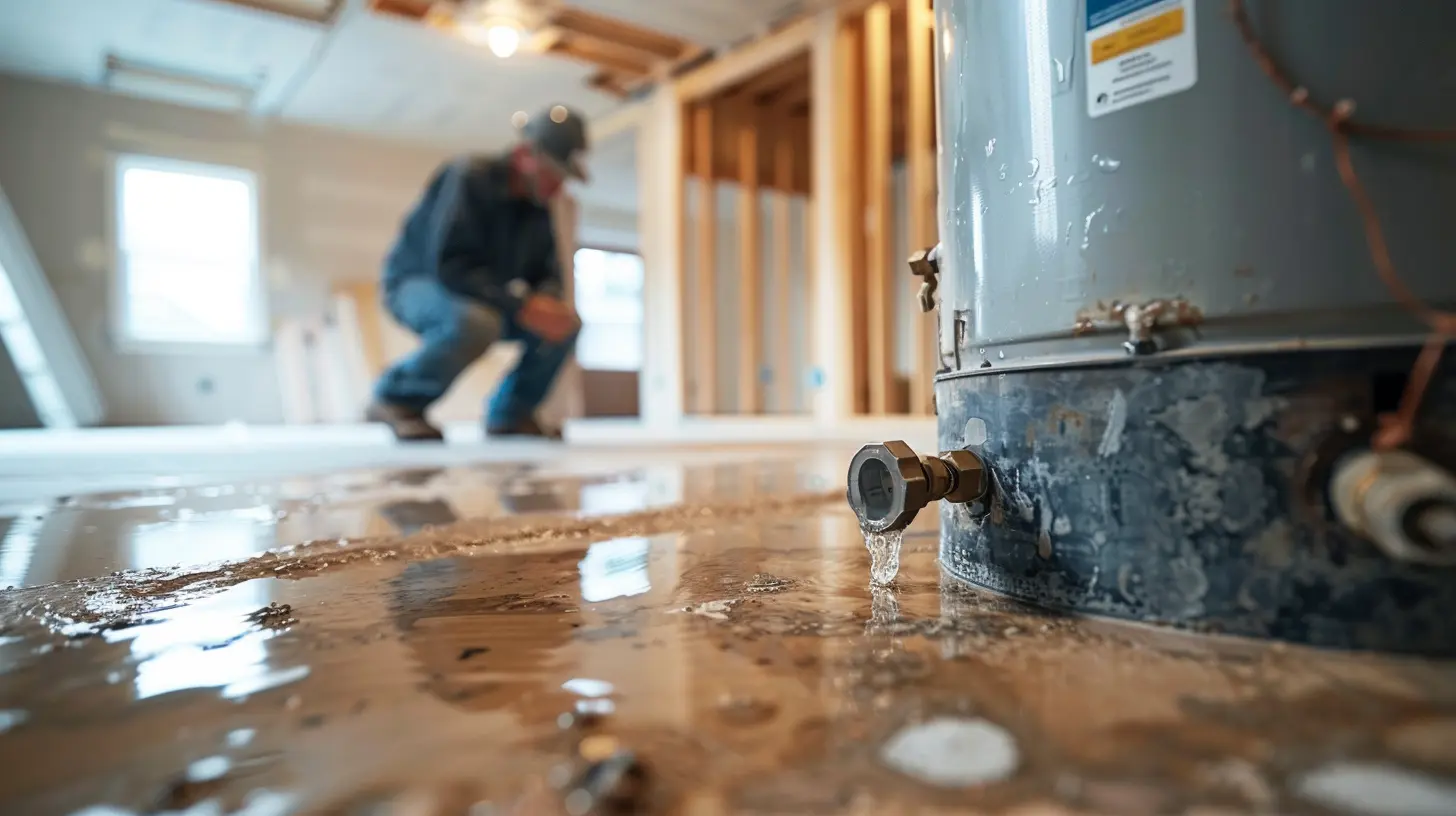
DIY Water Heater Maintenance Tips for Every Homeowner
Alright, now let’s get hands-on. You don’t have to be a plumber to keep your water heater in tip-top shape. Here are simple steps you can take to keep it running like new.1. Flush the Tank Annually
Over time, sediment (like minerals and sand) builds up in the tank. This gunk makes your heater work harder, costing you more in energy bills and wearing out the parts faster.How to do it:
1. Turn off the heater (gas or electric).2. Shut off the cold water supply to the tank.
3. Hook a garden hose to the drain valve at the bottom.
4. Run the hose outside or into a nearby floor drain.
5. Open the valve and let it drain completely.
6. Turn the cold water back on to flush remaining sediment.
7. Close the valve, remove the hose, and refill the tank.
This simple step can dramatically extend your water heater’s life—and your wallet will thank you.
2. Test the Temperature and Pressure Relief Valve (TPR Valve)
This little valve is a safety feature that opens up if pressure gets too high—think of it as your heater’s version of a pressure cooker release.Here’s how to check it:
- Place a bucket under the discharge pipe connected to the TPR valve.- Gently lift the valve's lever and let it snap back.
- You should hear a slight rush of air or see some water discharge.
- If nothing happens, it's time to replace the valve.
Ignoring a faulty TPR valve is playing with fire (or water, in this case).
3. Inspect the Anode Rod (Don't Skip This!)
The anode rod is like a sacrificial bodyguard—it rusts so your tank doesn’t. But once it’s fully corroded, your tank becomes the next target.To check it:
- Turn off the water and power.- Unscrew the anode rod from the top of the heater using a socket wrench.
- If it’s covered in calcium or less than ½ inch thick, replace it.
An anode rod replacement is cheap insurance compared to a full tank replacement.
4. Adjust the Thermostat
Sometimes, dialing things down just a little can save energy and keep your tank healthy.- Set your water heater to 120°F (49°C)
- It’s hot enough for daily use and slows mineral buildup
- Plus, you’ll save up to 5% in energy costs for every 10 degrees you lower it
5. Look (and Listen) for Warning Signs
Some issues don’t need a plumbing degree to spot. Pay attention to these signs:- A banging, popping sound? That’s sediment hard at work.
- Rusty water? Could mean corrosion inside the tank.
- Puddle under the heater? Time to call a pro—there might be a leak.
Your water heater will tell you when something’s wrong, you just have to listen.
Special Considerations for Tankless Water Heaters
Tankless units are great for energy efficiency, but they’re not totally maintenance-free.Here’s what to do:
- Flush the system annually using a vinegar solution or a descaling kit (especially in hard water areas)
- Clean intake filters
- Check for error codes in the digital display
These steps keep your heater from clogging up and ensure it stays energy-efficient.
When to Call in the Pros
Look, we’re all for DIY, but sometimes you have to call in the cavalry. If you:- Smell gas (on a gas unit)
- Notice puddles or heavy leaks
- Hear loud, unfamiliar noises
- Can’t seem to get hot water consistently
Then it's time to let a licensed plumber take over. An annual professional inspection is also a wise move—even if nothing seems wrong. Think of it as a wellness checkup for your water heater.
Tips to Maximize the Lifespan Beyond Maintenance
Want your water heater to outlive your car? Here are some bonus tips:1. Install a Water Softener
Got hard water? It’s brutal on your heater. A water softener reduces mineral buildup and makes everything from dishes to skin feel better.2. Use a Thermal Expansion Tank
For closed water systems, installing an expansion tank reduces pressure buildup, which in turn reduces wear and tear.3. Insulate the Tank and Pipes
Wrap your tank in an insulation blanket (yes, it’s a thing) and insulate hot water pipes. You’ll reduce heat loss and help the system work less.4. Replace Before It Dies
If your unit is over 10 years old and struggling to keep up? Don't wait for a disaster. Replacing it on your schedule beats replacing it in an emergency.The Bottom Line: Treat Your Water Heater Like an Investment
Your water heater might not be glamorous, but it’s one of the hardest working appliances in your home. With just a little attention once or twice a year, you can avoid cold showers, high bills, and surprise floods.So, roll up your sleeves. Check your heater. Drain some sediment. Show it some love. It’s a small effort for a huge return.
And hey, the next time someone complains about their cold shower horror story, you’ll be the pro who knows their anode rod from their TPR valve.
all images in this post were generated using AI tools
Category:
Property MaintenanceAuthor:

Vincent Clayton
Discussion
rate this article
1 comments
Ellie Benson
In the heart of your home, warmth flows with care. A tender touch to your water heater grants comfort and longevity, ensuring its gentle embrace endures the years.
June 21, 2026 at 3:52 AM