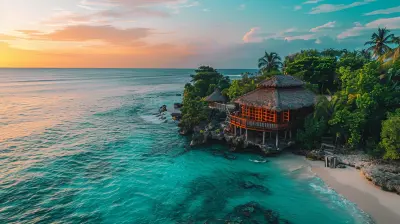
Things to Consider When Building a Home in Rural Areas
16 March 2026
Building a home in a rural area can be a dream come true—peaceful surroundings, wide-open spaces, and a slower pace of life. However, it also comes with a unique set of challenges that you wouldn’t typically face in urban or suburban developments. From infrastructure limitations to zoning laws, planning carefully is crucial to avoid unexpected headaches down the road.
So, before you start designing your countryside retreat, here are some key things to consider when building a home in rural areas.
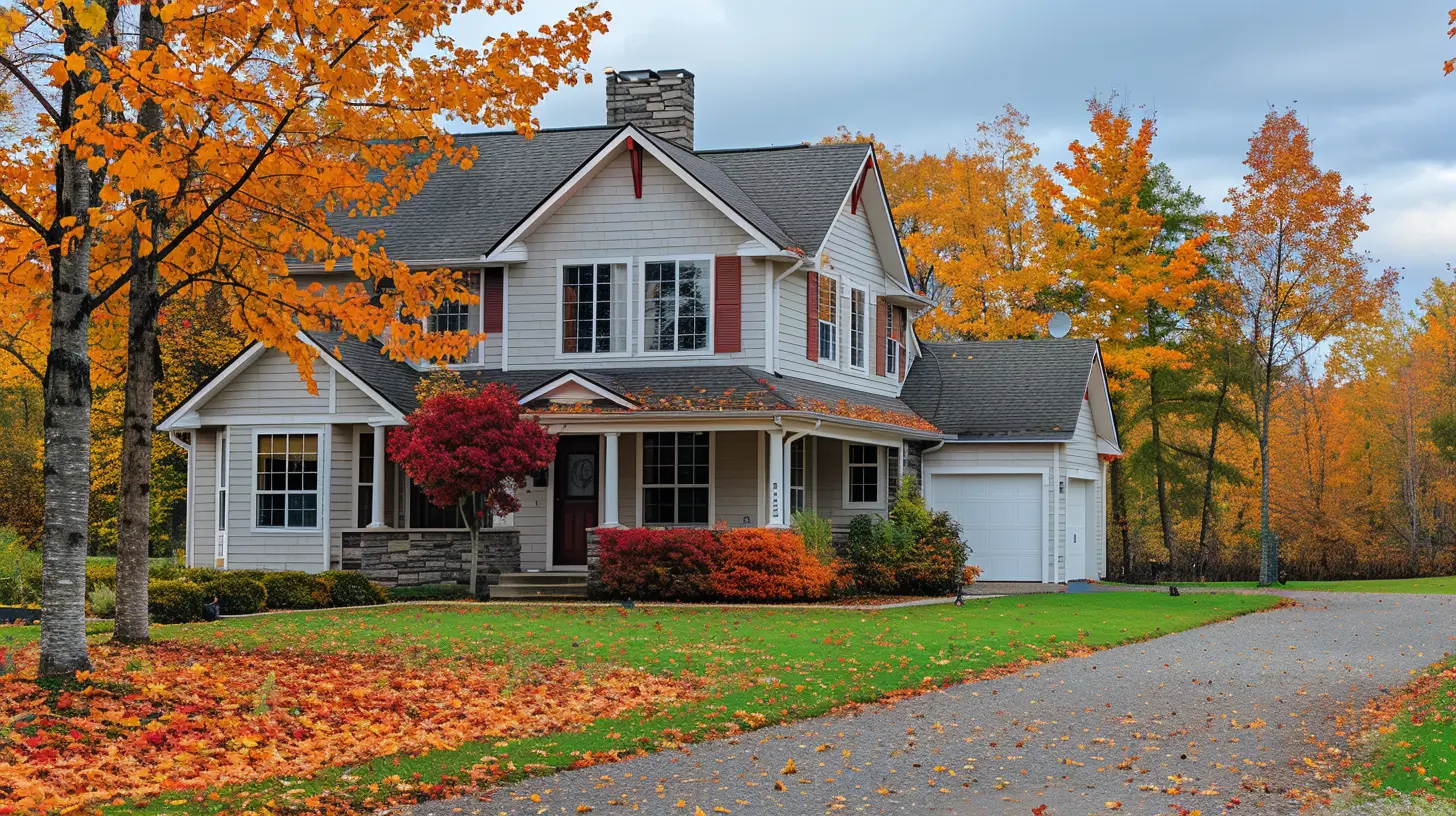
1. Availability of Utilities
One of the biggest differences between urban and rural living is access to utilities. In the city, you’re automatically connected to water, electricity, and sewage systems. However, in rural areas, these essential services may not be available—or may require significant investment to install.Water Supply
Does the property have access to a public water system, or will you need a well? Drilling a well can be costly, and you’ll need to ensure the groundwater is clean and reliable. Additionally, consider water treatment solutions if you're dealing with hard or contaminated water.Electricity and Internet Connection
Electricity might not be readily available, and running power lines to a remote location can be expensive. Some homeowners opt for solar panels or generators as alternative power sources. Additionally, rural internet services can be slow or unreliable—something to think about if you work from home or rely on streaming services.Sewage and Waste Management
Most rural properties rely on septic systems rather than city sewer connections. You'll need to install a properly designed system and ensure it meets local environmental and health regulations. Regular maintenance is also a must to prevent potential (and very unpleasant) problems in the future.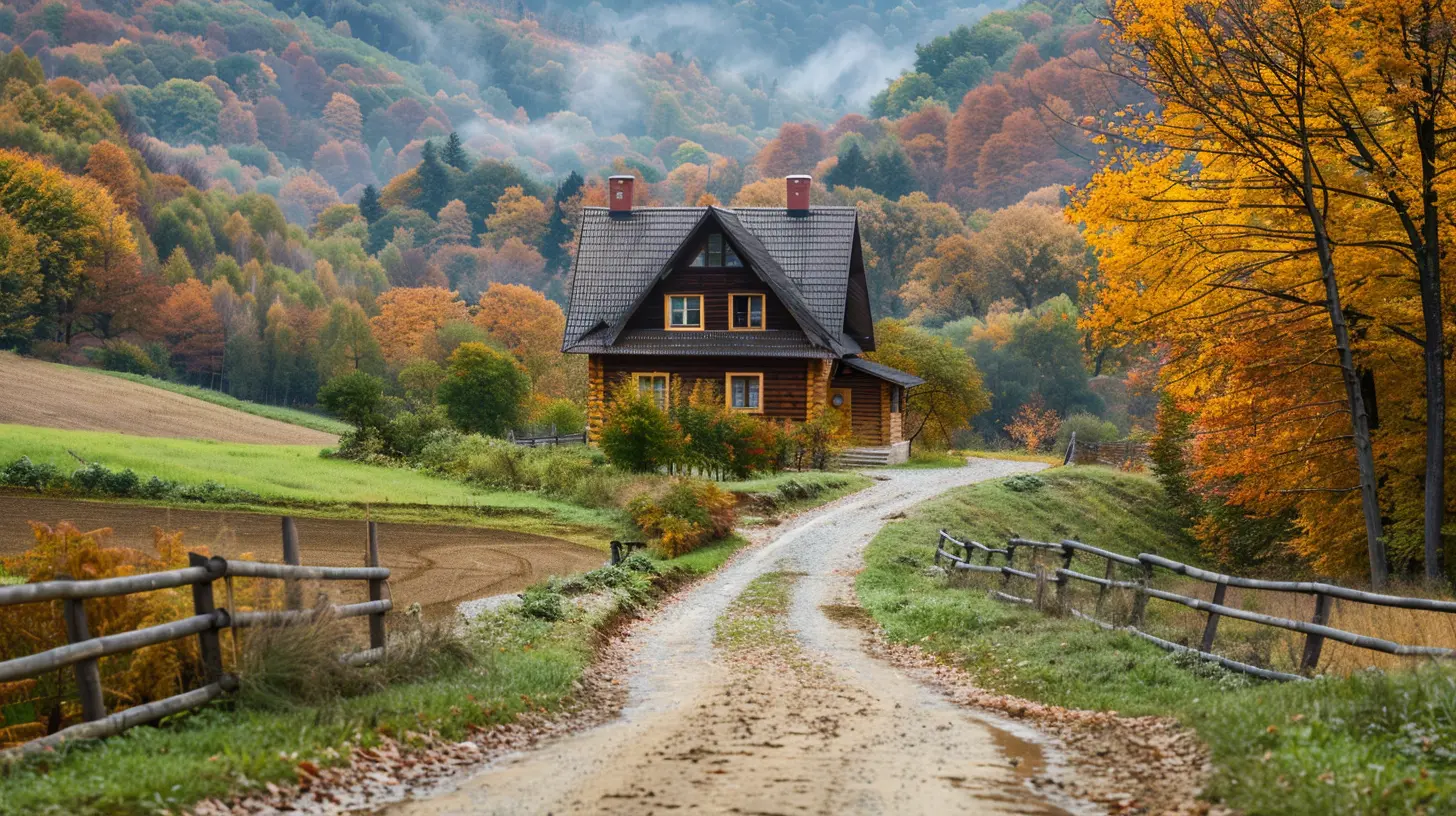
2. Road Access and Maintenance
Getting to and from your rural home might not be as simple as driving down a well-paved street. Some rural properties are only accessible via dirt or gravel roads, which can become impassable in heavy rains or snow.Who Maintains the Roads?
Find out if the roads leading to your property are maintained by the county or if they’re private roads. If they’re private, you and your neighbors may be responsible for maintenance costs, including grading, plowing, and repairs.Emergency Access
Think about emergency vehicles—fire trucks, ambulances, and police. Can they reach your property quickly if needed? If your home is too secluded, response times may be significantly longer.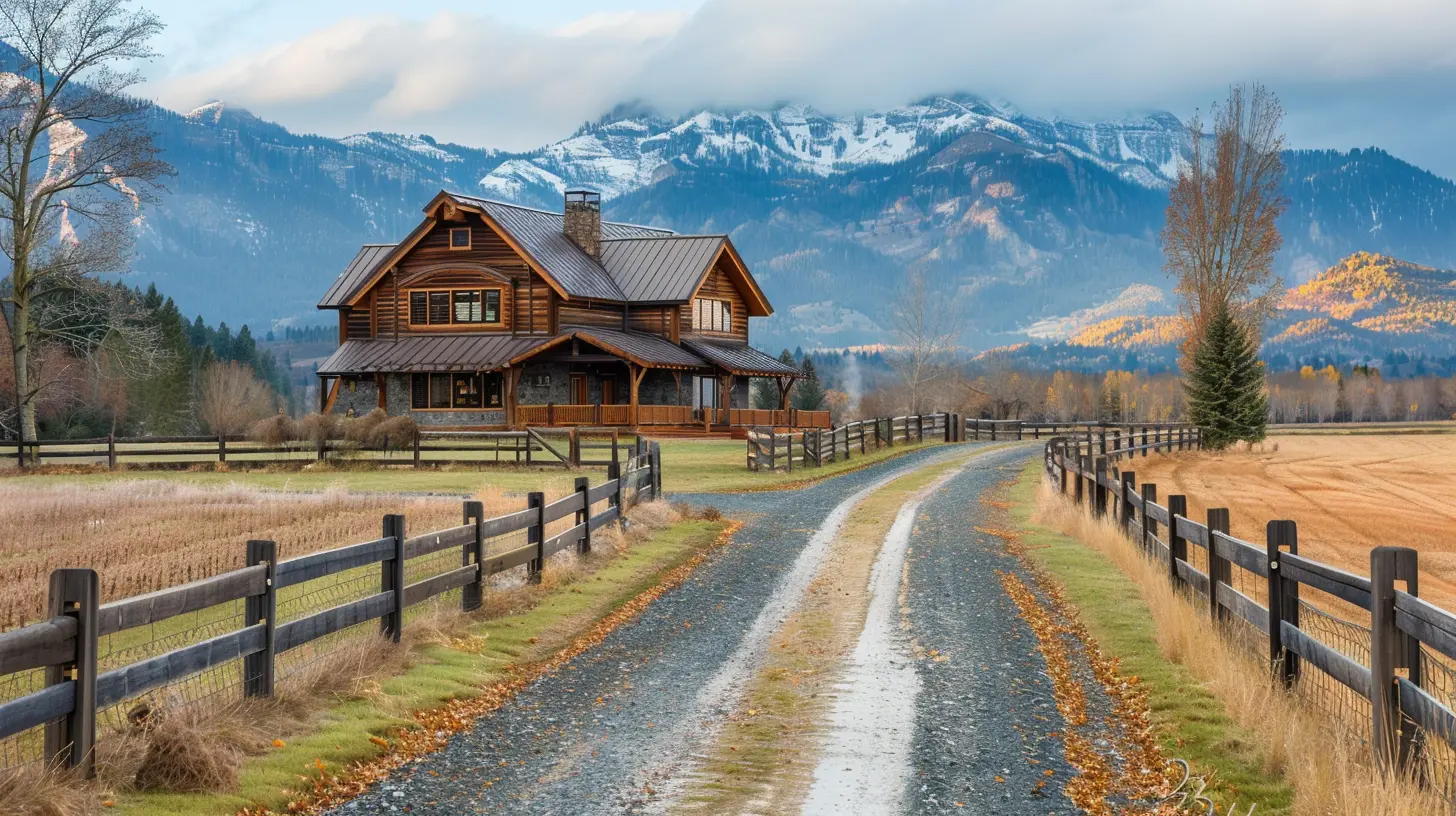
3. Zoning Laws and Building Codes
Before purchasing land, check the local zoning laws and building regulations. Rural areas often have fewer restrictions than urban neighborhoods, but that doesn’t mean you can build whatever you want.Permits and Restrictions
Even in the countryside, you’ll need permits for construction, wells, septic systems, and any outbuildings like barns or guest houses. Make sure you know what’s allowed before making any big plans.Environmental Considerations
Some areas have restrictions on land use due to environmental protection laws. Flood zones, endangered species habitats, or protected wetlands can all impact your ability to build. Do your homework to avoid potential legal issues.
4. Cost of Materials and Labor
You might assume that building a home in a rural area is cheaper than in the city, but that's not always the case. The cost of materials and labor can be higher due to transportation and availability.Limited Contractor Options
In many rural areas, experienced contractors and skilled laborers may be scarce. This can lead to higher costs and longer construction timelines. Research local builders and try to get multiple quotes before making a decision.Material Delivery Challenges
If you’re building in a remote area, consider how construction materials will be delivered. Transportation costs can add up quickly, and some larger trucks may not even be able to reach your property if the roads aren’t suitable.5. Climate and Weather Conditions
Rural areas can experience extreme weather conditions, from heavy snowfall and intense heat to severe storms. Building your home to withstand the local climate is essential for long-term comfort and durability.Flooding and Drainage
Check the land’s elevation and drainage patterns before building. If your property is in a low-lying area, heavy rains could lead to flooding. Proper grading, drainage ditches, and a well-placed foundation can help prevent water damage.Wildfires and Storms
Some rural locations are more prone to wildfires, tornadoes, or hurricanes. If you’re in a high-risk area, consider fire-resistant building materials, stormproof windows, and reinforced structures to protect your home.
6. Property Size and Maintenance
One of the biggest perks of rural living is having a large plot of land. But keep in mind—more land means more maintenance.Managing Land and Landscaping
Will you be maintaining acres of grass, trees, or farmland? If so, investing in the right equipment, like tractors or riding mowers, might be necessary. Also, depending on your plans, you may need fencing, irrigation systems, or even permits for livestock.Security and Boundaries
Since rural areas are more secluded, security can be a concern. Gates, security cameras, and good relationships with neighbors can help improve safety. Clearly marking your property lines is also important to prevent disputes with neighboring landowners.7. Community and Lifestyle Adjustments
Before making the move to a rural area, think about your daily lifestyle. Rural living comes with many benefits, but it can also be isolating if you’re not used to it.Distance to Shops and Services
How far is the nearest grocery store, gas station, or hospital? A quick trip for essentials in the city might turn into a long drive when you live in the countryside. Stocking up on supplies and planning ahead becomes a way of life.Entertainment and Social Life
If you enjoy dining out, going to the gym, or attending social events regularly, rural living may require some adjustments. While it offers peace and quiet, it might also mean fewer social opportunities unless you get involved in local community events.Work and Commute Considerations
If you work remotely, make sure your internet connection is reliable. If you have to commute, factor in the time, road conditions, and fuel costs. A beautiful rural home might not feel so ideal if you're spending hours on the road every day.
Final Thoughts
Building a home in a rural area can be an incredibly rewarding experience, offering tranquility, space, and a deeper connection to nature. However, it requires thorough planning and preparation to ensure a smooth transition to countryside living.From securing essential utilities to understanding zoning laws, road access, and lifestyle adjustments, taking these factors into account will help you create a comfortable and functional home. With the right approach, your dream of rural living can become a reality—without the unexpected surprises!
all images in this post were generated using AI tools
Category:
Rural PropertiesAuthor:

Vincent Clayton
Discussion
rate this article
2 comments
Arlo McClintock
Building a home in rural areas offers unique opportunities and challenges. Consider access to utilities, local regulations, land stability, and community resources to ensure a successful project.
March 24, 2026 at 5:00 AM
Vincent Clayton
Thanks for your insights! Those factors are crucial for making informed decisions in rural home building.
Daria Powell
When building in rural areas, consider infrastructure access, zoning regulations, environmental impact, utility availability, and proximity to essential services for sustainable living.
March 17, 2026 at 4:10 AM
Vincent Clayton
Thank you for highlighting these crucial factors! Considering infrastructure, regulations, and services is essential for ensuring sustainable living in rural areas.