The Role of Reverse Mortgages in Financial Planning
24 June 2026
So, you’ve spent decades working hard, paying bills, and socking away a little cash for retirement. Now, as you enter your golden years, you’re left wondering: “Did I save enough? How do I make my money last?” Well, my friend, that’s where a reverse mortgage might just become your new best financial friend.
Before you roll your eyes and think, “Is this another scammy finance trick?”—stick with me. A reverse mortgage isn’t some shady deal. It’s a legitimate financial tool that can give retirees more flexibility in managing their cash flow. Let’s break it down together.

What Is a Reverse Mortgage, Really?
Alright, let’s keep this simple. A reverse mortgage is like a normal mortgage…but in reverse (shocker, right?). Instead of you making payments to the bank, the bank pays you—either in monthly payments, a lump sum, or a line of credit. And the best part? You don’t have to pay them back until you sell the house, move out permanently, or pass away.Think of it like a slow-motion sale of your home. You’re essentially borrowing against your home equity while still living in it. It’s like eating your cake and still having most of it left on the plate.

Who Can Benefit from a Reverse Mortgage?
Reverse mortgages aren’t for everyone, but for the right person, they can be a game-changer. Here’s who might find them useful:1. Retirees Short on Cash Flow
If your monthly retirement income is a little…uh, underwhelming, a reverse mortgage can fill in the gaps. Instead of pinching pennies, you can use your home equity like a refillable piggy bank.2. Homeowners Who Want to Avoid Selling Their Home
Love your house? Hate the idea of downsizing? Reverse mortgages let you stay put while still tapping into the value of your home. No need to pack up and move to an apartment with suspiciously thin walls.3. Folks Without Heirs or Those Who Don’t Mind Using Their Home Equity
If passing your house down to your kids isn’t a primary concern (or they’ve already said they don’t want your ‘70s-era floral wallpaper), a reverse mortgage can help you enjoy your wealth now instead of just leaving it behind.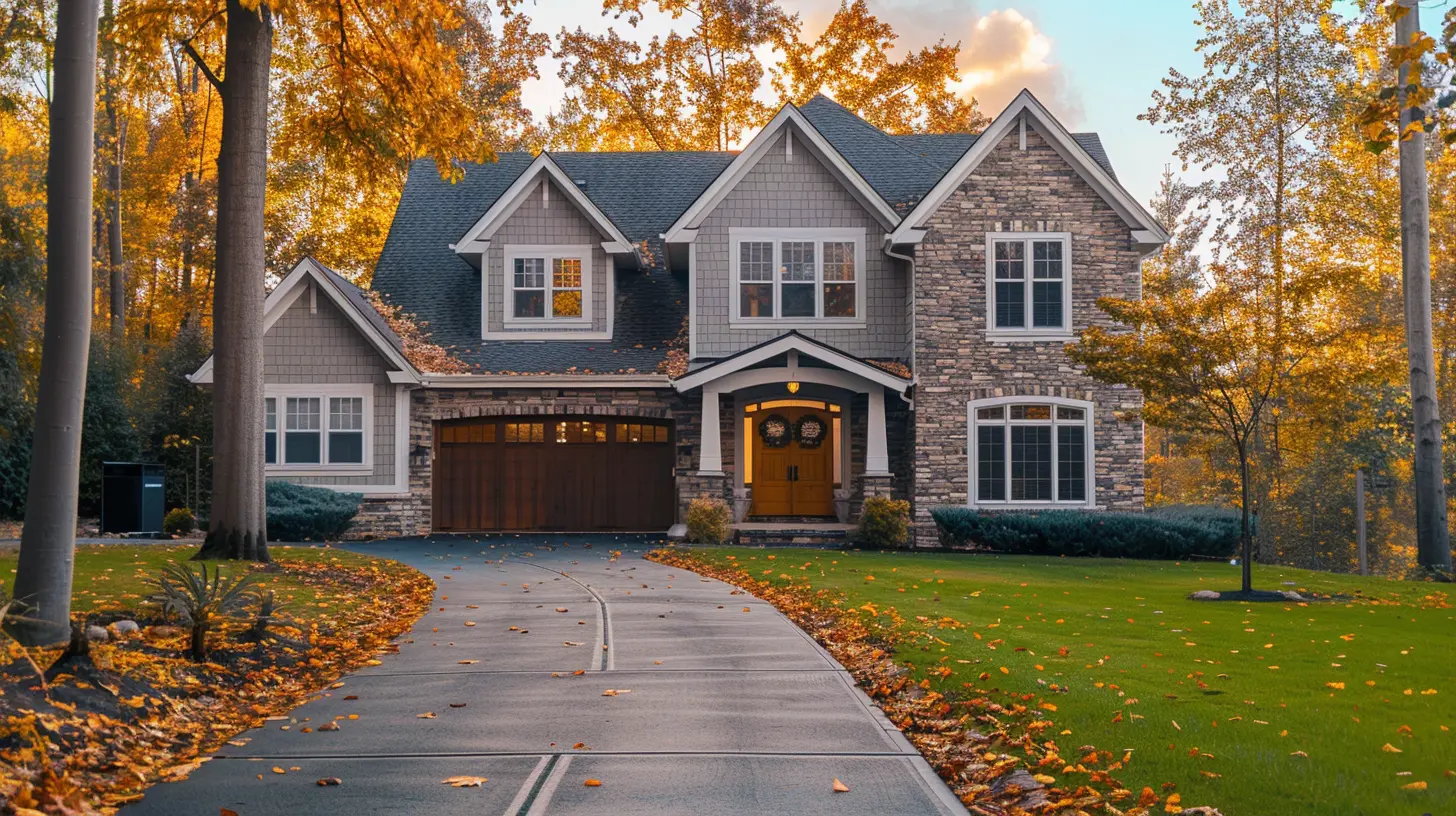
The Financial Planning Magic of Reverse Mortgages
Now, let’s talk about the real reason why financial planners don’t dismiss reverse mortgages outright—they can be a strategic tool.1. They Provide a Safety Net
Even if you’re financially comfortable, having access to a reverse mortgage line of credit is like having an ace up your sleeve. Need emergency medical care? Unexpected home repairs? It’s there when you need it.2. They Can Reduce Taxes (Yes, Really!)
Because reverse mortgage payouts aren’t considered taxable income, unlike withdrawals from a 401(k) or IRA, they can help retirees manage their tax burden. Uncle Sam can take a backseat on this one.3. They Help Delay Drawing from Retirement Accounts
If you don’t have to pull from your retirement accounts too soon, you give your investments more time to grow. A reverse mortgage can help bridge the income gap and allow your nest egg to keep compounding.4. Surviving Spouses Can Benefit Too
Spouses who are on the loan can stay in the home even after the primary borrower passes away, making it a potential safeguard for couples who want to ensure financial stability for the survivor.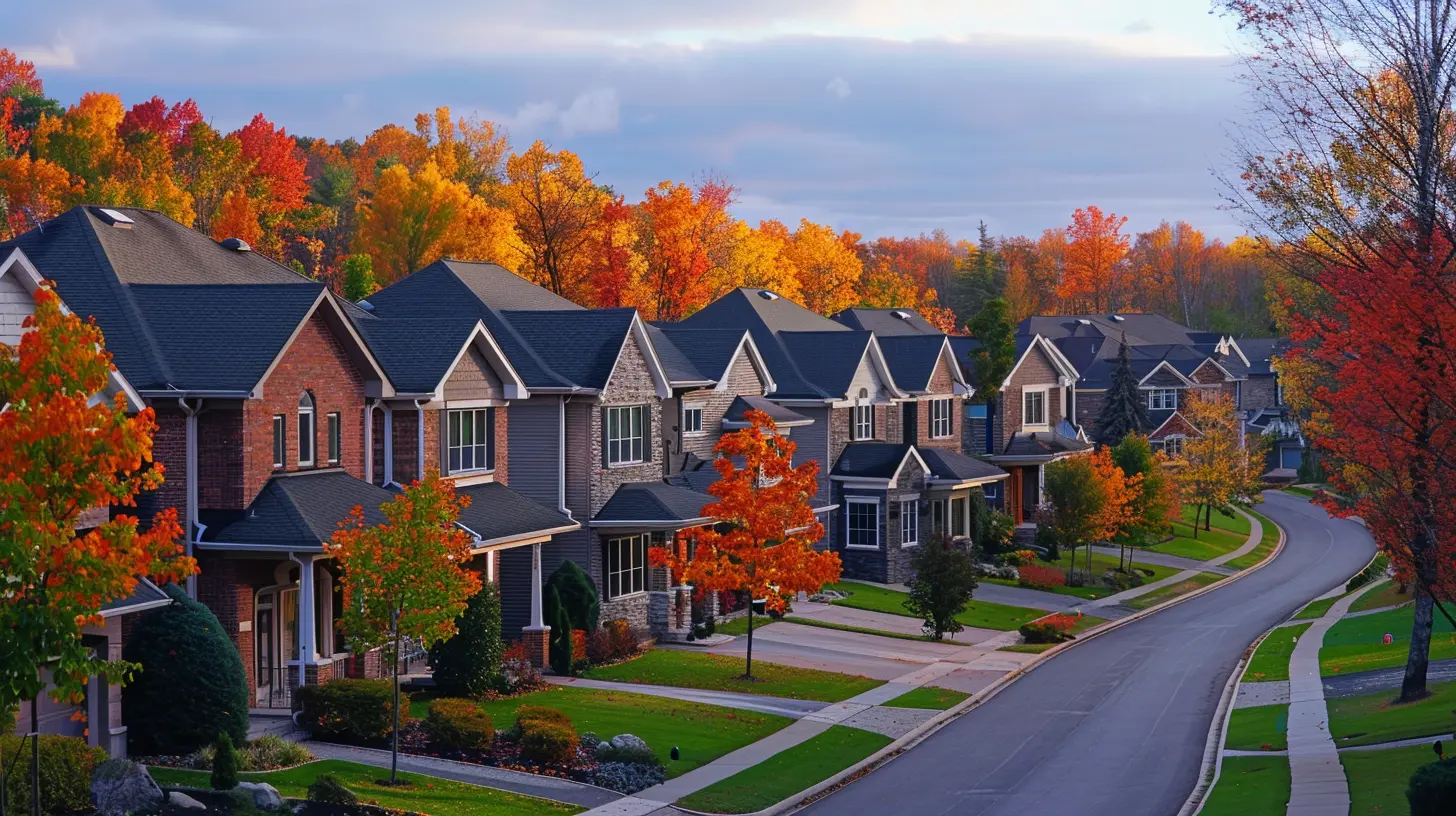
But Wait—Are There Strings Attached?
Of course! Nothing in life is ever that easy. Before you go running to the bank, here are a few things to keep in mind:1. You Still Have to Pay Property Taxes and Insurance
A reverse mortgage doesn’t mean the house is “free and clear.” You’re still responsible for taxes, insurance, and maintenance. Fall behind, and you could be at risk of foreclosure. (Yikes.)2. Interest Accumulates Over Time
While you’re not making monthly payments, the interest on your loan is still growing. When it’s time to repay the loan (aka when you move out or pass away), the balance will be higher than what you originally borrowed.3. It Might Affect Your Eligibility for Certain Benefits
If you rely on need-based programs like Medicaid, a reverse mortgage could impact your eligibility. It’s always best to chat with a financial planner about this before signing on the dotted line.4. Your Heirs Might Have Decisions to Make
When you pass away, your kids (or whoever inherits the home) will have to decide whether to repay the loan or sell the house to cover the balance. If they were dreaming of a fully paid-off home, they might not be thrilled.How to Know If a Reverse Mortgage Is Right for You
Still on the fence? Ask yourself these questions:- Do I plan on staying in my home long-term?
- Can I afford the property taxes, insurance, and upkeep?
- Am I comfortable using my home equity while I’m still alive?
- Do I have heirs who will be impacted, and do I care? (No judgment!)
If you answered “yes” to most of these, a reverse mortgage might be a smart move. If not, you might want to consider other financial planning strategies.
The Bottom Line
Reverse mortgages aren’t a magic money tree, but they can be a powerful tool for retirees looking to increase cash flow, reduce financial stress, and stay in their beloved homes longer. Like any financial decision, it’s not one-size-fits-all, but for the right person, it can make all the difference between a tight-budget retirement and a comfortable one.So, before dismissing the idea as “too complicated” or “only for people who are out of options,” take a good look at your financial picture. You might just find that a reverse mortgage fits into your plan better than you expected.
all images in this post were generated using AI tools
Category:
Reverse MortgagesAuthor:

Vincent Clayton
Discussion
rate this article
1 comments
Kimberly McFarland
Reverse mortgages: the only financial strategy where you can turn your home into cash without having to sell your prized collection of garden gnomes. Just remember, while you're counting your cash, the gnomes might start planning their own escape...
July 9, 2026 at 3:31 AM
Vincent Clayton
You bring up a fun point! It's crucial to weigh the pros and cons of reverse mortgages, but hey, if it helps fund your retirement without parting with beloved gnomes, it might be worth considering. Just keep an eye on those garden decorations...