How Location Impacts Vacation Rental Success
4 May 2026
When it comes to vacation rentals, location isn't just important—it’s everything. Your rental could be a stunning property with top-notch amenities, but if it's in the wrong place, it might struggle to attract guests.
So, what makes a location perfect for short-term rentals? Let’s break it down and see how the right spot can boost your booking rates, attract high-paying guests, and increase your overall returns. 
1. Proximity to Attractions and Activities
Guests book vacation rentals based on experience, not just accommodation. Whether it’s a beachfront condo, a cabin in the mountains, or an urban penthouse, people want convenience.- Tourist Hotspots – Properties near famous landmarks, amusement parks, or cultural sites tend to get booked faster. If your rental is close to Disneyland, a historic downtown, or a national park, you're in luck!
- Adventure and Nature – Outdoor enthusiasts love rentals near hiking trails, lakes, or ski resorts. Proximity to nature boosts your appeal and allows you to charge premium rates.
- Urban Convenience – City travelers value closeness to public transport, business districts, nightlife, and dining options. A centralized location makes life easier for tourists and business professionals alike.
If your property requires a long drive to reach anything fun, you might struggle to keep guests interested. 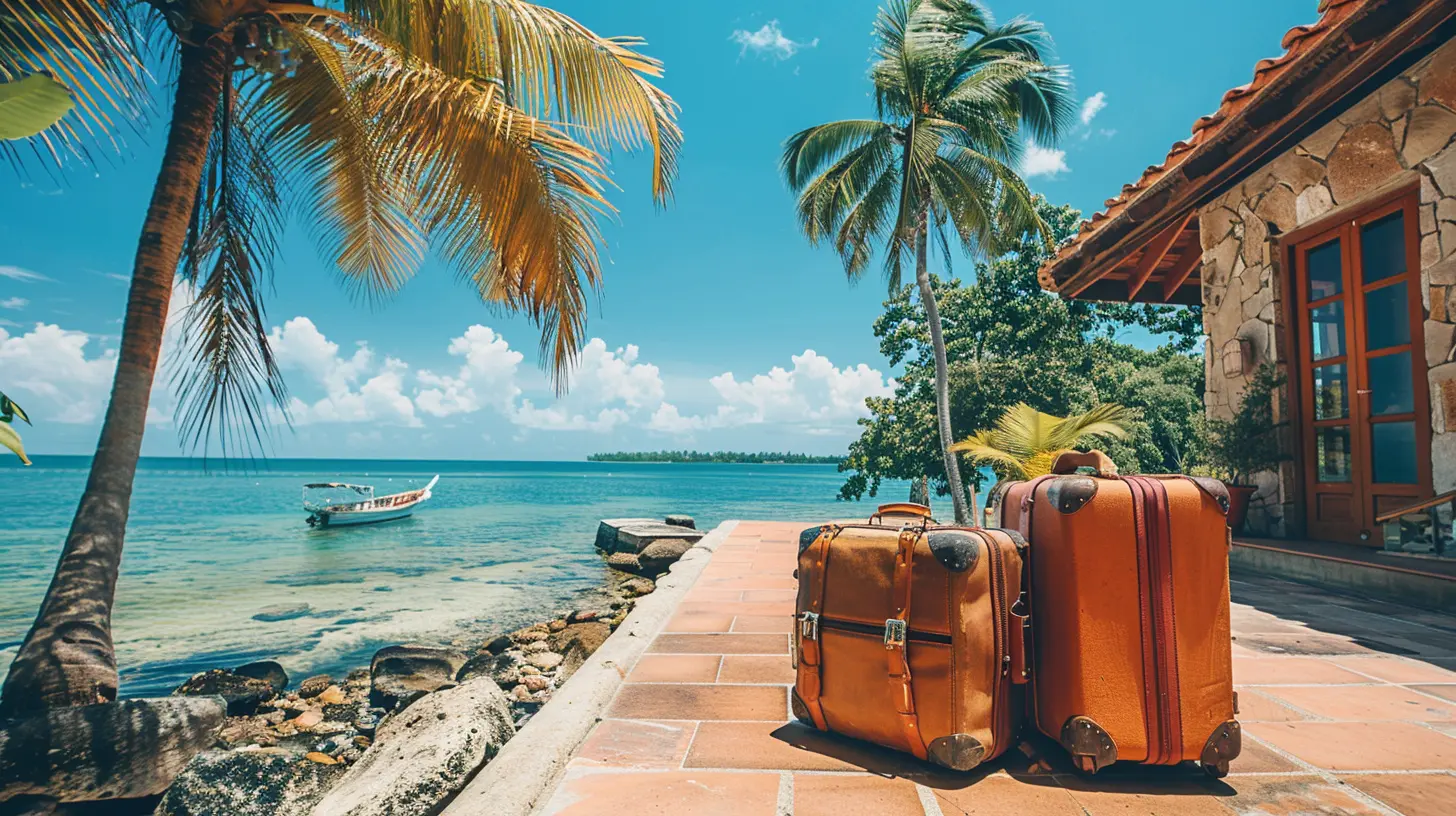
2. Walkability and Accessibility
Ever heard of the “Walk Score”? It’s a measure of how easy it is to walk from your property to shops, restaurants, and other vital locations. A higher walkability score means more guest interest.- Can guests walk to a coffee shop, grocery store, or entertainment venue?
- Is public transportation easily accessible?
- How far is it from the airport or train station?
Vacationers don’t want to spend half their trip in a car. If your location requires a vehicle for everything, you may need to compensate with unbeatable amenities or discounted rates. 
3. Safety and Neighborhood Appeal
Would you book a vacation rental in a sketchy neighborhood? Probably not. Safety plays a massive role in guest decision-making.- Check local crime rates before investing in a vacation rental. A peaceful, well-lit neighborhood adds value.
- A well-maintained area attracts travelers. If the streets are clean and houses are well-kept, guests feel more comfortable.
No matter how nice your vacation rental is, a bad neighborhood will scare off potential guests and lead to negative reviews. 
4. Seasonal Demand and Climate
Some locations perform better only during certain seasons. A ski chalet in Aspen will make bank in winter but may struggle in summer. Likewise, a beachfront rental thrives in warmer months but might not attract travelers during off-seasons.Understanding seasonal demand is crucial:
- Does your location attract visitors year-round?
- Are there festivals, conventions, or seasonal events nearby that keep bookings steady?
- Can your rental adapt to off-season travelers (e.g., offering cozy winter experiences in a beach town)?
If your spot relies on seasonal tourism, be prepared for fluctuating income and adjust pricing accordingly.
5. Competing Rentals in the Area
A high-density vacation rental market can be both a blessing and a curse.- High demand means consistent bookings, but increased competition can force you to lower your rates.
- Low competition might indicate weak demand, meaning fewer guests.
To gauge competition:
- Check Airbnb, Vrbo, and other platforms for similar rentals nearby.
- Look at occupancy rates and pricing of comparable listings.
- Read guest reviews – what are people loving or complaining about?
If your location is overrun with vacation rentals, you’ll need to stand out with unique amenities, better pricing, or a more personalized experience.
6. Local Laws and Regulations
Some cities love short-term rentals, while others impose strict regulations (or ban them outright). Before investing in a property, make sure you:- Research local short-term rental laws.
- Check zoning restrictions—some areas prohibit vacation rentals.
- Ensure you can get a short-term rental license if required.
Many cities impose occupancy limits, tax requirements, or rental duration restrictions. A dream vacation rental means nothing if legal hurdles prevent you from operating it.
7. Cost of Living and Property Prices
The initial investment matters just as much as potential income. A high-demand location shouldn’t break your budget.- Expensive cities like New York or San Francisco may generate high rental income but require massive upfront investment.
- Affordable markets may have lower risks, but they might also have lower demand.
Balance is key—calculate how long it would take to recoup your investment based on average occupancy rates and rental prices.
8. Future Growth and Development
Today’s average location might be tomorrow’s hot spot. Smart investors keep an eye on upcoming developments.- Is a new airport, theme park, or major hotel coming to town?
- Are businesses relocating to the area, bringing in more visitors?
- Are local government policies encouraging tourism?
A location on the rise means long-term success. Buying early in an up-and-coming area can be a game-changer.
9. The "Vibe" Factor
Numbers and logistics are crucial, but let’s not forget the feeling a location gives guests.- A trendy, artsy neighborhood draws younger travelers.
- A quiet retreat appeals to families and retirees.
- A historic district attracts culture and history lovers.
If your location has a unique charm, don’t underestimate its power to attract guests!
Final Thoughts
Location is the ultimate game-changer in vacation rentals. A property in the right spot can practically market itself, while one in the wrong area might struggle no matter how luxurious it is.If you’re thinking about investing in a vacation rental, don’t just focus on the property—analyze the location's appeal, demand, and long-term potential. At the end of the day, location can make or break your rental success.
all images in this post were generated using AI tools
Category:
Vacation RentalsAuthor:

Vincent Clayton
Discussion
rate this article
2 comments
Henry Gates
So, if your vacation rental is in a prime spot, you might just have more happy guests than a dog with two tails. Location is everything... unless you're renting a beach hut in Antarctica!
June 7, 2026 at 11:22 AM
Vincent Clayton
Absolutely! A great location can make all the difference. But you have to balance that with the right amenities, no matter where you are.
Zevros Nelson
Great insights on location's role in vacation rentals. It really highlights the importance of local appeal.
May 8, 2026 at 2:56 AM
Vincent Clayton
Thanks for your feedback! Location truly is key to attracting guests.