The Pros and Cons of Living in a Rural Community
7 February 2026
If you've ever dreamed of waking up to birds chirping instead of honking cars, a rural lifestyle might be calling your name. But is country living all it's cracked up to be? Like anything in life, it has its perks and its pitfalls. Whether you're considering making the move or just curious about what it's like, let's break down the pros and cons of living in a rural community. 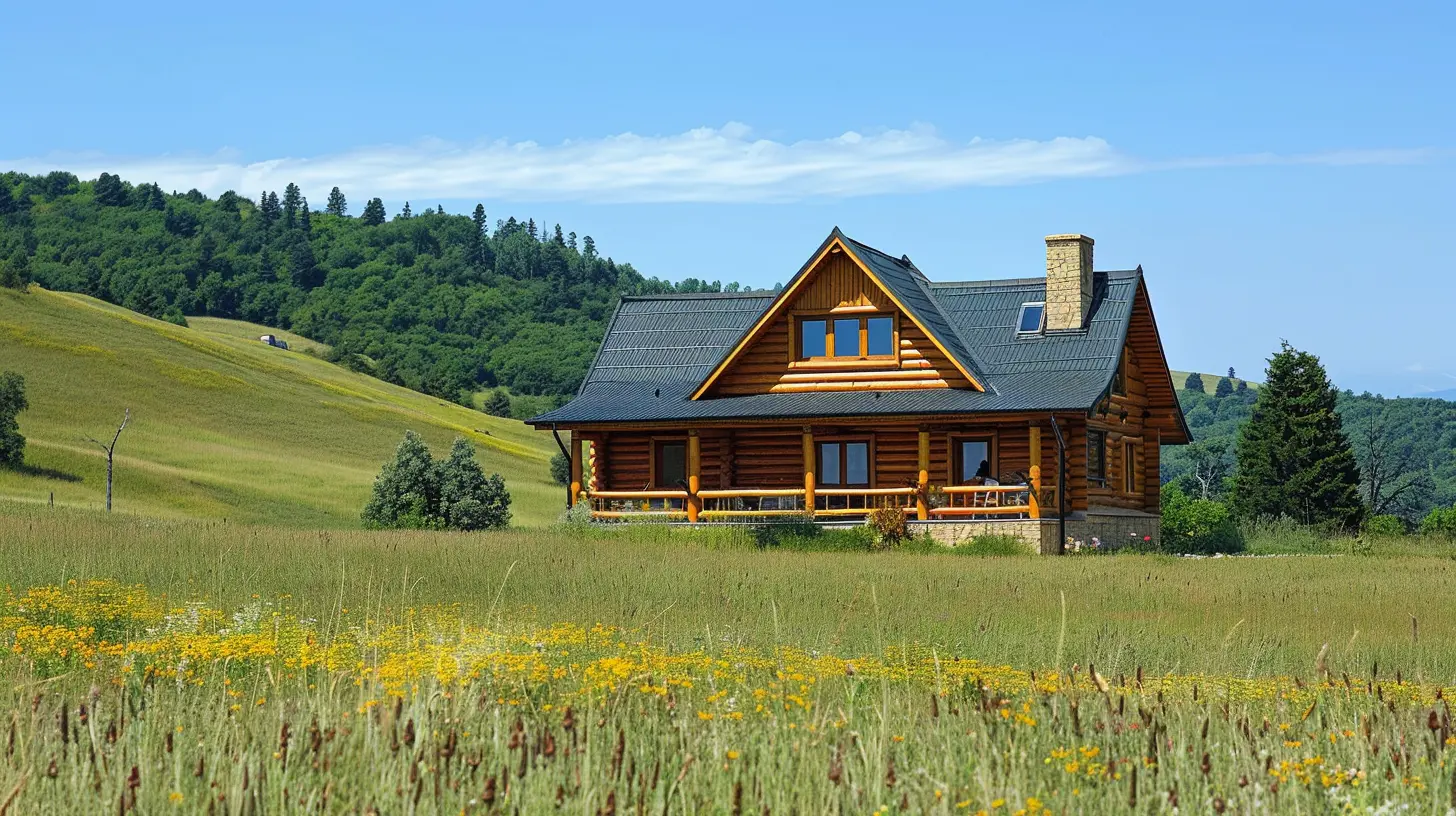
The Pros of Living in a Rural Community
1. Peace and Quiet—Say Goodbye to the Hustle and Bustle
One of the biggest draws of rural living? The sheer tranquility. No constant sirens, no noisy neighbors blasting music at 2 AM, and no honking traffic. Instead, you get wide-open spaces, fresh air, and the soothing sounds of nature. It’s like a built-in stress reliever every single day.2. Lower Cost of Living
City life can drain your wallet pretty quickly. Rent, groceries, and gas prices tend to be much higher in urban areas. But in the countryside? You’ll often find more affordable housing, lower property taxes, and overall cheaper day-to-day expenses. Plus, if you’re lucky enough to own land, you can grow your own food, further cutting down costs.3. Strong Sense of Community
In small towns, people look out for each other. Need a cup of sugar? Your neighbor might just bring over a whole bag. Rural communities often have tight-knit relationships, where people genuinely care about one another. This kind of social connection can be incredibly comforting, especially in tough times.4. More Space, Less Crowds
Sick of feeling like a sardine in a can every time you walk into a grocery store? In rural areas, you’ll have plenty of breathing room. Whether it’s a larger yard, a spacious home, or simply fewer people around, rural living gives you more personal space to enjoy.5. A Slower, Less Stressful Pace of Life
City life tends to be fast-paced, overwhelming, and stressful. But in a small town or rural area, life moves at a different rhythm. There’s less rushing, fewer deadlines, and more time to appreciate the little things—like a beautiful sunset or an afternoon spent chatting with a neighbor.6. More Outdoor Activities
Love hiking, fishing, or just being outside? Rural living offers countless opportunities to enjoy nature. Whether it’s taking scenic walks in the woods, stargazing at night without city lights ruining the view, or simply sitting on your porch with a cup of coffee, you’ll feel more connected to the great outdoors.7. Better Air Quality
Fewer cars, fewer factories, and more greenery mean cleaner, fresher air. If you’ve ever stepped out of a city and taken a deep breath in the countryside, you know exactly what we’re talking about. The air just feels…better.8. Higher Safety Levels
Crime rates tend to be lower in rural areas compared to big cities. While no place is completely crime-free, small-town life typically comes with a greater sense of security. Many people even leave their doors unlocked—a sign of trust that’s often missing in urban environments.
The Cons of Living in a Rural Community
1. Limited Job Opportunities
Unless you’re working remotely or have a career that’s in demand locally, finding a job in a rural area can be tough. Opportunities in specialized fields can be scarce, making it more challenging to build a lucrative career without commuting to a bigger city.2. Fewer Entertainment Options
If you love going to concerts, trying new restaurants every weekend, or indulging in nightlife, rural living might feel a little…boring. While small towns have their charm, they often lack the diversity of entertainment options that big cities offer.3. Longer Commutes and Travel Times
Need to hit the grocery store? It might be a 30-minute drive instead of a 5-minute walk. Rural areas can be spread out, meaning everyday errands take more time. And if you work in a city, commuting can be a hassle.4. Limited Healthcare Access
This is a big one, especially if you have ongoing medical needs. Rural areas often have fewer doctors, hospitals, and specialized medical services. If you need specialized care, you may have to travel long distances to get it, which can be inconvenient and, in emergencies, downright dangerous.5. Poor Internet and Cell Service
In today’s digital world, reliable internet and phone service are essential. Unfortunately, many rural areas still struggle with slow internet speeds and spotty cell coverage. If you work from home or rely on a strong network connection, this can be a big drawback.6. Harsh Winters and Limited Road Maintenance
Depending on where you live, winters in rural areas can be brutal. Snow-covered roads aren’t always plowed quickly, meaning you might be stuck at home longer than you’d like. Plus, without easy access to public transportation, getting around during extreme weather can be a challenge.7. Less Diversity
Small towns tend to be more culturally homogenous compared to big cities. If you’re used to a diverse population with a variety of backgrounds, perspectives, and cuisines, rural life might feel a little one-dimensional.8. Fewer Educational Opportunities
If you have kids, education might be a concern. Rural schools often have smaller budgets, fewer extracurricular activities, and limited access to advanced courses compared to urban schools. While smaller class sizes can be a plus, the overall resources may not be as strong as what’s available in city schools.
Is Rural Living Right For You?
At the end of the day, whether you should move to a rural area depends on your lifestyle, needs, and priorities. If you crave peace, wide-open spaces, and a close-knit community, country living could be a dream come true. But if you rely on city amenities, job diversity, and easy access to healthcare, it might be a difficult adjustment.One thing’s for sure: Rural living isn’t for everyone. But for those who embrace its charms, it offers a simpler, quieter, and often more fulfilling way of life.
So, what do you think? Could you trade in city lights for country nights?
all images in this post were generated using AI tools
Category:
Rural PropertiesAuthor:

Vincent Clayton
Discussion
rate this article
2 comments
Nicole McKinstry
Great insights! Rural living offers unique benefits and challenges worth considering carefully.
February 15, 2026 at 10:04 PM
Vincent Clayton
Thank you! I'm glad you found the insights valuable. Rural living indeed presents a fascinating mix of advantages and challenges.
Sydney McHugh
Where Wi-Fi is a myth!
February 7, 2026 at 6:08 AM
Vincent Clayton
Wi-Fi access can be limited in rural areas, but many communities are improving connectivity options.