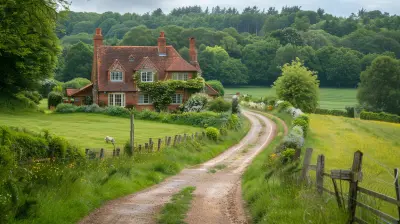
The Many Uses of Rural Land: From Farming to Forestry
22 June 2026
When most people think about rural land, they imagine vast open fields, tractors plowing through acres of crops, and cows lazily grazing under the sun. But let’s get one thing straight—rural land isn’t just for farming. It’s a goldmine of opportunities waiting to be tapped. Whether you're an investor, a homesteader, or simply someone curious about what can be done with a chunk of land out in the countryside, this guide will open your eyes to the countless ways rural land can be put to good use.
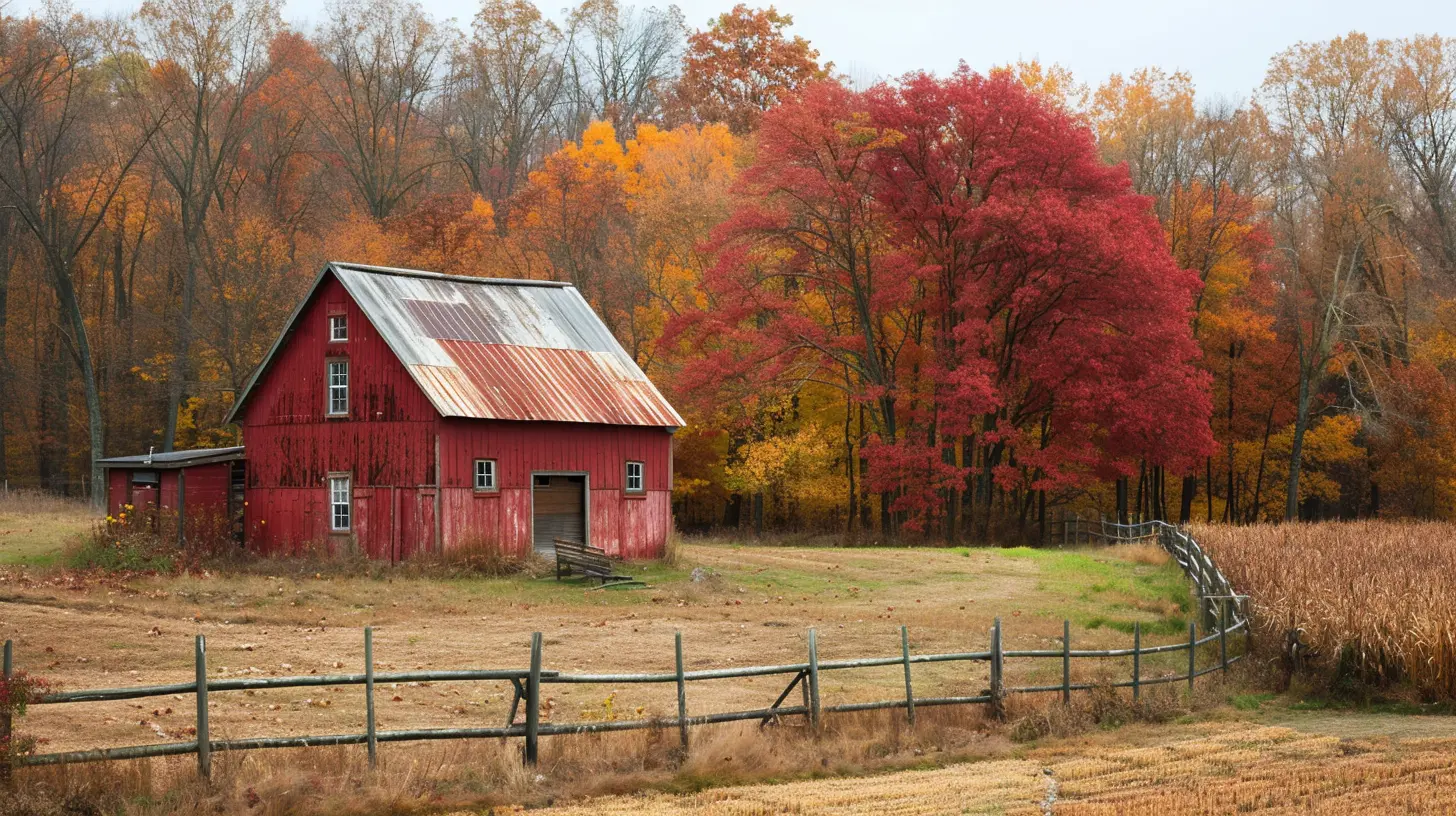
1. Traditional Farming: The Backbone of Rural Land Use
Let’s start with the obvious—agriculture. Farming has been the bread and butter of rural landowners for centuries, and for good reason. The fertile soil, open space, and access to water make it ideal for growing crops and raising livestock.a) Crop Farming
If you’ve got nutrient-rich land, why not grow crops? From wheat and corn to organic vegetables and fruits, crop farming is a profitable way to utilize rural land. With the rise of farm-to-table movements and the increasing demand for organic food, small-scale farming is making a big comeback.b) Livestock Farming
Not all land is suitable for planting crops, but that doesn’t mean it’s useless. Many landowners turn to livestock farming instead. Raising cattle, sheep, pigs, or even poultry can be a great way to generate income. Plus, with the demand for grass-fed beef and free-range poultry skyrocketing, rural landowners have a solid opportunity to cash in on the trend.c) Beekeeping
Small in size but big in impact, bees bring an extra layer of productivity to rural land. Not only can you sell honey, but you’re also helping to pollinate crops, boosting farm yields. It’s a win-win situation!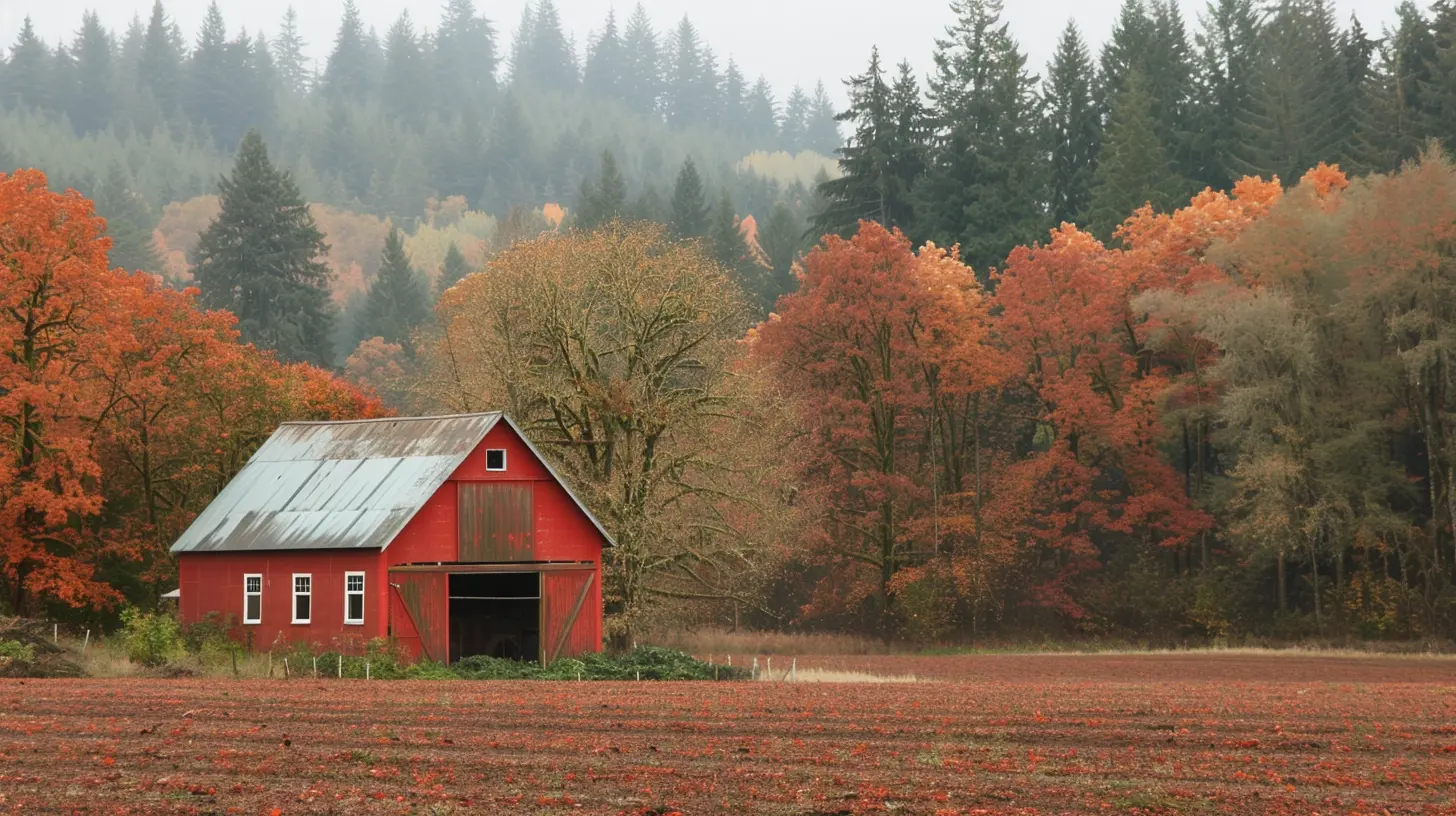
2. Forestry: The Silent Giant of Rural Land Use
Forestry is another powerhouse when it comes to making use of rural land. Trees are a long-term investment, but they pay off handsomely in the right conditions.a) Timber Production
If you’ve got a lot of trees on your land, timber production might be a lucrative option. Hardwood and softwood can be harvested sustainably and sold for construction, furniture, or even paper production. The best part? Trees keep growing! With smart forestry management, your land can provide a continuous source of income for generations.b) Firewood Business
Not all trees are suitable for timber, but they can still serve a purpose. Selling firewood to local homeowners, campers, and businesses can turn otherwise idle land into a profitable venture.c) Christmas Tree Farming
Who doesn’t love a fresh-cut Christmas tree? Growing and selling Christmas trees is a fantastic seasonal business that brings in steady income every year. Plus, it’s one of those rare ventures where demand never runs out—people will always want a real tree for the holidays.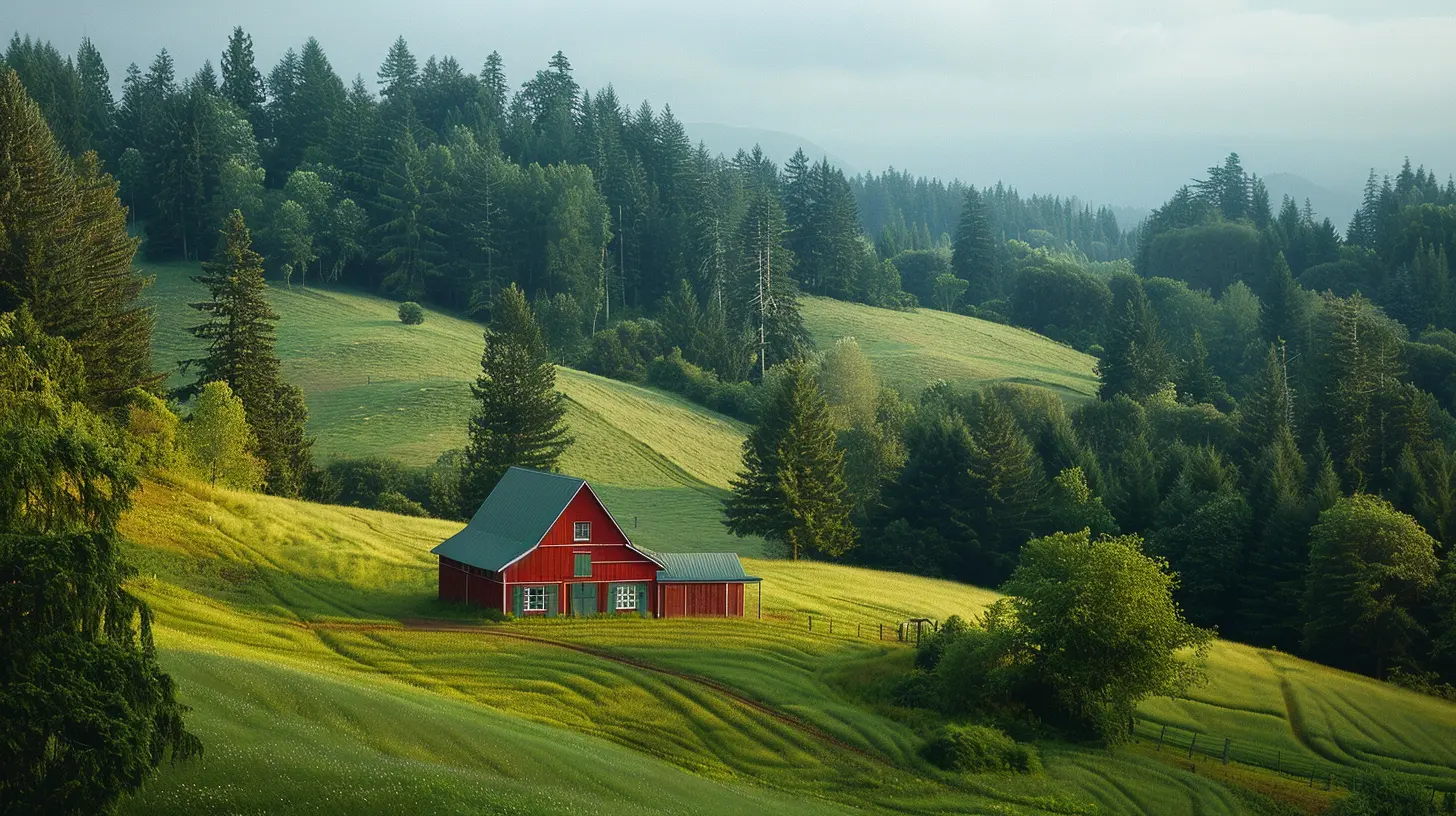
3. Recreational Use: Turning Land Into a Fun Escape
Not all rural land has to be about hard work. Sometimes, it can just be about fun. With the right setup, rural properties can be turned into recreational hotspots that attract outdoor enthusiasts.a) Hunting and Fishing Grounds
If your land has a decent mix of woods, water sources, and wildlife, you might be sitting on a hunter's paradise. Leasing land for hunting and fishing can generate passive income while requiring minimal upkeep. Many hunters and anglers are willing to pay top dollar for access to private land.b) Off-Roading and ATV Trails
Got rugged terrain? That’s a good thing! ATV riders and off-road enthusiasts are always looking for new places to ride. Renting out land for ATV trails, dirt biking, or even mud bogging events can bring in a steady stream of visitors.c) Camping and Glamping Sites
With people looking for outdoor escapes and alternatives to traditional hotels, rural landowners are cashing in by setting up camping or glamping sites. Whether it’s pitching a few tents or creating full-on luxury yurts, the demand for these outdoor experiences is booming.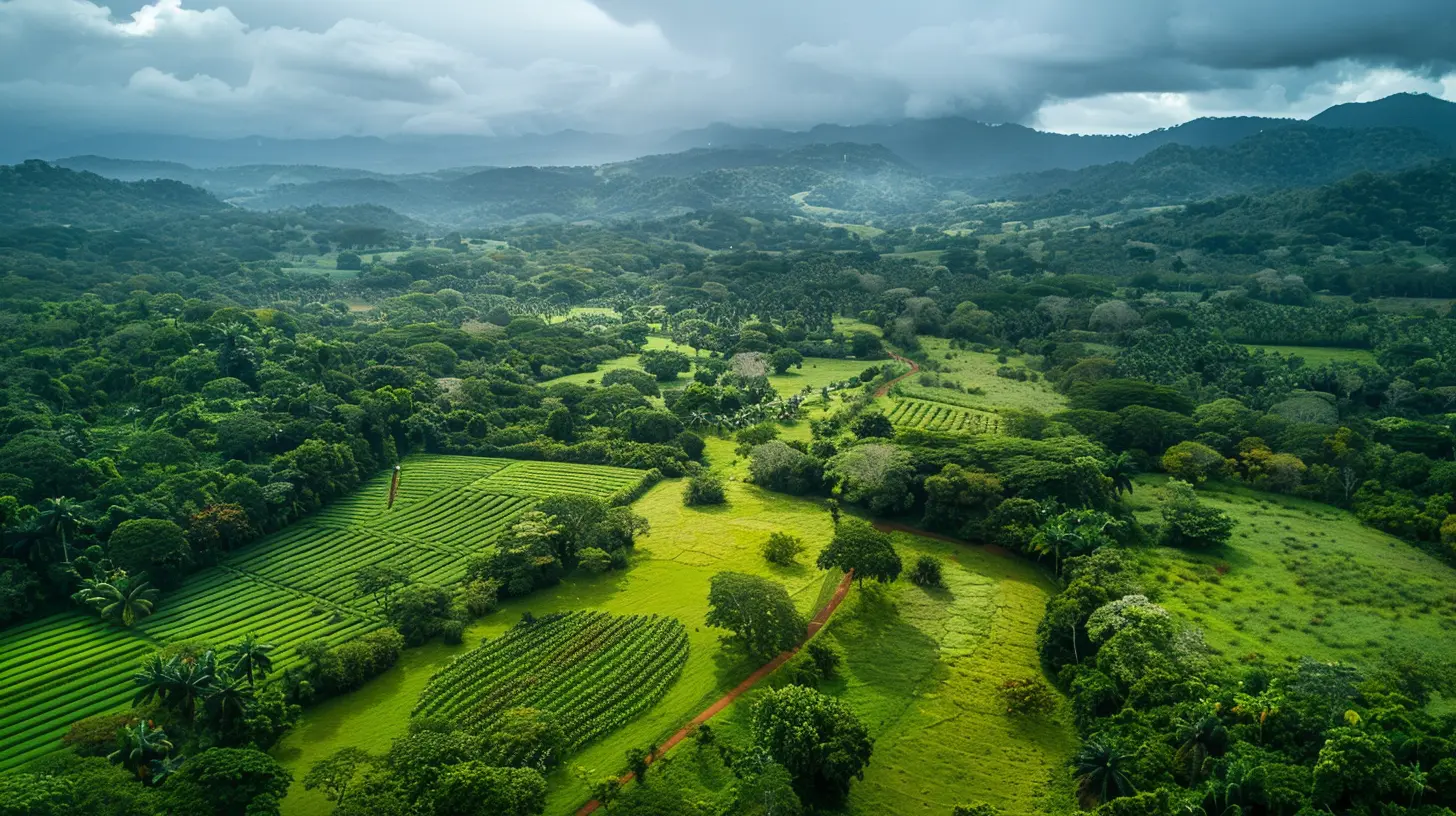
4. Alternative Energy: The Future of Rural Land
Rural land isn’t just good for traditional uses—it can also serve as a foundation for renewable energy projects.a) Solar Farms
With wide-open spaces and plenty of sunlight, rural land is perfect for solar farms. Leasing land to energy companies for solar panel installation provides landowners with consistent, long-term income without the hassle of day-to-day maintenance.b) Wind Energy
Some rural areas, especially those on open plains or hilltops, make ideal locations for wind farms. Wind turbines can be a major source of passive income, and many energy companies are constantly on the lookout for landowners willing to lease space.5. Homesteading and Off-Grid Living: The Self-Sufficient Lifestyle
For those looking to escape the rat race, rural land offers the perfect opportunity to live a self-sustaining lifestyle.a) Growing Your Own Food
Many people dream of a homestead where they can grow their own food, raise chickens, and live independently. Rural land allows for just that. Having space to plant a vegetable garden, raise animals, and even build a greenhouse makes self-sufficiency much easier.b) Rainwater Harvesting and Natural Resources
When living off-grid, water is key. Many rural landowners set up rainwater collection systems or tap into natural wells to become fully self-sufficient. Some properties even come with natural springs—essentially free water for life!c) Tiny Homes and Cabin Retreats
Tiny homes aren’t just a fad—they’re becoming a serious housing solution for those looking to downsize and live a simpler life. Rural landowners are increasingly setting up tiny home rentals or building their own off-grid cabins for personal use or as income-generating vacation rentals.6. Agritourism: Blending Farming and Tourism
Agritourism is one of the fastest-growing industries in rural areas, combining the charm of country life with an experience-driven market.a) Farm Stays and Bed & Breakfasts
Many tourists, especially city dwellers, crave the simplicity of farm life. Opening up a farm stay or rural bed & breakfast allows guests to experience country living while providing landowners with a fresh stream of revenue.b) Corn Mazes and Pumpkin Patches
Seasonal attractions like corn mazes and pumpkin patches are huge money-makers. Families love these weekend escapes, and they make for excellent sources of extra income in the fall.c) Weddings and Event Venues
Rustic weddings have taken the event industry by storm, and rural properties make the perfect backdrop for these celebrations. Barn weddings, outdoor ceremonies, and even country-style receptions bring in serious cash.Final Thoughts
Rural land isn’t just sitting there collecting dust—it’s a powerhouse of opportunity! Whether you’re interested in agriculture, forestry, renewable energy, or even turning your property into an adventure destination, the possibilities are endless. It’s all about creativity, vision, and a little effort to transform rural land into something truly valuable.So, if you’re sitting on a stretch of rural land and wondering what to do with it, now you have plenty of ideas. It’s time to roll up your sleeves and make that land work for you!
all images in this post were generated using AI tools
Category:
Rural PropertiesAuthor:

Vincent Clayton
Discussion
rate this article
1 comments
Daniella McCray
Great article! It's inspiring to see the diverse potential of rural land. Whether for farming or forestry, these spaces hold so much value for our communities.
June 25, 2026 at 3:25 AM