Will Suburban Markets Stay Hot or Cool Down by 2027?
26 April 2026
Picture this: It’s 2020, and you’re stuck in a tiny city apartment, Zoom-calling your boss while your toddler throws Cheerios at the cat. Suddenly, the suburbs look like paradise—a backyard, a home office, maybe even a driveway. Fast-forward to 2024, and that suburban frenzy feels like a fever dream. But here’s the million-dollar question: Will suburban markets stay hot or cool down by 2027?
I’ve been digging into the data, talking to agents, and crunching numbers like a caffeine-fueled real estate nerd. And let me tell you—this isn’t a simple “yes” or “no.” It’s a story of shifting priorities, economic headwinds, and a housing market that’s acting like a moody teenager. So grab a coffee, and let’s unpack this together.
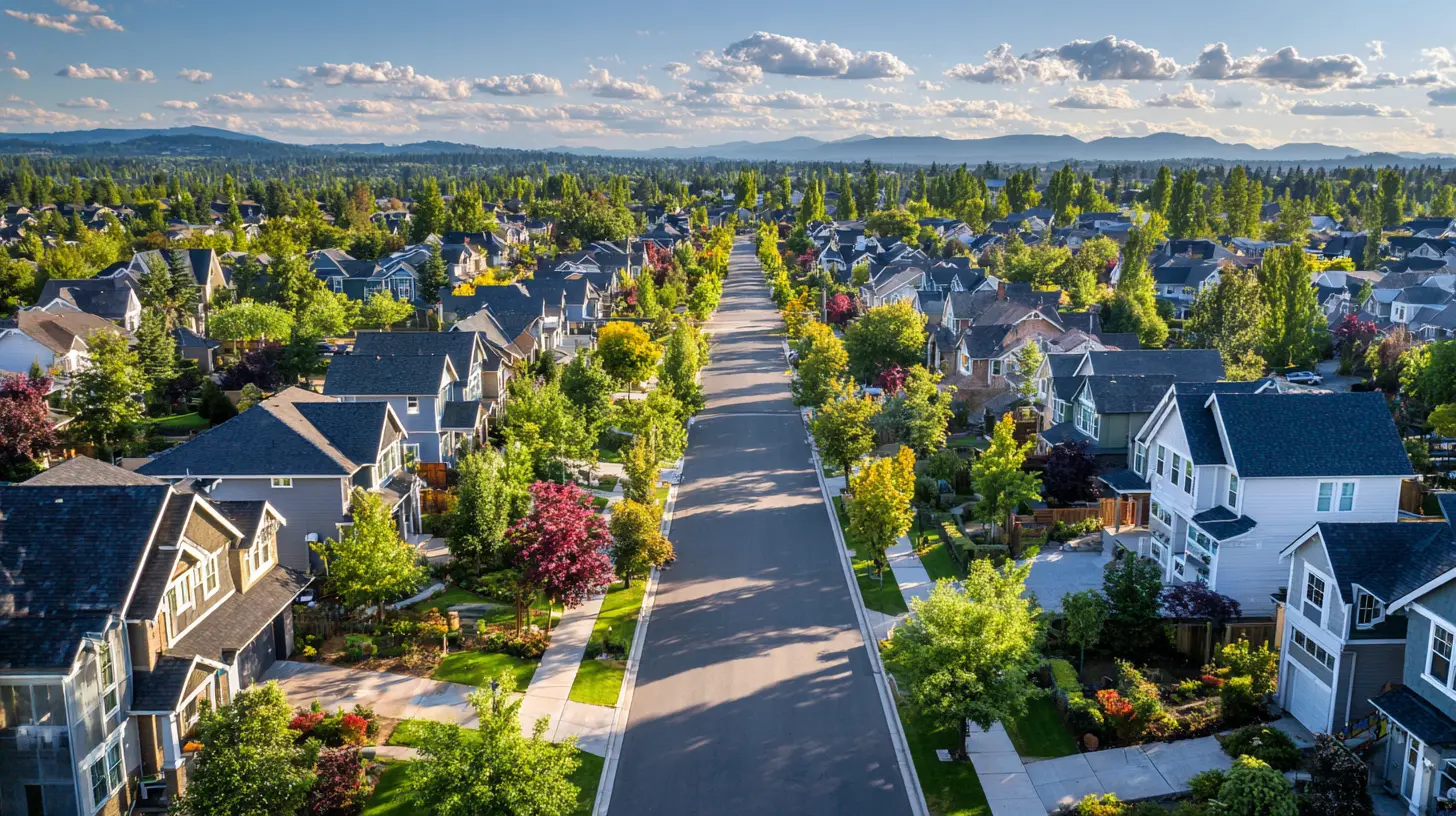
The Suburban Boom: A Quick Trip Down Memory Lane
Remember when everyone and their mother wanted a house with a white picket fence? The pandemic didn’t just change how we work—it rewired our brains. Suddenly, square footage mattered more than proximity to downtown. Suburbs from Boise to Nashville saw prices skyrocket by 20-30% in a single year. Why? Because remote work gave us wings, and low interest rates were the tailwind.But here’s the thing—trends don’t stay static. By 2023, interest rates had tripled, and that “move to the ’burbs” wave started losing steam. Yet, suburban markets didn’t crash. They just… paused. Now, as we look toward 2027, the big question is: Will those pandemic-era gains hold, or are we heading for a suburban cooldown?
The Case for Suburban Markets Staying Hot
1. Remote Work Isn’t Going Away (It’s Evolving)
Let’s be real—the genie isn’t going back in the bottle. Even with companies like Amazon and Google calling workers back to the office, hybrid schedules are the new norm. A 2024 Stanford study found that 58% of workers with college degrees still have some remote flexibility. And what does that mean for suburbs? It means people still crave space.Think of it like this: The city is the office coffee machine—you visit for a quick chat, but you don’t want to live there. Suburbs offer the room to breathe, a place to set up a home gym, and a yard where your dog can chase squirrels. As long as Wi-Fi works, suburbs will remain a magnet for families and remote workers.
2. Inventory Is Stubbornly Low
Here’s a stat that’ll make your head spin: The U.S. is short about 4 million homes, according to Freddie Mac. Builders are scrambling, but they can’t keep up. And in suburbs? That shortage is even worse because land is cheaper, but zoning laws are a nightmare.Imagine a concert where everyone wants a ticket, but only half the seats are available. That’s the suburban market right now. Prices might cool, but they won’t crash—because there simply aren’t enough houses to go around. By 2027, this supply-demand imbalance could keep suburban markets simmering, not boiling over.
3. Affordability (Wait, Hear Me Out)
I know what you’re thinking: “Affordability? In this market?” But compared to cities like San Francisco or Manhattan, suburbs are still a bargain. A 3-bedroom home in a Chicago suburb might cost $350,000, while a similar city condo runs $700,000. For many buyers, that spread is too tempting to ignore.Plus, first-time buyers—the lifeblood of any market—are flocking to suburbs. They want starter homes, good schools, and a sense of community. As long as city prices stay sky-high, suburbs will be the safety net.
The Case for a Suburban Cooldown by 2027
1. Interest Rates Are the Elephant in the Room
Let’s not sugarcoat it—mortgage rates above 6% (and sometimes 7%) are brutal. They’ve frozen the market like a deer in headlights. Sellers don’t want to trade their 3% rate for a 7% one, so they stay put. Buyers, meanwhile, are priced out or waiting for a miracle.But here’s the twist: By 2027, rates could ease. The Federal Reserve has hinted at cuts, and if inflation cools, we might see 5% mortgages again. That would unlock demand—but it might also flood the market with sellers trying to cash out. The result? A potential cooldown as supply catches up with demand.
2. The Remote Work Reversal
Not every company is sold on remote work. Goldman Sachs, JPMorgan, and Tesla are demanding more office time. If this trend accelerates, suburbs could lose some of their luster. Imagine you’re a tech exec in Austin—would you rather commute 90 minutes from the suburbs or live 10 minutes from downtown?This is the wildcard. By 2027, if return-to-office mandates become the norm, suburban demand could soften. Especially for luxury suburbs that rely on high-earning commuters.
3. The “Zoom Towns” Are Overvalued
Remember those pandemic darlings—Boise, Austin, Phoenix? They saw insane price jumps, but now they’re correcting. Boise home prices dropped 8% in 2023. Why? Because people realized that moving to a small town for lower costs doesn’t work if everyone else does it too. Infrastructure can’t keep up, and prices become detached from local incomes.By 2027, these overheated markets might cool significantly. It’s like a balloon that’s been blown up too fast—eventually, the air leaks out.
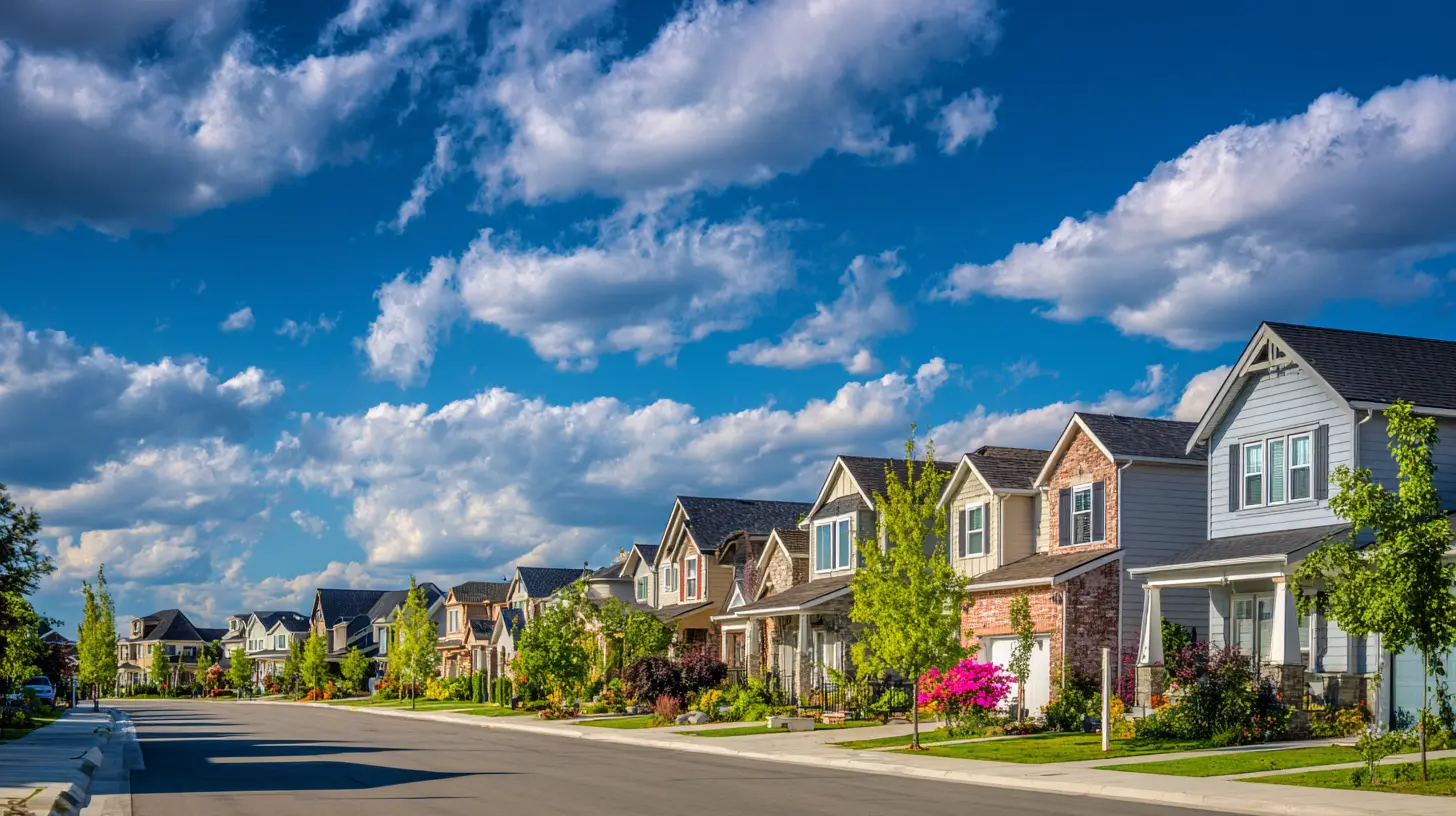
Suburban vs. Urban: The Tug-of-War Continues
Let’s zoom out. The suburbs aren’t a monolith—they’re a spectrum. There’s the “inner ring” suburb (10 miles from downtown), the “exurb” (50 miles out), and everything in between. Each has its own fate.- Inner-ring suburbs: These are the sweet spot. They offer city access with suburban space. Think Arlington, VA, or Evanston, IL. By 2027, they’ll likely stay hot because they balance both worlds.
- Exurbs: These are riskier. Places like rural Montana or far-flung Texas towns boomed during COVID, but they lack jobs and amenities. If remote work fades, these areas could see a 10-15% price drop.
- Luxury suburbs: High-end areas like Greenwich, CT, or Palo Alto, CA, are insulated. Wealthy buyers don’t care about interest rates—they pay cash. These markets will stay warm.
What the Data Says: Predictions for 2027
I’m not a psychic, but I’ve got charts. Let’s look at some key indicators:Home Price Growth Will Slow (But Not Reverse)
According to Zillow’s 2024 forecast, national home prices will grow about 2-3% annually through 2027. For suburbs, that number might be 4-5%—still positive, but nothing like the double-digit gains of 2020-2022. Think of it as a simmer instead of a boil.Rental Demand Will Surge
Not everyone can buy. With high rates and low inventory, suburban rentals will boom. By 2027, expect more build-to-rent communities popping up in suburbs. This could keep suburban markets active, even if sales slow.Migration Patterns Are Shifting
The “Sun Belt” isn’t the only game anymore. People are moving to smaller metros like Spokane, WA; Knoxville, TN; and even the Midwest. Suburbs in these areas will outperform overhyped markets like Austin or Phoenix.
The Wildcards: What Could Change Everything?
I’d be lying if I said I knew exactly what 2027 holds. There are a few curveballs that could flip the script:1. A Recession
If the economy tanks, suburbs could see a double whammy—job losses plus falling home values. But historically, suburbs hold up better than cities during downturns because they’re more affordable.2. Climate Change
Flooding, wildfires, and heatwaves are reshaping where people want to live. Suburbs in disaster-prone areas (Florida, California) could see cooling, while “climate havens” like the Great Lakes region might heat up.3. Generational Shifts
Millennials are now in their 40s—prime home-buying age. But Gen Z? They’re more urban-oriented and rent-averse. By 2027, if Gen Z skips the suburbs, it could slow demand.So, Will It Stay Hot or Cool Down?
Here’s my honest take: Suburban markets won’t crash, but they’ll cool to a more sustainable level. Think of it like a hot cup of coffee—it’s not going to freeze, but it will eventually reach a drinkable temperature.By 2027, expect:
- Price growth of 3-5% annually in most suburbs (not 15%).
- More inventory as builders catch up and sellers adjust to higher rates.
- A shift toward “commuter-friendly” suburbs near cities with strong job markets.
But here’s the kicker: The suburbs that thrive will be the ones with good schools, walkable downtowns, and access to nature—not just cheap land. Buyers are getting picky. They want a lifestyle, not just a roof.
What This Means for Buyers and Sellers
For Buyers
If you’re waiting for a 2020-level deal, stop. That ship has sailed. But by 2027, you’ll have more choices and less bidding-war insanity. Focus on suburbs with strong fundamentals—good schools, low crime, and job growth. And don’t try to time the market. If you find a house you love and can afford it, buy it.For Sellers
The days of “list it and watch it sell in a day” are over. By 2027, you’ll need to price competitively and stage your home like a magazine cover. But don’t panic—demand will still be there, just more measured.Final Thoughts: The Suburbs Are Here to Stay
Let’s face it—the suburbs aren’t going anywhere. They’re the Goldilocks zone of real estate: not too crowded, not too isolated. By 2027, they’ll be a more balanced market, but still a solid investment.So, will suburban markets stay hot or cool down? They’ll do what any mature market does—find a middle ground. And honestly, that’s a good thing. A little bit of cool is exactly what we need to avoid another bubble.
Now, I’d love to hear from you. Are you betting on the suburbs for 2027, or are you eyeing a downtown loft? Drop your thoughts in the comments—let’s keep this conversation going.
all images in this post were generated using AI tools
Category:
Real Estate ChallengesAuthor:

Vincent Clayton
Discussion
rate this article
2 comments
Azura Clayton
Great insights on the future of suburban markets! With evolving dynamics in remote work and lifestyle preferences, it's crucial to monitor these trends closely. Your analysis provides valuable perspective for homeowners and investors navigating this shifting landscape. Thank you!
April 29, 2026 at 11:32 AM
Vincent Clayton
Thank you for the kind words! It's an exciting time for suburban markets, and I appreciate your engagement with the topic.
Caitlin Kirkpatrick
Suburban markets may experience a cooling trend by 2027 due to shifting demographics and remote work dynamics, but demand for space will persist.
April 27, 2026 at 1:06 PM
Vincent Clayton
That's an interesting perspective. The interplay of demographics and remote work will definitely shape the market. It'll be worth watching how these trends develop.