The Benefits of Owning a Rural Property in Today’s Market
6 August 2026
The real estate landscape is evolving, and more people are turning their attention away from bustling cities to the open spaces of rural properties. Whether you're looking for a peaceful retreat, an investment opportunity, or a more self-sufficient lifestyle, rural real estate has plenty to offer.
But why is rural property ownership gaining traction in today’s market? Let’s break it down.
1. Affordability: More Bang for Your Buck
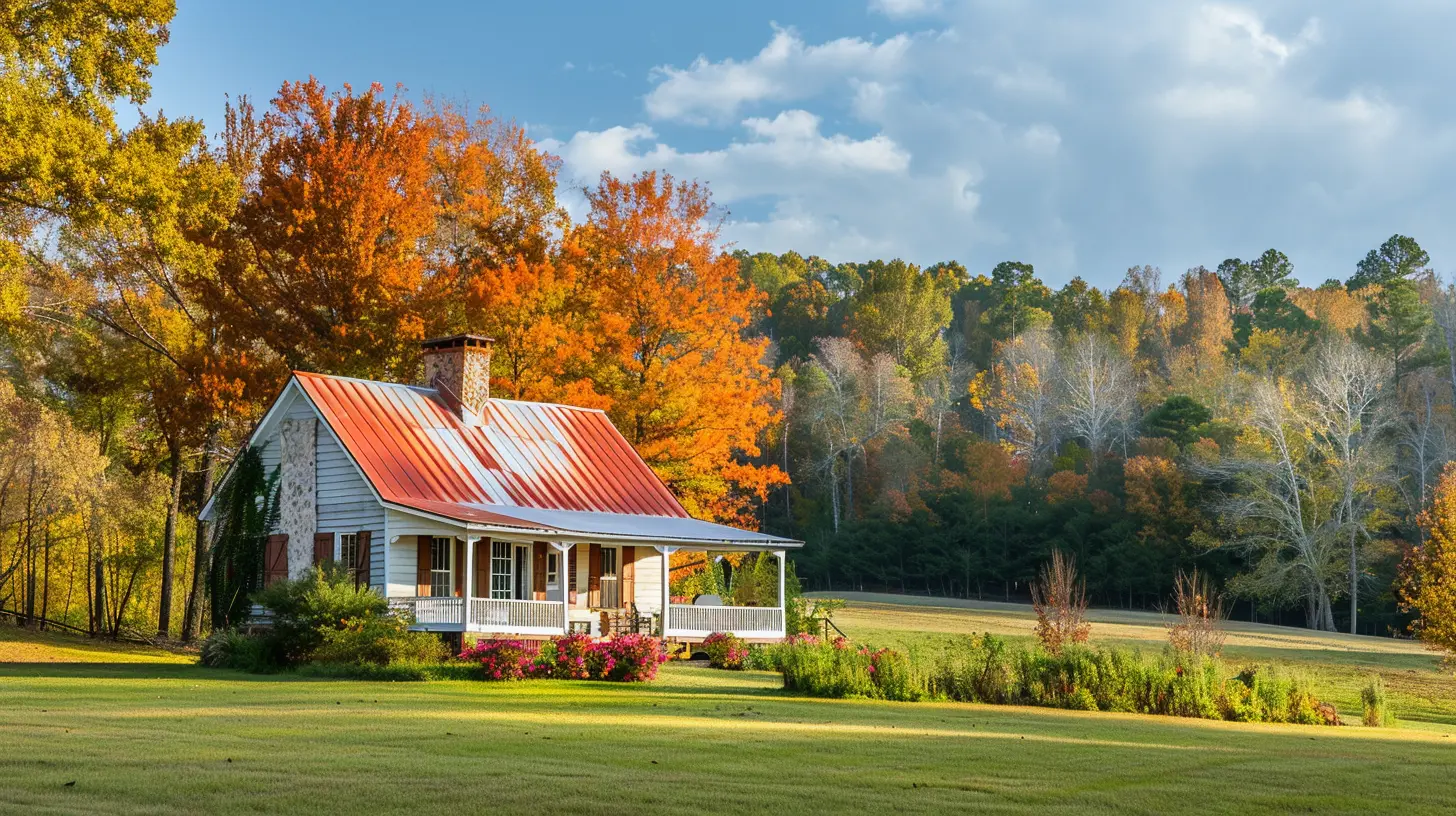
One of the most compelling reasons people are making the move to rural areas is affordability. Compared to skyrocketing urban property prices, rural homes and land are significantly cheaper.For the same price as a modest city apartment, you could own a sprawling piece of land with a house and additional outbuildings. This means you get more space, privacy, and freedom without breaking the bank.
And let’s not forget property taxes—rural areas usually have lower taxes and utility costs, making it easier to maintain ownership in the long run.
2. Peace, Privacy, and a Slower Pace
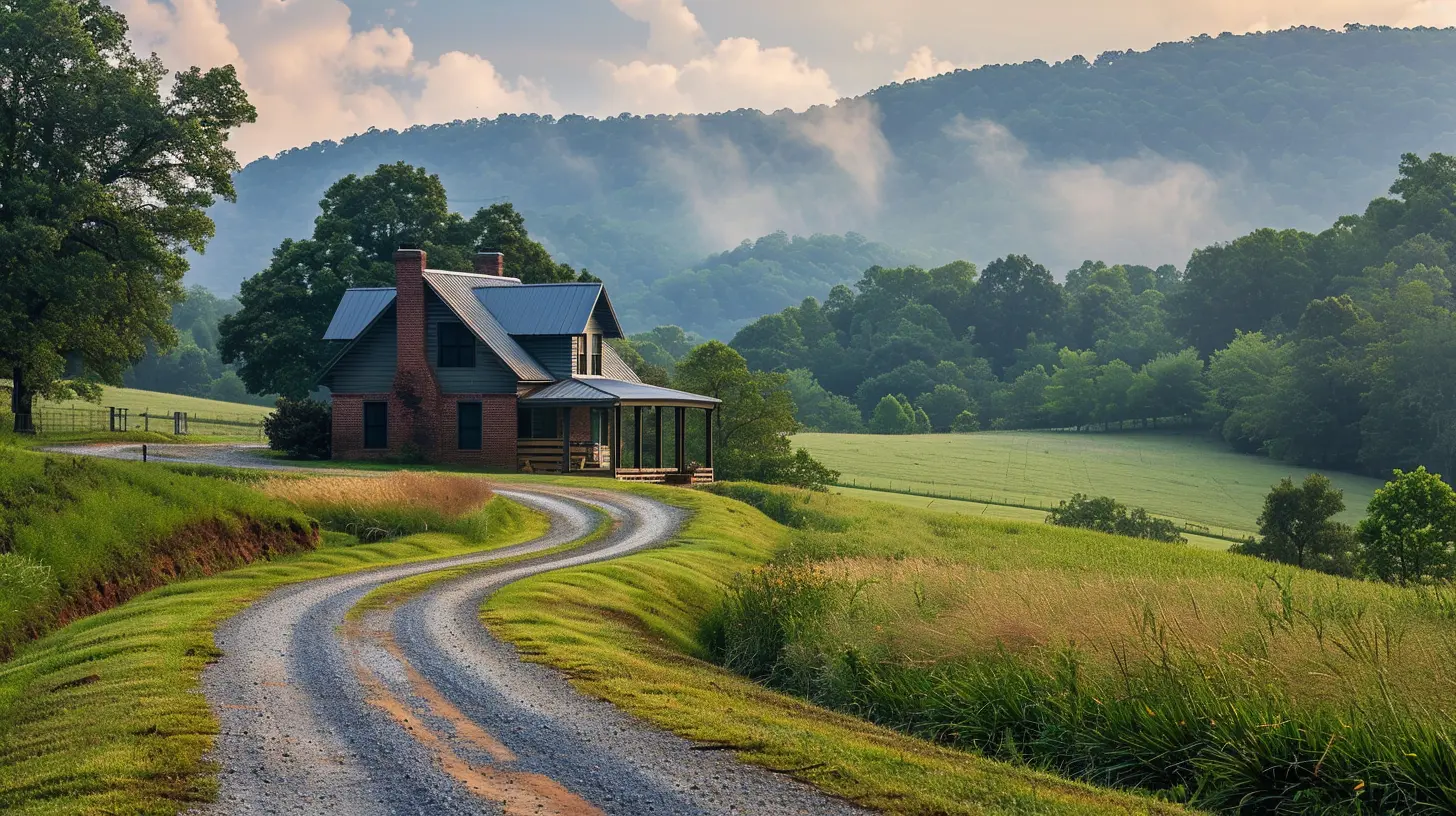
Let’s be honest—city life can be exhausting. The endless traffic, the noise, and the constant hustle can wear you down. Owning rural property means stepping into a different world—one where nature surrounds you, and silence isn't a rare luxury.Imagine waking up to birds chirping instead of honking cars. Sound appealing? That’s the beauty of rural living.
With fewer neighbors and larger plots, rural property offers unparalleled privacy. No more worrying about thin apartment walls or sharing crowded sidewalks. You have space to breathe, think, and truly relax.
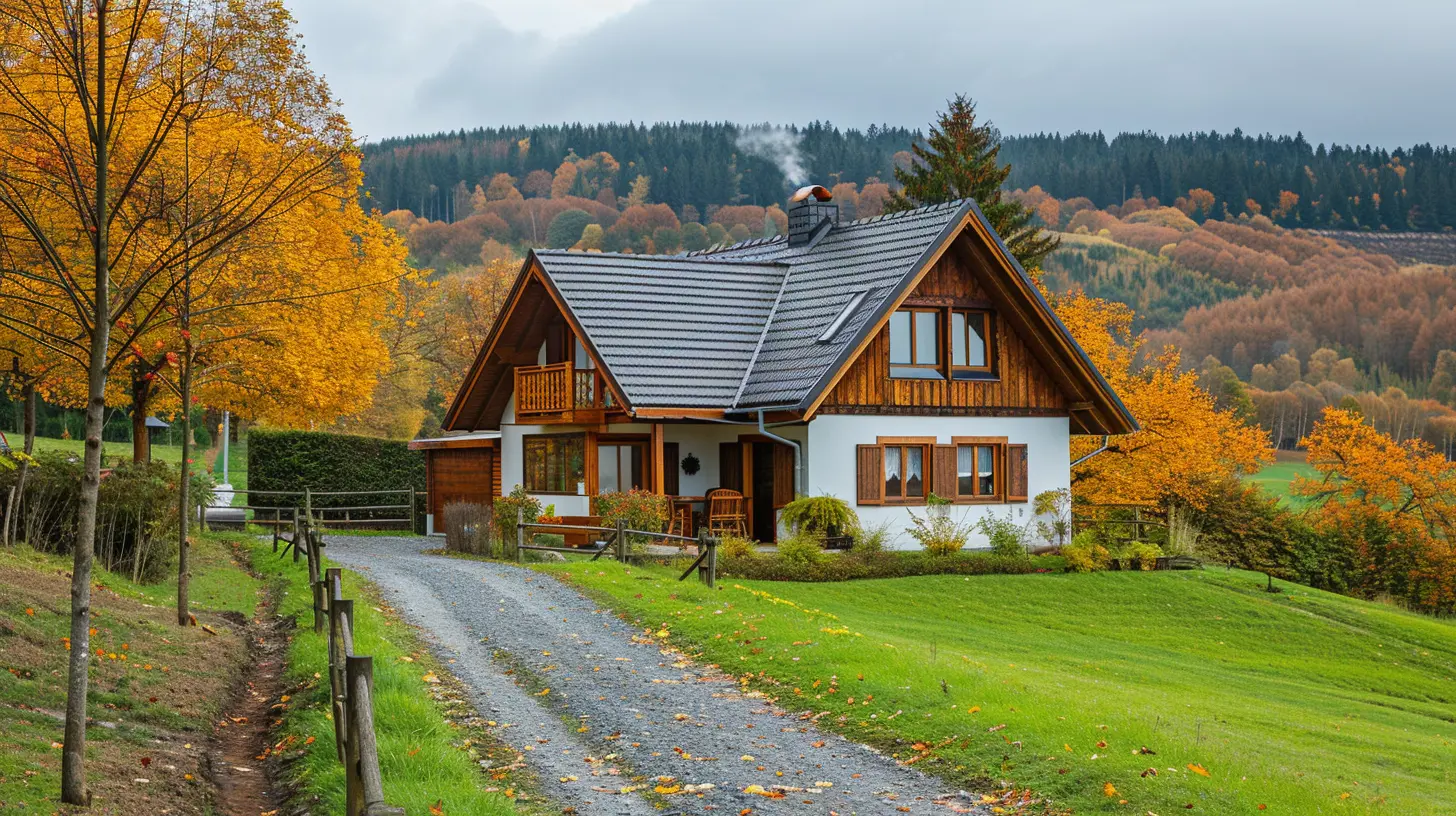
3. Investment Potential: Rural Real Estate is on the Rise
While urban housing markets fluctuate, rural properties are becoming a sought-after investment. With remote work on the rise, more people are looking for homes away from city centers. This demand is driving up rural property values, making it a smart long-term investment.Additionally, there are opportunities to use rural land for income-generating purposes. From leasing farmland and running vacation rentals to starting a small homestead business, your land could work for you in ways city apartments simply can’t.
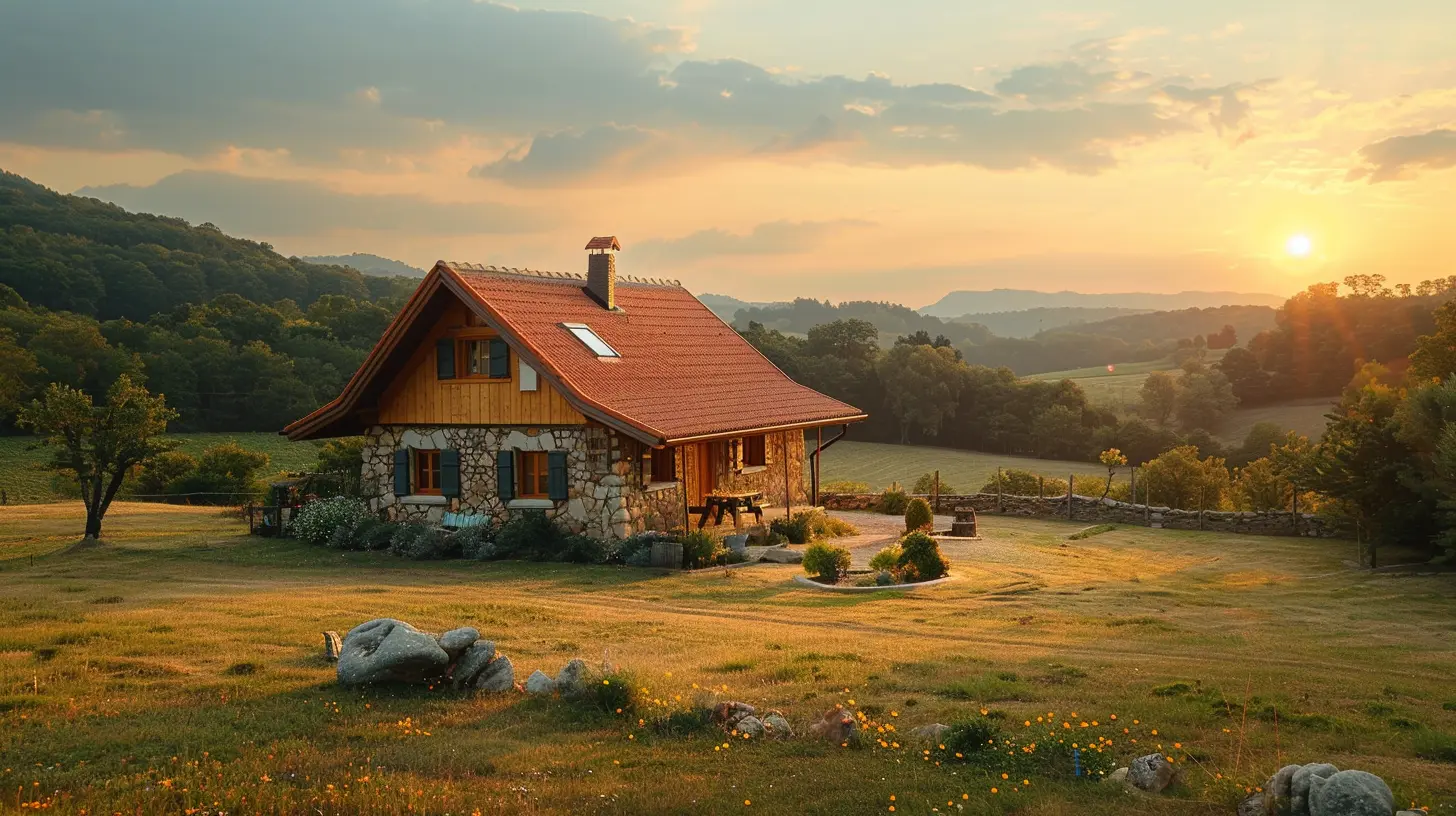
4. The Freedom to Customize and Expand
One downside of city living? Space restrictions and strict zoning laws limit what you can do with your property. In rural areas, you have far more freedom.Want to build an extra guest house? Go for it. Dreaming of a large garden, a workshop, or even a small farm? There's usually plenty of space for these projects.
Unlike the rigid HOA rules in many suburban areas, rural properties often come with minimal restrictions, allowing you to truly personalize your space to suit your needs.
5. A Healthier Lifestyle: Fresh Air and Outdoor Living
City life is notorious for pollution, crowded spaces, and limited access to nature. By moving to a rural area, you’ll be surrounded by fresh air, open spaces, and endless opportunities for outdoor activities.Hiking trails, rivers, and rolling fields become your backyard. Whether it’s fishing, horseback riding, or simply enjoying a quiet evening under the stars, rural living encourages a healthier, more active lifestyle.
And let's not forget the quality of food. Many rural homeowners take advantage of their land to grow organic produce, raise chickens for fresh eggs, or even keep bees for homegrown honey. There's something deeply rewarding about knowing exactly where your food comes from.
6. Self-Sufficiency: A Step Towards Independence
With economic uncertainties and supply chain disruptions becoming more common, owning a rural property gives you a level of self-sufficiency that city life simply doesn't offer.You could install solar panels, drill a well for water, and even grow your own food. Many rural homeowners also keep livestock, reducing their reliance on grocery stores.
This level of independence not only saves money but also provides peace of mind. In uncertain times, having a property that supports a self-sufficient lifestyle is invaluable.
7. Ideal for Remote Work and Homesteading
With remote work becoming the norm, more professionals are realizing they don’t need to stay in crowded cities. Fast internet options like satellite and fiber are making it easier to work from anywhere—including a serene rural property.Why spend hours commuting when you can be productive from a home office with mountain views or rolling pastures outside your window?
Additionally, rural living also supports the homesteading movement. More people are moving towards sustainable, off-grid living, embracing small-scale farming, and creating profitable home-based businesses right from their land.
8. Better Mental and Physical Well-being
There’s no denying that city life can be stressful. The fast pace, noise pollution, and cramped spaces can take a toll on mental and physical health. Moving to a rural property can significantly improve your well-being.Spending time in nature has been proven to reduce stress, improve mood, and enhance overall mental health. Plus, the physical activity that comes with rural life—gardening, hiking, maintaining land—keeps you active without needing a gym membership.
In short, rural living gives you room to breathe—literally and figuratively.
9. A Stronger Sense of Community
Contrary to what some might think, rural living doesn’t mean isolation. In fact, many rural communities are tight-knit, where neighbors look out for each other and lend a helping hand when needed.Local events, farmers' markets, and town gatherings create a sense of belonging that can be harder to find in urban settings where people tend to keep to themselves.
If you're looking for meaningful connections and a welcoming community, rural areas often provide just that.
10. More Opportunities for Outdoor Recreation
If you love outdoor activities, rural property ownership is a dream come true. Depending on your location, you could enjoy fishing, hunting, ATV riding, camping, and much more—all without needing to travel far.Many rural homeowners also take advantage of their land for hobbies like horseback riding, dirt biking, or even building personal hiking trails.
Living in a rural area means you'll never run out of ways to enjoy the great outdoors.
Wrapping It Up
The benefits of owning a rural property in today’s market are undeniable. Whether you’re looking for affordability, privacy, investment opportunities, or a healthier way of life, rural real estate offers something that city living simply can’t.With more professionals working remotely and people prioritizing space and quality of life, now might be the perfect time to consider making the move.
So, if you’ve been dreaming of wide open spaces, fresh air, and a more independent lifestyle, why not take the plunge? Rural property ownership may be just what you need.
all images in this post were generated using AI tools
Category:
Rural PropertiesAuthor:

Vincent Clayton