Sustainable Living: Eco-Friendly Homes on Rural Properties
3 April 2026
Introduction
Have you ever dreamed of waking up to the sound of birds, breathing in the freshest air, and living in harmony with nature? That’s the beauty of rural living. But what if you could take it a step further and create a home that not only fits into the natural landscape but also protects it? That’s where sustainable, eco-friendly homes on rural properties come in.
The world is changing, and more people are looking for ways to live greener, save money, and reduce their impact on the environment. Sustainable homes aren’t just a trend; they’re the future. Let's dive into how you can turn your dream rural home into an eco-friendly haven. 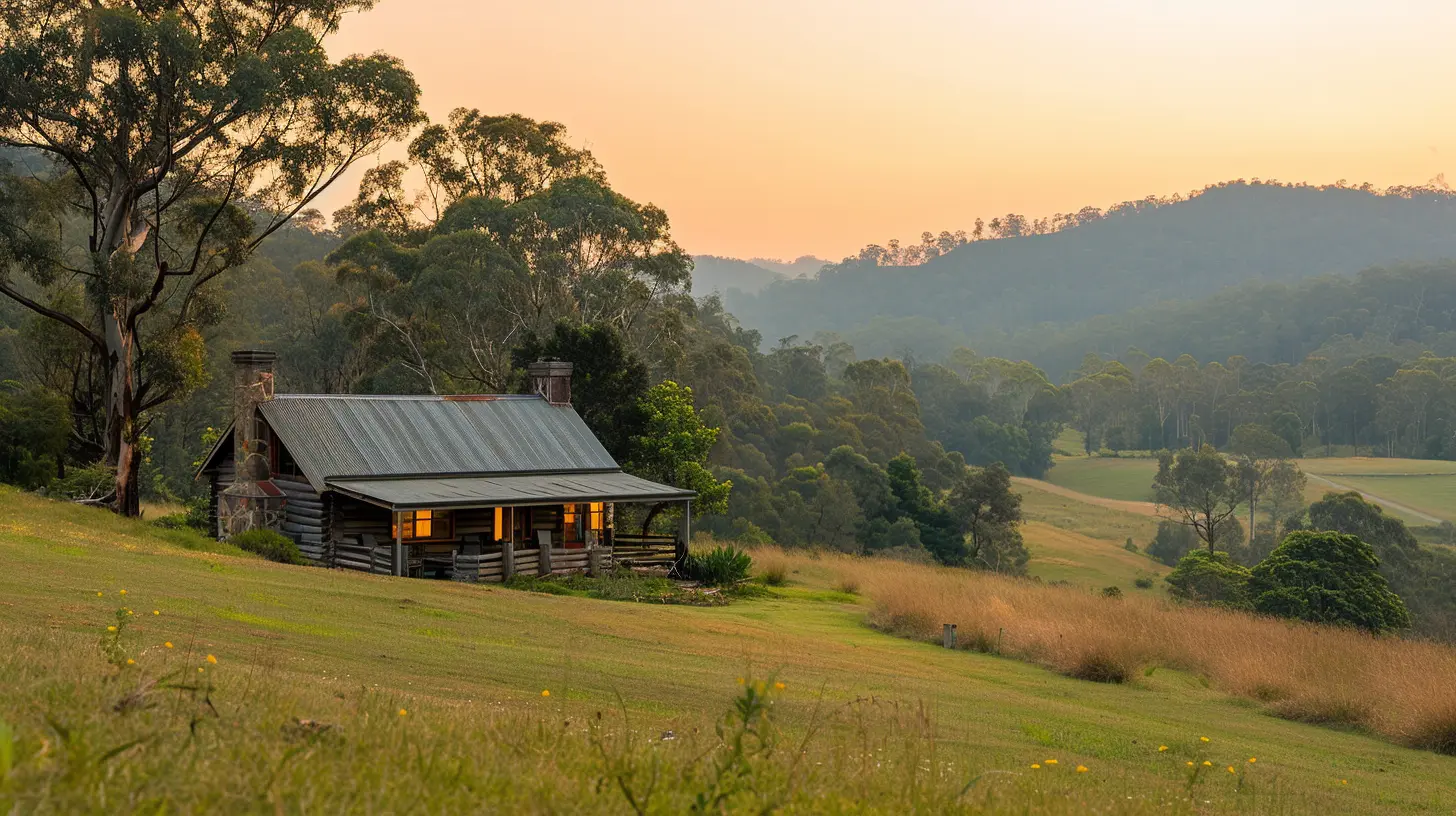
Why Choose a Sustainable Home?
Before we get into the details, let’s talk about why sustainable living matters.Sustainability isn’t just about protecting the planet (although that’s a big part of it). It’s about creating a healthier, more efficient, and cost-effective way of life. Plus, living in an eco-friendly home often means lower energy bills, better indoor air quality, and a smaller carbon footprint. Imagine using the power of the sun to fuel your home or collecting rainwater to sustain your garden—pretty cool, right?
Beyond the personal benefits, choosing sustainability helps preserve resources for future generations. It ensures that rural landscapes remain untouched and thriving, rather than being overdeveloped or polluted. 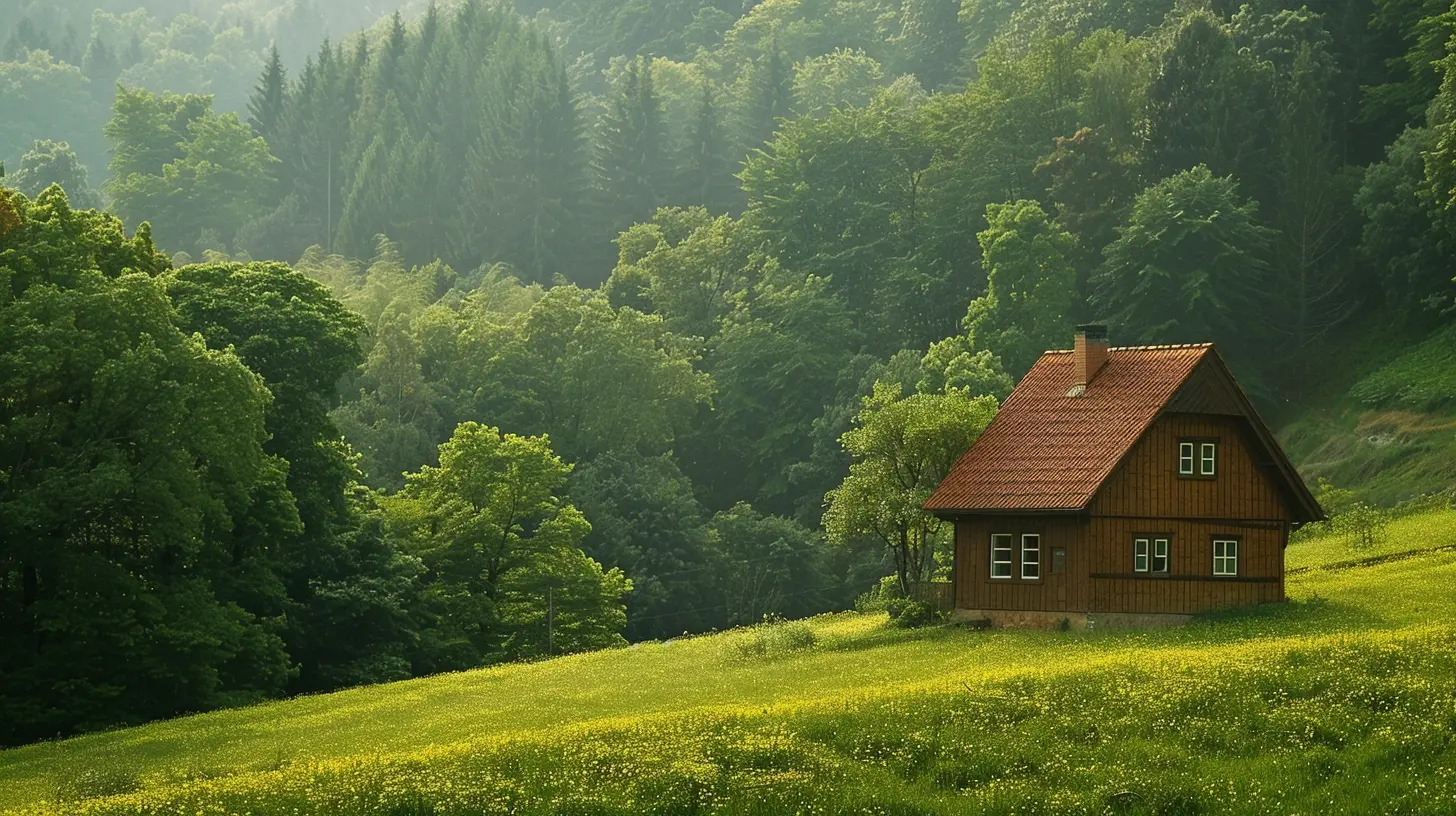
Key Features of Eco-Friendly Rural Homes
Living sustainably doesn’t mean sacrificing comfort or style. In fact, eco-friendly homes can be even more beautiful and functional than traditional ones. Let’s look at some key features that make a rural home truly green.1. Energy-Efficient Design
The foundation of any sustainable home starts with design. A well-thought-out home will naturally use less energy and maintain comfortable temperatures year-round.- Passive Solar Design – This means positioning your home and windows in a way that maximizes natural sunlight. It reduces the need for artificial lighting and heating in colder months.
- Proper Insulation – High-quality insulation keeps your home warm in winter and cool in summer, reducing energy use.
- Energy-Efficient Windows & Doors – Double or triple-pane windows with proper sealing can prevent energy loss.
2. Solar Power & Renewable Energy
One of the biggest perks of rural living is the ability to harness renewable energy sources. Solar panels, wind turbines, and geothermal heating systems can help power your home without depending on fossil fuels.- Solar Panels – These can provide electricity for your entire home and, in some cases, even allow you to sell excess energy back to the grid.
- Wind Energy – If your rural property is in a windy area, small wind turbines can be a great way to generate power.
- Geothermal Heating & Cooling – This system uses the earth’s natural temperature to regulate your home’s climate efficiently.
3. Sustainable Building Materials
The materials you use to build or renovate your home play a huge role in sustainability. Consider eco-friendly alternatives instead of traditional materials:- Reclaimed Wood – Adds character to your home while reducing deforestation.
- Bamboo – A highly renewable resource that’s stronger than regular wood.
- Recycled Metal & Glass – Perfect for roofing, windows, and design accents.
- Adobe or Rammed Earth – Natural materials that provide excellent insulation and durability.
4. Water Conservation Systems
Rural properties often rely on well water or rainwater collection. Sustainable homes take water conservation seriously to ensure resources aren’t wasted.- Rainwater Harvesting – Collecting rainwater for irrigation, flushing toilets, and even drinking (with proper filtration).
- Greywater Recycling – Using wastewater from sinks and showers for landscaping.
- Low-Flow Fixtures – Installing water-efficient toilets, showerheads, and faucets to reduce unnecessary water use.
5. Eco-Friendly Waste Management
Where does your waste go when living in a rural area? Composting and responsible waste management can significantly reduce your footprint.- Composting Toilets – These break down waste naturally, reducing the need for traditional septic systems.
- Organic Waste Composting – Turning food scraps and yard waste into nutrient-rich soil for your garden.
- Recycling Stations – Even in rural areas, it’s crucial to set up a dedicated space for recycling materials like plastic, glass, and metal.
6. Sustainable Landscaping & Gardening
What’s a rural property without a lush, green yard and gardens? With the right approach, you can cultivate food, nurture wildlife, and conserve resources.- Native Plants – Choosing plants that naturally thrive in your climate reduces water use and maintenance.
- Permaculture Gardens – A self-sustaining way to grow your own food while improving soil health.
- No-Till Farming – Reduces soil erosion and keeps the land fertile for longer.
7. Off-Grid Living
One of the biggest joys of rural living is the ability to detach from conventional utility systems. An off-grid lifestyle means total energy independence and self-sufficiency.- Solar Batteries – Store excess energy to use on cloudy days.
- Backup Generators – A must-have for emergencies.
- Alternative Cooking Methods – Wood-burning stoves or solar ovens can replace traditional gas or electric stoves. 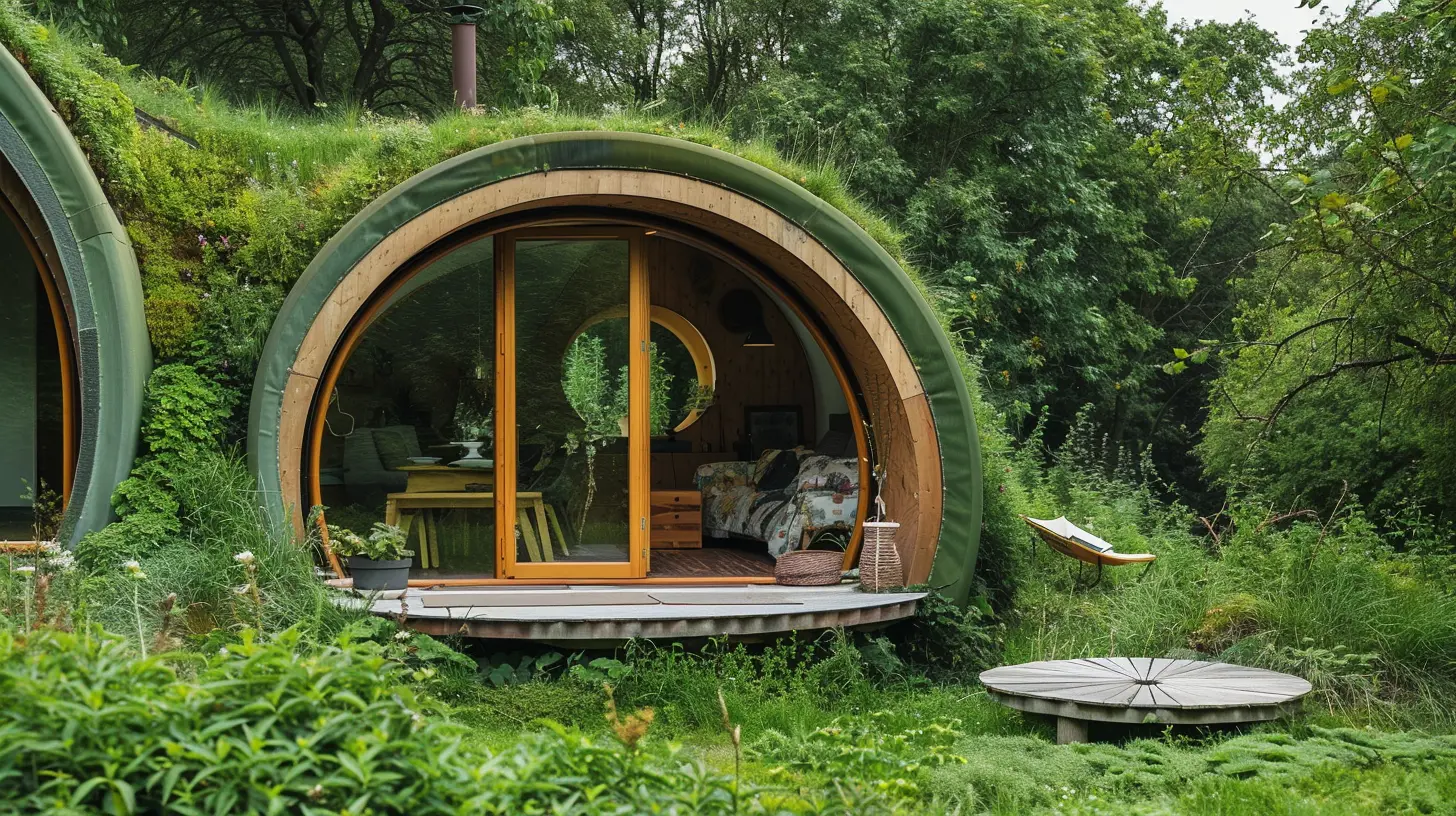
Challenges of Sustainable Rural Living (And How to Overcome Them)
Like anything in life, sustainable living comes with challenges. But the good news? There’s always a solution.1. Higher Upfront Costs
Sustainable materials and technology might cost more upfront, but they pay off in the long run through lower bills and fewer repairs. Think of it as an investment in your future comfort and savings.2. Learning Curve
If you’ve never lived off-grid or managed an eco-friendly home before, there’s a learning process. But don’t worry—there are plenty of resources, communities, and experts to help you out.3. Zoning Laws & Building Regulations
Some areas have strict building codes that may not align with your sustainable goals. Research local laws beforehand and consider working with an architect who specializes in eco-friendly homes.4. Access to Services
Rural properties might lack some traditional services like garbage pickup or municipal water. But with composting, rainwater collection, and self-sufficient utilities, you can manage just fine.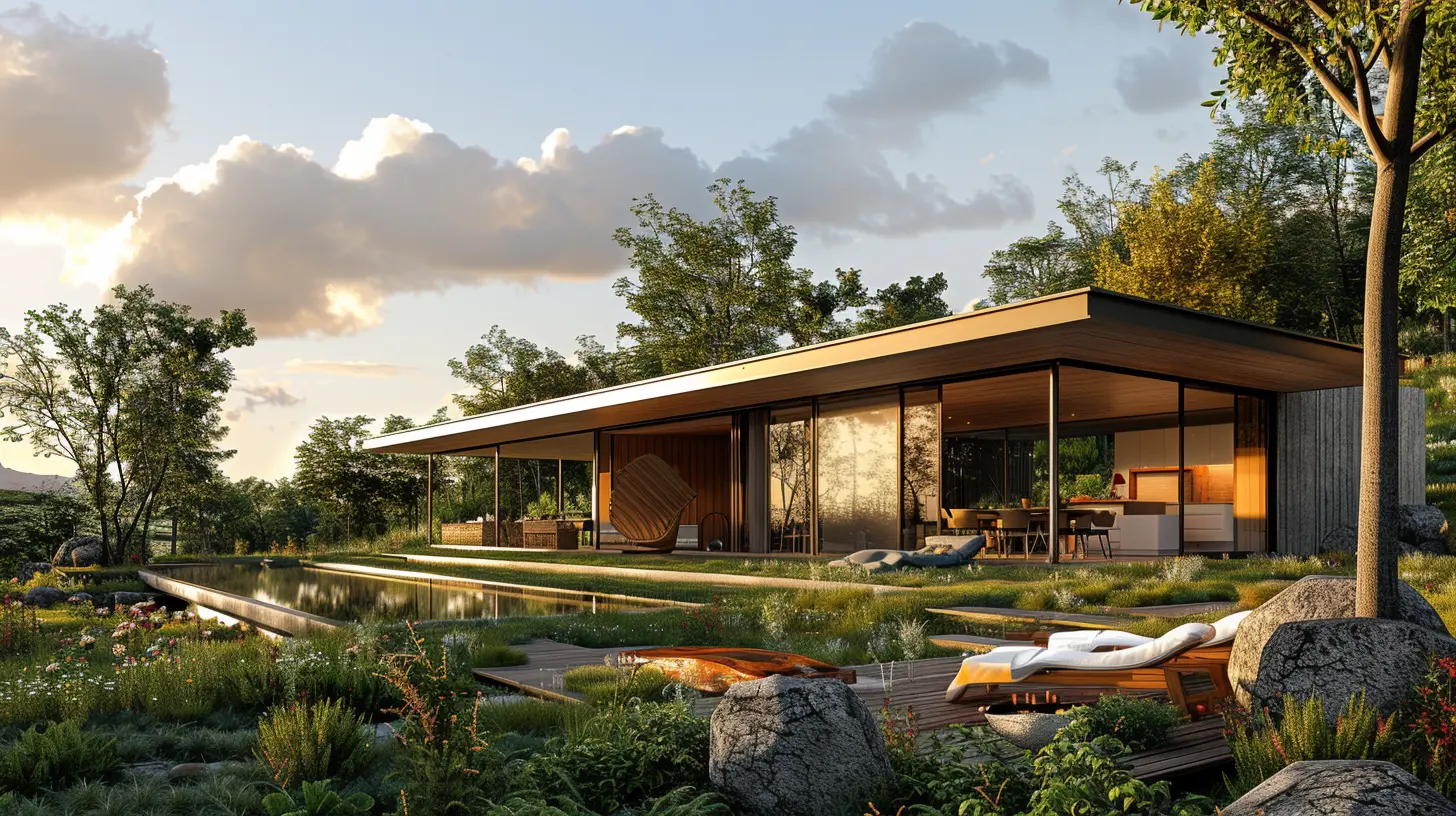
Final Thoughts
Sustainable living on a rural property isn’t just about helping the environment—it’s about creating a healthier, more affordable, and rewarding lifestyle. Imagine waking up in a home powered by the sun, drinking water collected from the rain, and eating fresh food straight from your garden.While building an eco-friendly home takes some planning and effort, it’s a decision that pays off in countless ways. Whether you’re planning to go fully off-grid or just want to make a few sustainable upgrades, every step toward a greener home makes a difference.
So, what do you think? Is sustainable rural living your dream lifestyle? If so, now is the perfect time to start planning your eco-friendly home.
all images in this post were generated using AI tools
Category:
Rural PropertiesAuthor:

Vincent Clayton
Discussion
rate this article
2 comments
Coral Jacobs
Great insights! Eco-friendly homes are essential for a sustainable future. Thanks for sharing this valuable information!
April 7, 2026 at 3:16 AM
Vincent Clayton
Thank you for your kind words! I'm glad you found the information valuable. Together, we can promote sustainable living!
Icarus McNeal
In nature’s embrace, where green dreams dwell, Eco-friendly homes weave a harmonious spell. Rural whispers of life, earth's gentle caress, Sustainable living, a future we bless. Here, every heartbeat sings of balance and grace.
April 6, 2026 at 3:44 AM
Vincent Clayton
Thank you for beautifully capturing the essence of sustainable living! Your poetic perspective highlights the harmony we can achieve with nature through eco-friendly homes.