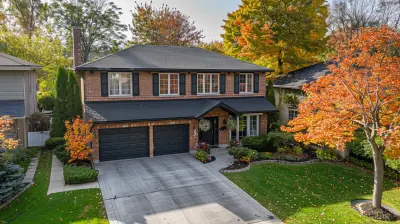
Reverse Mortgages: Unlocking Your Home’s Equity
12 February 2026
So, you’ve spent years (maybe even decades) chipping away at that mortgage, painting the living room “eggshell” for the third time, and perfecting the lawn that would make your neighbors jealous. Now you’re in retirement (or thinking about it), sipping coffee on your porch and wondering—now what?
Enter stage left: the reverse mortgage. It sounds like financial voodoo at first glance, right? Mortgage? But… reversed? Is this like Benjamin Button’s version of buying a house?
Well, not quite. But it's definitely one of the quirkier tools in the financial toolbox, and it might just be the key to unlocking some serious cash from your home sweet home.
Let’s dive into the nitty-gritty—without the boring bits.
What Is a Reverse Mortgage, Anyway?
Alright, let’s keep it simple:A reverse mortgage is a special kind of loan for homeowners aged 62 and older. Instead of you paying the bank every month like in the ol’ days, the bank pays you. Mind blown? We know.
Technically speaking, it allows you to convert part of your home’s equity into cash without having to sell or give up ownership of your beloved nest. It’s like your house is paying you rent… except you already own it. Magic? Nope—just smart financing.
Why Would Anyone Want a Reverse Mortgage?
Great question! Let’s look at a few real-life scenarios:- You've retired but want to supplement your income without picking up a part-time gig folding sweaters at the mall.
- Medical bills? Surprise home repairs? Or maybe you just really, really want to finally take that bucket-list trip to Tuscany.
- You’re “house rich, cash poor.” (C’mon, you know that phrase.) Meaning, your money is tied up in your home, but your bank account is giving you sad puppy eyes.
A reverse mortgage can give you liquid cash—monthly payments, a lump sum, or even a line of credit—to use however you like. Think of it as your home’s way of saying “thanks for everything.”
How Does a Reverse Mortgage Actually Work?
Here’s where it gets juicy (and don’t worry, we’ll keep the finance jargon to a minimum).When you take out a reverse mortgage, the lender gives you money based on your home’s value and how much equity you’ve built up. Over time, interest and fees get added to the loan balance. The kicker? You don’t have to repay it until:
- You sell the home
- You move out permanently (like into an assisted living facility)
- Or, ahem, you pass on (we know, not fun to talk about, but hey—life happens)
At that point, the loan gets repaid—usually by selling the house. Anything left over goes to your heirs. Yes, they still get something from the family castle.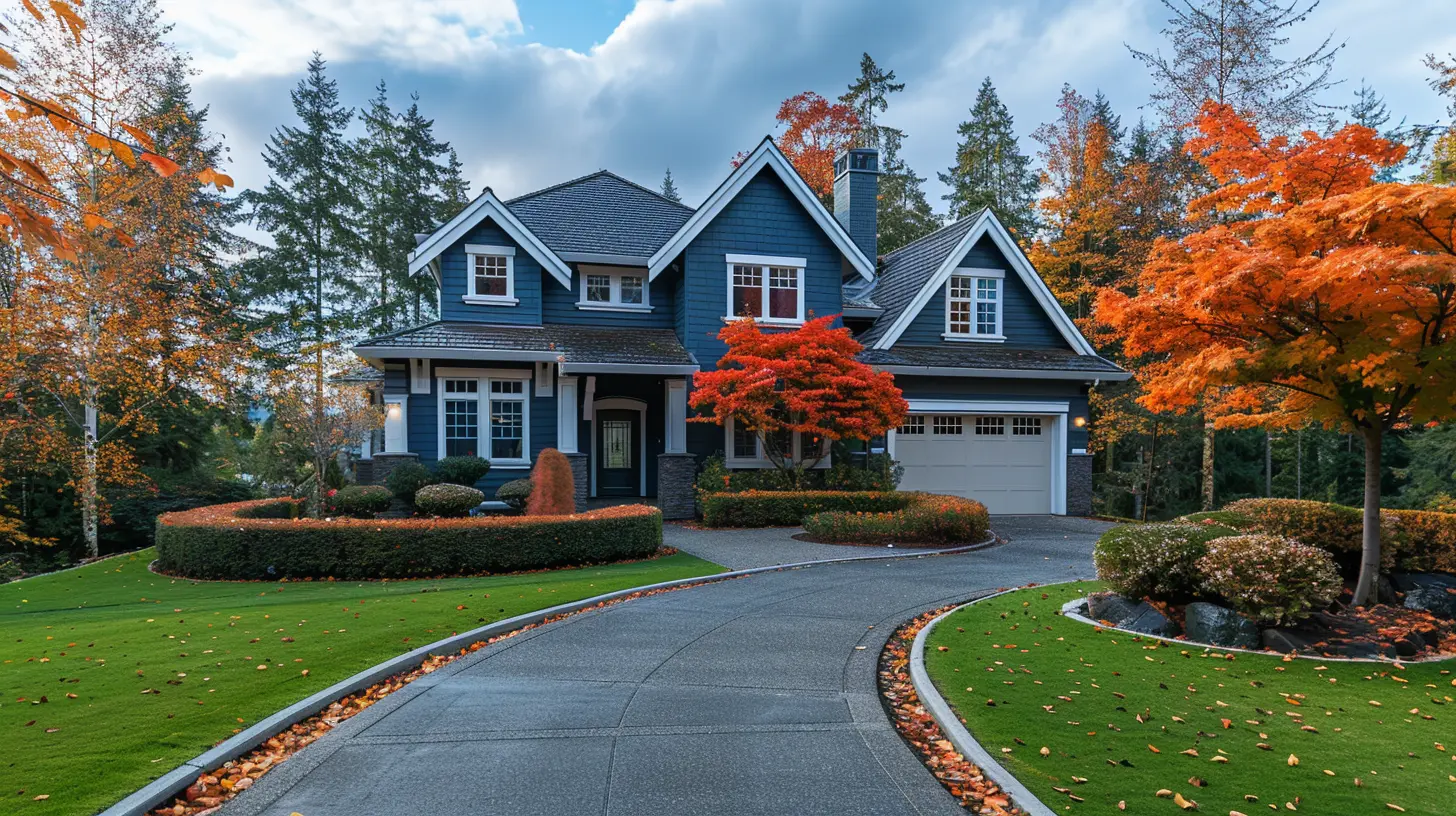
The Different Flavors of Reverse Mortgages
Yep, just like your favorite ice cream shop, reverse mortgages come in a few different varieties. Let's break them down:1. Home Equity Conversion Mortgage (HECM)
This is the vanilla of reverse mortgages—classic, reliable, and backed by the federal government. Most people go this route. You can choose how to receive your money (lump sum, monthly payments, line of credit, etc.), and it comes with some counseling and protections built-in.2. Proprietary Reverse Mortgages
Got a high-value home? This one’s for you. These are private loans, not backed by the government. They often allow you to borrow more than a HECM would, but the details vary by lender. Fancy, right?3. Single-Purpose Reverse Mortgages
These are offered by some local or state governments and can only be used for one specific purpose—like home repairs or paying taxes. They’re usually limited in scope but might come with lower fees.Pros and Cons: The Good, The Bad, and The “Huh?”
Let’s do a little pro/con balancing act, shall we?✅ The Upside (See what we did there?)
- No monthly mortgage payments – Say goodbye to that bill in your mailbox.- Stay in your home – Live right where you are. No moving trucks needed.
- Tax-free income – Yep, the money you get isn’t taxed. Uncle Sam gives it a pass.
- Flexible money options – Pick how you want your payments—your cash, your choice.
- Great for long-term planning – Reverse mortgages can act as a backup income source when markets take a nosedive.
❌ The Not-So-Fun Stuff
- You’re accruing interest – That loan balance grows every month.- It’s not for everyone – If you plan to move soon or don’t have much equity, this might not work for you.
- Your heirs might sell the home – After you’re gone, someone’s gotta pay up.
- Fees and costs aren’t peanuts – There are upfront costs, including mortgage insurance, and closing fees.
- Can affect benefits – It might impact eligibility for need-based programs like Medicaid.
Who’s a Good Candidate for a Reverse Mortgage?
Let’s be honest—reverse mortgages aren’t one-size-fits-all yoga pants. But they can be a great fit for:- Retirees with most of their net worth tied up in their home
- Folks planning to age in place
- Those needing additional income for healthcare or lifestyle
- Homeowners with strong equity in their property
If you’re someone who wants to enjoy retirement without worrying about outliving your savings, this might be your jam.
How Much Can You Actually Get?
Ah, the million-dollar (or maybe $200,000) question.Here’s what affects your reverse mortgage payday:
- Your age (older = you usually get more)
- Home value
- Current interest rates
- Outstanding mortgage balance
Let’s say your home’s worth $500,000 and you own it free and clear. Depending on the math, you might be able to access anywhere from 40-60% of that value. Not too shabby.
Quick tip: A reverse mortgage calculator can give you a ballpark. No smoke and mirrors—just numbers.
But Wait, Do You Still Own Your Home?
100% yes. This is a biggie and one of the most common myths.You’re still the homeowner. Your name stays on the title. You keep all the responsibilities (and joys) of the home—maintenance, taxes, insurance, decorating for the holidays—you name it.
The lender doesn't swoop in and take your house like some mortgage Grim Reaper. They just get paid back later. Big difference.
Common Misconceptions That Need Busting
Let’s play a quick round of “Myth vs Fact”:- ✖️ “The bank takes my house.” – 💥 False. You're still the HBIC (Homeowner Boss in Charge).
- ✖️ “I can’t leave anything to my kids.” – 💥 Not true. Your heirs can sell the home, repay the loan, and keep the rest.
- ✖️ “I need perfect credit.” – 💥 Not required. Your equity does the heavy lifting here.
How to Get Started (Without Overwhelming Yourself)
First things first: talk to a counselor. A HUD-approved reverse mortgage counselor is required for HECMs and will walk you through the ins, outs, and sideways of the process.Then:
1. Find a reputable lender (bonus points if they’re known for hand-holding and answering “silly” questions)
2. Get a home appraisal (to determine its value)
3. Review and sign the paperwork, if everything looks good
4. Receive your funds and start enjoying some well-earned financial breathing room
Real Talk: When a Reverse Mortgage Isn’t the Right Move
Let’s keep it real—reverse mortgages aren’t a cure-all.If you plan to move in the next few years, it’s probably not worth it. If your home needs major repairs and you can’t afford them, that could also be a roadblock (homes must meet FHA standards for HECMs). And if you don’t have enough equity to make the numbers work—well, the math won't lie.
Also, if passing your full home value to heirs is your top priority, this might not align with your bigger plans. It's all about priorities (and spreadsheets, if you're into those).
Final Thoughts — Is This Financial Sorcery or Smart Strategy?
Look, a reverse mortgage isn’t a magic money tree. But if used wisely, it can be a powerful tool in your financial chess game. It can allow you to enjoy the equity you've worked hard to build, while still staying in the home you love.It’s not for everyone, sure, but for the right person at the right time? It can turn a locked-up asset into a flexible retirement cushion.
So if you’ve been eyeing that home equity with a “what if…” twinkle in your eye, now you know your options.
Your house? It’s more than just where you hang your hat—it might just be your financial MVP in retirement.
all images in this post were generated using AI tools
Category:
Reverse MortgagesAuthor:

Vincent Clayton
Discussion
rate this article
2 comments
Catherine Larsen
This article on reverse mortgages offers valuable insights into how homeowners can tap into their equity. It's an excellent resource for those considering this option, providing clarity on benefits, potential risks, and essential considerations to make informed financial decisions.
February 20, 2026 at 5:08 AM
Vincent Clayton
Thank you for your feedback! I’m glad you found the article informative and helpful in understanding reverse mortgages.
Runeveil McKibben
Turning your home into a piggy bank? Sounds like a quirky treasure hunt for seniors!" 🏡💰
February 16, 2026 at 9:41 PM
Vincent Clayton
Absolutely! It’s a unique way for seniors to access funds while enjoying their home’s value. 🏡💰