Landscaping Considerations for Your Rural Dream Home
9 March 2026
So, you've finally found the perfect piece of land to build your rural dream home. Congratulations! Now comes the fun (and sometimes overwhelming) part—designing your outdoor space. Landscaping isn’t just about making your property look beautiful; it’s about function, sustainability, and creating a space where you can truly feel at home.
But before you start planting trees or digging up soil, there are important considerations to keep in mind. Rural properties come with unique challenges and opportunities, from soil conditions to wildlife interactions. Let's dive into what you need to consider to transform your land into a one-of-a-kind paradise.
1. Understanding Your Land’s Natural Features
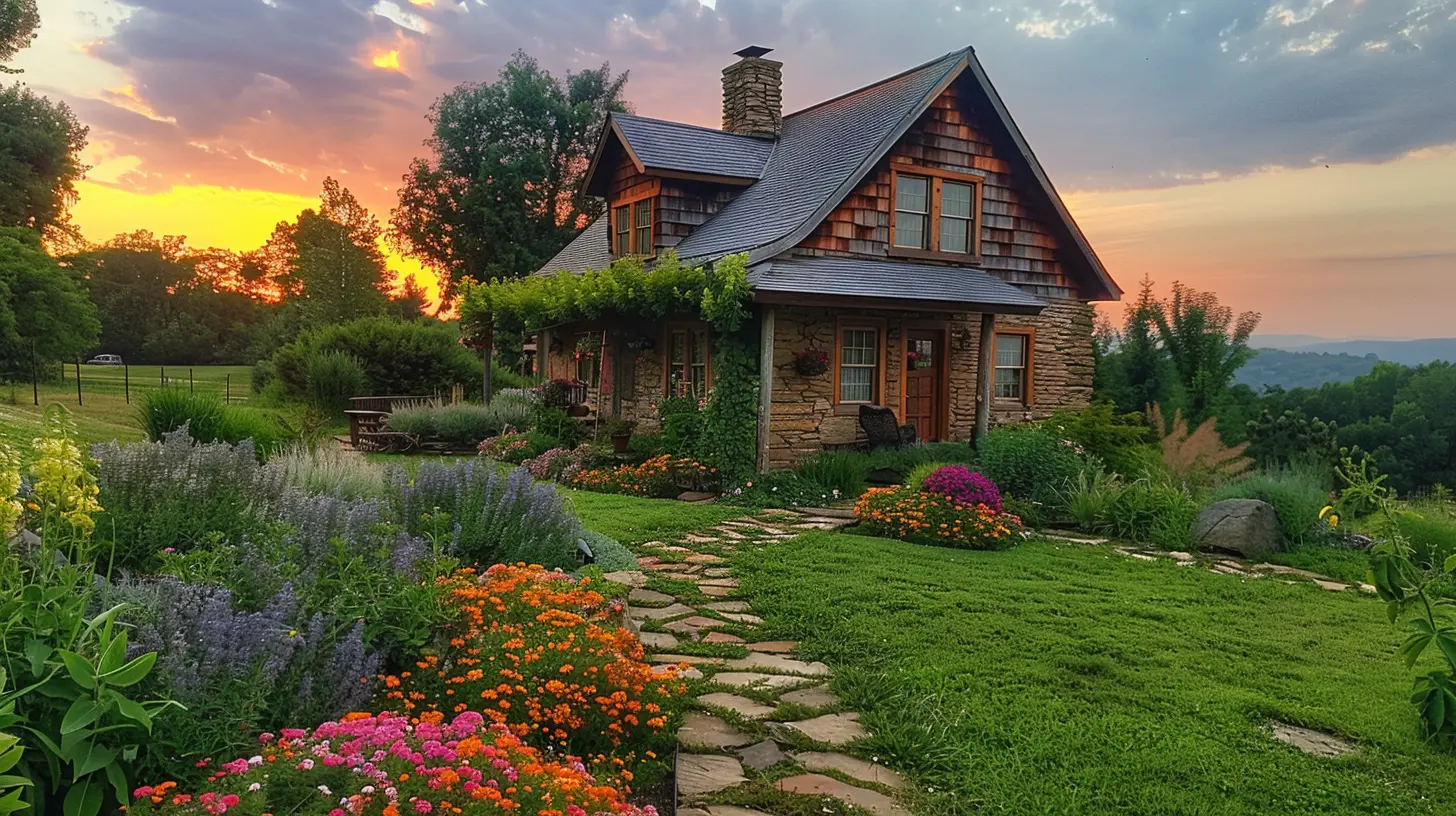
One of the biggest mistakes homeowners make when landscaping rural properties is forcing a vision that doesn’t align with the land. Instead of fighting against nature, work with it!Assess the Soil
Your land’s soil will determine what plants will thrive. Is it sandy, loamy, or clay-based? A simple soil test can reveal its pH levels and nutrient content. Based on this, you can decide what plants to bring in—or whether you need to amend the soil for better growth.Work With the Natural Terrain
Does your property have rolling hills, dense forest, or open plains? Instead of bulldozing every hill flat or clearing every tree, think about how to enhance the natural beauty of the landscape. Those slopes might be perfect for terraced gardens, and existing trees can provide much-needed shade.Drainage and Water Flow
Undetected drainage issues can turn your dream property into a muddy mess. Take note of how water flows during a heavy rain. Areas prone to pooling might need drainage solutions such as French drains or retention ponds.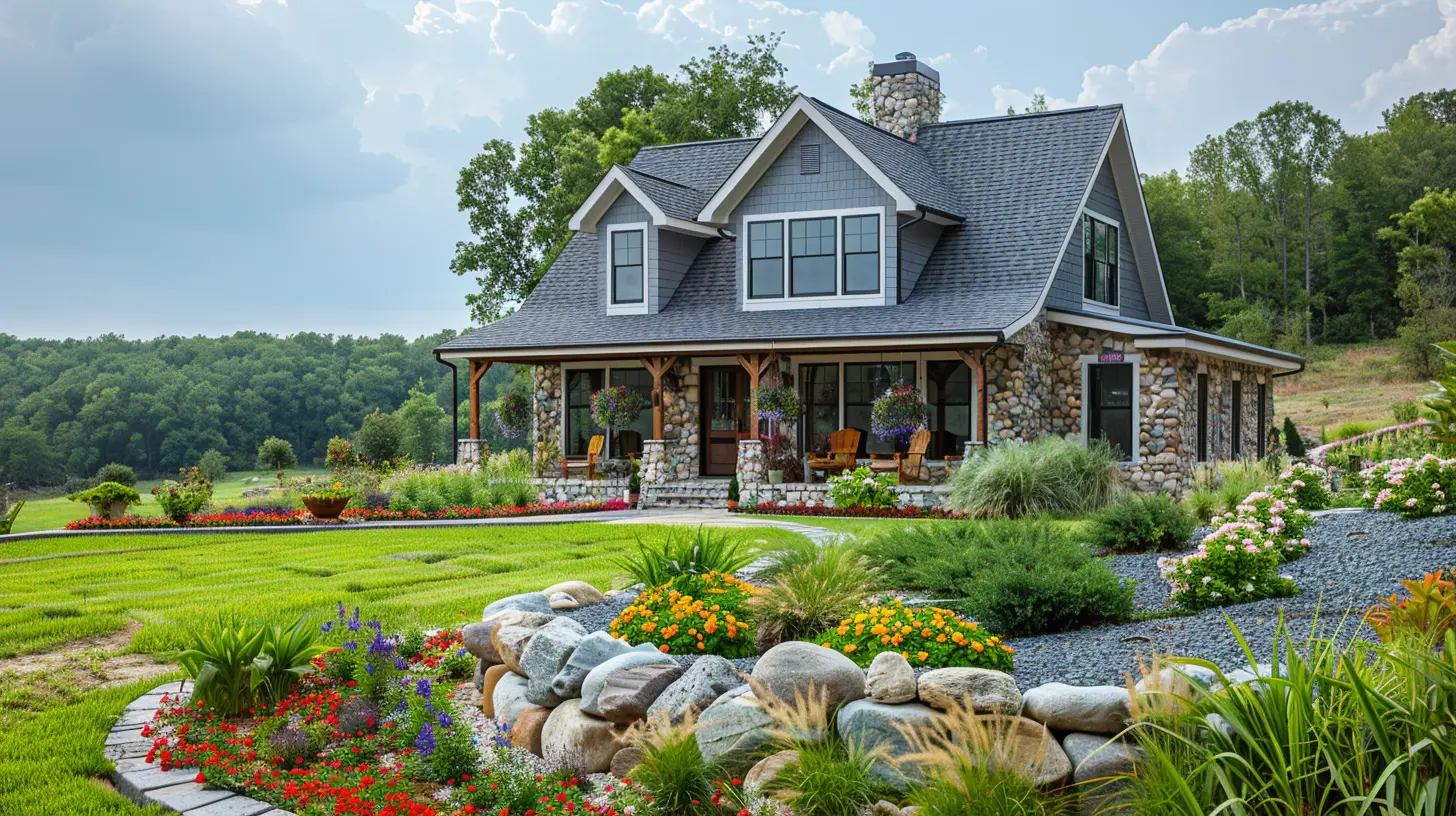
2. Choosing the Right Plants and Trees
In a rural setting, low-maintenance and native plants are your best friends. They’re already adapted to the local climate, require less water and upkeep, and attract beneficial wildlife.Opt for Native Species
Native plants are naturally resilient, meaning they need less watering and fewer chemicals to thrive. Plus, they attract local pollinators like bees and butterflies, which help keep your ecosystem balanced.Think About Trees for Shade and Wind Protection
Strategically planting trees can serve multiple purposes. If your property gets a lot of wind, a well-placed row of evergreen trees can act as a natural wind barrier. On the other hand, deciduous trees can provide shade in the summer while allowing the sun to warm your home in winter.Edible Landscaping
Why just plant for beauty when you can plant for food too? Consider adding fruit trees, berry bushes, or even a vegetable garden. Imagine stepping outside to grab fresh apples or herbs for dinner—what could be better?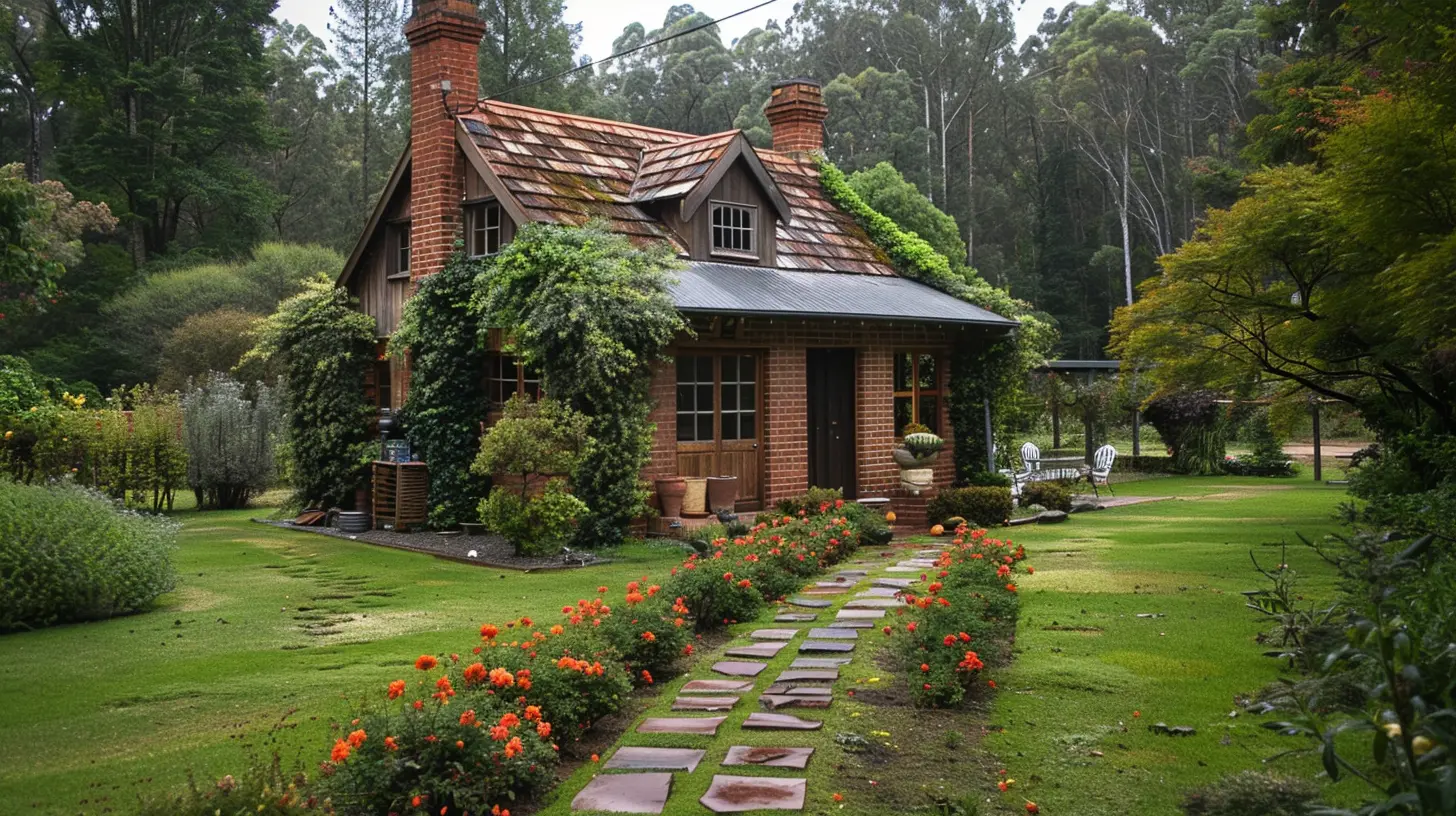
3. Wildlife Considerations
Rural living often means coexisting with wildlife, which can be both a blessing and a challenge. While deer, rabbits, and other animals are beautiful to watch, they can wreak havoc on your landscaping.Protect Your Plants
Deer love munching on young trees, flowers, and vegetables. Fencing is one of the most effective ways to keep them out. If you prefer a natural approach, opt for deer-resistant plants like lavender, marigolds, and daffodils.Encourage Beneficial Wildlife
Not all wildlife is a nuisance. Birds, bees, and butterflies help pollinate your plants, while owls and snakes keep rodent populations in check. Consider planting flowers that attract pollinators or installing birdhouses to create a balanced ecosystem.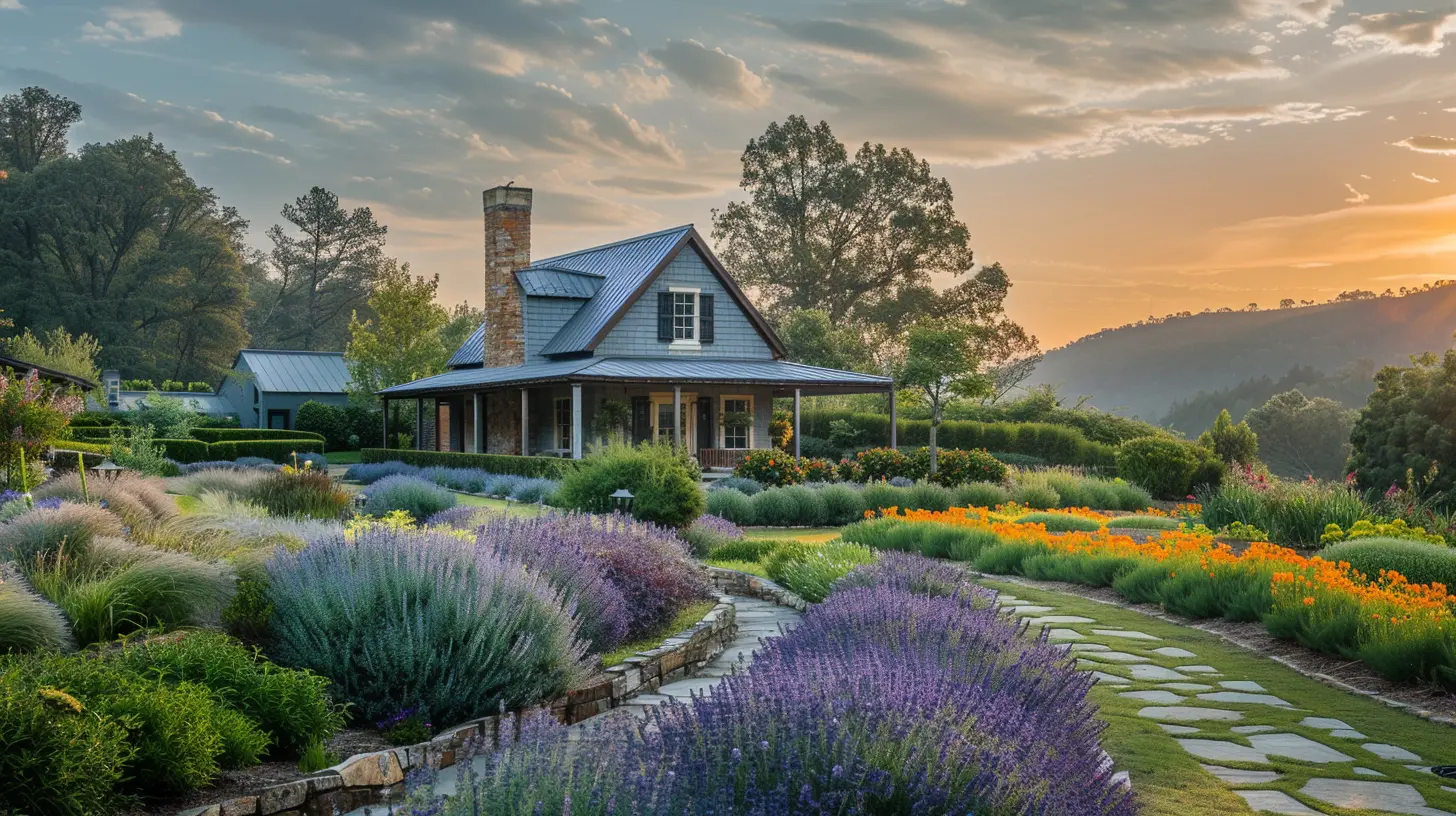
4. Water Source and Irrigation
Watering a large rural property isn’t as simple as turning on a garden hose. Consider how you’ll provide water to your landscape, especially during dry seasons.Use Rainwater Collection
Installing rain barrels or a more extensive rainwater collection system can help reduce reliance on well water or municipal sources. It’s an eco-friendly way to keep your plants hydrated.Drip Irrigation for Efficiency
Traditional sprinklers can waste a lot of water. Drip irrigation delivers water directly to the plant roots, reducing waste and keeping your garden thriving with minimal effort. It’s perfect for vegetable gardens and flower beds.5. Hardscaping Elements for Functionality
Landscaping isn’t just about plants; hardscaping elements like patios, pathways, and fences play a crucial role in defining your outdoor space.Driveways and Paths
If you have a long, unpaved driveway, think about gravel or crushed stone to prevent erosion and mud. For walkways, natural stone paths can add a rustic touch while making it easier to navigate your property.Outdoor Living Spaces
A rural home isn’t complete without an inviting outdoor space. Whether it’s a patio with a fire pit, a gazebo for relaxation, or an outdoor kitchen for family gatherings, these elements make your home more enjoyable year-round.Fencing and Property Boundaries
Depending on your needs, fencing can provide privacy, security, or animal containment. Wooden split-rail fences give a classic country look, while wire fences work well for livestock.
6. Sustainability and Low-Maintenance Landscaping
If you don’t want to spend every weekend battling weeds or watering plants, plan for a low-maintenance, sustainable landscape.Mulching for Weed Control
Adding mulch around trees and plants helps suppress weeds while keeping the soil moist. Organic mulch like wood chips or straw also breaks down over time, enriching the soil.Perennial Plants Over Annuals
Annual flowers can be beautiful, but they require replanting every year. Consider incorporating more perennials that return year after year with minimal effort.Let Some Areas Stay Wild
Not every inch of your land needs to be manicured. Allowing some areas to remain natural creates a buffer for wildlife and reduces maintenance. A wildflower meadow, for example, can be both stunning and beneficial to local pollinators.7. Seasonal Changes and Upkeep
Your rural landscape will look different each season, and planning ahead can make transitions smoother.Winter Preparations
If you live in a colder climate, think about how snow and ice will impact your plants and hardscaping. Evergreen trees can add color to an otherwise barren winter landscape, while proper grading ensures that melting snow doesn’t create drainage issues.Spring and Summer Growth
Spring is the season of new growth, which means it’s time for pruning, planting, and fertilizing. Summer, on the other hand, requires regular watering and weed control to keep everything looking its best.Fall Cleanup
As the leaves start falling, you’ll need to clear them from pathways and gardens. It’s also the perfect time for planting certain trees and shrubs so their roots can establish before winter.
Final Thoughts
Landscaping your rural dream home is a journey, not a one-time project. It’s about harmonizing with nature, making the most of your land’s natural features, and creating a space that feels like home. By planning wisely and considering sustainability, wildlife, and functionality, you’ll cultivate a landscape that not only looks stunning but also serves your needs for years to come.So, grab a shovel, get your hands in the dirt, and start transforming your property into the oasis you’ve always dreamed of!
all images in this post were generated using AI tools
Category:
Rural PropertiesAuthor:

Vincent Clayton
Discussion
rate this article
2 comments
Oberon McLanahan
Great insights! Landscaping is crucial for enhancing both the beauty and functionality of a rural home. Remember to consider local flora, drought-resistant plants, and natural features to create a sustainable, low-maintenance environment that complements your dream property.
March 21, 2026 at 11:43 AM
Vincent Clayton
Thank you! I appreciate your thoughts on incorporating local flora and sustainability in rural landscaping. It's all about blending beauty with practicality.
Vivian Wyatt
Enhance curb appeal strategically!
March 15, 2026 at 8:53 PM
Vincent Clayton
Absolutely! Strategic landscaping not only boosts curb appeal but also complements your rural home's charm and integrates it with the natural surroundings.