How to Choose the Right Type of Rural Property for Your Needs
22 March 2026
So… you’ve decided to trade the city chaos for wide open spaces, peace, and star-filled skies. Sounds dreamy, right? But before you pack up your life and move to the country, there’s something major you need to figure out: what kind of rural property is actually right for you?
Choosing the right type of rural property isn’t just about finding a picturesque farmhouse or a big chunk of land. It’s about aligning your goals, lifestyle, and resources with what the property offers. In this post, we’ll break it all down in plain English. We’ll talk about different types of rural properties, what to look for, potential pitfalls, and how to make sure you’re getting exactly what you need (and not a huge, muddy headache).
Let’s get right into it.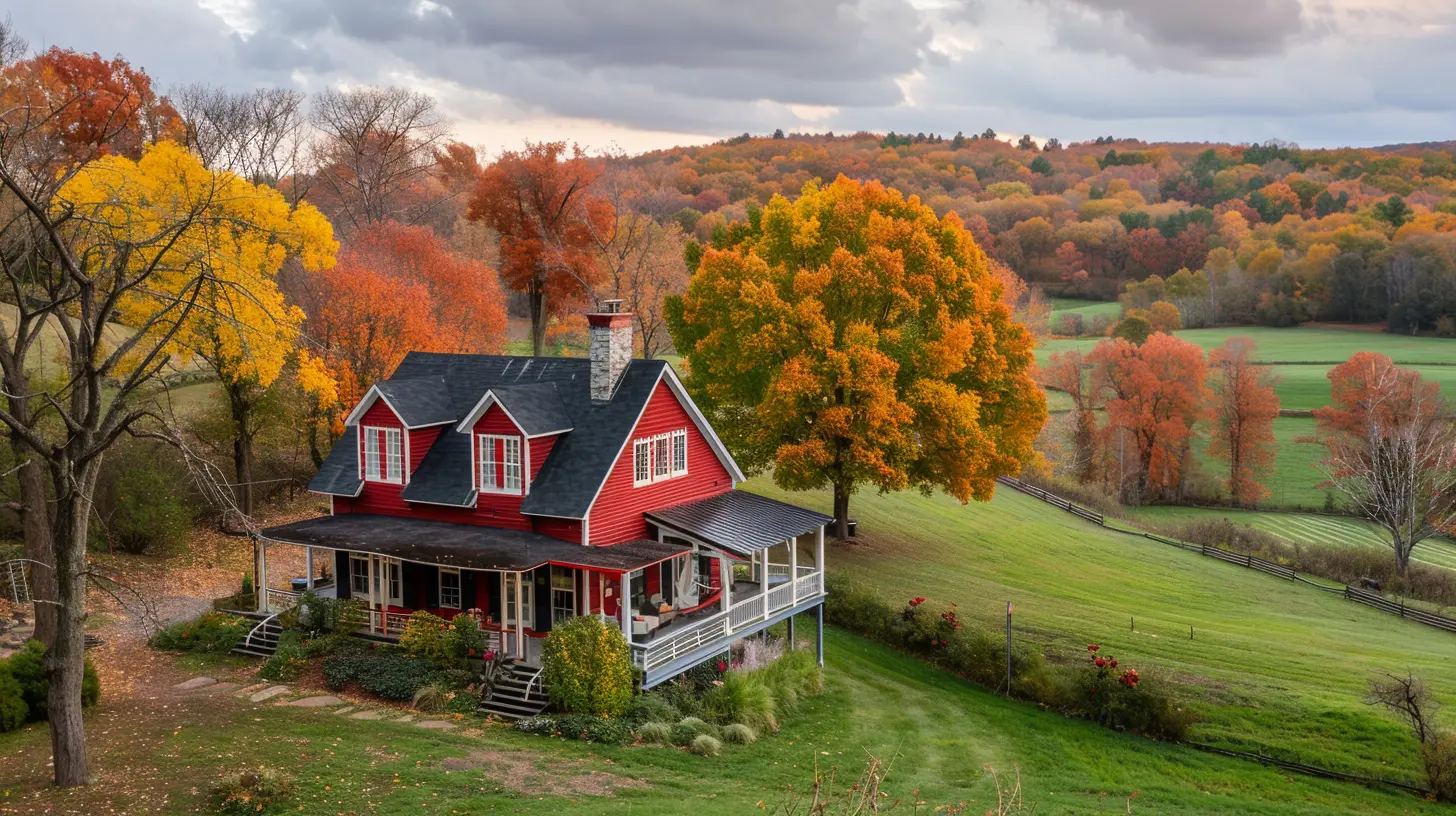
Why Rural Property?
Before we get knee-deep in the details, let’s talk about why so many people are heading for the hills (literally).Maybe you’re longing for a quieter, simpler life. Or maybe you want space for a hobby farm, horses, or even a full-blown homestead. Some folks are just looking for a weekend getaway where their phone doesn’t buzz every 30 seconds. Rural living offers a type of freedom and connection to nature that urban life simply can’t match. But it also comes with its own set of challenges—and rewards.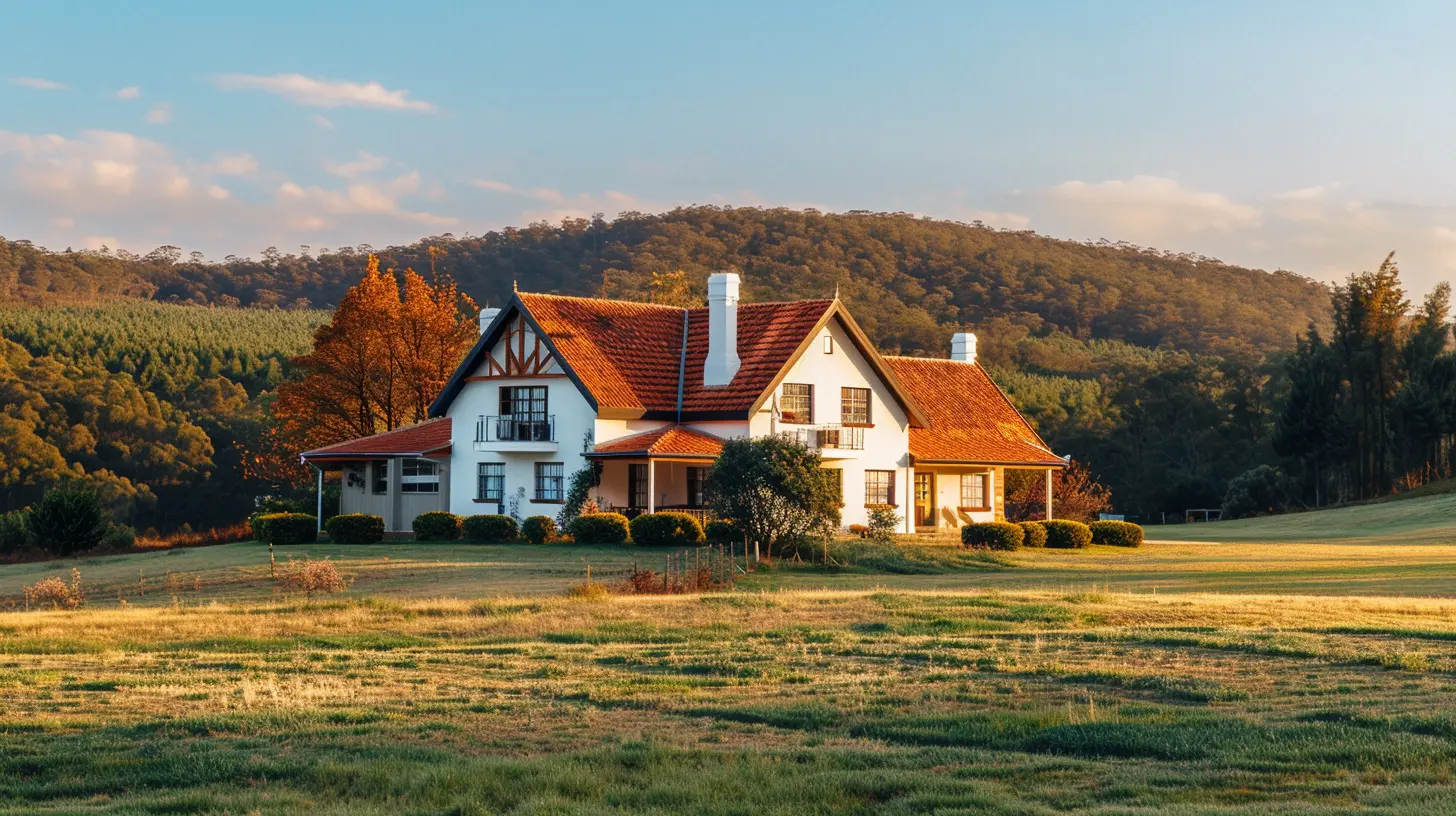
Identify Your Goals First
Here’s the deal: before you even glance at a property listing, you need to figure out your “why.” Ask yourself:- Are you looking for a place to relax and escape?
- Do you want to raise animals or grow crops?
- Are you planning to build your dream home from scratch?
- Is this going to be your permanent residence, a weekend retreat, or a future investment?
Your answers will steer the ship. A stunning 100-acre cattle ranch might sound amazing—but not if you just want a quiet spot to sip coffee on the porch.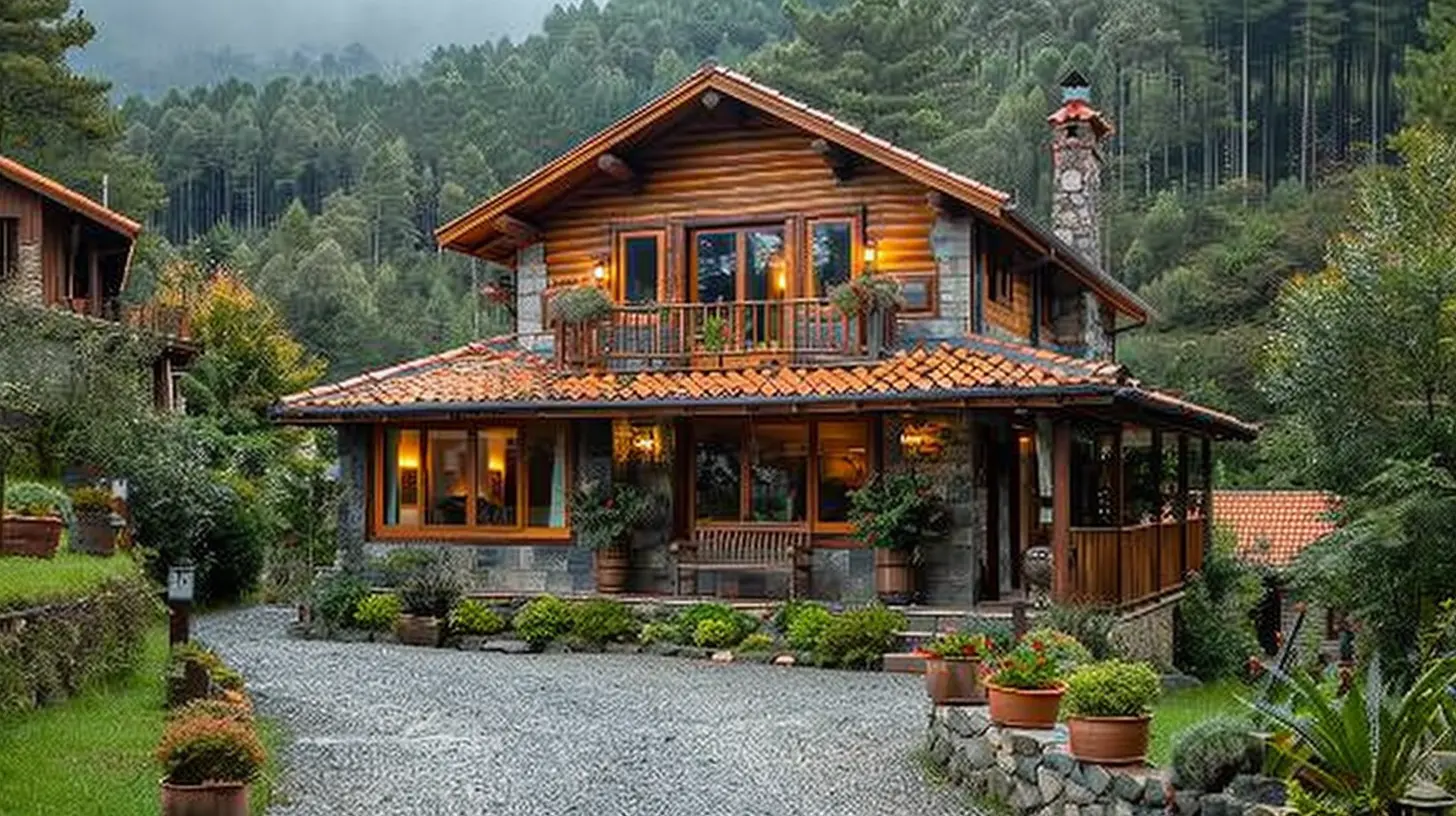
Types of Rural Property (And Who They’re Best For)
Let’s look at the different types of rural properties you might come across and who they’re best suited for.1. Farms
Want to live off the land? A farm could be your calling. These properties often come with barns, fencing, sheds, and maybe even some equipment. But more than that, they're meant for production—whether it's crops, livestock, or both.Best for: Aspiring farmers, homesteaders, self-sufficient lifestyle seekers.
What to check:
- Soil quality and water sources
- Existing infrastructure (barns, paddocks, irrigation)
- Zoning laws for agriculture
2. Ranches
Think wide open pastures, cattle, and horses. Ranches offer room to breathe and space for livestock. Maintenance is a big job, though—so be ready to roll up your sleeves.Best for: Equestrians, cattle ranchers, or folks looking for big acreage.
What to check:
- Grazing conditions
- Water access (this is huge)
- Fencing and property boundaries
3. Wooded or Hunting Land
Some buyers just want a piece of land for recreation—hunting, camping, or nature watching. These properties are often raw or partially developed.Best for: Outdoor enthusiasts, hunters, folks craving solitude.
What to check:
- Wildlife and game presence
- Accessibility (roads or trails)
- Restrictions on hunting or development
4. Recreational or Cabin Properties
These are often smaller, with a cabin or cottage, and are used seasonally. You’ll get the peace without the work of farming or raising animals.Best for: Weekend warriors, vacation home buyers, families.
What to check:
- Road access (some places get cut off in winter)
- Power, water, and septic systems
- Maintenance needs (especially if it’s rustic)
5. Raw Land
Totally undeveloped, raw land is a blank canvas. It’s often cheaper, but you’ll need vision—and maybe deep pockets—to turn it into something livable.Best for: Builders, investors, or dreamers with a plan.
What to check:
- Zoning laws
- Access to utilities and roads
- Topography and soil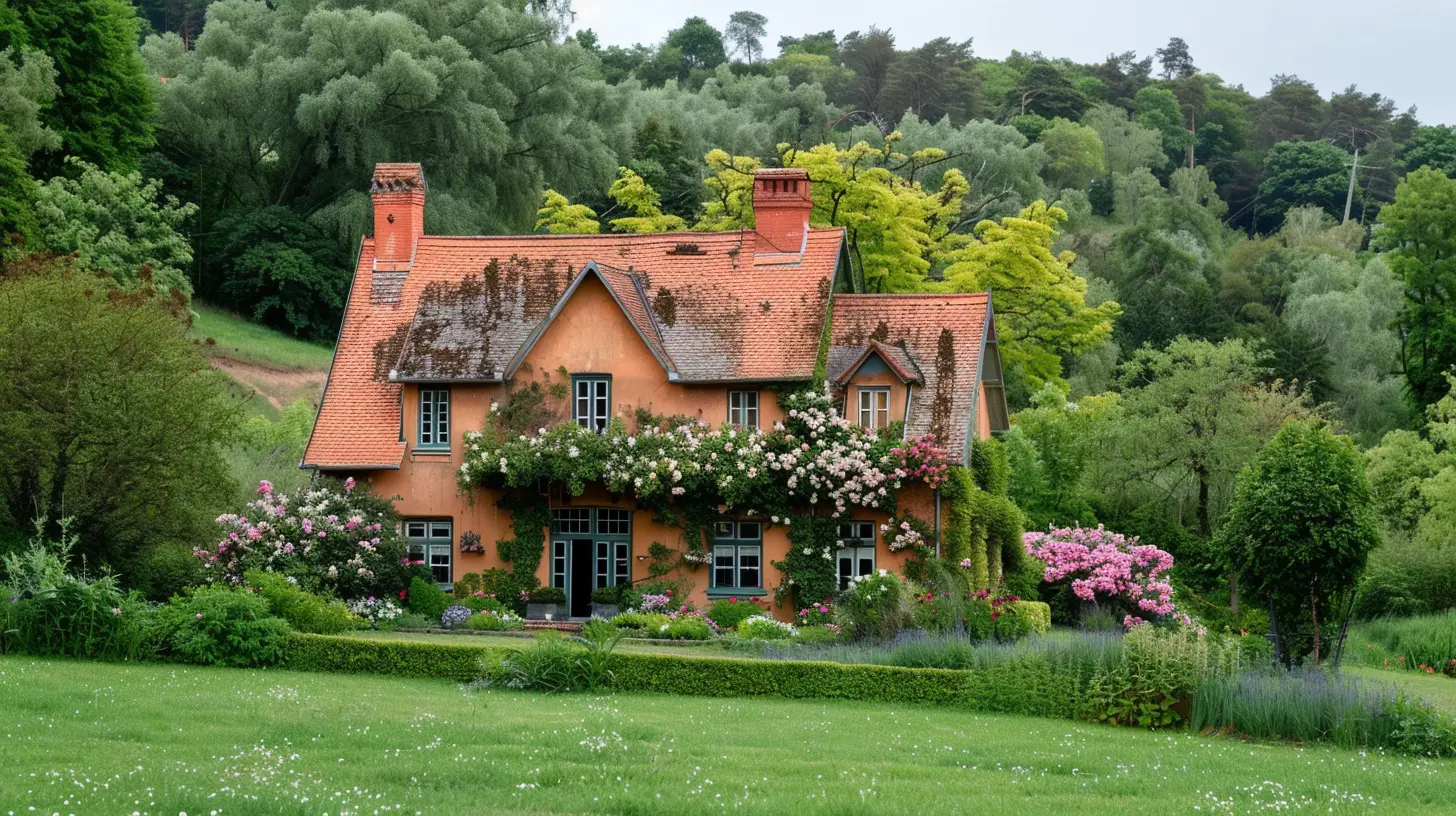
Location, Location (Yes, Still Matters in the Country)
Just because you’re buying rural doesn’t mean there's no such thing as a “bad neighborhood.” Here’s what you need to think about:Proximity to Town
How far are you willing to drive for groceries, gas, or healthcare? Being totally off-grid sounds cool—until you need a prescription refilled.School Districts
If you’ve got kiddos (or plan to), check out the local schools. Not all rural districts are equal, and this will also affect resale value.Roads and Access
Is there a paved road to the property? Can you get there in winter? A great piece of land means nothing if you can’t reach it six months a year.Evaluate the Infrastructure
You’d be surprised how many people fall in love with a rural property… and then realize it has no water, power, or internet. Yikes.Utilities
- Water: Well water? City hook-up? Make sure there’s a reliable source.- Electricity: Some rural places aren’t connected. Will you need solar panels or a generator?
- Sewage: Septic systems are common—inspect them thoroughly.
- Internet: Yep, even out here, it matters. Check your options.
If there's no infrastructure yet (especially with raw land), get estimates. Things like drilling a well or setting up power can be surprisingly expensive.
Understand the Zoning and Land Use
Don’t buy a stunning property only to find out you can’t do what you want with it.- Agricultural zoning: Perfect for farming, but may limit building options.
- Residential zoning: Great for homebuilding, but may not allow livestock.
- Forestry or conservation zoning: Might restrict development or tree removal.
Always double-check with the local county or municipality. Rules vary wildly depending on where you’re buying.
Budget Wisely (It’s Not Just About the Sale Price)
It’s easy to get tunnel vision about the listing price—but rural property comes with hidden costs.Ongoing Costs
- Property taxes (can vary based on use)- Maintenance (think fences, roads, fields)
- Equipment (you might need a tractor, trust me)
- Fuel—for everything
Upfront Costs
- Site inspections (soil, water, septic)- Legal fees (boundaries and easement checks)
- Clearing or grading land (if undeveloped)
You really need to ask yourself: “Can I afford to not just buy this property—but live with it?”
Work With a Local Real Estate Agent
You might be thinking: “I can handle this solo.” But here’s the truth—rural real estate is a different beast. A local agent who actually knows the area is worth their weight in gold. They’ll understand:- Water rights
- Mineral rights
- County restrictions
- Local lending options
Plus, they probably know the neighbors. And in the country, that stuff matters.
Don’t Skip the Property Inspection
You’d never buy a house without an inspection, right? Same goes for rural land—even if you’re just buying dirt.Important inspections include:
- Soil tests (especially if you want to grow crops or build)
- Septic and well inspections
- Environmental hazards (like flood zones or pesticide-laced soil)
- Boundary and easement surveys (make sure your driveway isn’t on someone else’s land)
Think Long-Term
Look, the romance of rural life is real. Sunsets, silence, and space are all incredible. But long-term happiness comes from realistic expectations.So ask yourself:
- Am I really cool with doing maintenance myself?
- Will the novelty wear off after a few months?
- How important is community, or will I enjoy solitude?
- Do I have a long-term plan for this property?
When you buy rural, you’re not just buying dirt or trees—you’re buying a lifestyle. One that can be deeply fulfilling… as long as you’re sure it fits you.
Final Thoughts
Choosing the right type of rural property isn’t just about finding the prettiest plot of land on Zillow. It’s about aligning your dreams with reality. It’s understanding what you want today, ten years from now, and how that land can support it.Start with your goals. Research your options. And when in doubt, lean on local experts. You’ll thank yourself when you’re sipping coffee on that porch, chickens clucking in the yard and a view that stretches for miles—and you know you made the right choice.
all images in this post were generated using AI tools
Category:
Rural PropertiesAuthor:

Vincent Clayton
Discussion
rate this article
2 comments
Lena McKale
Great insights! Identifying your lifestyle and goals is essential for selecting the perfect rural property.
March 31, 2026 at 5:01 AM
Vincent Clayton
Thanks for your feedback! Understanding your lifestyle and goals really does make a big difference in finding the right property.
Elora Chavez
Great article! Choosing the right rural property can be a rewarding journey. Your tips provide valuable insights for anyone looking to find their perfect escape. Excited to see others make informed decisions!
March 27, 2026 at 4:03 AM
Vincent Clayton
Thank you! I'm glad you found the tips helpful. Wishing everyone the best on their journey to find the perfect rural property!