Housing Market Trends and Their Impact on Reverse Mortgages
29 June 2026
The housing market is a beast of its own—one minute, it’s booming, the next, it’s hitting a slump. But have you ever thought about how these ups and downs impact reverse mortgages? If you're a homeowner looking into ways to tap into your home equity, understanding how market trends affect reverse mortgages is crucial.
Let’s break it down and see what’s really happening.

Understanding Reverse Mortgages
First things first—what exactly is a reverse mortgage?A reverse mortgage is a type of home loan designed for homeowners aged 62 and older. Unlike traditional mortgages, where you make monthly payments to a lender, a reverse mortgage allows homeowners to convert a portion of their equity into cash while still living in their home.
Sounds great, right? But here’s the catch: the loan balance increases over time as interest accrues, and repayment is typically required when the homeowner sells, moves out permanently, or passes away.
Now, let’s explore how the ever-changing housing market impacts this financial tool.
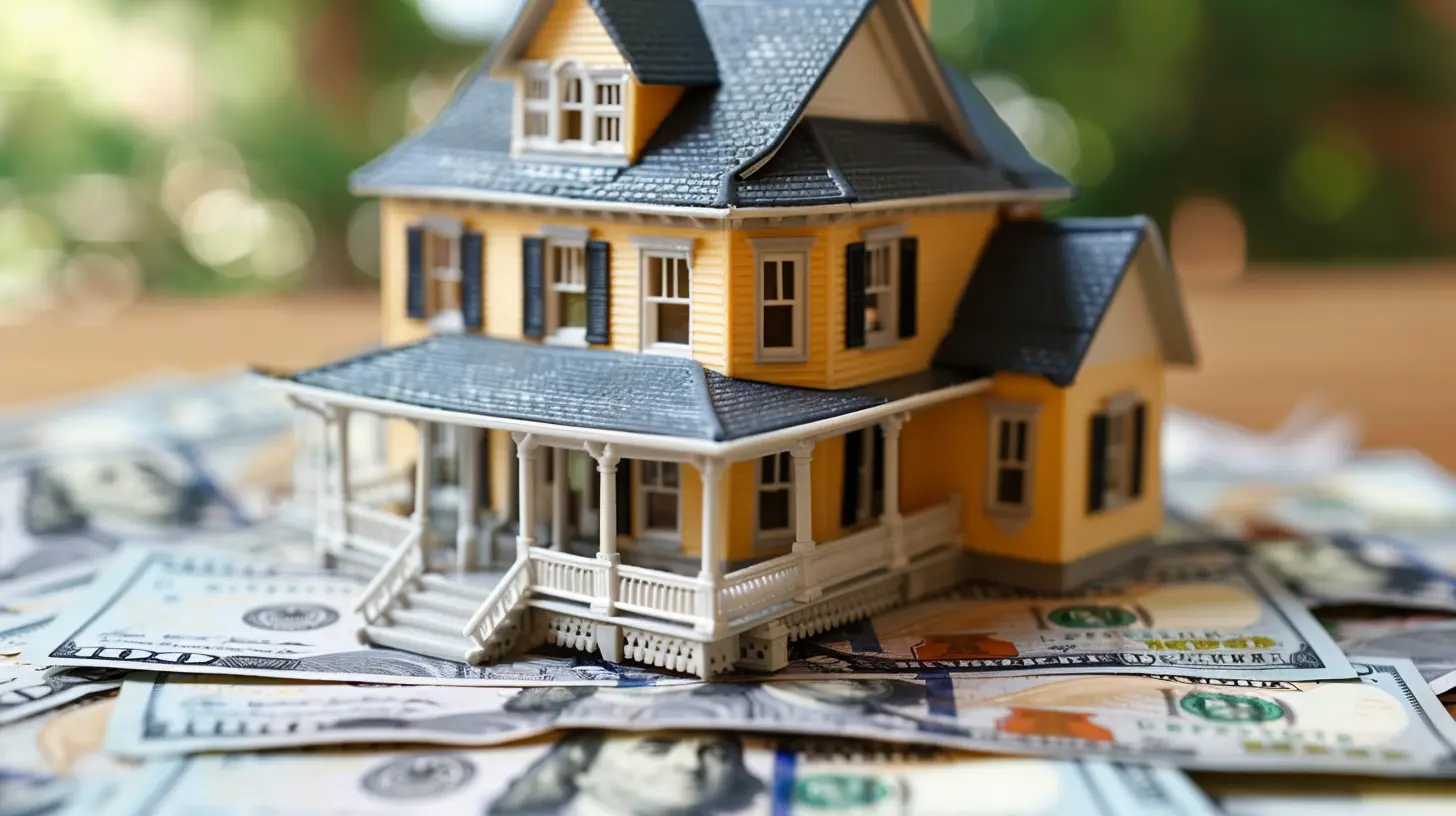
How Housing Market Trends Influence Reverse Mortgages
The housing market isn’t just about buying and selling—it has a direct influence on reverse mortgages. Factors like home values, interest rates, and market stability all determine how much a borrower can get from a reverse mortgage.1. Rising Home Values: More Equity, More Borrowing Power
When home values rise (as they have in many areas over the past decade), homeowners can tap into more equity. A higher appraised value means a bigger loan amount for those considering a reverse mortgage.But what happens when housing prices drop?
A declining market can reduce the value of your home, which means less available equity. If home values drop too much, homeowners may struggle to get the amount they originally expected.
The Good News
If you already have a reverse mortgage, rising home values can work in your favor. Why? Because some lenders allow borrowers to refinance their reverse mortgage and possibly access even more equity when their home value goes up.2. Impact of Interest Rates on Reverse Mortgages
Interest rates are like the heartbeat of the housing market—they’re always moving. For reverse mortgages, interest rates play a key role in determining how much you can borrow.Why Do Rates Matter?
When interest rates are low, borrowers usually qualify for larger loan amounts. But when rates rise, the amount you can borrow decreases.That’s because interest accumulates over time in a reverse mortgage. Higher rates mean a faster-growing loan balance, reducing the amount lenders are willing to offer upfront.
During periods of increasing interest rates (like we've seen recently), new reverse mortgage borrowers may not get as much equity as those who secured their loan during a low-rate period.
3. Housing Supply and Demand: What It Means for Reverse Mortgage Borrowers
The supply and demand of the housing market affect overall home values and sales trends. When there’s a high demand for homes and low inventory, home prices increase, which benefits reverse mortgage borrowers.On the flip side, if the market cools down and demand drops, home prices decline. For homeowners considering a reverse mortgage, a sluggish market could mean lower loan amounts than anticipated.
4. Economic Uncertainty and Its Effect on Reverse Mortgages
Economic downturns, recessions, or financial instability can significantly impact the housing market.During uncertain times, home prices may stagnate or decline, and lenders could tighten their requirements. But here’s where reverse mortgages may actually shine.
Many retirees turn to reverse mortgages in tough economic conditions as a way to supplement their income when retirement accounts or investments suffer. Since reverse mortgages don’t require monthly payments, they can provide financial relief when other income sources take a hit.

Pros and Cons of Taking a Reverse Mortgage in Today's Market
If you’re thinking about getting a reverse mortgage, it’s important to weigh the pros and cons based on current housing trends.Pros:
✅ Increased home values can mean more borrowing power.✅ Can act as a financial cushion during economic downturns.
✅ No monthly mortgage payments required.
✅ Can help homeowners stay in their homes longer while accessing needed cash.
Cons:
❌ Falling home prices can limit loan amounts.❌ Higher interest rates reduce the amount homeowners can borrow.
❌ The loan balance increases over time, reducing home equity.
❌ If home values drop significantly, there could be challenges for heirs when repaying the loan.
Is Now a Good Time to Get a Reverse Mortgage?
So, with everything going on in the housing market, is now a good time to consider a reverse mortgage?It depends on your situation. If your home has appreciated significantly in the past few years and you need extra cash, now could be a great time to tap into that equity before market conditions change.
However, if interest rates continue rising, you might not be able to access as much cash as you could have during lower-rate periods. Keep an eye on home values in your area and consult a financial advisor before making a decision.
Tips for Making the Most of a Reverse Mortgage in This Market
? Lock in a reverse mortgage while interest rates are still reasonable. If rates are climbing, acting sooner rather than later could secure a better deal.? Consider refinancing later. If home values continue to rise, you may be able to refinance your reverse mortgage and access more equity down the road.
? Plan for fluctuations. If your home is in an area that may see price drops, factor that into your decision.
? Use your reverse mortgage wisely. Whether you use it to cover daily expenses, pay off debt, or supplement retirement savings, make sure it aligns with your long-term financial plan.
Final Thoughts
The housing market is always changing, and those changes directly impact reverse mortgages. Understanding how home values, interest rates, and economic conditions affect your borrowing options can help you decide if a reverse mortgage is the right choice for you.If you're considering one, now might be a great time—especially if home values in your area are still strong and interest rates haven’t skyrocketed yet. Just make sure to weigh the pros and cons carefully before making a move.
After all, your home is one of your biggest assets—why not make the most of it?
all images in this post were generated using AI tools
Category:
Reverse MortgagesAuthor:

Vincent Clayton
Discussion
rate this article
1 comments
Esther Carrillo
Understanding housing market trends is crucial for homeowners considering reverse mortgages. Staying informed empowers you to make confident financial decisions that can enhance your retirement and secure your future.
July 18, 2026 at 2:46 AM