Effective Pest Control Strategies to Protect Your Property
4 August 2026
Let’s face it—nothing ruins your peace of mind faster than spotting a cockroach in the bathroom or hearing something scurrying in the attic. Whether it's termites chewing through your home’s foundation like it’s a buffet, or ants hosting a parade on your kitchen counter, pests can be more than just annoying. They pose real risks to your property, your health, and your wallet.
Pest control isn’t a “set it and forget it” kind of deal. It’s a strategy—a mixture of prevention, monitoring, and action. So, if you're a homeowner, landlord, or real estate investor trying to keep your property safe and pest-free, you’re in the right place.
Let's break down practical, effective pest control strategies that work. We'll keep it simple, real, and actionable.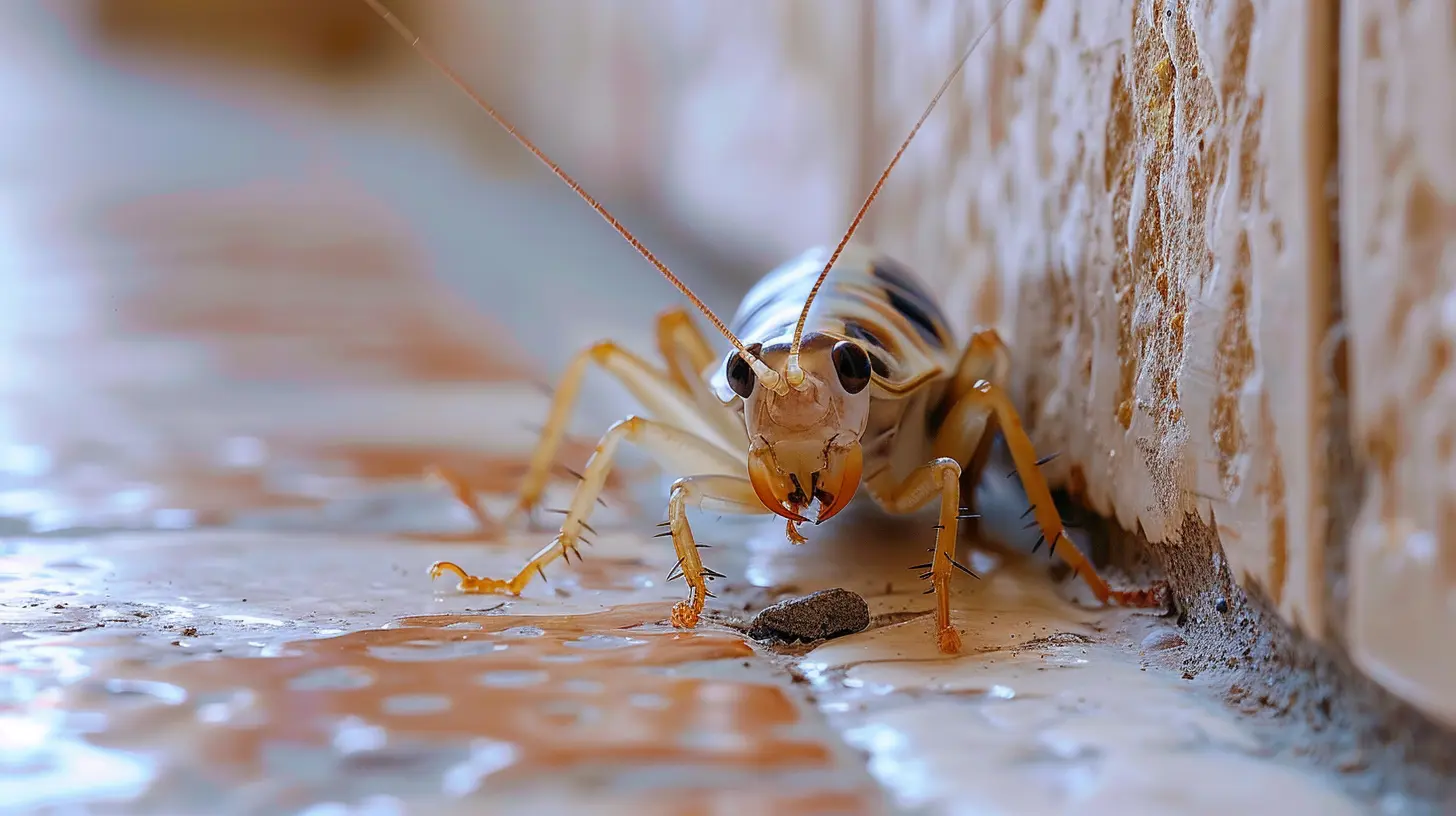
Why Pest Control Should Be a Priority
Before we jump into solutions, let’s understand the problem. What makes pests such a nightmare?- Property Damage: Termites, carpenter ants, and rodents can chew through wood, insulation, and even electrical wiring.
- Health Risks: Cockroaches, rats, and mosquitoes can carry diseases. Think allergies, asthma triggers, and even viruses.
- Lower Property Value: No one wants to buy a house with a termite infestation or rat droppings in the attic.
- Legal Liabilities for Landlords: If you’re renting out property, pest problems can land you in hot water with tenants and local health departments.
So, ignoring just one tiny bug can quickly lead to big headaches down the road.
Step 1: Understand Your Enemy
You can’t fight what you don’t know. Different pests act in different ways.Here are the usual suspects:
- Termites: Silent destroyers. They chew through timber and can compromise your house’s structure without making a sound.
- Rodents: Mice and rats love nesting in attics and walls. They’ll chew through wires and bring diseases with them.
- Ants: These tiny invaders can find the smallest crumbs, and once they’re in, they call their buddies.
- Cockroaches: Masters of survival and breeding. Roaches can flatten themselves to squeeze through cracks you wouldn’t even notice.
- Mosquitoes: Aside from the itch factor, they’re carriers of serious diseases like West Nile and dengue.
- Spiders, Wasps, and Other Insects: Some are harmless, others are aggressive and venomous. Either way, you don’t want them setting up shop.
Knowing what you're dealing with helps tailor your pest control approach.
Step 2: Seal Up Your Property Like a Fortress
You’d be amazed at how creative pests can be when trying to get inside your home. Think of your property like a fortress—they can find every crack, crevice, and entry point if you're not careful.Here's how to seal the deal (literally):
- Inspect Doors and Windows: Repair torn screens, install door sweeps, and check weather stripping.- Fill Cracks and Gaps: Use caulk or expanding foam to seal gaps around pipes, vents, and cables.
- Install Chimney Caps and Vent Covers: Rodents and birds love open chimneys.
- Fix Leaks Promptly: Damp, rotting wood is like a five-star hotel for termites and carpenter ants.
Think of it like locking the front door—not just to people, but to anything with six legs.
Step 3: Keep It Clean—Inside and Out
Pests come for food, water, and shelter. Cut off their supplies, and they’ll move on. It’s that simple.Indoors:
- Wipe down counters: Especially after meals.- Store food in airtight containers: Don’t leave boxes or bags open.
- Sweep and vacuum regularly: Crumbs are a buffet.
- Take out the trash daily: Full bins attract everything from flies to rodents.
- Fix leaky sinks and faucets: Constant water draws pests like magnets.
Outdoors:
- Cut back trees and shrubs: Keep them at least a foot away from your house.- Clean gutters: Standing water is mosquito heaven.
- Store firewood away from the house: It’s a termite playground.
- Keep your lawn mowed and clutter-free: Tall grass and piles of leaves are pest hideouts.
If your home is clean and dry, you’re already ahead of the game.
Step 4: Use Natural Deterrents (When Possible)
Not every pest control solution has to involve harsh chemicals. Mother Nature has her own toolkit.Try These Natural Repellents:
- Peppermint oil: Repels mice and spiders.- Diatomaceous earth: A powder that’s harmless to people but lethal to insects.
- Citrus peels: Cockroaches hate the smell.
- Bay leaves: Place them in pantry corners to deter meal moths and roaches.
- Vinegar spray: Wipe down counters with a vinegar solution to repel ants.
Natural doesn’t always mean “weaker.” These methods can be surprisingly effective—plus, they smell better than bug spray.
Step 5: Bring in the Big Guns—Professional Pest Control
Sometimes, you need a pro. Period.If your infestation is out of control (or if you just want the peace of mind), hiring a licensed pest control service is a smart move.
What to Look for in a Pest Control Company:
- Licensed and insured- Experience with your specific problem
- Eco-friendly or integrated pest management (IPM) approaches
- Clear service guarantees
- Good reviews and local reputation
You wouldn’t perform surgery on yourself, right? Think of pest control the same way—let the experts handle the serious stuff.
Step 6: Schedule Regular Inspections
Pest control isn’t a one-time thing. It’s like going to the dentist—regular checkups prevent major problems.Have Professionals Inspect:
- The attic and basement- Foundation and crawl spaces
- Wooden structural elements
- Moisture-prone areas
Catching issues early can save thousands in repairs. Plus, you’ll sleep better at night.
Step 7: Don’t Forget Seasonal Pest Control
Pests behave differently depending on the time of year. Your strategy should shift with the seasons.Spring:
- Ants and termites become active.- Start ground treatments and bait stations.
Summer:
- Peak season for mosquitoes, flies, and wasps.- Focus on standing water, outdoor repellents, and sealing entry points.
Fall:
- Rodents start heading indoors.- Inspect and seal all possible holes and cracks.
Winter:
- Bugs slow down, but mice dig in.- Maintain traps and set up barriers.
By staying one step ahead, you keep the upper hand.
Bonus Tip: Educate Tenants and Residents
If you're renting out property, your pest prevention efforts can fall apart quickly if tenants aren't on board.Provide simple guidelines:
- Report leaks or pest sightings ASAP.
- Store food properly.
- Take out the trash regularly.
- Avoid leaving pet food out overnight.
Make it easy with a short checklist—because the best pest control is a team effort.
What About Pest Control in Real Estate Sales?
This is a big one. When buying or selling a home, a pest inspection can make or break the deal.Why It Matters:
- Buyers: Don't skip the pest inspection—it could reveal hidden damage.- Sellers: A clean pest report can be a major selling point.
- Agents: Working with certified pest inspectors helps close deals faster.
Think of it like checking under the hood before buying a car—you wouldn’t skip it, right?
Wrapping It Up
Okay, let’s recap.Pest control is more than just a spray-and-pray kind of deal. It’s about prevention, awareness, and regular action. With the right strategies—sealing up entry points, keeping things clean, using natural repellents, and calling in the pros when necessary—you can protect your castle from uninvited guests.
And remember, pests don’t take days off. But with the right game plan, you’ll stay one step ahead, all year long.
So go ahead—fortify your property, breathe easy, and stay pest-free like a pro.
all images in this post were generated using AI tools
Category:
Property MaintenanceAuthor:

Vincent Clayton