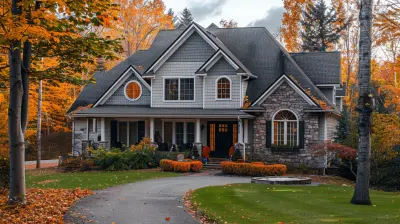
Climate Change and Its Impact on Coastal Real Estate Markets in 2027
18 April 2026
Let’s talk about the elephant in the room—or rather, the rising tide in the living room. If you’re invested in, living in, or considering buying coastal real estate, the year 2027 isn’t some distant sci-fi future. It’s practically tomorrow. And the conversation around climate change has decisively shifted from a theoretical "what if" to a concrete "what now" for property markets from Miami to Malibu. This isn’t about fearmongering; it’s about foresight. By 2027, the impact of climate change on coastal real estate will be less about subtle warnings and more about hard numbers, transformed buyer psychology, and a fundamental reshaping of value. So, pull up a chair (preferably one safely above sea level), and let’s dive into what the landscape really looks like.

The New Reality: Beyond the Tipping Point
First, we need to frame the discussion correctly. We’ve passed the point of debating whether climate change affects coastal areas. By 2027, the effects are baked in—quite literally. Think of it like a supertanker: even if we slammed on the brakes today, the momentum of past emissions and warming oceans means a certain amount of sea-level rise and intensified weather is inevitable over the coming decades. The question for real estate is no longer if but how, where, and how much.This realization has moved from environmental reports to mainstream financial analysis. Major insurers, mortgage lenders, and institutional investors are now the canaries in the coal mine. When giants like these start recalibrating their risk models, raising premiums, or outright withdrawing from certain markets, it creates seismic shocks that reverberate through property values. The market is no longer just reacting to a flooded street after a storm; it’s proactively pricing in the probability of that flood happening again and again. This is the core of the 2027 scenario: a market that has fully internalized climate risk as a standard, non-negotiable factor in valuation.
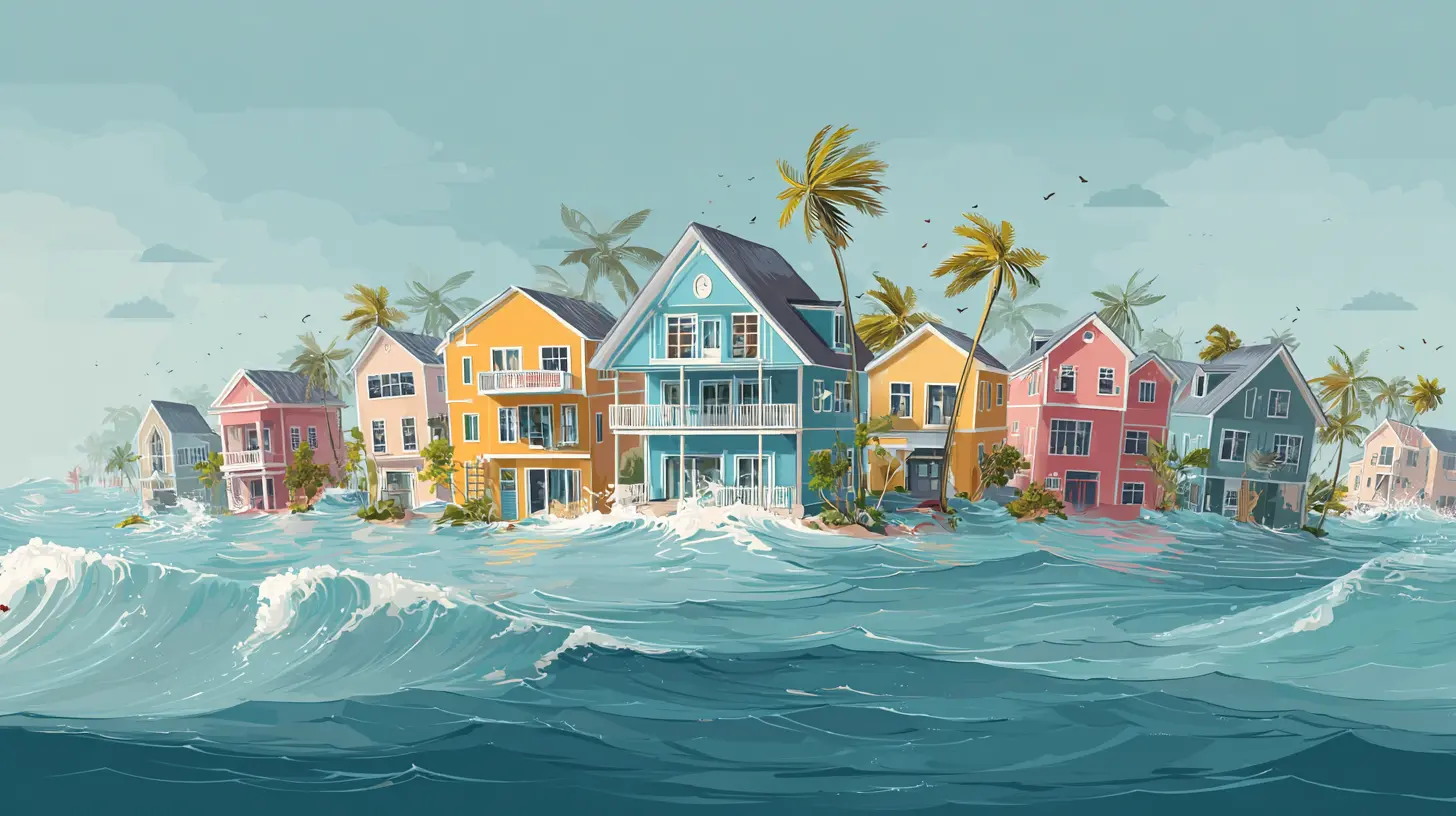
The Triad of Market Forces Reshaping the Coast
By 2027, three powerful forces will be in a constant tug-of-war, dictating the fate of every coastal parcel. Imagine them as three powerful currents colliding.1. The Retreat of Capital: Insurance and Financing
This is the most potent force. A home without affordable insurance is essentially un-financeable for most buyers. By 2027, we’ll see a stark bifurcation:* Uninsurable Zones: Properties deemed too high-risk—often in first-row, low-lying areas—will face "insurance deserts." Premiums will be astronomical, or coverage will be unavailable from private markets. This doesn’t just affect sales; it traps existing owners who cannot afford to insure or sell.
* The New Due Diligence: Mortgage applications will require a "climate audit" alongside the traditional appraisal. Buyers will need to prove not just that the house stands today, but that it has a defensible chance of standing—and retaining value—in 2050 and beyond. Lenders will be brutally pragmatic.
2. The Psychology of the Modern Buyer: A Generational Shift
The buyer in 2027 is different. Millennials and Gen Z are not just the largest buyer cohorts; they are generations that grew up with climate change as a daily headline. Their perception of risk is fundamentally altered. For them, a beachfront property isn’t just a status symbol; it’s a potential liability. They are more data-driven, more attuned to long-term operational costs (think: flood insurance, AC bills, storm-proofing), and more likely to prioritize resilience over pure view. The romantic "house by the sea" narrative is being tempered by a practical "house safe from the sea" mentality.3. Government Intervention: The Wild Card
Public policy will be a chaotic but decisive player. Will there be massive, taxpayer-funded resilience projects—seawalls, dunes, elevated infrastructure—that temporarily shield some communities? Absolutely. But these are often stopgaps, and they create winners and losers overnight. Conversely, some municipalities may initiate managed retreat—buying out high-risk properties and returning the land to nature. This is a bitter pill, but by 2027, it will be a reality in more places. Zoning laws will become stricter, rebuilding restrictions after storms will be more common, and disclosure requirements will mandate sellers to reveal flood history and future risk projections. Government action (or inaction) will create sharp, localized market distortions.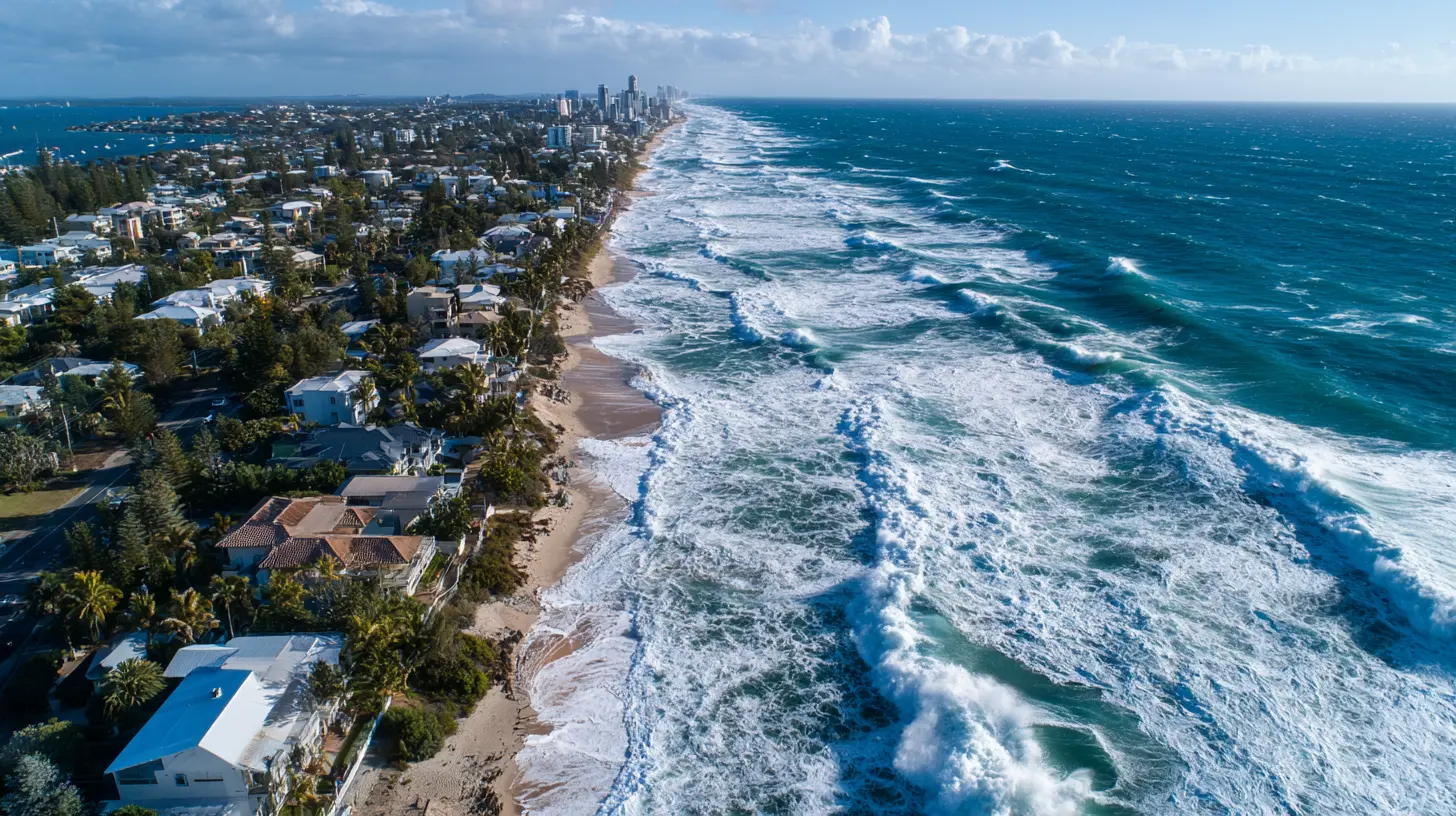
The Great Divergence: Winners, Losers, and the "Climate Premium"
Not all coastal real estate is created equal, and by 2027, the gap will be a chasm. The market will stratify into clear tiers.The Losers: Stranded Assets in the "Sacrificial Zone"
These are the properties on the literal front lines. Think barrier island extremities, chronically flooding coastal lowlands, and areas with no viable engineering solutions. Here, values will erode faster than the beaches. They may become markets for cash-only, speculative buyers or be abandoned to the public trust. The emotional and financial toll will be immense, representing a massive transfer of wealth from individual homeowners.
The "Middleground": The Resilient Reinvention
This is where the most fascinating, and perhaps largest, segment of the market will be. These are communities—often slightly elevated, with strong local governance and tax bases—that are actively investing in adaptation. We’re talking about:
Engineered Resilience: Superior drainage, pumped sand renourishment, elevated home construction as the norm*.
* Community-Wide Solutions: Living shorelines, oyster reef breakwaters, and robust emergency infrastructure.
* Policy Certainty: Clear, funded long-term plans that give the market confidence.
In these areas, you’ll see the emergence of a "Climate Premium." A home here won’t just sell for its square footage and view; it will sell for its perceived safety and longevity. A buyer will pay more for a property in a town with a proven, funded resilience plan than an identical home in a neighboring town without one. The value driver shifts from "proximity to water" to "protection from water."
The Winners: The "Climate-Proof" Havens
Yes, there will be winners. Higher-elevation coastal properties, bluffs, and areas with natural geologic barriers will see demand surge. But the bigger story is the rise of "climate havens"—inland waterfront (on rivers, lakes) and cities with mature infrastructure and milder climate projections. Markets in the Pacific Northwest, the Great Lakes region, and elevated areas in the Mid-Atlantic will aggressively market themselves as sustainable, lower-risk alternatives. Capital will flow toward perceived safety.
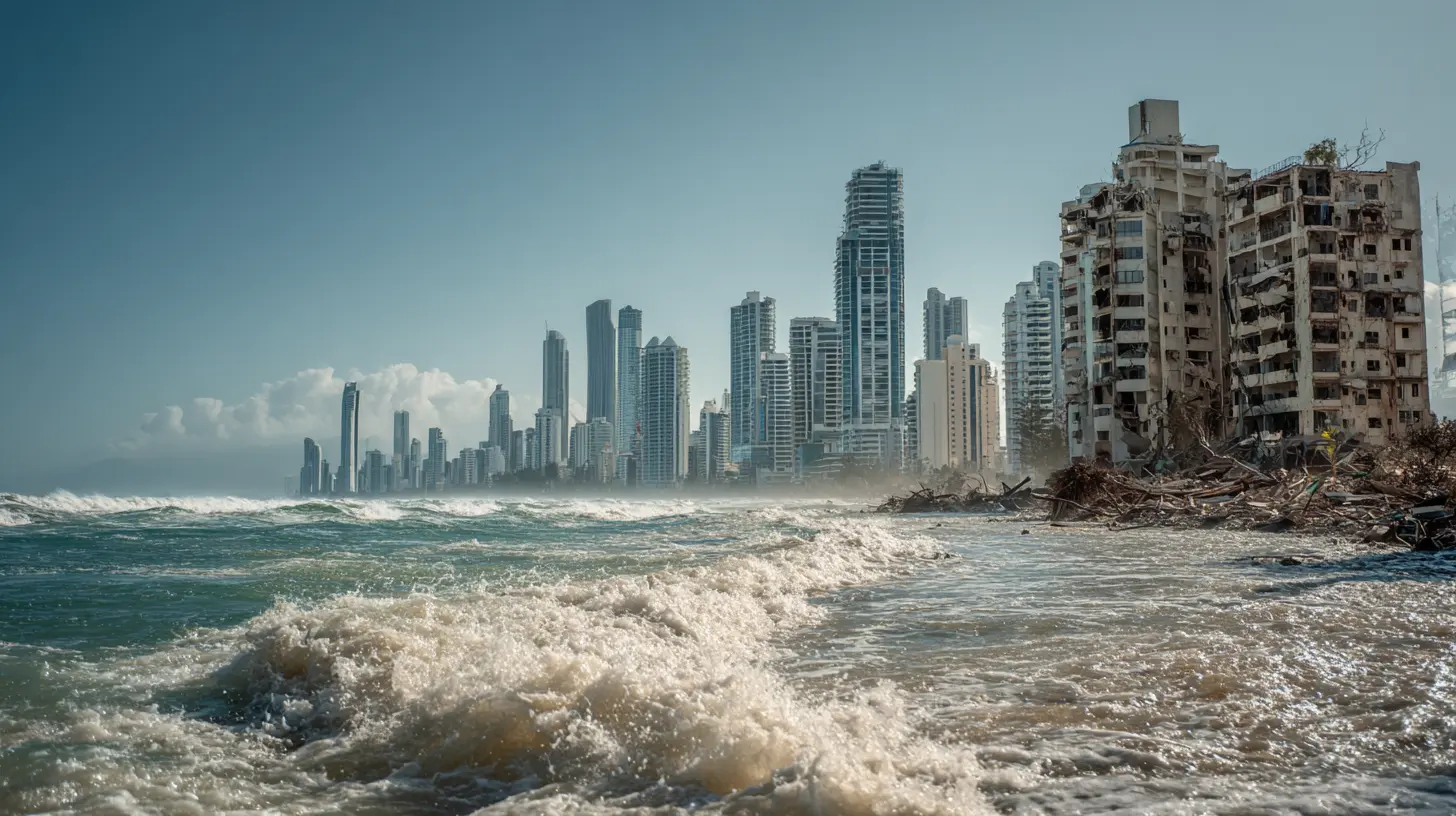
What You Can Do: A Pragmatic Guide for 2027 and Beyond
If you’re an owner, buyer, or investor, passivity is not an option. Here’s your action plan:* For Sellers: Transparency is your greatest tool. Invest in a professional assessment of your property’s vulnerability. Proactively disclose and highlight any resilience upgrades (elevated structures, flood vents, fortified roofs). Price with the new reality in mind; denial is a losing strategy.
For Buyers: Your due diligence checklist just got longer. Go beyond the standard inspection. Scrutinize the community’s master plan and flood maps. Get actual insurance quotes before* you bid. Ask: "What has this community done in the last five years to prepare?" Prioritize newer homes built to modern, resilient codes.
* For Everyone: Advocate for smart, equitable policy. Support sensible zoning and investment in community-wide resilience. Understand that protecting your investment now means thinking about the collective good of your town, not just your parcel.
The Bottom Line: A Market Transformed
By 2027, coastal real estate will no longer be a monolithic bet on sun and sand. It will be a nuanced, data-rich market segmented by risk and resilience. The era of buying a coastline property on pure emotion is fading. We are entering an era of calculated, informed decisions where the cost of climate change is directly embedded in the price tag.This transformation is painful but necessary. It moves us from a cycle of disaster, rebuild, repeat, toward a model of intelligent adaptation and honest valuation. The coast will always be desirable—the human draw to the water is primal. But the definition of "desirable" is changing. It’s no longer just about the view. It’s about the future. And by 2027, the future is here.
all images in this post were generated using AI tools
Category:
Real Estate ChallengesAuthor:

Vincent Clayton
Discussion
rate this article
2 comments
Zaren Perez
This article compellingly highlights the urgent need for coastal real estate markets to adapt to climate realities. As rising sea levels and increased storms reshape property values and demand, proactive measures and sustainable development will be essential for future resilience.
April 28, 2026 at 3:42 AM
Vincent Clayton
Thank you for your thoughtful comment! I completely agree that proactive measures and sustainable practices are crucial for adapting to the challenges posed by climate change in coastal real estate.
Marissa McCabe
Embracing sustainable practices in coastal real estate not only protects our environment but also creates resilient communities. Let's innovate for a brighter, eco-friendly future together!
April 18, 2026 at 4:09 AM
Vincent Clayton
Absolutely! Sustainable practices are key to building resilient coastal communities. Innovation is crucial for a healthier future. Let's lead the way!