Challenges and Solutions When Moving to a Rural Property
2 July 2026
Thinking of swapping the hustle and bustle of city life for the peaceful charm of the countryside? Moving to a rural property sounds like a dream—wide open spaces, fresh air, and a slower pace of life. But let’s be real: it’s not all sunshine and rolling hills. Rural living comes with its own set of challenges.
Before you pack up your city apartment and head for the hills, let's talk about the common hurdles you may face and, more importantly, how to overcome them.
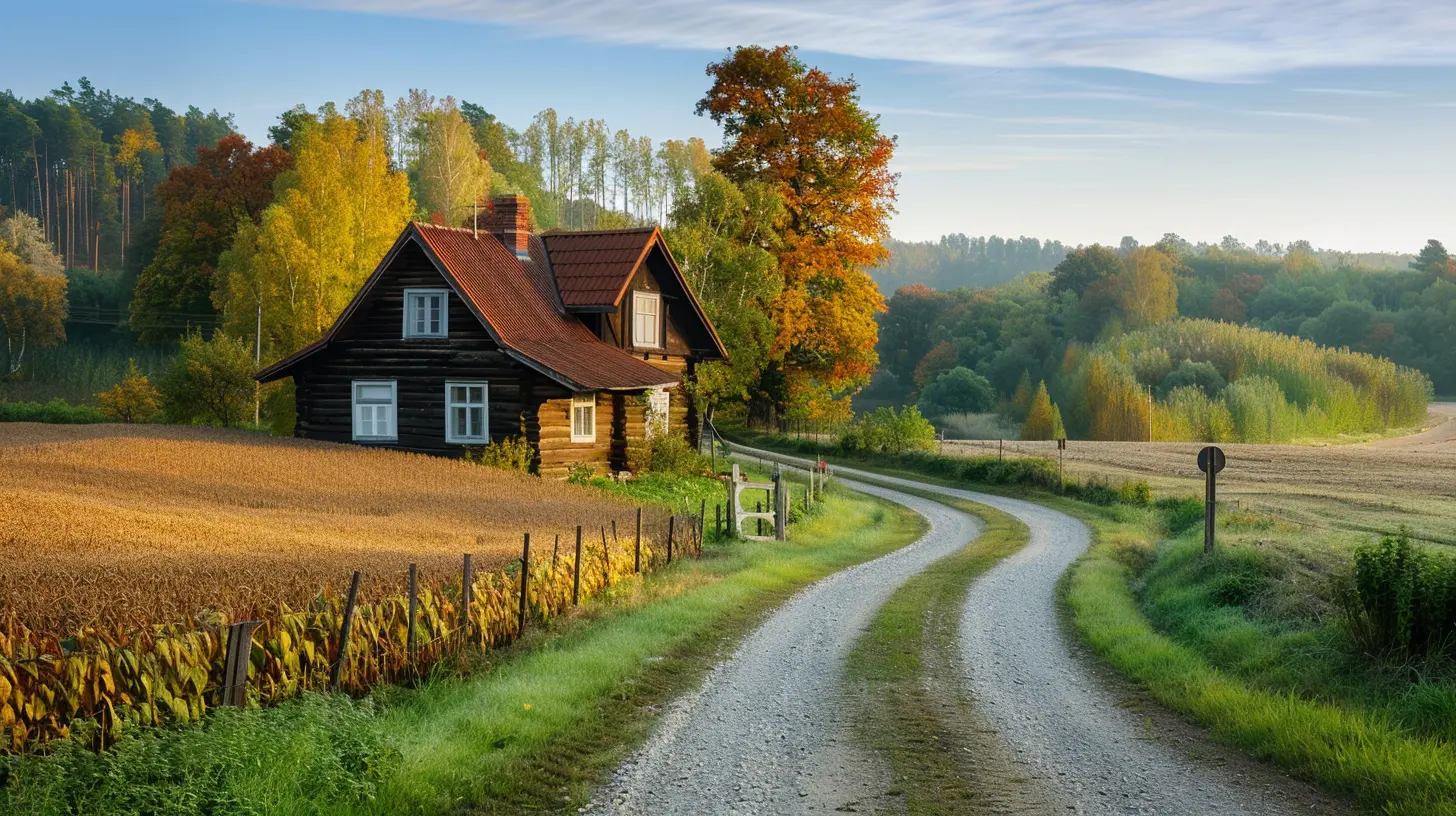
1. Limited Access to Amenities
The Challenge
Living in a rural area means you won’t have a grocery store, coffee shop, or shopping mall just around the corner. Even basic services like hospitals, schools, and restaurants could be miles away. Forget about ordering takeout in 30 minutes—it might not even be an option!The Solution
Planning is your best friend. Stock up on essentials so you don’t have to make frequent trips to town. If there’s no grocery store nearby, consider growing your own fruits and vegetables. For healthcare, research nearby clinics and hospitals and have a plan for emergencies. You might also want to explore at-home delivery options for groceries and medications.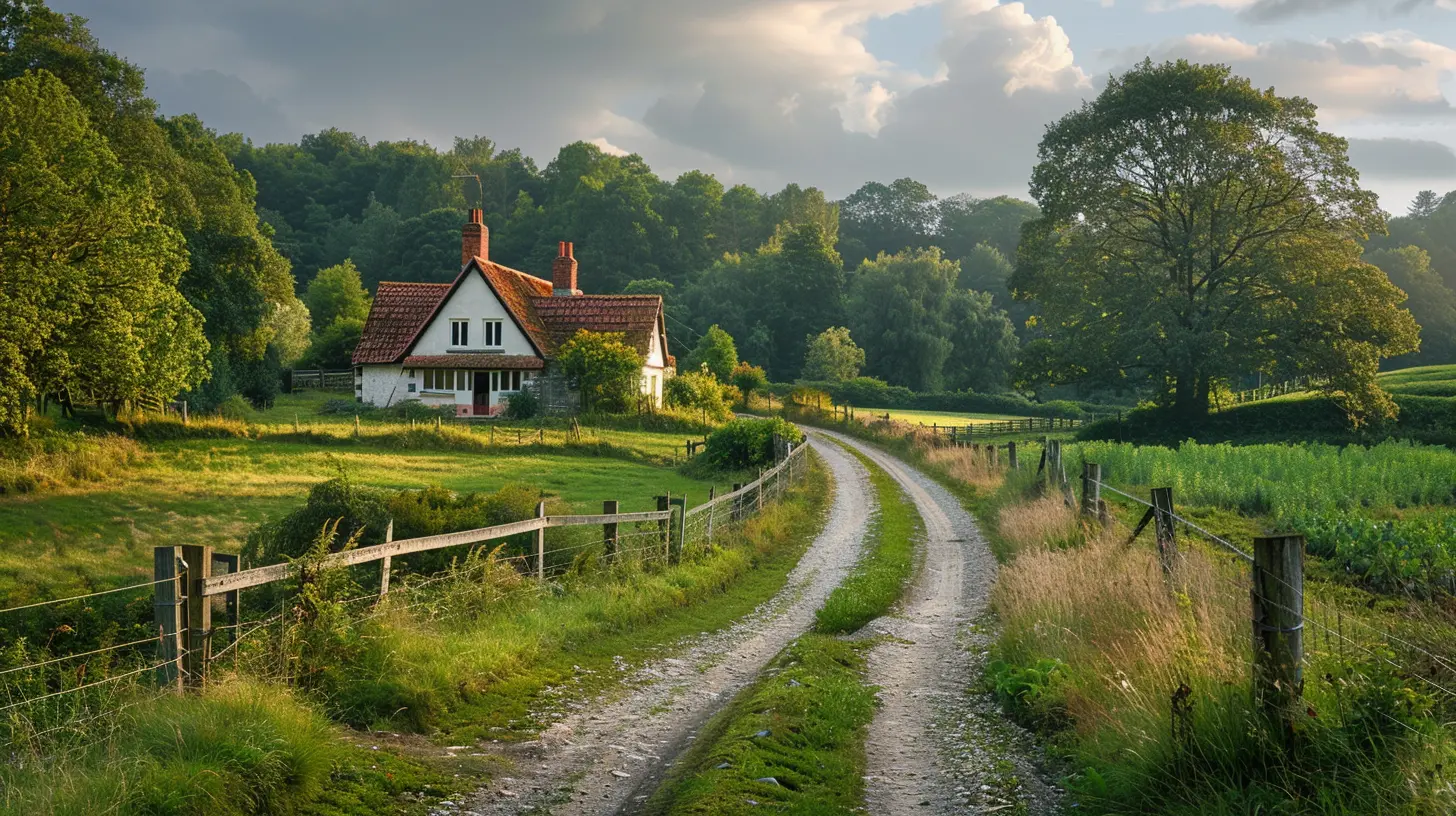
2. Internet and Cell Service Issues
The Challenge
If you're used to high-speed internet and crystal-clear cell service, rural life might slap you with a reality check. Spotty reception and slow internet speeds can make working from home or even streaming Netflix a nightmare.The Solution
Check coverage maps before moving to your dream home. Some areas have better service than others, and satellite internet providers can be a good alternative. You might also need a signal booster or Wi-Fi extender to ensure smooth connectivity. If all else fails, consider old-school alternatives like landlines for reliable communication.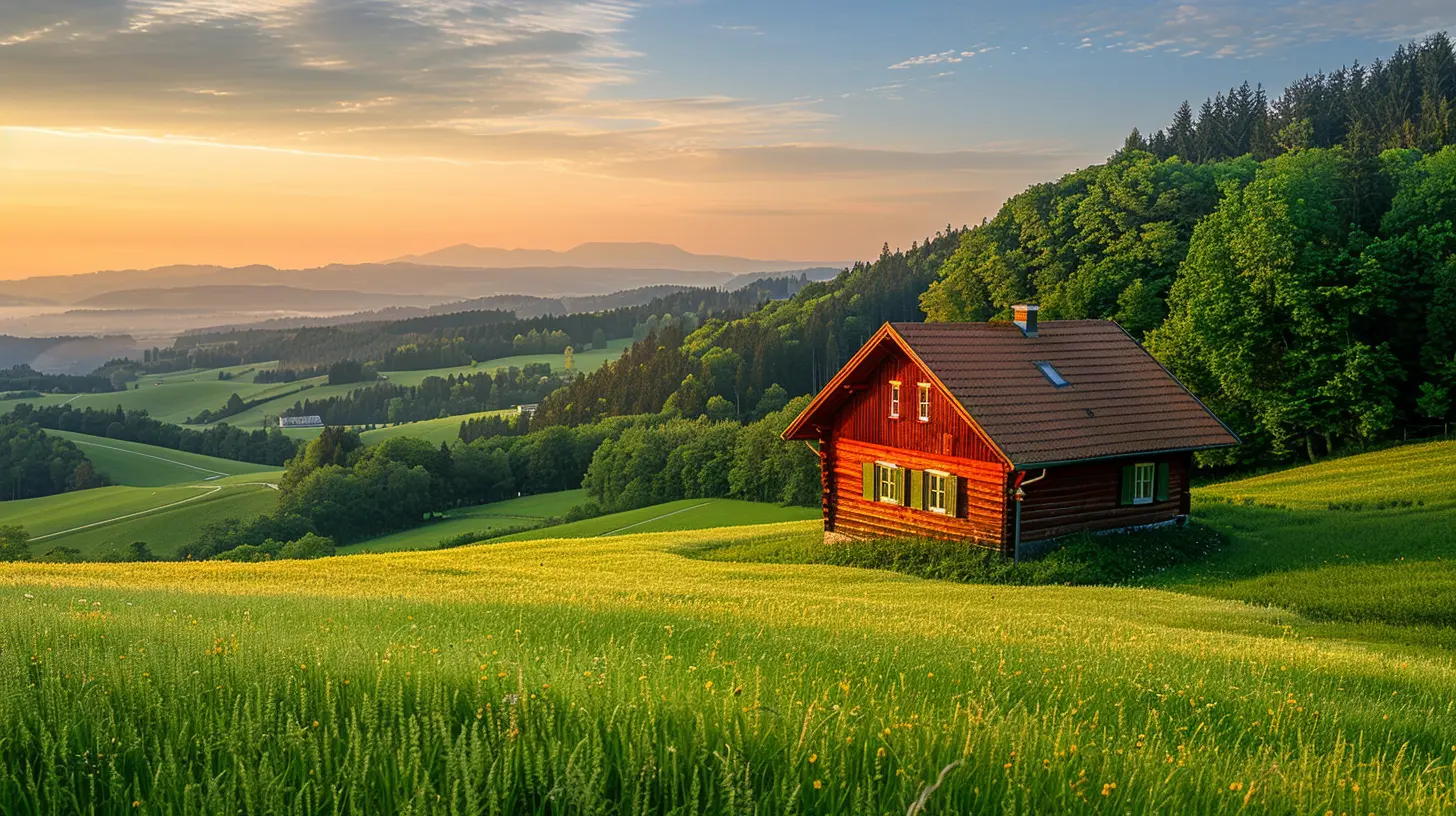
3. Road Conditions and Transportation
The Challenge
Dirt roads, potholes, and long commutes can be frustrating. In some rural areas, roads may not be well-maintained, and harsh weather can make driving tricky. Public transportation? Forget about it.The Solution
A reliable, all-terrain vehicle is a must. If you’ll be facing snowy or muddy conditions, invest in a four-wheel-drive vehicle. Regular car maintenance is also crucial—breaking down in the middle of nowhere is no joke. If possible, try to work remotely a few days a week to reduce long commutes.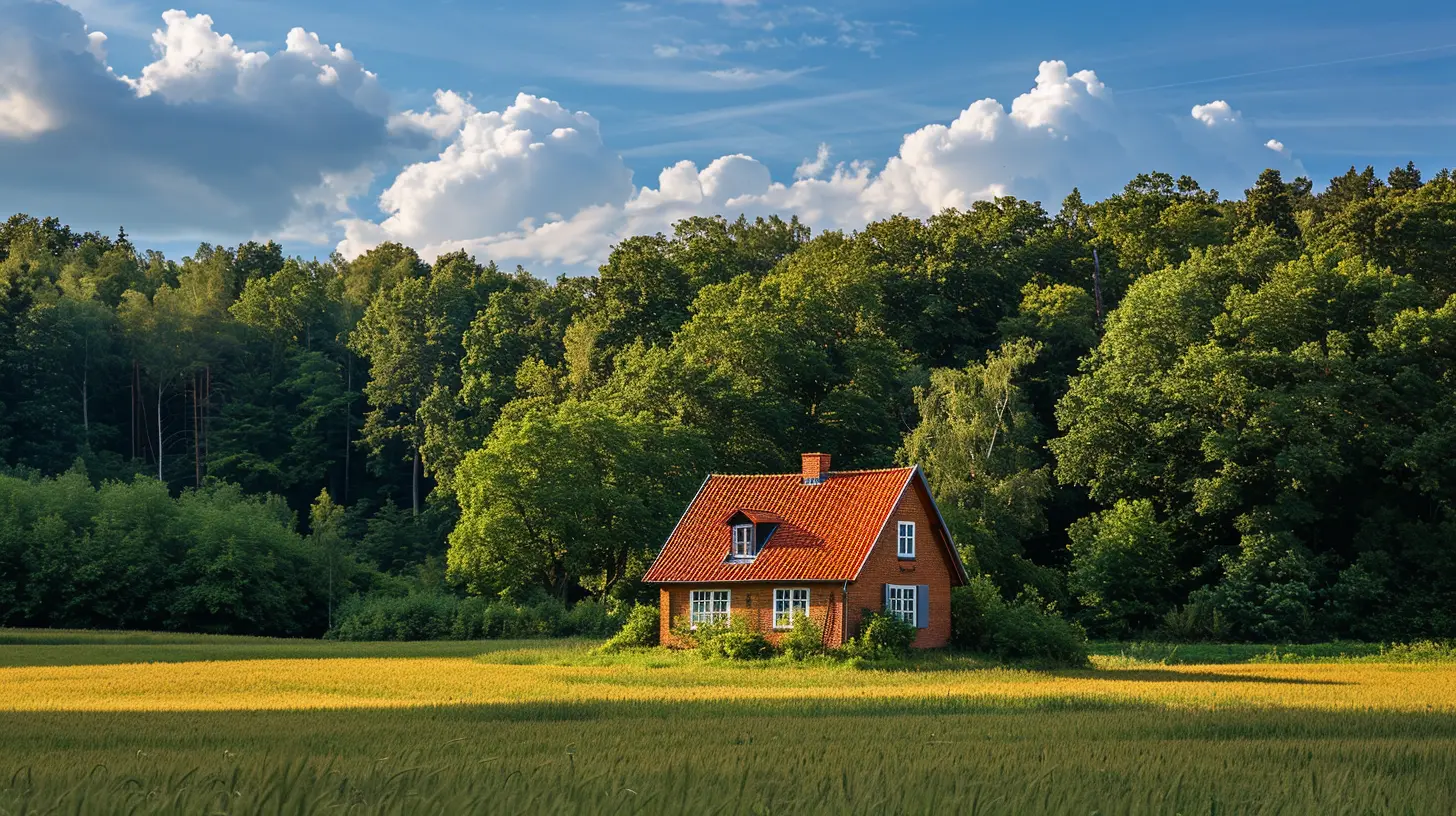
4. Wildlife and Pests
The Challenge
Think deer, raccoons, coyotes, and even bears. While wildlife can be beautiful, it can also be a nuisance. Animals might dig through your trash, eat your garden, or even pose a danger to pets. Then there are pests like mice, snakes, and insects that can sneak into your home.The Solution
Secure garbage cans with tight lids and consider fencing off your garden. If you have pets, keep them safe—especially at night. Regular pest control can help keep unwanted critters out of your home. If you’re dealing with larger animals, research local wildlife management strategies.5. Loneliness and Social Adjustment
The Challenge
Moving from a lively city to a quiet rural area can feel isolating. Gone are the days of walking to a café and chatting with strangers. Social opportunities may be limited, and making friends can take time.The Solution
Get involved in the local community. Attend farmers markets, join local clubs, or volunteer. Many rural areas have tight-knit communities where neighbors look out for each other. If you’re struggling with isolation, schedule regular trips to town to meet friends or stay connected through video calls.
6. Utility and Infrastructure Limitations
The Challenge
Rural homes may not have access to city water, sewer systems, or even reliable electricity. Some properties rely on well water, septic tanks, or propane for heating. Power outages can also last longer since utility companies prioritize urban areas first.The Solution
Before moving, check what utilities are available and how they operate. If your home has well water, make sure the system is in good condition. Septic tanks require regular maintenance, so plan for inspections and pumping. A backup generator can be a lifesaver during power outages.7. Employment and Earning a Living
The Challenge
Job opportunities in rural areas are often limited. If you work in a specialized field, finding employment might be difficult. Even remote work can be challenging due to internet connectivity issues.The Solution
Before relocating, explore job opportunities in the area. If you have a remote job, ensure that internet options are reliable. Some rural residents start their own businesses, whether it's farming, crafts, or offering professional services online. Side gigs and freelancing can also provide income while you settle in.
8. Extreme Weather Conditions
The Challenge
Rural areas can experience harsher weather conditions than urban centers, including heavy snowfall, high winds, or extreme heat. If you’re not prepared, it can disrupt daily life and even become dangerous.The Solution
Know what to expect in your region and prepare accordingly. Stock up on firewood, invest in a good heating system, or install proper insulation to keep your home warm in winter. If you’re in an area prone to storms, have an emergency kit ready with food, water, and first aid supplies.9. Property Maintenance and DIY Skills
The Challenge
Unlike city living, where you can call a handyman for every little issue, rural living often requires a DIY approach. From fixing fences to maintaining a septic system, you'll need to learn a thing or two about home maintenance.The Solution
Be prepared to take on some maintenance tasks yourself. Learn basic skills like repairing leaks, chopping firewood, or fixing small electrical issues. Having a well-stocked toolkit and emergency repair guide can be a lifesaver. If something is beyond your abilities, build a relationship with trustworthy local contractors.
10. Adjusting to a Slower Pace of Life
The Challenge
If you're used to the fast pace of city life, rural living might feel too slow. Fewer entertainment options, limited nightlife, and a different daily rhythm can feel like a shock at first.The Solution
Embrace the change and find new hobbies! Hiking, gardening, horseback riding, or simply enjoying nature can be incredibly fulfilling. Take advantage of the peace and quiet by slowing down and appreciating the little things. Over time, you’ll likely find that rural living offers a different kind of richness—one rooted in simplicity and tranquility.Final Thoughts
Moving to a rural property is a big decision. While there are plenty of challenges, they’re not impossible to overcome. With some planning, adaptability, and a sense of adventure, rural life can be incredibly rewarding. Whether you're craving open space, a closer connection to nature, or just a break from city chaos, the countryside has a lot to offer.So, if you're ready for the challenge, go for it! Just make sure you're prepared, and soon enough, you’ll be sipping coffee on your porch, watching the sunrise over your land, and wondering why you didn’t make the move sooner.
all images in this post were generated using AI tools
Category:
Rural PropertiesAuthor:

Vincent Clayton
Discussion
rate this article
1 comments
Macey Kirk
Moving to a rural property can be rewarding, but challenges like limited services and distance from amenities arise. Researching local resources, planning for potential isolation, and understanding the community can ease the transition and enhance your new lifestyle.
July 5, 2026 at 6:24 PM