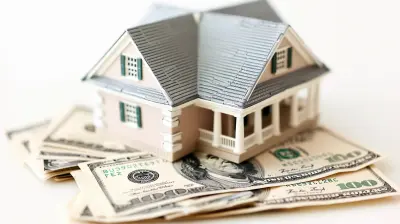
Using a Reverse Mortgage for Healthcare Costs
13 August 2026
Aging comes with its fair share of financial challenges, especially when it comes to healthcare. Medical expenses can skyrocket, and if you're a senior living on a fixed income, finding ways to cover these costs can be stressful. But what if you could tap into your home’s equity without selling it? That’s where a reverse mortgage comes in.
If you’re a homeowner aged 62 or older, a reverse mortgage can turn your home's value into cash, helping you manage your healthcare expenses without monthly repayments. Sounds appealing, right? Let’s dive into how this financial tool can be a game-changer for covering medical costs.

What is a Reverse Mortgage?
Simply put, a reverse mortgage is a loan that allows seniors to convert part of their home equity into cash. Unlike a traditional mortgage, where you make monthly payments to the lender, a reverse mortgage pays you instead. The loan is repaid when you sell the home, move out, or pass away.The most common type is the Home Equity Conversion Mortgage (HECM), which is insured by the Federal Housing Administration (FHA). It ensures that you or your heirs won’t owe more than the home’s value when it’s time to pay back the loan.
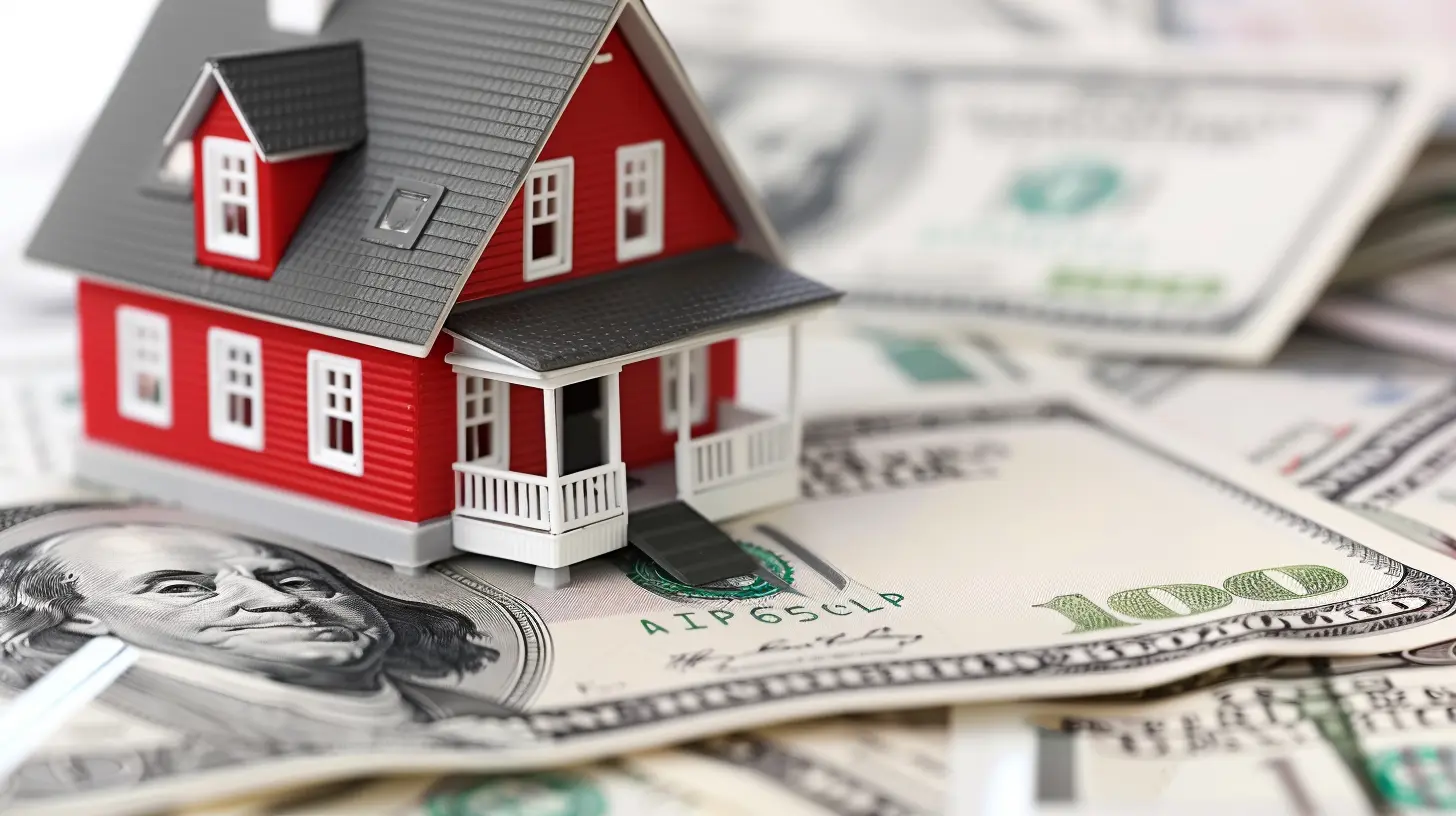
How Can a Reverse Mortgage Help with Healthcare Costs?
Medical bills can be overwhelming, and Medicare doesn’t always cover everything. Here’s how a reverse mortgage can help ease the burden:1. Pay for Long-Term Care
Whether it’s in-home care, assisted living, or a nursing facility, long-term care is expensive. A reverse mortgage can provide the funds to cover these costs so you don’t have to dip into your savings or rely on family members for financial support.2. Cover Out-of-Pocket Medical Expenses
Even with health insurance, copays, prescriptions, and treatments not covered by Medicare add up fast. A reverse mortgage gives you the cash needed to handle these expenses without financial strain.3. Fund Home Healthcare Services
Many seniors prefer staying in their homes rather than moving to a facility. You can use a reverse mortgage to pay for in-home caregivers, medical equipment, or home modifications to improve accessibility.4. Offset Health Insurance Premiums
Private health insurance and Medicare supplements can be costly. With a reverse mortgage, you have the extra financial cushion needed to keep your coverage without worrying about steep premiums.5. Emergency Medical Fund
Healthcare costs can be unpredictable. Having a reverse mortgage line of credit ensures you have a safety net for unexpected medical expenses. Unlike traditional loans, this credit line can grow over time, giving you more flexibility in the future.
Types of Reverse Mortgage Payout Options
When you take out a reverse mortgage, you can choose how to receive your money. Here are the most common options:- Lump Sum: Get the full amount upfront, perfect for large medical expenses.
- Monthly Payments: Provides a steady stream of income for ongoing healthcare costs.
- Line of Credit: Allows you to withdraw funds as needed, ensuring you don’t borrow more than necessary.
- Combination: Mix and match these options to fit your specific needs.

Pros and Cons of Using a Reverse Mortgage for Healthcare
Like any financial decision, a reverse mortgage has its upsides and downsides. Let’s break them down.✅ Pros
✔ No Monthly Payments: Unlike traditional loans, you don’t have to worry about monthly repayments.✔ Stay in Your Home: You can continue living in your home while accessing its equity.
✔ Flexible Payment Options: Choose between lump sum, monthly payments, or a line of credit.
✔ Tax-Free Funds: The money you receive isn’t considered taxable income.
✔ Federally Insured Protection: FHA-insured HECMs ensure borrowers and heirs won’t owe more than the home’s value.
❌ Cons
✘ Interest Accumulates Over Time: The longer you hold the loan, the more interest it accrues.✘ Reduced Home Equity: The amount left for your heirs will shrink over time.
✘ Potential Impact on Medicaid & SSI: If not managed properly, the additional cash could affect eligibility for needs-based government programs.
✘ Closing Costs & Fees: Reverse mortgages come with upfront costs, including origination fees, insurance, and closing expenses.
Is a Reverse Mortgage Right for You?
A reverse mortgage isn’t for everyone, but if you're struggling with healthcare costs and want to remain in your home, it could be a great solution. Before making a decision, ask yourself:✔ Do I plan to stay in my home long-term?
✔ Do I need extra financial support for medical bills?
✔ Am I comfortable with reduced home equity?
✔ Have I discussed this option with my family and a financial advisor?
If you answer yes to most of these, a reverse mortgage might be worth considering.
Alternatives to a Reverse Mortgage
Not sure a reverse mortgage is the right fit? Here are some other options:- Home Equity Loan or HELOC: These allow you to borrow against your home but require monthly payments.
- Medicaid & Other Assistance Programs: Check if you qualify for government aid.
- Downsizing: Selling your home and moving into a smaller, more affordable place could free up cash.
- Life Insurance Policy Loans: Some policies let you borrow against their cash value.
Final Thoughts
Healthcare costs shouldn’t dictate your quality of life. A reverse mortgage can provide financial relief and allow you to enjoy your golden years with peace of mind. It’s a powerful tool, but it’s important to weigh the pros and cons before committing.If you're considering a reverse mortgage, talk to a trusted financial advisor to ensure it aligns with your long-term goals. Your health and financial well-being should always come first!
all images in this post were generated using AI tools
Category:
Reverse MortgagesAuthor:

Vincent Clayton
Discussion
rate this article
1 comments
Tilly Spencer
What a great read! It's wonderful to see how a reverse mortgage can help seniors manage healthcare expenses. It opens up new possibilities for enjoying life without financial stress. Cheers to smarter financial choices and healthier tomorrows!
August 13, 2026 at 3:13 AM