Building Community Gardens in Affordable Housing Complexes
6 December 2025
Introduction
Let’s be real—affordable housing complexes don’t always scream "green oasis," do they? More often than not, they’re a concrete jungle where greenery is an afterthought. But what if we told you that adding a community garden to these spaces could be a game-changer? That’s right! Community gardens are more than just adorable Instagram-worthy plots. They boost mental health, provide fresh food, and even help residents bond like never before.
So, why aren’t they everywhere yet? Well, there are a few challenges, but trust me, the rewards far outweigh them. Buckle up because we’re diving deep into why and how we should bring community gardens into affordable housing complexes. 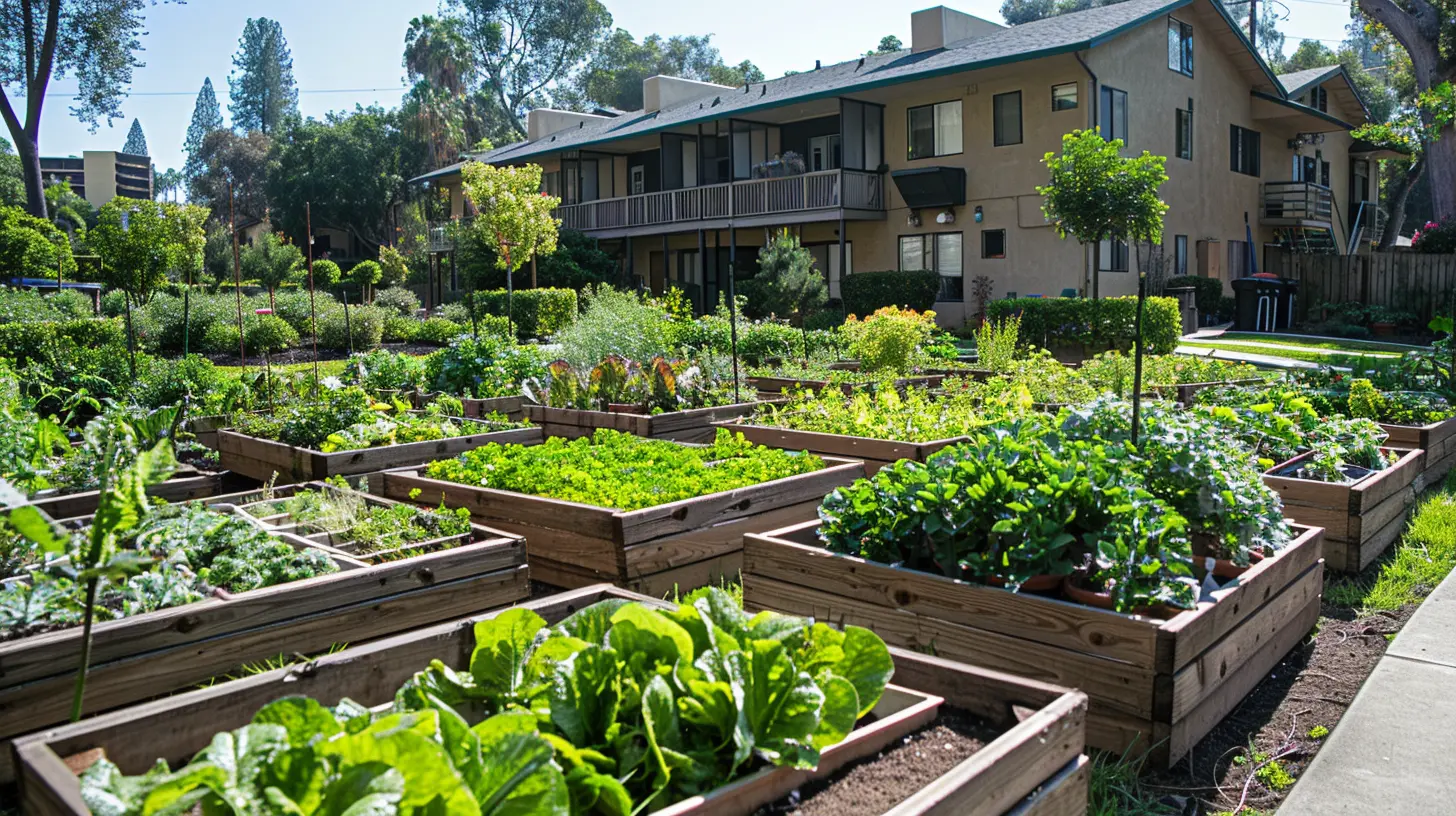
Why Community Gardens in Affordable Housing Complexes Make Perfect Sense
1. Fresh, Affordable, and Healthy Food
Not everyone has the luxury of hopping into their car and heading to the nearest Whole Foods for organic produce. Many affordable housing complexes exist in food deserts, where access to fresh fruits and veggies is as rare as a unicorn sighting. A community garden? That’s a direct ticket to nutrient-packed, homegrown goodness!Imagine stepping outside your door and plucking a juicy tomato off the vine or harvesting crunchy lettuce for your salad. Not only do residents save money, but they also get a hands-on education in sustainable living.
2. Mental Health Boost—Because Adulting Is Hard
Ever noticed how digging your hands into the soil just feels good? Gardening is basically free therapy. Many affordable housing residents deal with stress, financial worries, and the chaos of daily life. A community garden creates a peaceful, green escape where people can decompress, meditate, and soak in some much-needed Vitamin D.Studies even show that gardening reduces anxiety and depression. So, instead of doom-scrolling social media, why not plant some basil and watch your stress melt away?
3. A Stronger, Happier Community
Let’s be honest—how well do most people actually know their neighbors these days? A community garden encourages interaction in the most wholesome way possible. Instead of awkward elevator small talk, residents can bond over pruning tomato plants, swapping gardening tips, or sharing their latest zucchini haul.Shared responsibility fosters a sense of ownership and pride in the community, making the complex feel less like a row of apartments and more like a real neighborhood.
4. It’s a Green Win for the Environment
The world is literally on fire (climate change, anyone?), and every bit of greenery helps. Community gardens improve air quality, reduce urban heat, and promote biodiversity. Plus, they can help absorb rainwater and reduce runoff, minimizing flooding risks in the area.In short, it’s a win-win for both the planet and the people living there. 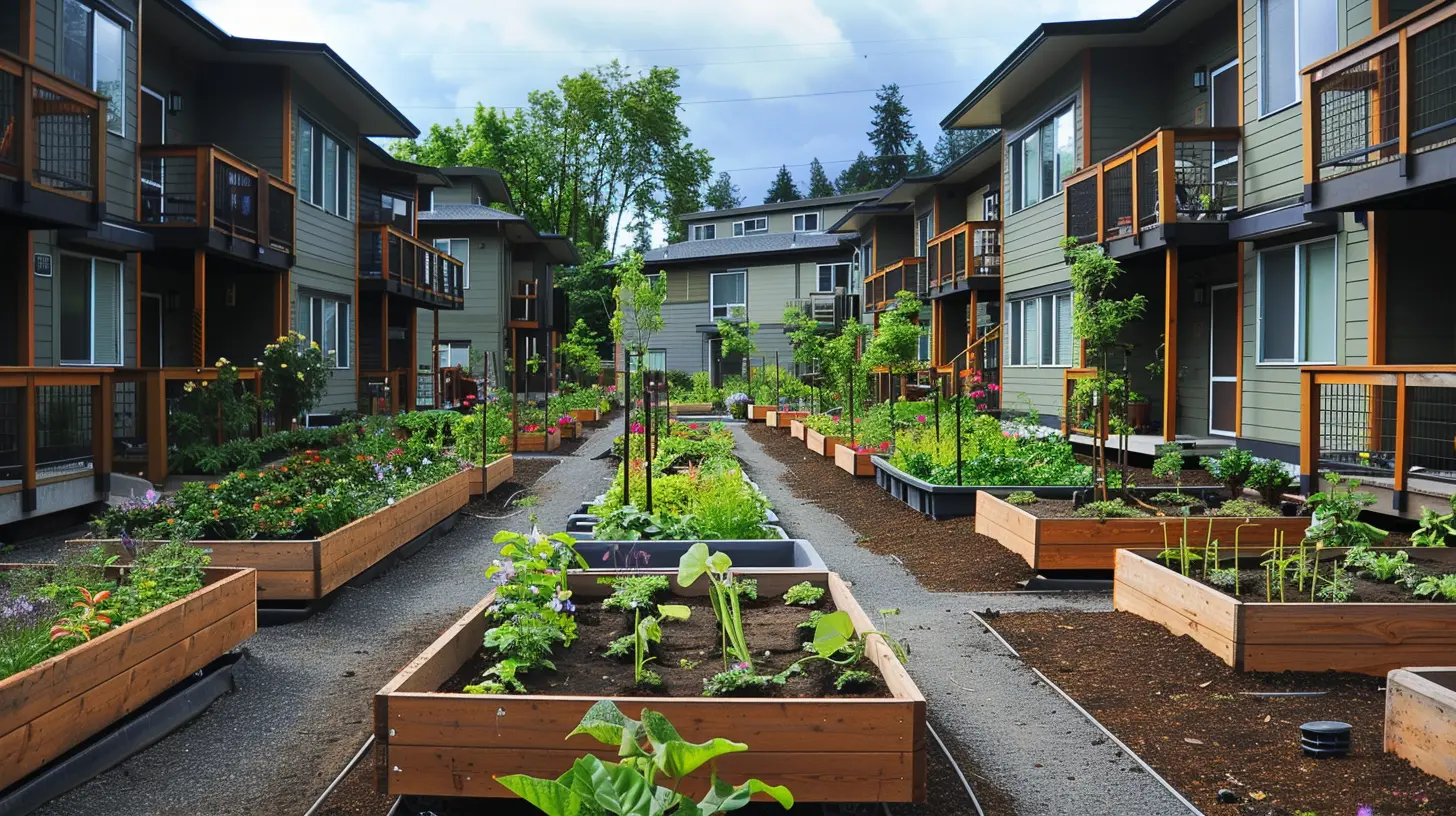
Overcoming the Challenges of Implementing Community Gardens
Alright, so community gardens sound amazing, but what’s stopping them from being everywhere? Let’s tackle some common roadblocks and how to bulldoze right through them.1. Limited Space—Where Do We Even Put a Garden?
Space in affordable housing complexes is often tight, but don’t let that crush your green dreams. Raised beds, container gardens, vertical gardens—there are plenty of creative ways to make gardening work in small spaces. Even rooftops and underused courtyards can be transformed into thriving green spaces.2. Who’s Gonna Take Care of It?
A garden isn’t a "set it and forget it" kind of thing—it needs love and attention. The trick? Make it a true community effort. Setting up a garden committee or rotating responsibility among residents helps ensure that the space flourishes. Plus, when people see the benefits firsthand, they’re more likely to stay engaged.3. Upfront Costs—Who’s Paying for This?
Sure, starting a garden requires some funds for soil, seeds, tools, and equipment. But here’s the good news: grants, local government programs, and nonprofit organizations often provide financial support for community gardens. Partnering with local businesses or garden centers for donations can also help lighten the financial load.4. Landlord or Housing Authority Approval
Some property managers or housing authorities might give a hard "no" at first. Why? They might be worried about maintenance, liability, or aesthetic concerns. The key is to present a well-thought-out plan highlighting the benefits (reduced crime, more engaged residents, increased property value) and how potential issues will be managed.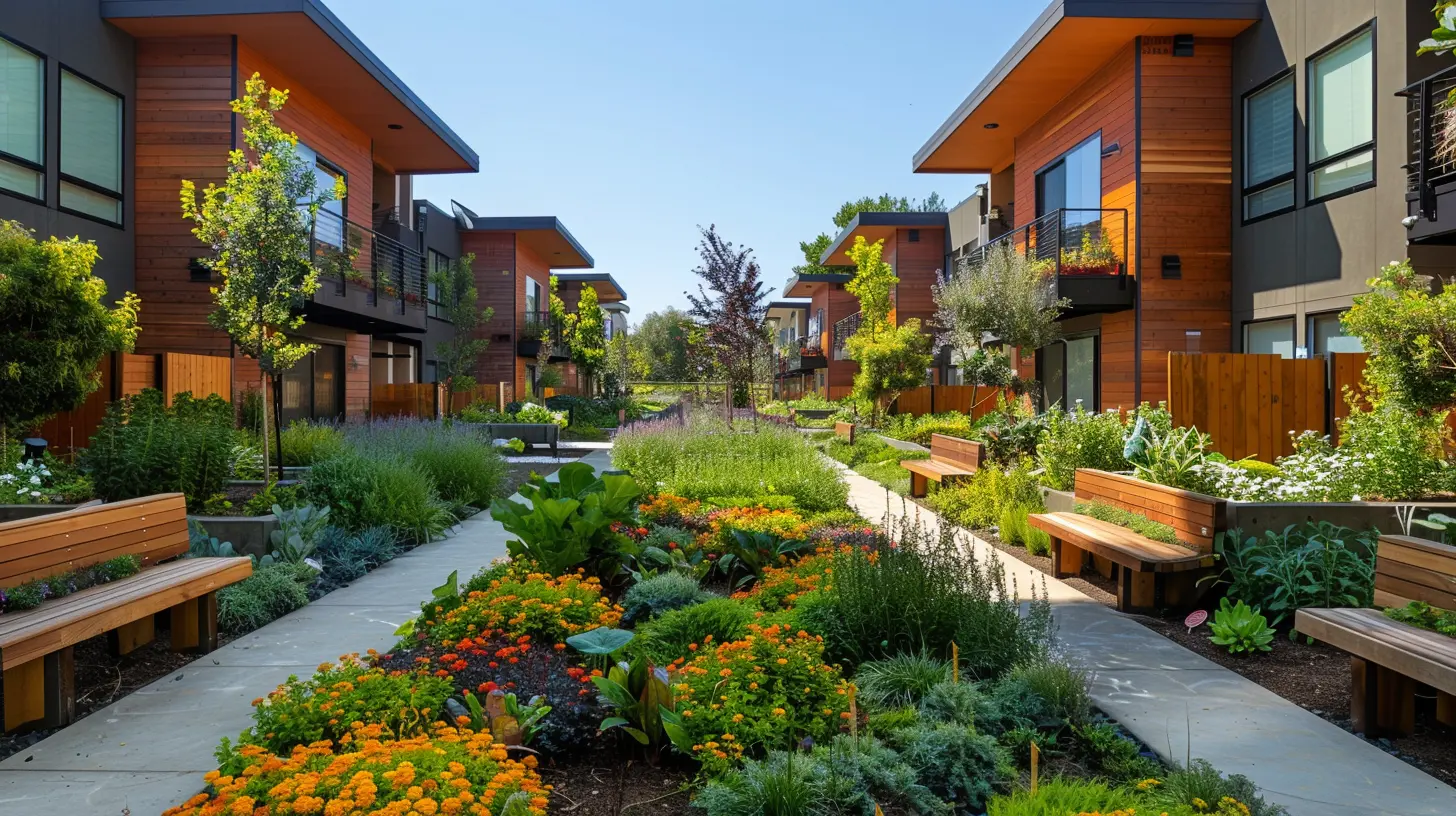
Steps to Kickstart a Community Garden in Your Affordable Housing Complex
Ready to transform that dull patch of land into a lush paradise? Here’s your step-by-step roadmap:1. Gather Your Troops
Start by rallying interested residents. The more hands on deck, the stronger your case when approaching landlords or housing authorities. A committed group ensures the garden doesn’t become a neglected ghost town.2. Find the Perfect Spot
Scope out available space—whether it’s a courtyard, empty lot, or even a rooftop. Make sure it gets enough sunlight and is easily accessible to residents.3. Secure Permissions and Funding
Pitch your idea to landlords or housing management. Highlight the benefits and come prepared with solutions to potential concerns. Simultaneously, look into grants, crowdfunding, or community partnerships to cover initial costs.4. Decide What to Grow
What thrives in your climate? What do residents actually want to eat? Consider a mix of vegetables, herbs, and flowers to keep things interesting. Native plants and drought-resistant options can also cut down on maintenance.5. Set Up the Space
Depending on the land available, you might need raised beds, container gardens, or vertical garden installations. Lay out paths, add benches, and maybe even throw in some decorative touches to make it a true sanctuary.6. Create a Maintenance Plan
Work out a scheduling system—who waters, who weeds, and who harvests. Implement seasonal planting schedules and keep an eye on pests. A little planning upfront can keep things running smoothly.7. Celebrate and Educate
Host a community event when the garden is officially up and running! Also, organize workshops on gardening, cooking with fresh produce, or even composting to keep education alive in the community.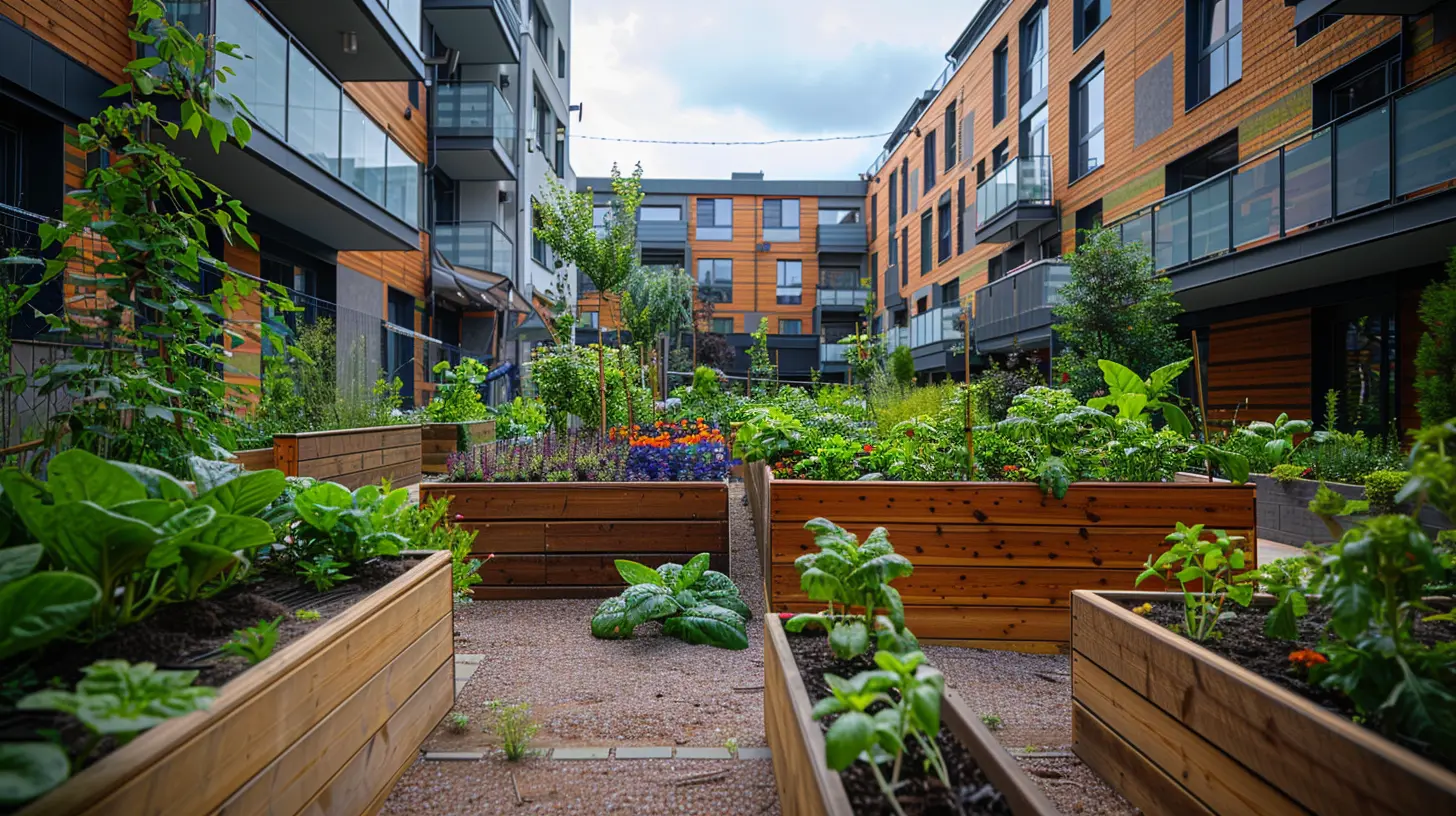
Success Stories: Community Gardens That Thrived
Need some motivation? Here are a few real-world success stories showing how community gardens have transformed affordable housing complexes:- The Edible Urban Oasis: A housing community in Chicago turned an abandoned lot into a thriving community farm, producing enough veggies to support a weekly farmer’s market.
- Rooftop Revival: In New York, a low-income apartment complex transformed its rooftop into a flourishing herb and vegetable garden, cutting grocery costs for dozens of families.
- Healing Through Gardening: A California affordable housing project introduced a community garden focused on mental health benefits, offering resident-led therapy sessions among the plants.
These success stories prove that with dedication and teamwork, any housing complex—no matter how small—can create a vibrant green space.
Final Thoughts
Community gardens aren’t just about growing food—they’re about growing connections, well-being, and opportunities. Affordable housing complexes have an unrealized potential to become little pockets of sustainability, health, and community spirit.So, if you’ve been wondering how to make your housing complex feel more like home, maybe it’s time to break out the shovels. A little dirt under the nails may just lead to something beautiful.
all images in this post were generated using AI tools
Category:
Affordable HousingAuthor:

Vincent Clayton
Discussion
rate this article
2 comments
Lincoln Gonzalez
Roots intertwine; hope blossoms in shared soil.
December 9, 2025 at 4:09 AM
Vincent Clayton
Thank you! That's a beautiful expression of how community gardens can nurture both unity and growth.
Vance Sullivan
Transforming affordable housing with community gardens cultivates connection, nurtures hope, and fosters healthier, happier neighborhoods. Let’s grow together!
December 6, 2025 at 3:35 AM
Vincent Clayton
Thank you for your thoughtful comment! I completely agree—community gardens truly enhance connections and well-being in affordable housing communities. Let's cultivate these positive changes together!