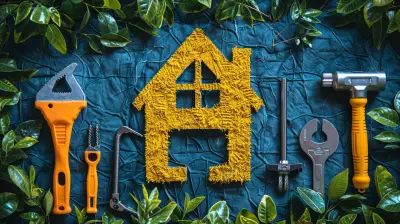
Why Millennials Are Turning to Suburban Homes
9 May 2026
Millennials have long been associated with trendy city living, high-rise apartments, and bustling urban scenes. But in recent years, there's been a noticeable shift—more and more millennials are packing up and heading for the suburbs.
So, what’s behind this suburban migration? Is it just a fleeting trend, or is there something deeper at play? Let’s break it down.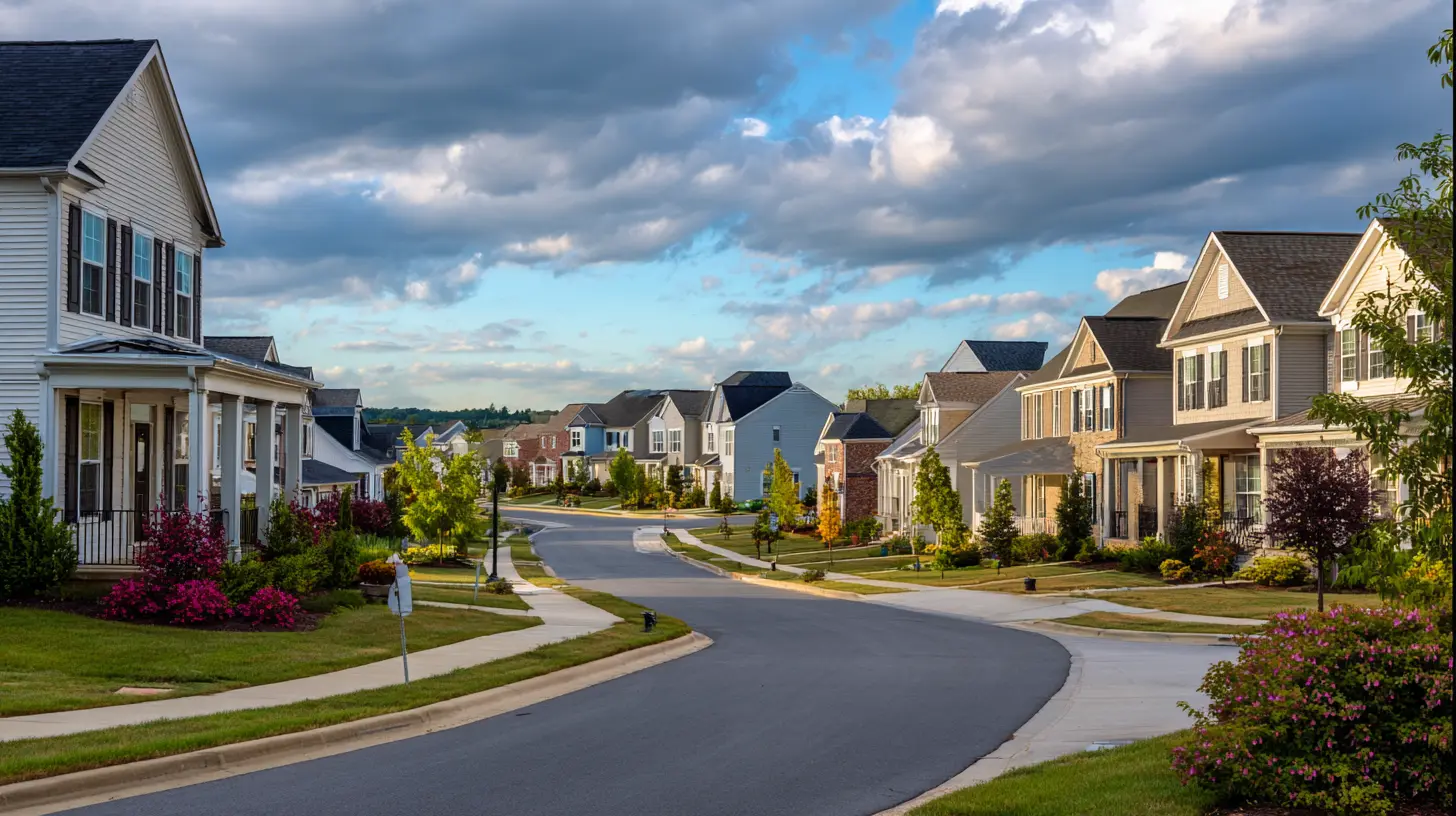
The Cost of Living Crisis Is Pushing Millennials Out
Let’s be real—living in the city is expensive. Between skyrocketing rent prices, intense competition for housing, and inflated grocery bills, city life isn't as glamorous as it once seemed.Urban Housing Prices Are Out of Control
Buying a home in a major city? Good luck with that. Real estate prices in metropolitan areas have soared, making homeownership a distant dream for many millennials. The cost per square foot is significantly higher in the city, meaning you pay more for less space.On the flip side, suburban homes offer more square footage, yards, and overall value for your money. Instead of cramming into a tiny studio apartment, millennials are opting for spacious suburban dwellings where they can actually breathe.
Lower Cost of Living in the Suburbs
It’s not just housing—everything in the city costs more. From parking fees to grocery prices to everyday expenses, city living can drain your bank account fast. The suburbs, however, tend to have much lower household expenses. Lower property taxes, cheaper gas prices, and affordable groceries make suburban life far more financially sustainable.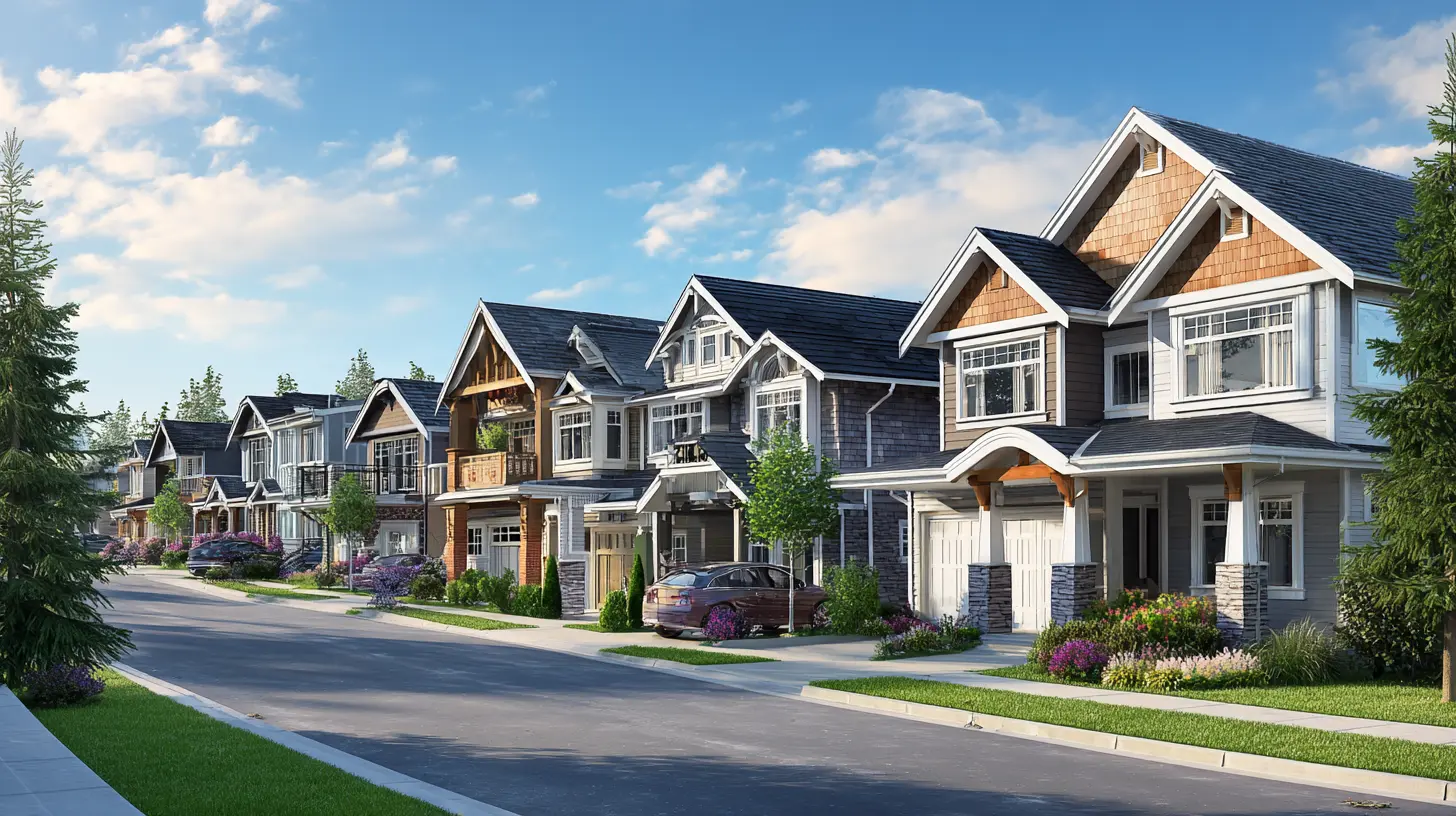
Remote Work Has Changed Everything
Before the pandemic, living in the city was almost a necessity for career growth. The closer you were to your office, the better. But now? The game has changed.The Rise of Remote Jobs
With remote work becoming the new normal, millennials no longer have to live near the office. Many companies now offer flexible work-from-home policies, which means commuting is no longer a major factor in deciding where to live.Work-Life Balance Matters More Than Ever
Let’s be honest—commuting in a crowded subway or enduring bumper-to-bumper traffic isn’t exactly a dream scenario. Millennials are prioritizing work-life balance, and suburban living offers a more peaceful lifestyle. Instead of spending hours commuting, they can enjoy a morning coffee in their backyard or take a midday walk in a quiet neighborhood.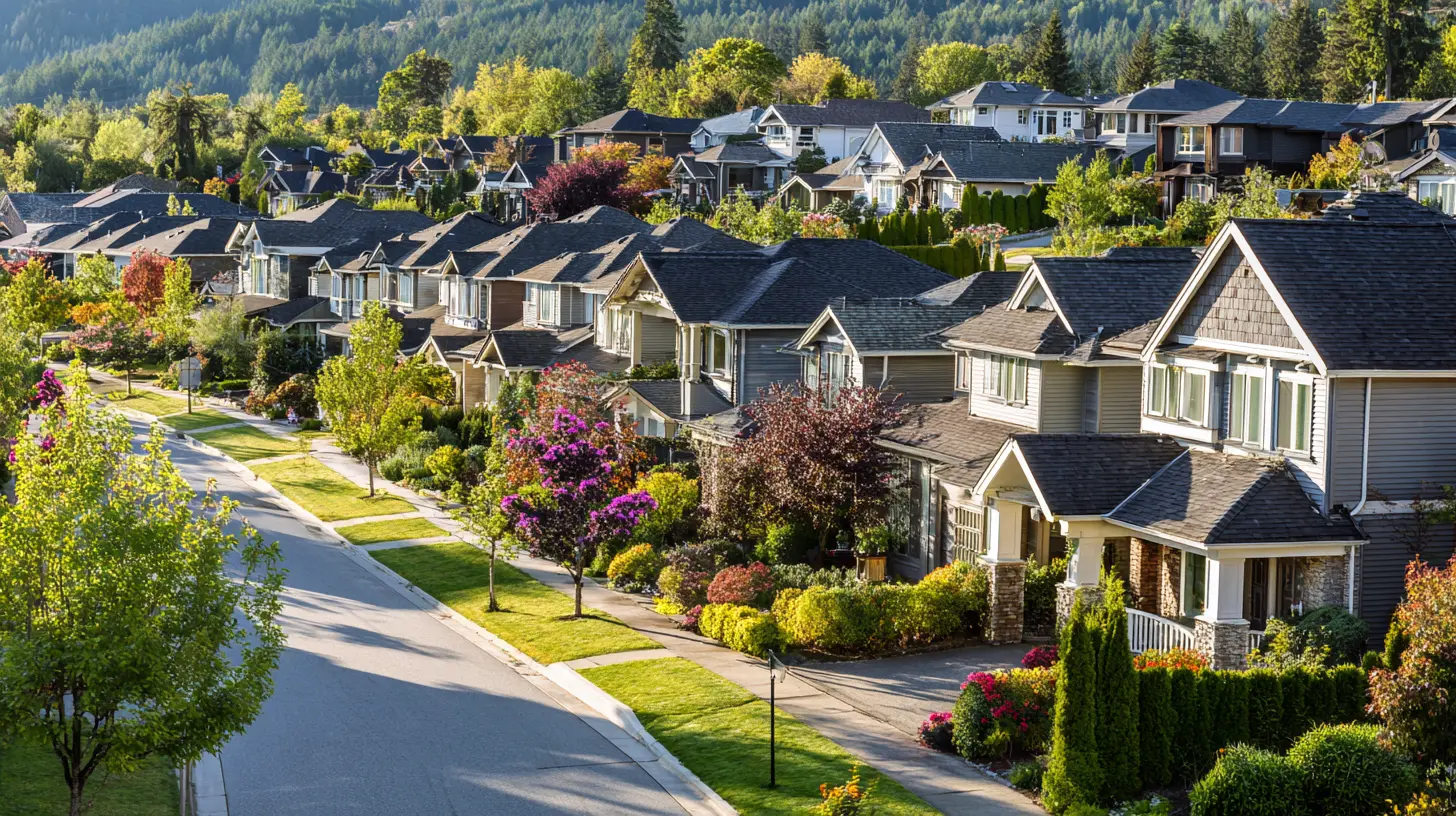
Millennials Are Starting Families
Another major reason for the shift? Millennials are settling down and starting families. And let’s face it—raising kids in a tiny, overpriced apartment with no outdoor space isn’t ideal.More Space for Growing Families
The suburbs offer larger homes, multiple bedrooms, and backyards—things that city living struggles to provide without a hefty price tag. It’s much easier to raise children when you have space for them to run around and play.Better Schools and Safer Neighborhoods
Education and safety are top priorities for millennial parents. Suburbs tend to have better-rated public schools, lower crime rates, and a sense of community that makes parents feel more secure. Instead of worrying about urban crime or overcrowded schools, millennials are opting for the stability of suburban life.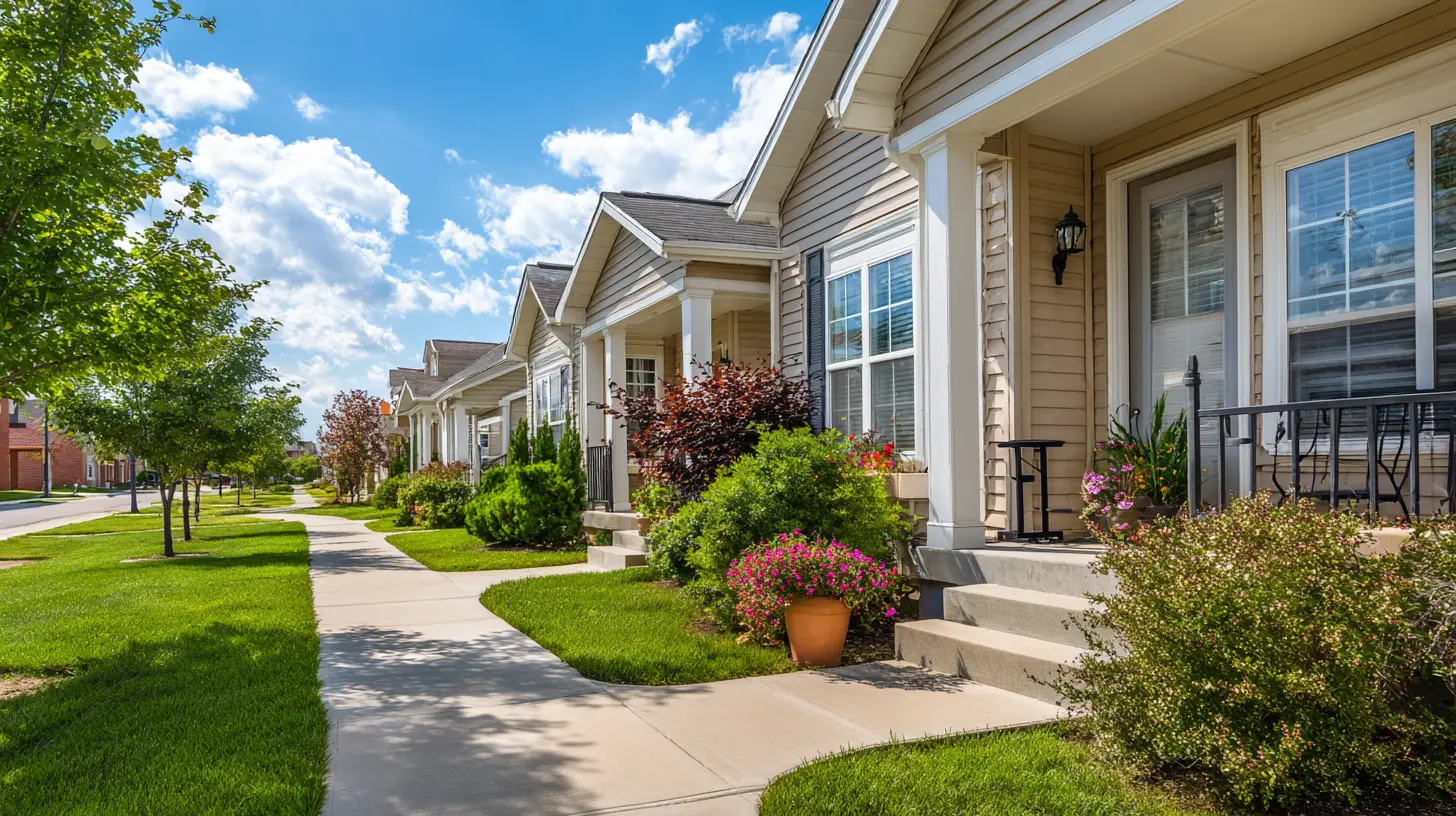
Lifestyle Priorities Have Shifted
For years, millennials were expected to flock to cities for excitement, culture, and convenience. But priorities have changed.Peace, Quiet, and a Slower Pace
The hustle and bustle of city life can be exhausting. Constant noise, congestion, and the fast-paced lifestyle can take a toll on mental health. Moving to the suburbs offers a calmer, more relaxed environment, which has become increasingly appealing—especially in the wake of pandemic-related burnout.More Outdoor Space and Nature Access
Being close to parks, hiking trails, and green spaces is a huge draw. Millennials are prioritizing wellness and outdoor activities, and suburban areas provide a much better environment for that. Whether it’s backyard barbecues, bike trails, or weekend hikes, the suburbs offer a healthier lifestyle.The Rise of Suburban Hotspots
Suburbia isn’t just about white picket fences and sleepy neighborhoods anymore. Many suburban areas have evolved into mini-urban hubs with trendy restaurants, coworking spaces, and entertainment options.New Developments Cater to Young Professionals
Developers have been quick to recognize the millennial migration. Many suburban areas are seeing a rise in new cafes, breweries, and shopping centers, making them more attractive to young residents.Suburbs Are Becoming More Walkable
One of the biggest drawbacks of suburban life has always been the need for a car. However, many suburbs are shifting toward walkability, with mixed-use developments that bring restaurants, shops, and entertainment closer to residential areas.Will the Trend Continue?
All signs point to yes. Millennials are facing economic realities that make suburban living a smarter choice. They’re seeking affordability, space, and a better quality of life—all things the suburbs offer.While cities will always have their appeal, the suburban boom is here to stay. And with remote work, rising costs, and family-friendly priorities, it’s easy to see why millennials are making the move.
Final Thoughts
The idea that millennials only want to live in the heart of the city is simply outdated. With shifting priorities and financial realities, suburban living is becoming the preferred choice for many.If you're a millennial considering a move, you're not alone. The suburbs might just offer the perfect mix of affordability, space, and lifestyle you're looking for.
all images in this post were generated using AI tools
Category:
Suburban HomesAuthor:

Vincent Clayton
Discussion
rate this article
2 comments
Bernadette Gutierrez
Millennials are gravitating toward suburban homes for more space and affordability. With the rise of remote work, the appeal of larger properties in quieter areas becomes clear. Suburban living offers a blend of comfort and convenience, making it an attractive choice for this generation.
June 23, 2026 at 4:57 AM
Vincent Clayton
You're right. The shift to suburban homes reflects changing priorities, especially with remote work making space and affordability more appealing. It's a smart move for many.
Kayla Wolf
Suburban homes offer millennials space, community, and affordable living. It's exciting to see them embrace this new lifestyle choice!
May 14, 2026 at 4:13 AM
Vincent Clayton
It's great to see millennials finding value in suburban living. Space and community can make a big difference in their quality of life.