What to Know About Maintaining Your Rental’s Appliances
2 March 2026
When you own a rental property, there’s a lot to keep track of—tenants, leases, repairs, and, of course, appliances. Appliances are essential in making your rental more attractive to tenants, but they can also become a headache if not maintained properly.
So, how do you keep them in top shape without constant breakdowns or expensive replacements? Proper maintenance can extend their lifespan, save you money, and keep your tenants happy (which means fewer complaints and calls in the middle of the night).
This guide will walk you through what you need to know about maintaining your rental’s appliances properly. 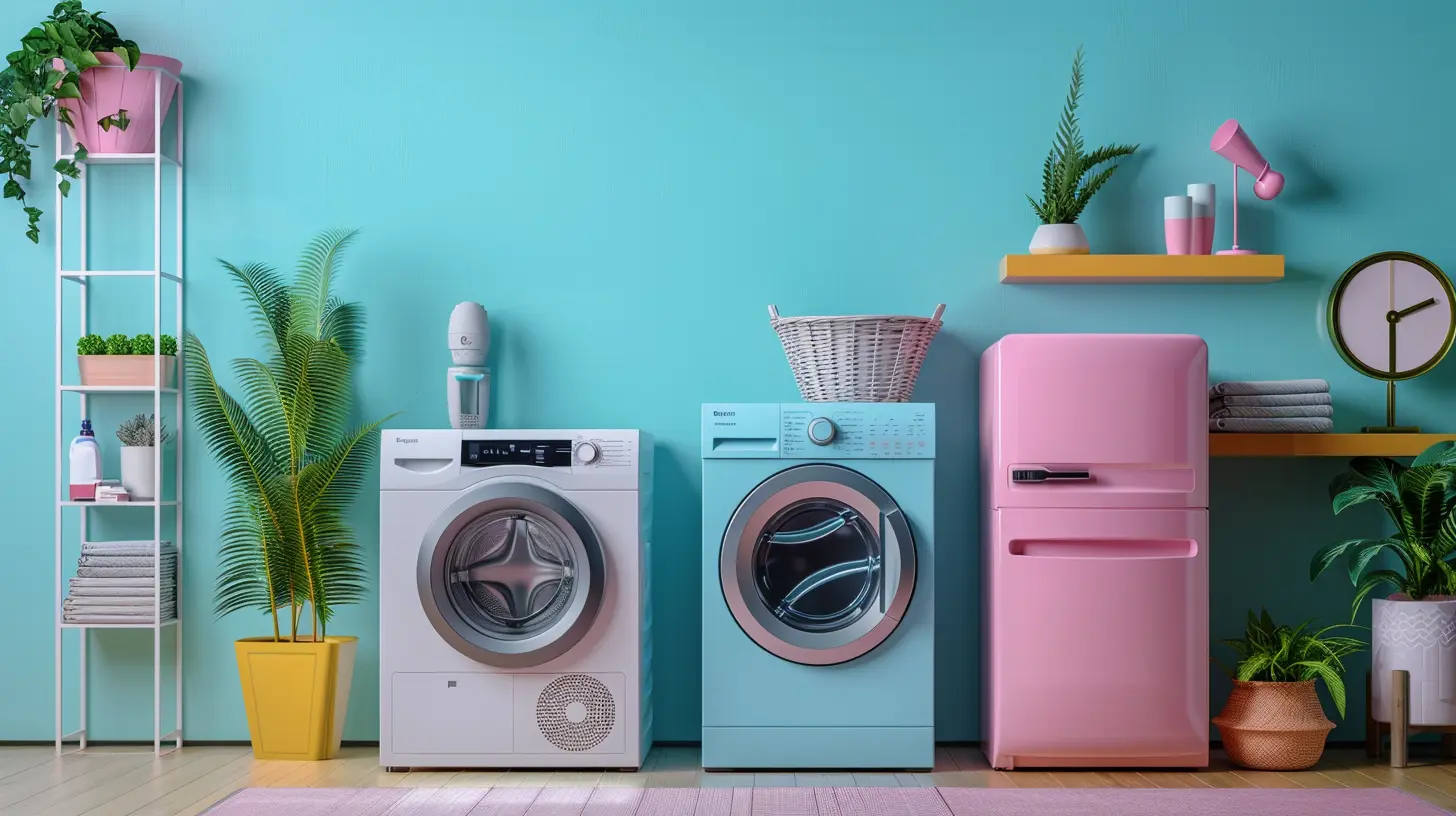
Why Appliance Maintenance in a Rental Property is Important
Let’s be honest—replacing appliances is not cheap. Whether it’s a refrigerator, dishwasher, or HVAC system, these are big-ticket items that can cut into your profits if they fail too soon. Proper maintenance ensures you:- Save Money: Well-maintained appliances last longer and require fewer repairs.
- Keep Tenants Happy: Nobody wants their stove to stop working while they’re cooking dinner. Reliable appliances mean fewer complaints.
- Avoid Legal Issues: In some states, landlords are required to provide working appliances. Neglecting repairs could land you in legal trouble.
- Maintain Your Property Value: Broken, outdated appliances make a rental look neglected, which can lower its appeal.
Now, let’s dive into the specific ways you can maintain each major appliance in your rental. 
1. Refrigerator Maintenance
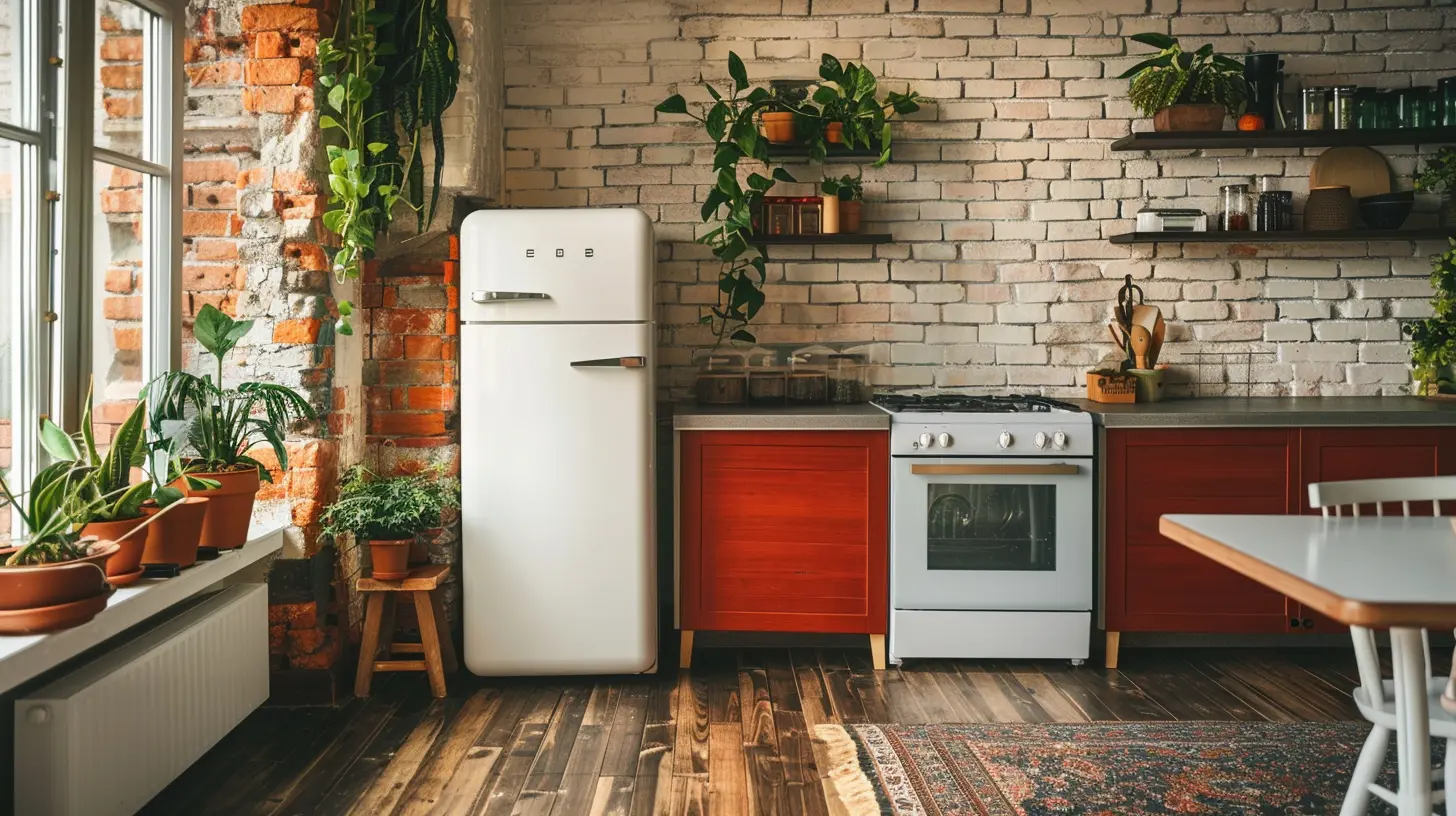
A refrigerator is probably one of the most used appliances in any rental unit. Without regular maintenance, it can break down quickly.How to Keep Your Rental’s Fridge in Top Shape
- Clean the Coils: Dust and debris can clog the refrigerator coils, making the appliance work harder. Vacuum them every six months for optimal efficiency.- Check the Seals: A weak door seal lets cold air escape, forcing the fridge to work overtime. An easy trick? Close the door on a dollar bill—if it slips out easily, the seal needs to be replaced.
- Set the Right Temperature: A fridge should stay between 37-40°F, while the freezer should be at 0°F for maximum efficiency.
- Defrost When Necessary: If the fridge accumulates ice, it has to work harder. Encourage tenants to defrost it when needed.
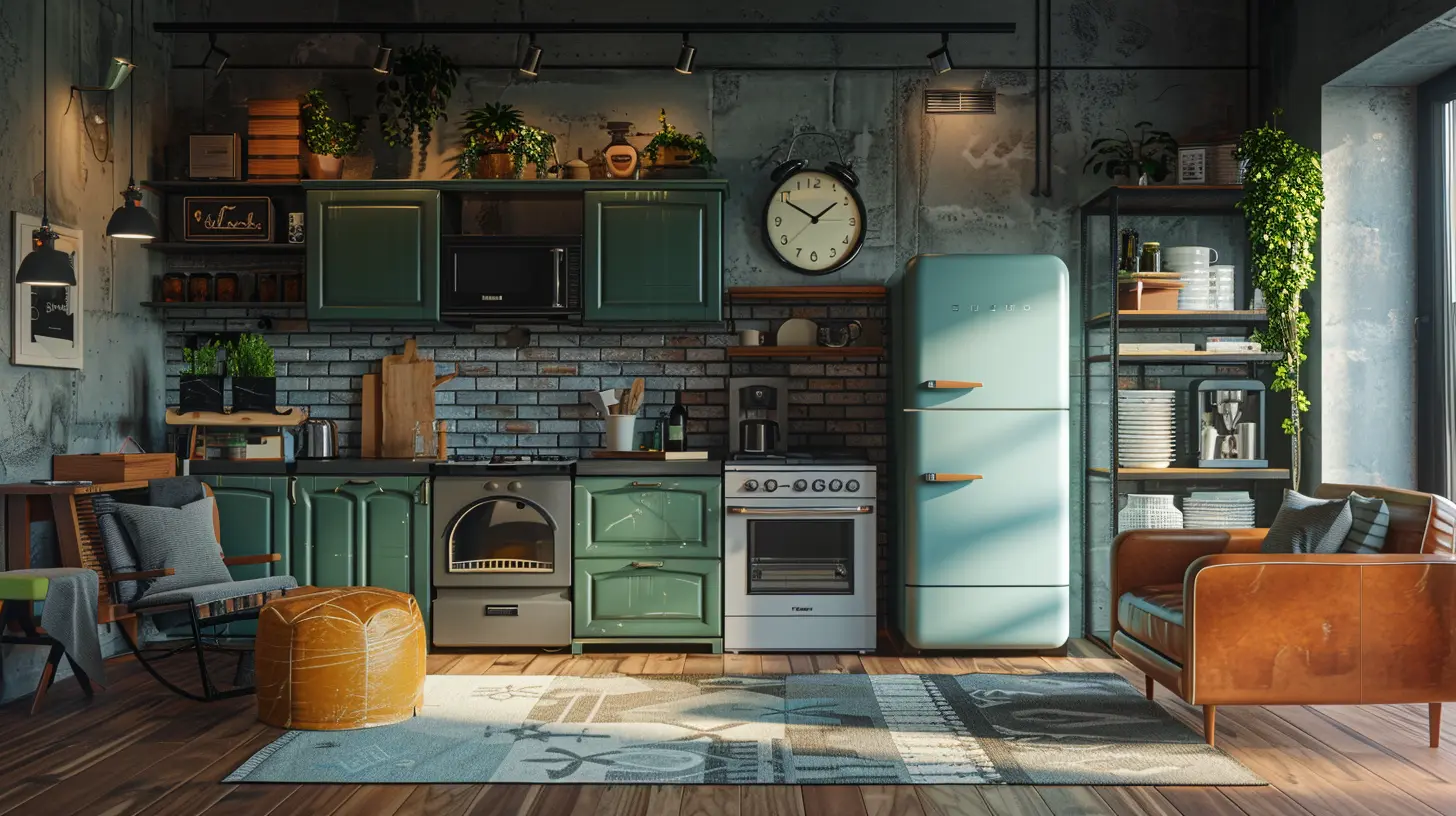
2. Oven and Stove Maintenance
Whether gas or electric, ovens and stoves see a lot of wear and tear. Without proper care, they can become inefficient—or even dangerous.How to Keep the Oven and Stove Working Properly
- Clean Spills Quickly: Burnt food buildup can affect performance and even become a fire hazard. A simple wipe-down after each use prevents major issues.- Check Burner Igniters (Gas Stoves): If a gas stove doesn’t light easily, the igniter might be clogged with debris. A quick cleaning can usually fix this issue.
- Test Heating Elements (Electric Stoves): If food isn’t cooking evenly, the heating elements may be failing. Have them inspected if you notice uneven heat distribution.
- Inspect Door Seals: Just like a fridge, a loose oven seal can make it work harder. If you notice heat escaping, replace the seal.
3. Dishwasher Maintenance
A broken dishwasher can frustrate tenants and lead to unnecessary repair bills. Luckily, routine maintenance can keep issues at bay.How to Extend the Life of a Dishwasher
- Regularly Clean the Filter: A clogged filter can cause poor drainage and unpleasant smells. Instruct tenants to clean it at least once a month.- Use the Right Detergent: Low-quality detergent can cause residue buildup, affecting performance. Encourage tenants to use high-quality detergent.
- Run a Monthly Vinegar Wash: Running a cycle with a cup of white vinegar removes buildup and keeps the dishwasher running efficiently.
- Check for Leaks: Small leaks might go unnoticed but can cause significant water damage over time. Inspect the area around the dishwasher for any signs of moisture.
4. Washing Machine Maintenance
A rental’s washing machine experiences frequent use, and without proper care, it can break down quickly.How to Keep the Washer Running Smoothly
- Avoid Overloading: Overstuffing the machine strains the motor and shortens its lifespan. Tenants should be reminded to follow the recommended load sizes.- Clean the Lint Trap (For Front Loaders): A clogged lint trap can lead to mold and unpleasant odors. Cleaning it regularly prevents these issues.
- Leave the Door Open After Use: Keeping the washer door slightly open allows air circulation, preventing mold and mildew buildup.
- Check Hoses for Leaks: Washer hoses can crack with time. Inspect them regularly and replace them every five years to prevent flooding.
5. Dryer Maintenance
A poorly maintained dryer is not just inefficient—it’s a fire hazard. Lint buildup is one of the leading causes of house fires.How to Keep the Dryer Safe and Efficient
- Clean the Lint Trap After Every Use: This is the easiest way to prevent overheating and potential fires.- Check the Vent Hose: A clogged vent hose can overheat and cause damage. Clean it out once or twice a year.
- Listen for Strange Noises: Grinding or squeaking sounds indicate something is wrong—probably a worn-out belt or roller. Address issues early before they become expensive repairs.
- Ensure Proper Ventilation: The dryer should have a clear vent path to the outside to prevent overheating and excess moisture.
6. HVAC System Maintenance
The heating, ventilation, and air conditioning (HVAC) system is one of the most expensive appliances to repair or replace. Regular maintenance keeps it functioning efficiently.How to Keep the HVAC System in Good Shape
- Change Filters Regularly: Dirty filters reduce efficiency and make the system work harder. Ideally, filters should be replaced every 1-3 months.- Schedule Annual Inspections: A professional HVAC technician should inspect and service the system once a year to catch small issues before they turn into costly repairs.
- Keep Vents Clear: Blocked vents force the system to work harder than necessary. Ensure tenants don't place furniture directly in front of vents.
- Check for Leaks: Refrigerant leaks can reduce efficiency and cause long-term damage. If tenants notice a weak AC performance, have it inspected immediately.
Setting Maintenance Expectations with Tenants
You can do everything right on your end, but if tenants don’t do their part, your appliances will still suffer. That’s why it’s important to set clear expectations from the beginning.How to Get Tenants Involved in Appliance Maintenance
- Provide a Maintenance Guide: Give tenants a simple list of what they need to do—like cleaning the lint trap or not overloading the washer.- Encourage Prompt Reporting: The sooner you know about an issue, the easier (and cheaper) it is to fix. Tell tenants to report problems immediately.
- Perform Routine Inspections: Scheduling seasonal or annual inspections can help you catch small problems before they turn into big ones.
- Include Maintenance in the Lease Agreement: Make it clear what’s expected from tenants when it comes to appliance care.
Final Thoughts
Maintaining your rental’s appliances might not be the most exciting part of being a landlord, but it’s definitely one of the most important. Regular maintenance saves you money, keeps tenants happy, and prevents unexpected breakdowns.By keeping up with simple maintenance tasks and encouraging tenants to do their part, you can ensure your appliances stay in great shape for years to come. At the end of the day, a little effort now can save you from massive headaches (and expenses) down the road.
all images in this post were generated using AI tools
Category:
Property MaintenanceAuthor:

Vincent Clayton
Discussion
rate this article
2 comments
Blaine McPherson
Great tips! Regular maintenance not only extends appliance lifespan but also enhances tenant satisfaction. Investing time in upkeep pays off in the long run.
March 19, 2026 at 12:13 PM
Vincent Clayton
Thanks for your insight! Regular maintenance truly makes a difference for both appliances and tenant happiness.
Kaitlin Duke
Ever wondered what secrets your rental appliances hold? Master their maintenance, and unlock the hidden potential of a harmonious home—before the clock strikes midnight.
March 9, 2026 at 3:25 AM
Vincent Clayton
Absolutely! Understanding and maintaining your rental appliances can significantly enhance their performance and longevity, ensuring a more harmonious living environment.