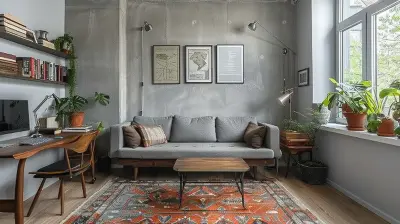
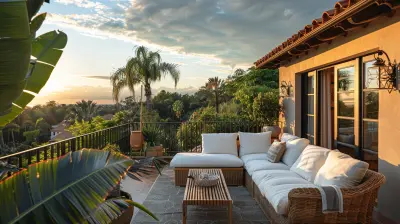
Using Composition to Create Inviting Real Estate Photos
14 February 2026
Ah, real estate photography—the fine art of making tiny rooms look palatial and fixer-uppers seem like they belong in a home design magazine. If you've ever scrolled through listings and thought, "Wow, who knew a dilapidated shack could look so charming?" then congratulations, you've been bamboozled by good composition.
When it comes to selling homes, composition is king. A well-framed shot can transform a basic kitchen into a chef’s paradise or make a cramped living room feel like an open-concept masterpiece. So, let’s dive into the wizardry of composition and how you can use it to create inviting real estate photos that get buyers clicking. 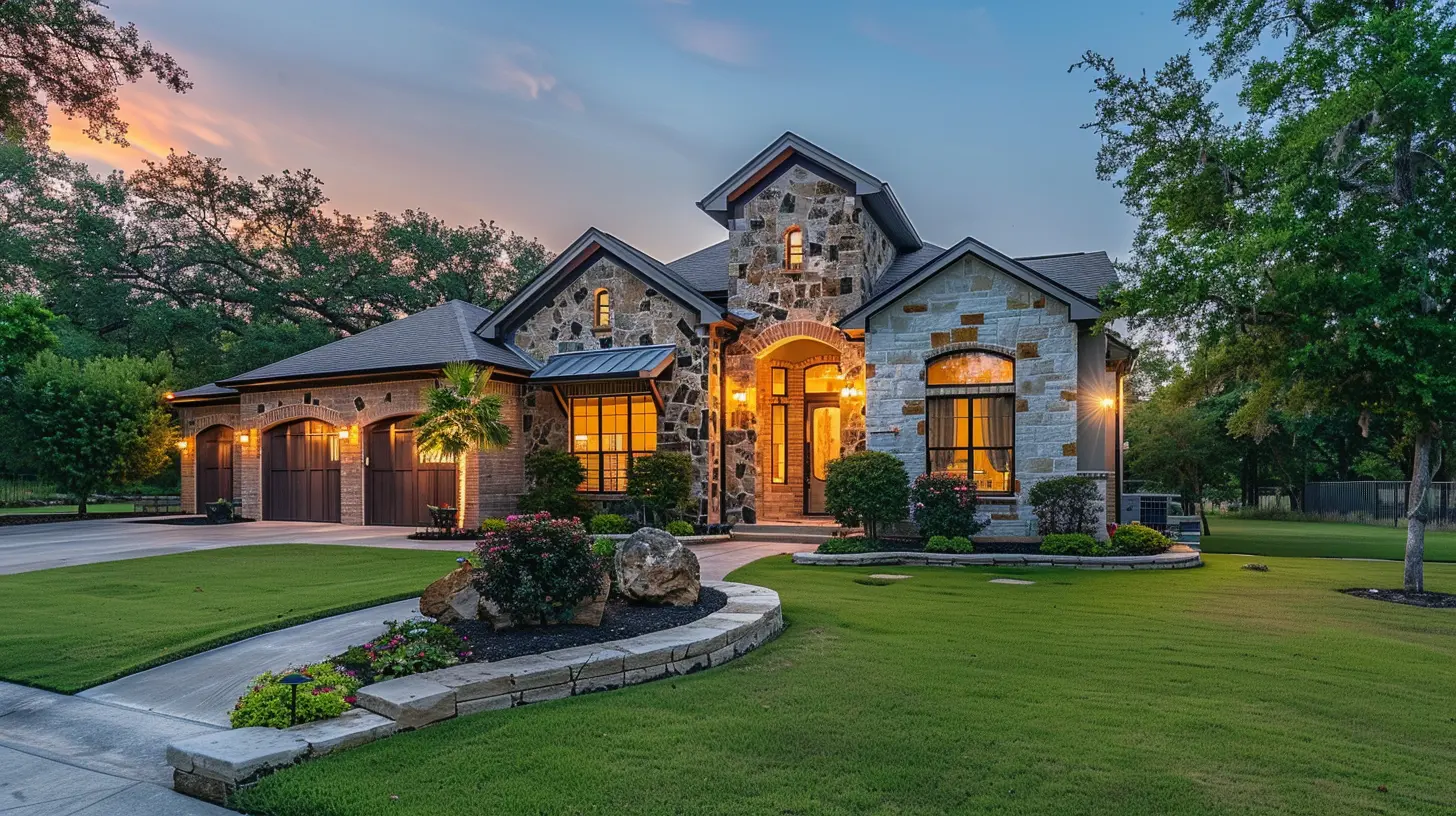
Why Composition is Everything in Real Estate Photography
Let’s be real—nobody wants to buy a house that looks like a crime scene from a bad TV show. Bad photos make listings sit on the market longer than your aunt’s fruitcake at Christmas. Composition, on the other hand, lets you highlight a home’s best features while tricking (oops, I mean, “convincing”) buyers that they’ve just found their dream home.Good composition isn’t just about pointing a camera at a room and hoping for the best. It’s about understanding angles, light, and depth to craft an image that feels warm, spacious, and welcoming. And no, slapping on a filter won’t fix a poorly composed shot—this isn’t Instagram, folks. 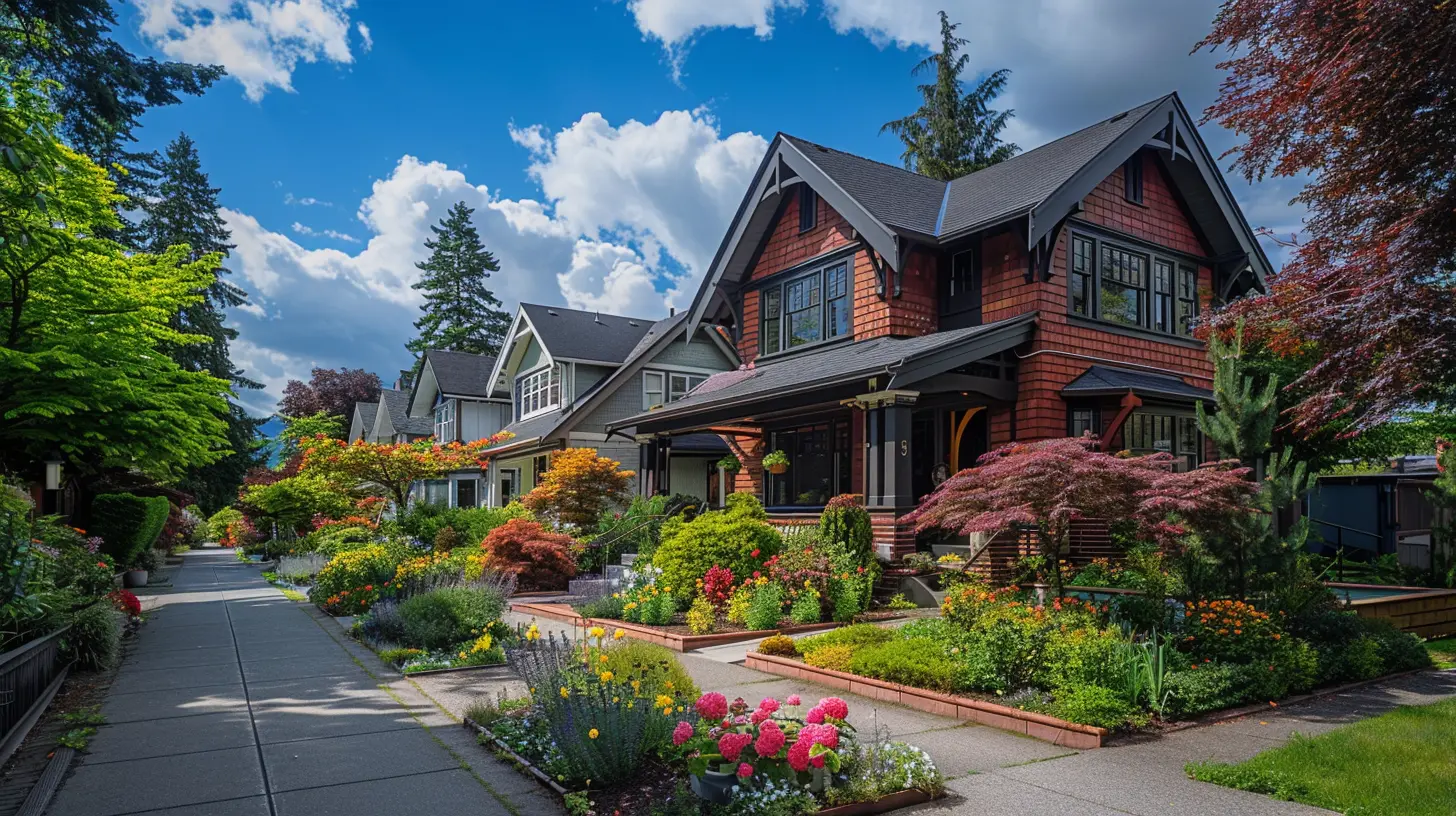
The Rule of Thirds: Because Centering is Boring
Ever heard of the rule of thirds? If not, congratulations, you’ve been taking awkwardly framed photos your whole life. This golden rule of photography suggests dividing your image into a 3x3 grid and placing key elements along the lines or at the intersections.Why? Because our brains LOVE balance and structure. If you place a stunning fireplace or a grand staircase right at one of those intersection points, the photo immediately feels more natural and inviting. It’s like magic—but without the need for a wand or Hogwarts degree.
✅ Pro Tip: Most cameras (and even your smartphone) have a grid setting. Turn it on and thank me later. 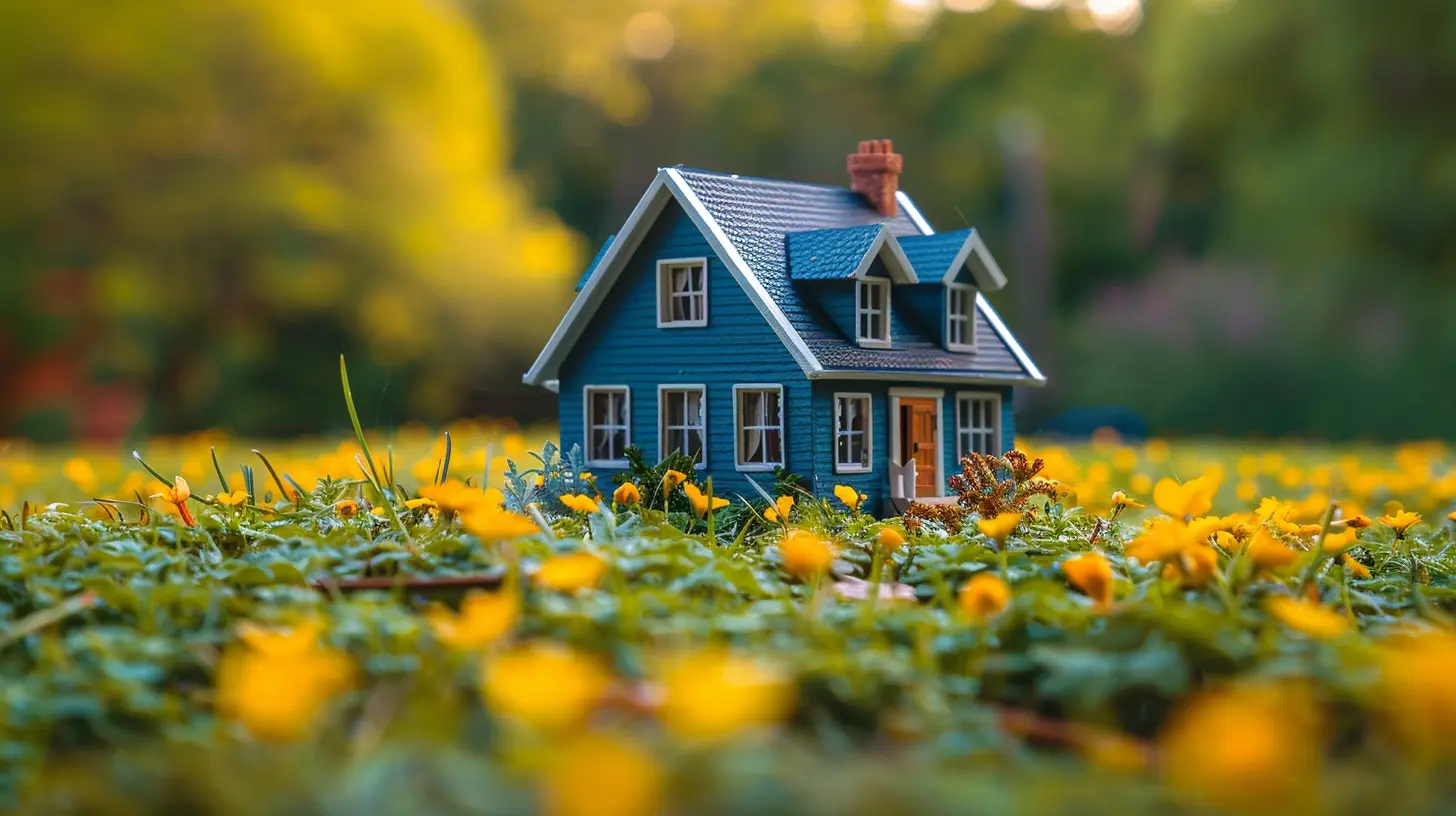
Natural Leading Lines: Guiding the Eye Like a Pro
Leading lines are the ultimate Jedi mind trick of real estate photography. They guide the viewer’s eyes through the image, subtly directing attention to key features.These lines can be anything—a hallway, a countertop, a staircase, or even the lines of hardwood flooring. Used correctly, leading lines create depth and make rooms feel larger, which is basically the real estate photographer’s version of a cheat code.
🚀 Pro Tip: Doorways, windows, and furniture all create natural lines that can lead the viewer’s eye right where you want it. 
Symmetry and Balance: Because Chaos is for Reality TV
Symmetry is oddly satisfying—just ask anyone who’s ever obsessively rearranged their bookshelves. In real estate photography, balanced compositions make spaces feel neat, organized, and, most importantly, expensive.Imagine a perfectly centered dining table with matching chairs on each side, or a bathroom vanity with twin sinks and identical light fixtures above them. This kind of balance screams “sophisticated living”—even if, in reality, the homeowners leave toothpaste smudges everywhere.
💡 Pro Tip: If a space doesn’t have natural symmetry, fake it. Move furniture around until it looks like it belongs in an interior design magazine.
Utilizing Depth to Avoid the "Flat and Boring" Trap
Flat photos make homes look about as interesting as a waiting room at the DMV. To add depth, you need foreground, midground, and background elements. This layering effect gives your images a life-like quality, making rooms feel bigger and more dynamic.For example, setting up a shot where a stylish coffee table is in the foreground, a cozy sofa is in the midground, and a gorgeous fireplace is in the background adds dimension. The result? A room that looks like it’s practically inviting buyers to move in immediately (or at least visit for a coffee).
📸 Pro Tip: Shooting from corners rather than straight-on adds extra depth and makes spaces look larger.
Framing: Not Just for Art Gurus
Framing isn’t just about putting a photo in a pretty border—it’s also a crucial photography technique. Using elements within the space (like doorways, windows, or archways) to frame your shot gives a sense of perspective and draws attention to key features.Think about looking through a doorway into a gorgeous sunlit living room. The walls on either side of the doorway naturally frame the space, making the room feel more inviting. It’s a trick that instantly elevates your shots from “meh” to “wow.”
🖼 Pro Tip: Use natural frames to highlight focal points like fireplaces, large windows, or stunning backyard views.
Perspective: Because No One Wants to Feel Like They Live in a Dollhouse
Ever see a real estate photo where the room looks oddly distorted, like it belongs in Honey, I Shrunk the Listing? That’s what happens when you shoot from the wrong height or angle.The best practice? Keep your camera at about chest height (or slightly lower for smaller rooms). Shooting too high makes the space look distant and uninviting, while shooting too low can make furniture look massive and overwhelming.
📏 Pro Tip: Use a tripod to maintain consistent angles and avoid the dreaded “tilted house” effect.
The Importance of Negative Space: Let the Room Breathe
Negative space is just as important as the furniture and décor. Ever see a cluttered real estate photo where every inch of the frame is packed with stuff? That’s a one-way ticket to overwhelming potential buyers.Leaving some negative space—empty areas that allow the room to breathe—makes images feel calm, open, and inviting. It’s like giving the viewer’s eyes a place to rest instead of making them work overtime just to decipher the scene.
✂ Pro Tip: If a room feels too cluttered in photos, move some items out of the shot. Less is more.
Lighting: Because No One Buys a Cave
All the composition tricks in the world won’t save you if your lighting is terrible. Dark, dreary rooms are a no-go. Bright, naturally lit spaces? Now we’re talking.Whenever possible, use natural light. Open curtains, pull up blinds, and shoot when the room is flooded with sunlight. If natural light isn’t an option, use soft, warm artificial lighting to keep things looking cozy rather than eerie.
🔆 Pro Tip: Avoid using flash unless absolutely necessary—it can create harsh shadows and make spaces look uninviting.
Staging for the Perfect Shot: Because Reality is Overrated
Let’s face it—most people's homes don’t look picture-perfect every day. There are toys on the floor, dishes in the sink, and that one chair that’s been doubling as a laundry rack for months. That’s why staging is crucial.A well-staged home highlights the best features while conveniently ignoring the less-than-glamorous details. Fluffy pillows, neatly folded throws, and a strategically placed bowl of lemons in the kitchen can work wonders.
🎭 Pro Tip: Declutter, add tasteful décor, and keep color schemes neutral for a universally appealing look.
Final Thoughts: Snap, Sell, Success
Good composition in real estate photography isn’t a luxury—it’s a necessity. A poorly framed shot can make a mansion look like a dungeon, while a well-composed one can make a shoebox look like a penthouse.By using techniques like the rule of thirds, leading lines, symmetry, depth, and strategic framing, you can create inviting, scroll-stopping real estate photos that turn casual browsers into serious buyers. And hey, if all else fails—just add more natural light. It works every time.
Now go forth and make those listings irresistible!
all images in this post were generated using AI tools
Category:
Real Estate PhotographyAuthor:

Vincent Clayton
Discussion
rate this article
2 comments
Soraya Reilly
Compose with care—your photos will shine brightly!
February 20, 2026 at 12:40 PM
Vincent Clayton
Thank you! Careful composition truly enhances the appeal of real estate photos.
Azura Pacheco
Great insights! Effective composition truly transforms real estate photos, making properties feel more inviting and appealing.
February 16, 2026 at 9:41 PM
Vincent Clayton
Thank you! I'm glad you found the insights valuable. Composition really makes a difference in showcasing properties effectively!