Understanding Zoning Laws for Multifamily Development Projects
13 February 2026
When it comes to multifamily development, zoning laws are like the rulebook that dictates what you can and can't build on a piece of land. They determine everything from the number of units allowed to the height of the building and even the parking requirements. If you're diving into the world of real estate development, understanding zoning laws is absolutely crucial.
In this guide, we’ll break down zoning laws, why they matter, and how to navigate them effectively for multifamily projects.
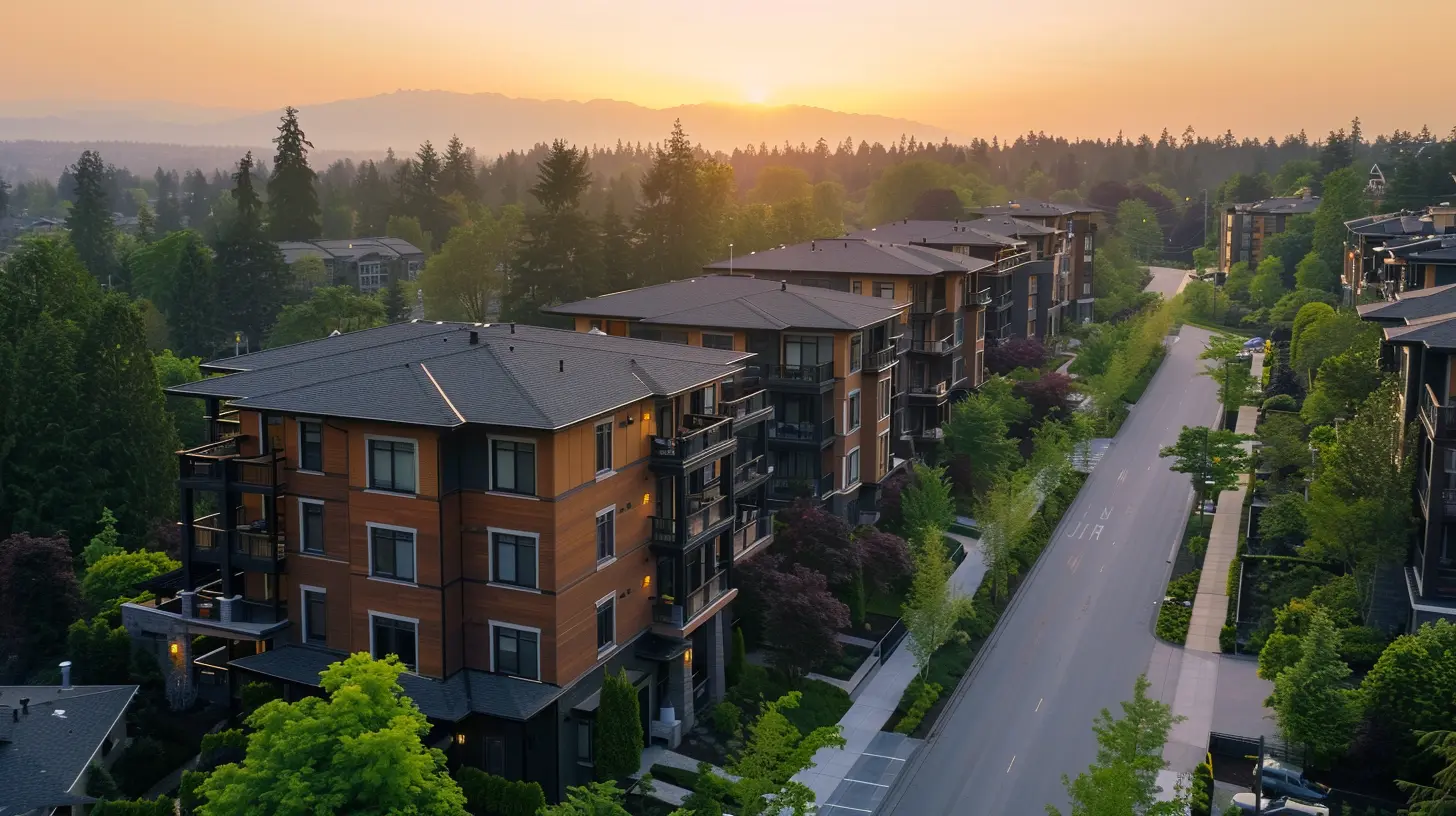
What Are Zoning Laws?
Zoning laws are local regulations that govern land use and development. Cities and municipalities use zoning to control urban growth, ensure safety, and maintain community aesthetics. These laws dictate whether a property can be used for residential, commercial, industrial, or mixed-use purposes.For multifamily development, zoning laws define:
- The number of housing units allowed on a lot
- Building height and density restrictions
- Parking and open space requirements
- Setbacks from streets and neighboring properties
Understanding these regulations before purchasing land or starting a project can save you from expensive legal battles and rejections.

Why Do Zoning Laws Matter in Multifamily Development?
Multifamily developments, such as apartment complexes or townhomes, face stricter zoning rules than single-family homes. These laws ensure communities grow in a controlled manner while balancing housing needs and infrastructure capacity.Here’s why they’re important:
1. They Influence Project Feasibility
Zoning restrictions impact whether you can build apartments, duplexes, or high-rises. If an area is zoned only for single-family homes, you might need a zoning change or variance before proceeding.2. They Affect Property Value
Land zoned for multifamily housing tends to have higher value than land restricted to single-family homes. Developers often seek properties with flexible zoning to maximize profitability.3. They Determine Housing Density
Density regulations specify how many units can be built per acre. If you exceed the limit, you may need approval for an exception, which isn’t always guaranteed.4. They Protect Neighborhoods
Zoning helps maintain community character by preventing overcrowding, traffic congestion, and strain on public utilities.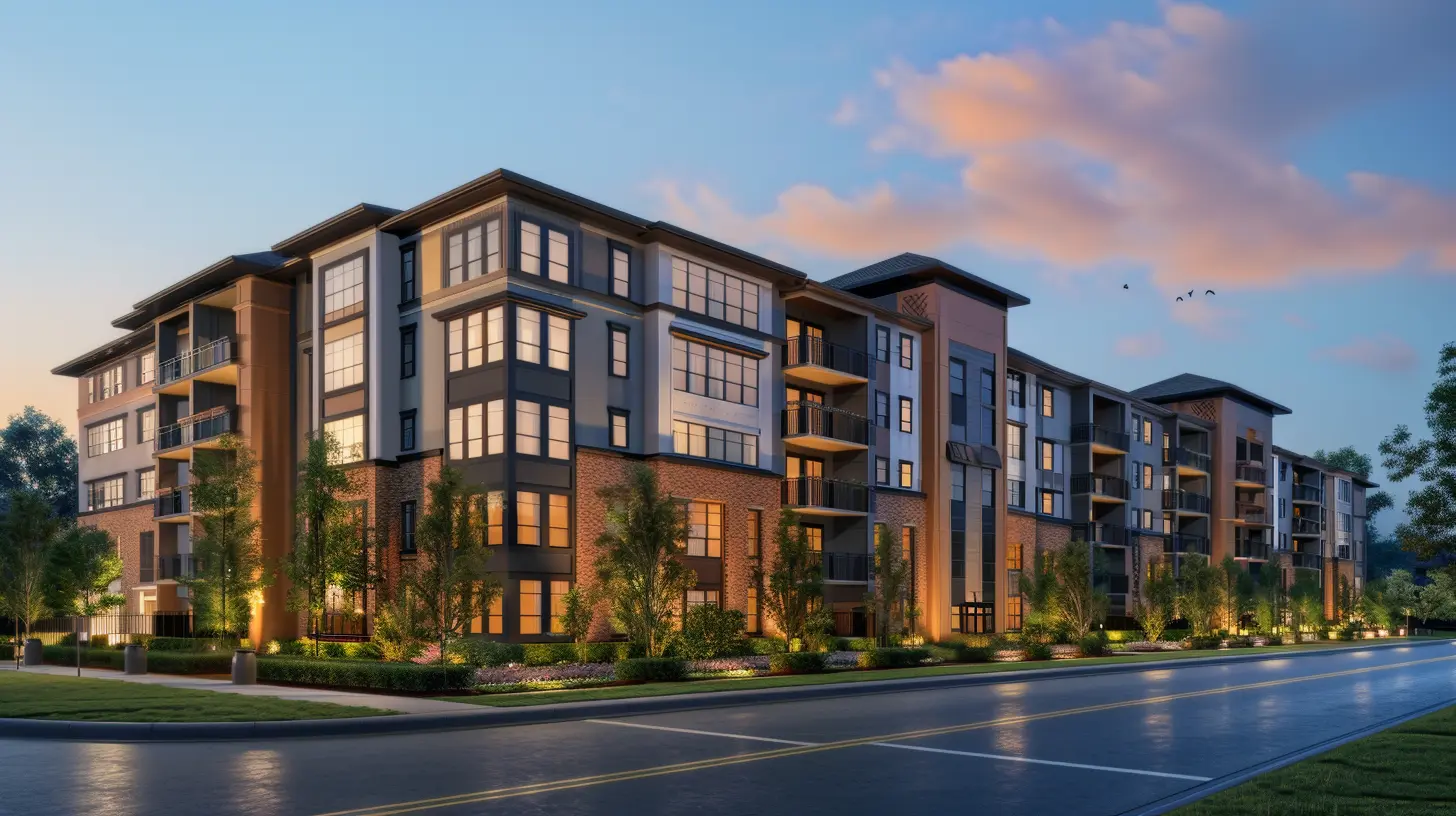
Common Zoning Classifications for Multifamily Development
Every city has its own zoning codes, but here are the most common classifications:1. R-1 (Single-Family Residential)
- Strictly allows detached single-family homes- No multifamily housing permitted
2. R-2 (Two-Family Residential)
- Allows duplexes and sometimes small multifamily dwellings- Limited density compared to higher residential zones
3. R-3 (Low-Density Multifamily Residential)
- Allows townhomes, small apartment buildings, and condominiums- Typically limited to 2-4 stories
4. R-4 (High-Density Multifamily Residential)
- Permits larger apartment complexes and mixed-use developments- Taller buildings and higher unit count allowed
5. Mixed-Use (MU) Zoning
- Allows residential and commercial uses on the same property- Ideal for urban developments with retail spaces on the ground floor and apartments above
Understanding these distinctions ensures you find the right location for your multifamily project without zoning conflicts.

How to Navigate Zoning for Multifamily Projects
Now that you understand zoning laws, how do you work within these rules to bring your project to life? Here’s a step-by-step guide:1. Check Local Zoning Codes
Before purchasing a property, research local zoning ordinances. Most cities have their zoning maps and codes available online. Look for land that permits the type of development you’re planning.2. Consult with the Local Planning Department
Local planning or zoning departments can clarify any restrictions, special requirements, or upcoming zoning changes that might impact your project.3. Request a Zoning Variance or Rezoning (If Needed)
If the property isn't zoned for multifamily use, you may need a zoning variance or a rezoning request. A zoning variance is an exception granted for unique circumstances, while rezoning involves changing the zoning designation altogether.Keep in mind that these requests require public hearings, city council approval, and sometimes neighborhood support.
4. Understand Parking and Infrastructure Requirements
Many zoning laws require a specific number of parking spaces per unit. If your project lacks sufficient parking, you may need to make adjustments or get an exemption.Additionally, you may have to comply with rules regarding sidewalks, green spaces, and utility connections.
5. Comply with Building Height and Density Regulations
Each zoning category imposes limits on building height and the number of units allowed per acre. If your project exceeds these limits, you might need a density bonus approval, which often requires providing additional community benefits like affordable housing or public spaces.6. Work with a Zoning Attorney or Urban Planner
Zoning laws can be complicated, and a mistake can be costly. Hiring a zoning attorney or a land-use expert ensures you stay compliant and increases your chances of project approval.Potential Challenges in Multifamily Zoning
Even with a solid understanding of zoning laws, developers often face challenges, including:1. NIMBY (Not In My Backyard) Opposition
Some neighborhoods resist multifamily developments due to concerns about traffic, noise, or changing community character. Anticipating and addressing these concerns through community engagement can help smooth the approval process.2. Lengthy Approval Process
Rezoning requests and variances can take months—sometimes years—to get approved. Patience and persistence are key when dealing with city planning departments.3. Environmental and Historic Preservation Restrictions
Some properties may face additional regulations due to environmental concerns or historic preservation rules. These can limit development potential and add extra costs.4. Affordable Housing Requirements
Many cities require developers to include a percentage of affordable units in multifamily projects. Understanding these requirements upfront can help with project budgeting and planning.
Final Thoughts
Zoning laws are one of the biggest factors determining the success of a multifamily development project. They dictate what can be built, where, and under what conditions. While navigating zoning regulations can be complex, thorough research, consulting with experts, and working closely with city planners can significantly increase your chances of a successful project.Investing time in understanding these laws from the outset can help you avoid costly delays and legal hurdles down the road. So, before you break ground, make sure you’re on solid zoning ground!
all images in this post were generated using AI tools
Category:
Multifamily PropertiesAuthor:

Vincent Clayton
Discussion
rate this article
2 comments
Felix McLaurin
Great article! Understanding zoning laws is crucial for multifamily developments. Clear insights can help investors navigate regulations and maximize project potential effectively.
February 18, 2026 at 5:37 AM
Vincent Clayton
Thank you for your feedback! I’m glad you found the insights helpful for navigating zoning laws in multifamily developments.
Meagan McKale
How do zoning laws impact the design and success of multifamily development projects?
February 15, 2026 at 5:49 AM
Vincent Clayton
Zoning laws dictate land use, density, and building design, which directly influence the feasibility, cost, and attractiveness of multifamily projects, ultimately shaping their success in the market.