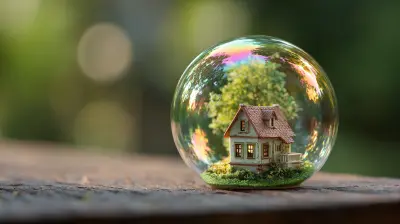
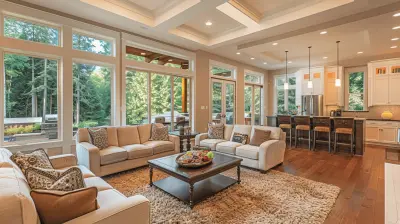
Transforming Old Buildings into Affordable Housing Opportunities
2 December 2025
The housing crisis is a pressing concern in many cities worldwide. Rising real estate prices, gentrification, and population growth are making it harder for people to find affordable housing. However, amidst this challenge, there’s a hidden opportunity—transforming old buildings into affordable housing.
Repurposing old structures isn't just practical; it’s a creative and sustainable solution. By breathing new life into abandoned or underutilized buildings, we can provide much-needed homes while preserving history. Let’s dive into how this approach works and why it’s a game-changer for housing affordability.
Why Repurpose Old Buildings for Housing?
1. A Cost-Effective Solution
Constructing new buildings from scratch is expensive. It involves land acquisition, permits, labor costs, and skyrocketing material prices. In contrast, repurposing an existing building can significantly cut costs. Many structures already have strong foundations, walls, and essential infrastructure in place, which can be renovated rather than rebuilt.2. Sustainability and Eco-Friendliness
Instead of tearing down old structures and creating tons of waste, adaptive reuse minimizes environmental impact. Renovating old buildings reduces the consumption of raw materials, prevents landfill waste, and lowers carbon emissions compared to constructing new buildings.3. Preserving History and Character
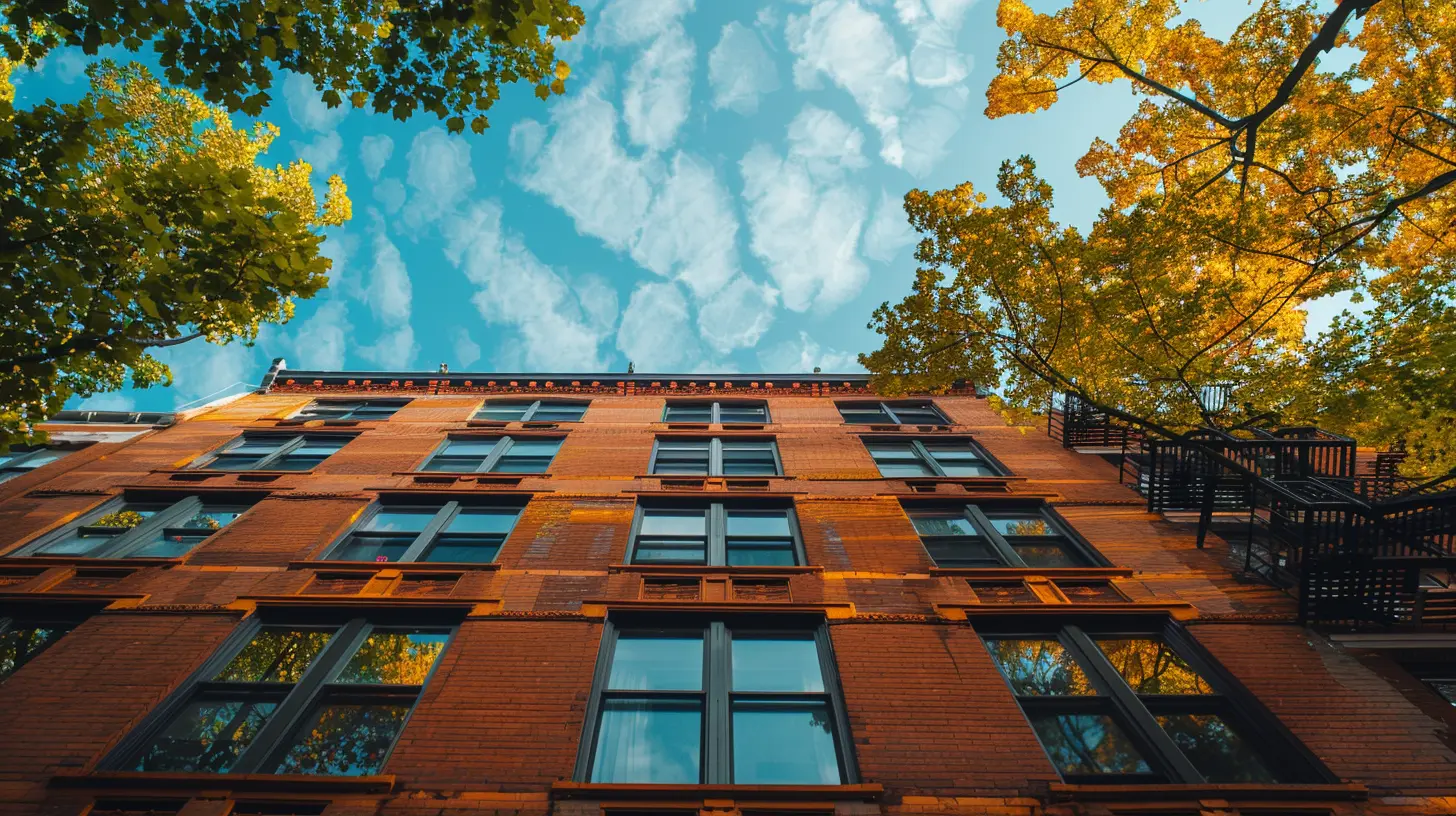
Many old buildings showcase craftsmanship and architectural styles no longer seen in modern construction. By restoring and converting them into housing, cities preserve their cultural heritage while giving them a refreshed purpose.4. Maximizing Underutilized Spaces
Across cities, there are countless abandoned warehouses, vacant office buildings, and closed-down schools. These spaces are often left unused for years. Instead of allowing them to deteriorate, converting them into affordable housing fills a critical need.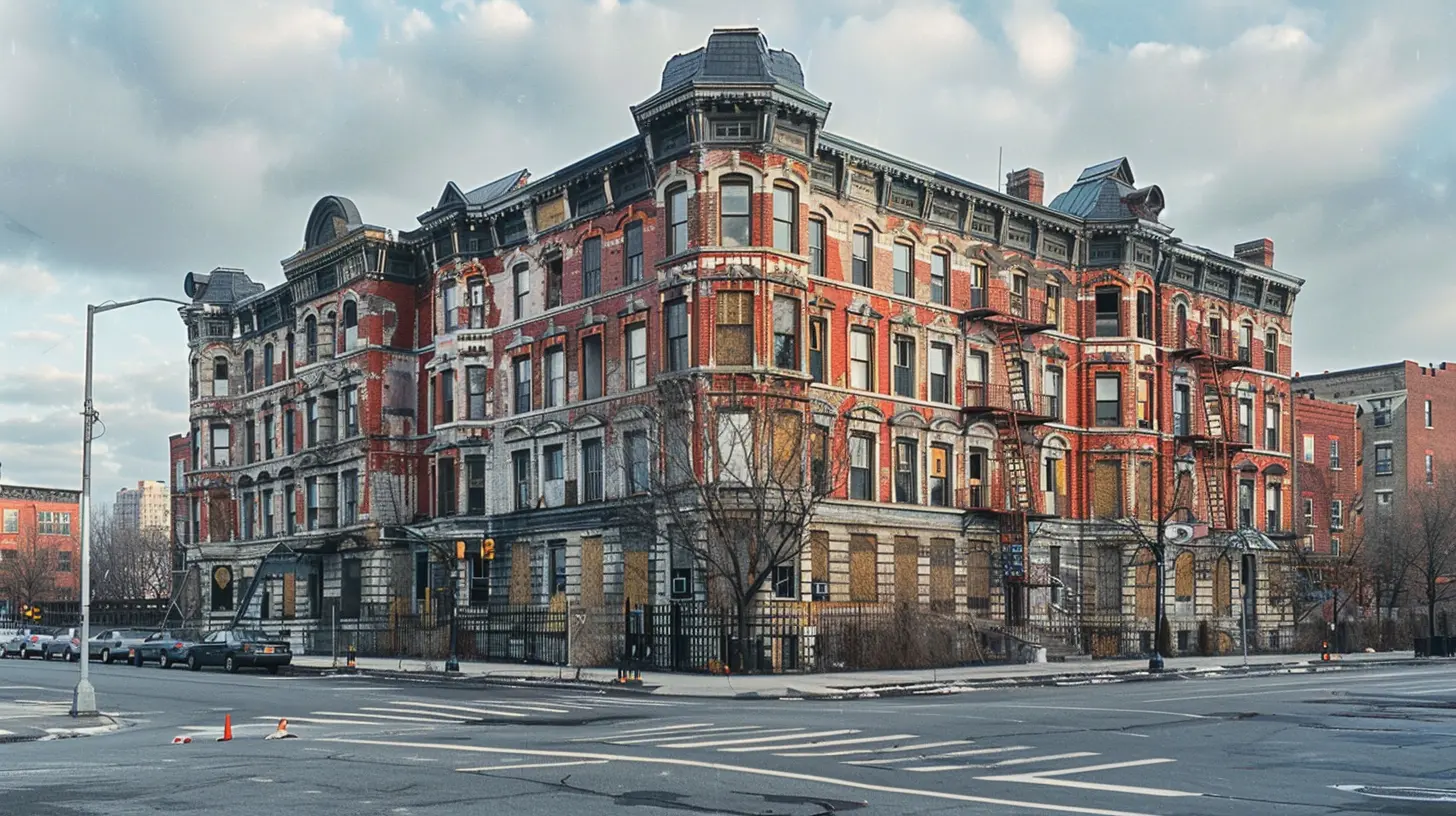
Challenges in Transforming Old Buildings
While repurposing buildings is a smart solution, it comes with its own set of challenges. Here’s what makes the process tricky—but not impossible.1. Structural Issues and Upgrades
Old buildings may have outdated plumbing, weak foundations, or hazardous materials like asbestos. Renovations must ensure they meet modern safety codes while maintaining affordability.2. Zoning and Legal Barriers
Many buildings were initially designed for commercial or industrial use. Changing their purpose may require rezoning, which can be a bureaucratic nightmare. However, cities that recognize the value of affordable housing can streamline these processes.3. Cost vs. Affordability Balance
While repurposing is often cheaper than new construction, extensive renovations can still be costly. Cities, developers, and non-profits need to find ways to fund these projects without driving up rents beyond affordability.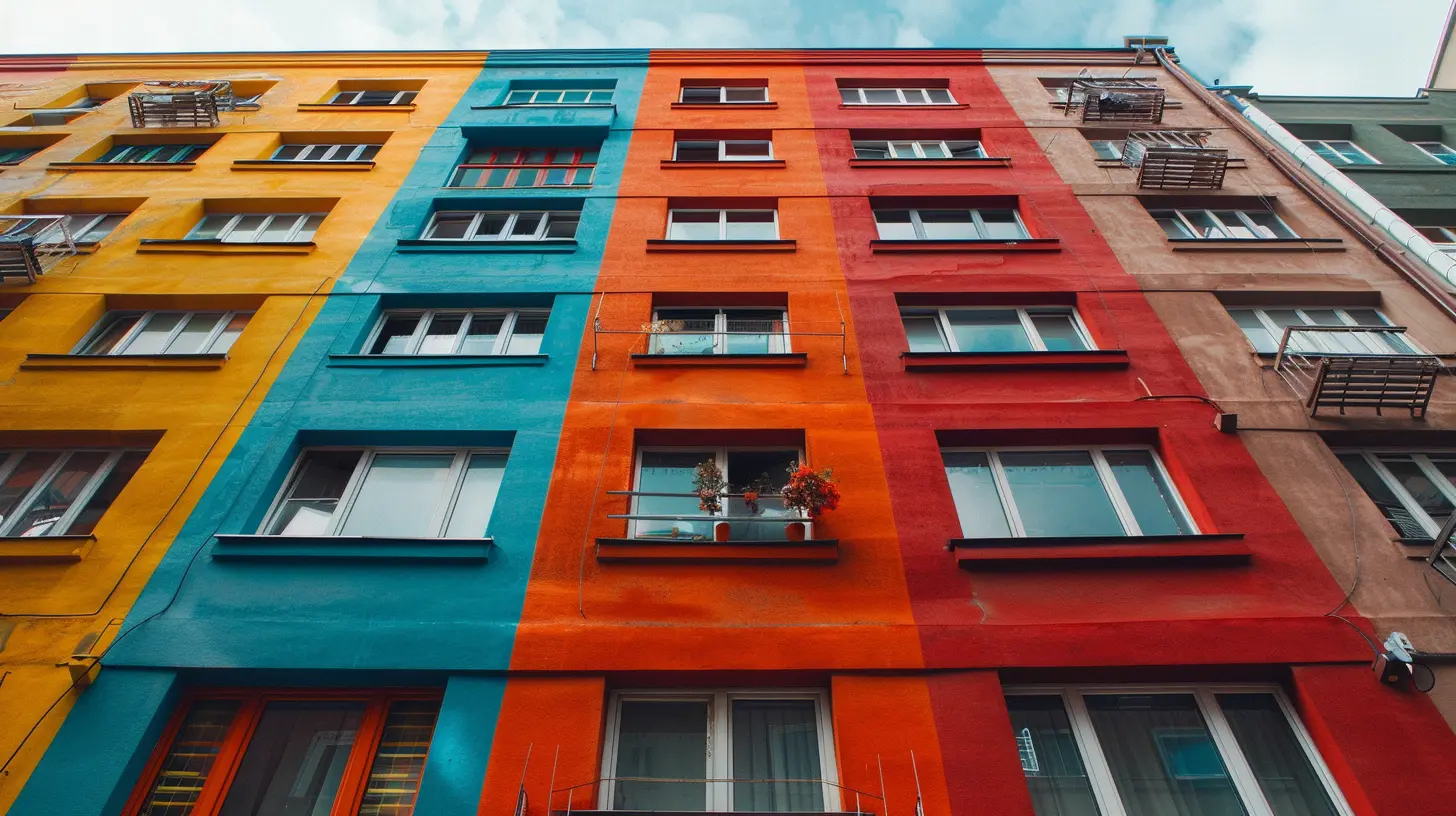
How Governments and Developers Can Make It Work
1. Incentives for Developers
Governments can encourage adaptive reuse by offering tax credits, subsidies, and low-interest loans to developers who turn old buildings into affordable housing. These financial incentives can make projects more viable.2. Public-Private Partnerships (PPPs)
Many successful repurposing projects result from partnerships between governments, private companies, and community groups. These collaborations can provide funding, expertise, and streamlined regulations to ensure projects succeed.3. Flexible Zoning Laws
Cities should update zoning laws to make it easier to convert underutilized buildings into residential spaces. By reducing red tape, municipalities can accelerate affordable housing projects instead of stalling them in endless approval processes.4. Community Engagement
Residents often resist repurposing projects due to fear of change. Engaging local communities in planning helps build trust, address concerns, and ensure that developments benefit both new and existing residents.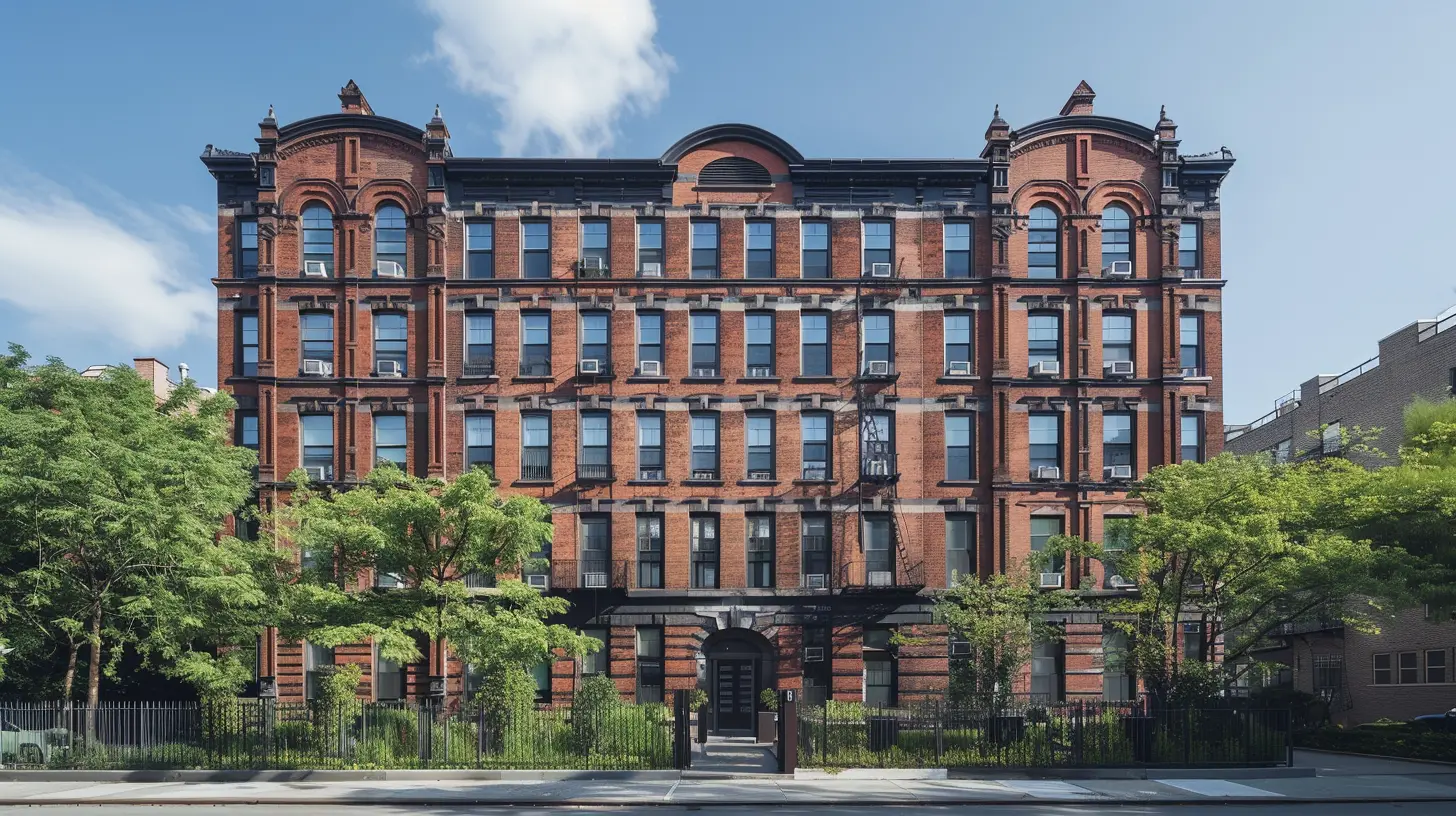
Real-World Examples of Adaptive Reuse for Affordable Housing
Many cities have successfully transformed old buildings into affordable housing. Here are a few shining examples.1. Detroit, Michigan – Reviving Abandoned Schools
Detroit, a city known for its economic ups and downs, has repurposed several vacant school buildings into affordable housing. These projects provide apartments for low-income families while maintaining the historic character of these once-vibrant community hubs.2. New York City – Converting Old Hotels
During the COVID-19 pandemic, New York repurposed unused hotels into temporary housing for the homeless. The city is now working on making some of these conversions permanent, providing long-term affordable housing solutions.3. London, UK – Office-to-Housing Conversions
With the rise of remote work, many office buildings in London have become obsolete. Developers are now transforming these office spaces into residential units, helping to alleviate the housing crisis.The Financial and Social Benefits of Adaptive Reuse
1. Lower Rent and Home Prices
Since adaptive reuse projects typically cost less than new construction, the savings can be passed on to renters and buyers. This helps provide housing that is truly affordable, rather than just “market-rate affordable.”2. Stimulating Local Economies
Repurposing old buildings brings life back to neighborhoods. When people move into previously abandoned areas, local businesses thrive, job opportunities increase, and the community becomes more vibrant.3. Reducing Homelessness
By turning unused buildings into affordable housing, cities can provide stable homes for people experiencing homelessness. Stable housing improves mental health, job prospects, and overall quality of life for individuals and families in need.
Steps to Converting an Old Building into Housing
For developers, non-profits, or individuals considering an adaptive reuse project, here’s a step-by-step roadmap:Step 1: Identify a Suitable Building
Look for buildings that have strong structural integrity and are near essential amenities like public transportation, schools, and workplaces.Step 2: Assess Renovation Costs
Work with engineers and architects to estimate the cost of renovations, ensuring the project remains financially feasible.Step 3: Secure Funding and Permits
Apply for government grants, tax incentives, or private funding. Check local zoning laws and apply for necessary permits to proceed.Step 4: Plan for Modern Upgrades
Integrate energy-efficient systems, sustainable materials, and modern safety measures while maintaining the building’s historical charm.Step 5: Execute the Renovation
Hire skilled contractors to complete the renovations efficiently while adhering to all safety regulations and affordability goals.Step 6: Allocate Units Fairly
Work with local housing organizations to ensure fair distribution of units to those in need, prioritizing low-income families.The Future of Adaptive Reuse in Housing
With housing affordability becoming a critical issue, adaptive reuse is likely to play a significant role in future urban planning. As more cities recognize the benefits, we can expect streamlined regulations, greater incentives for developers, and more innovative projects turning neglected buildings into homes.Real estate isn't just about building from the ground up. Sometimes, the best opportunities come from reimagining what we already have. Transforming old buildings into affordable housing is a smart, sustainable, and socially responsible way to address the housing crisis—one building at a time.
all images in this post were generated using AI tools
Category:
Affordable HousingAuthor:

Vincent Clayton
Discussion
rate this article
2 comments
Juniper Ruiz
This article beautifully highlights the potential of repurposing old buildings for affordable housing. It's inspiring to see how revitalizing these structures not only preserves history but also addresses the urgent need for accessible living spaces. I look forward to seeing more innovative solutions in this area.
December 12, 2025 at 11:53 AM
Vincent Clayton
Thank you for your thoughtful comment! I'm glad you found the article inspiring and appreciate the importance of revitalizing old buildings for affordable housing. Let’s hope for more innovative solutions in the future!
Celeste McFadden
“Old buildings: the original ‘fixer-uppers’ with a history of charm!”
December 3, 2025 at 12:52 PM
Vincent Clayton
Absolutely! Old buildings bring unique charm and character, making them perfect candidates for affordable housing transformations.