The Role of Universities in Creating Affordable Housing for Students
14 January 2026
Let’s be honest—it’s 2024, and college is already expensive enough. Between skyrocketing tuition fees, overpriced textbooks, and endless coffee runs to survive all-nighters, the last thing students need is to pay a small fortune just to have a roof over their heads. And yet, that's often the reality.
Here’s the kicker: the housing crisis isn’t just some far-off issue affecting urban professionals. Nope. It’s right here, on campus. This raises a pretty big question—what role should universities play in all of this? Are they part of the problem? Or, better yet, can they be a part of the solution?
Let’s dig into it, one brick (and bed) at a time.
Why Affordable Student Housing Even Matters
So, why does affordable student housing get so much attention these days? Simple: because without it, college becomes a luxury instead of a stepping stone.Think about it. If students can’t afford housing near campus, they’re forced into long commutes, crammed apartments, or even living out of their cars. And we're not exaggerating—this situation is very real for thousands across the country.
Affordable housing isn’t just about rent prices. It’s about mental health, academic performance, and social equity. A safe, stable place to live affects everything from GPA to graduation rates. When students are worried about where they’ll sleep, it’s a lot harder to focus on calculus or write that killer term paper.
The Current State of Student Housing
Let’s paint the picture. On many college campuses, dorms are packed. Off-campus rentals? Overpriced or already leased out months in advance. New construction? Slow and expensive.And landlords know they’ve got leverage. After all, students are a constant, renewing customer base. This drives prices up, especially in college towns where housing inventory is limited.
In short, demand is high. Supply is low. Cue the chaos.
Why It’s Time for Universities to Step Up
Now here's where we pivot: universities can’t just sit on the sidelines anymore. They have a front-row seat to student struggles—they SEE it every day. So the question becomes not “should they help?” but “how fast can they start?”And let’s be real—universities aren’t helpless here. They’ve got land, influence, partnerships, and access to funding. The real issue? Priorities.
When institutions put stadiums and tech incubators ahead of basic student needs, it sends a very clear message: image over impact. But when they focus on building and supporting affordable housing? That’s when change really starts.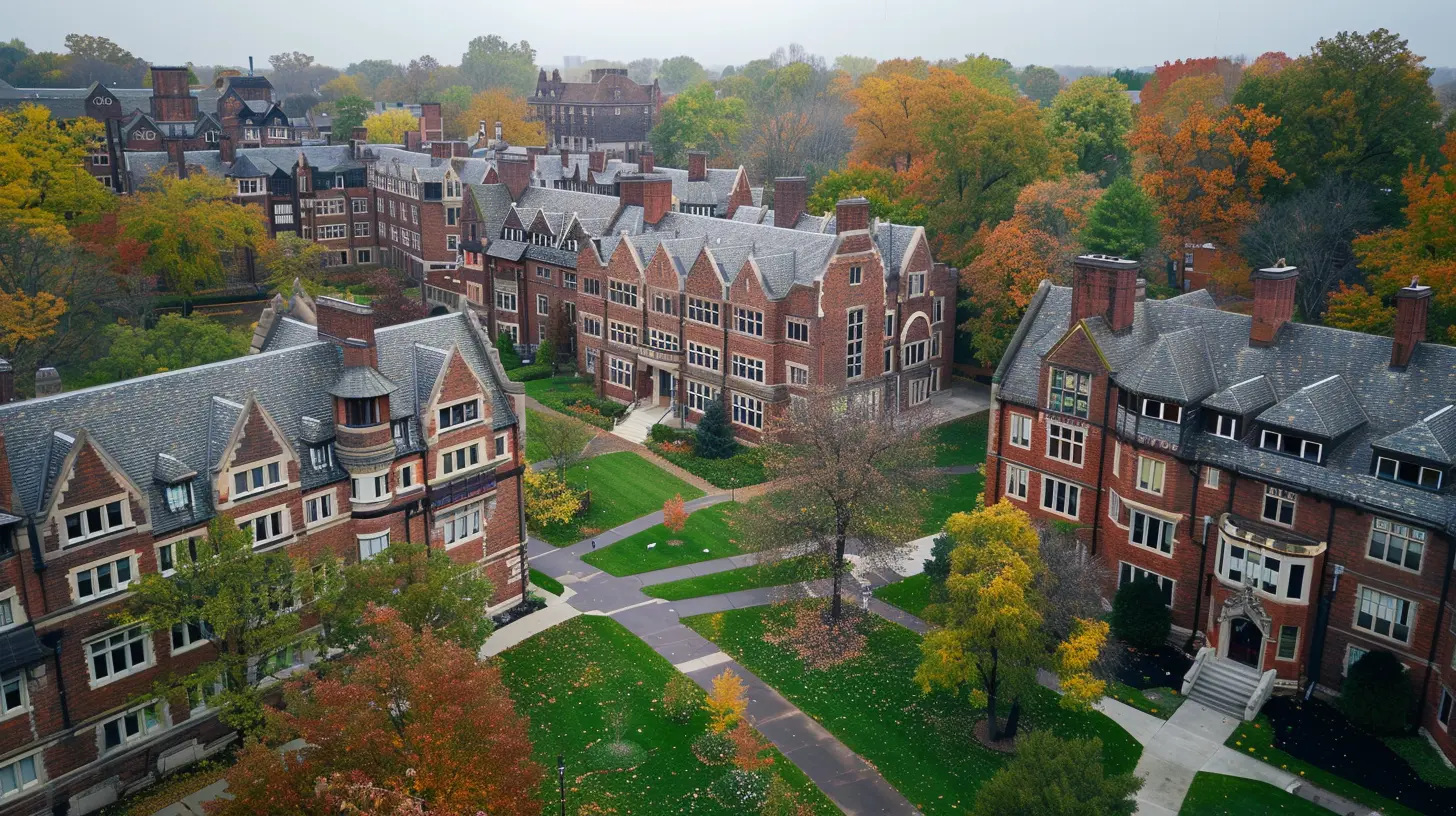
7 Ways Universities Can Make a Real Difference
Alright, let’s get practical. What can universities actually do to create affordable housing for students? A lot, actually. Here's a breakdown.1. Build More On-Campus Housing
This one’s a no-brainer. The closer the housing is to classrooms, the less students have to spend on transportation, time, and stress.Some universities are already taking this route, building apartment-style dorms with kitchens and shared spaces to lower costs and increase comfort. And here’s the best part: when campuses build these facilities at scale, they can offer significantly lower rates than private landlords.
2. Partner With Local Developers
Not every college has the budget to build from scratch. That’s where public-private partnerships come in. By teaming up with developers who specialize in affordable housing, universities can expand options without shouldering the full financial burden.These partnerships can lead to creative housing projects that balance affordability with quality. Plus, they often move faster than traditional campus construction.
3. Use Underutilized Campus Land
Got a parking lot that’s empty most of the year? What about that aging storage building that nobody uses? Repurposing existing land is a smart way to maximize resources without having to buy new property.Some schools have already transformed old dormitories, faculty housing, and even libraries into modern student apartments. It’s sustainable, cost-effective, and a great PR move.
4. Cap or Control Rent Prices in Campus-Owned Housing
If a university owns housing units—whether dorms or apartments—it can absolutely set fair rent prices. But fair doesn’t mean market rate. Fair means accessible, reasonable, and aligned with student incomes.Subsidizing housing through tuition revenue or donor programs can help make this sustainable. And let's be honest—alumni are way more likely to donate when they know their donation supports student wellbeing.
5. Offer Housing Stipends or Assistance Programs
Not all students live on campus, especially at commuter schools. So, for those who live off-campus, universities can provide monthly housing stipends, rental assistance, or income-based aid.This doesn’t need to break the bank. Sometimes even a few hundred bucks a month can mean the difference between stability and homelessness for a struggling student.
6. Advocate for Zoning Reforms in College Towns
Universities don’t just exist on an island. Their presence affects the entire local housing market. Through collaboration with city planners and local governments, schools can push for changes in zoning laws to allow more multi-family units or mixed-use developments.More housing = lower prices. It’s basic economics. And when universities are on board, change tends to happen faster.
7. Involve Students in the Process
Here’s a wild idea: actually ask the students what they need.Many universities make decisions from the top down, forgetting that students are the ones experiencing the housing crisis firsthand. Creating advisory boards, student planning committees, or feedback surveys can make a world of difference. It’s about empathy, not just economics.
Real-Life Examples That Prove It’s Possible
Don’t just take our word for it—some universities are already doing the work.UC Irvine
UC Irvine built large-scale, on-campus apartments specifically for graduate students and families. The rent? Just over $1,000 per month—way below the area average. That’s a game changer.Arizona State University
ASU converted unused downtown buildings into affordable student apartments and partnered with private developers to keep the rents low while maintaining quality.University of British Columbia (UBC)
While not in the U.S., UBC is a model worth mentioning. They’ve created massive student housing complexes that feel more like communities than dorms—complete with childcare, local markets, and wellness centers.Common Challenges (And How to Beat Them)
Alright, we’re not living in a fantasy land. Building affordable housing isn’t easy. Here are the typical roadblocks—and how universities can push past them.Budget Constraints
Yes, higher ed is financially stretched. But affordable housing isn’t just an expense—it’s an investment. Better student housing leads to better retention rates, more diverse enrollment, and happier alumni.Community Pushback
“Not in my backyard” is a real thing. But towns need to see that helping students isn’t just charity—it’s smart policy. Many students also work, shop, and live long-term in these communities. Affordable student housing lifts everyone up.Bureaucratic Red Tape
University systems are notorious for moving slowly. But bold leadership can cut through the nonsense. When presidents and boards take a firm stance on housing, things start happening.The Bigger Picture: Housing as a Basic Right
At the end of the day, affordable housing should be a right, not a reward. We can’t keep asking students to perform at their best while living in the worst conditions.If higher ed is supposed to be the great equalizer, then it can’t stand by while housing inequality holds students back. It’s time for universities to stop passing the buck—and start building a better future, brick by brick.
Students are the heartbeat of any campus, and their needs should be at the core of every decision. Safe, affordable housing isn’t just the foundation of college life—it’s the launchpad for lifelong success.
Final Thoughts
Affordable student housing is an issue that’s not going away. And with every passing semester, the pressure mounts. But here’s the silver lining: universities hold the tools to make change happen.They have the land, the funding paths, the partnerships, and—most importantly—the moral responsibility.
It’s not about throwing up a bunch of low-cost buildings and calling it a day. It’s about creating spaces where students feel secure, supported, and ready to tackle the world (one exam at a time).
So the next time you walk past a new campus construction zone, ask yourself: is that a luxury gym… or could it have been someone’s home?
all images in this post were generated using AI tools
Category:
Affordable HousingAuthor:

Vincent Clayton
Discussion
rate this article
2 comments
Noelle Burton
Universities should lead the charge in affordable housing, ensuring students thrive without financial strain.
January 31, 2026 at 3:24 AM
Vincent Clayton
I agree! Universities have a unique opportunity to address housing affordability, which directly impacts student well-being and success.
Leah Carrillo
Universities should start offering degrees in 'Affordable Housing Development'—after all, if they can house thousands in dorms, surely they can figure out how to keep rent lower than my Starbucks habit!
January 17, 2026 at 4:04 AM
Vincent Clayton
That's a great point! Universities have the resources and expertise to contribute to affordable housing solutions, and specialized programs could help bridge the gap for students facing rising rents.