The Role of Regular Caulking in Preventing Water Damage
1 June 2026
Water damage is a homeowner’s nightmare. It creeps in silently, wreaks havoc on your walls and floors, and can even lead to mold growth. One of the simplest yet most effective ways to combat water intrusion? Regular caulking!
Caulking might not be the most glamorous home improvement task, but it plays a crucial role in sealing gaps and preventing leaks. If overlooked, even the smallest cracks can invite moisture, leading to costly repairs down the line.
So, if you’re wondering why caulking should be on your home maintenance checklist, buckle up—we’re diving deep into how this minor task can save you from major headaches.
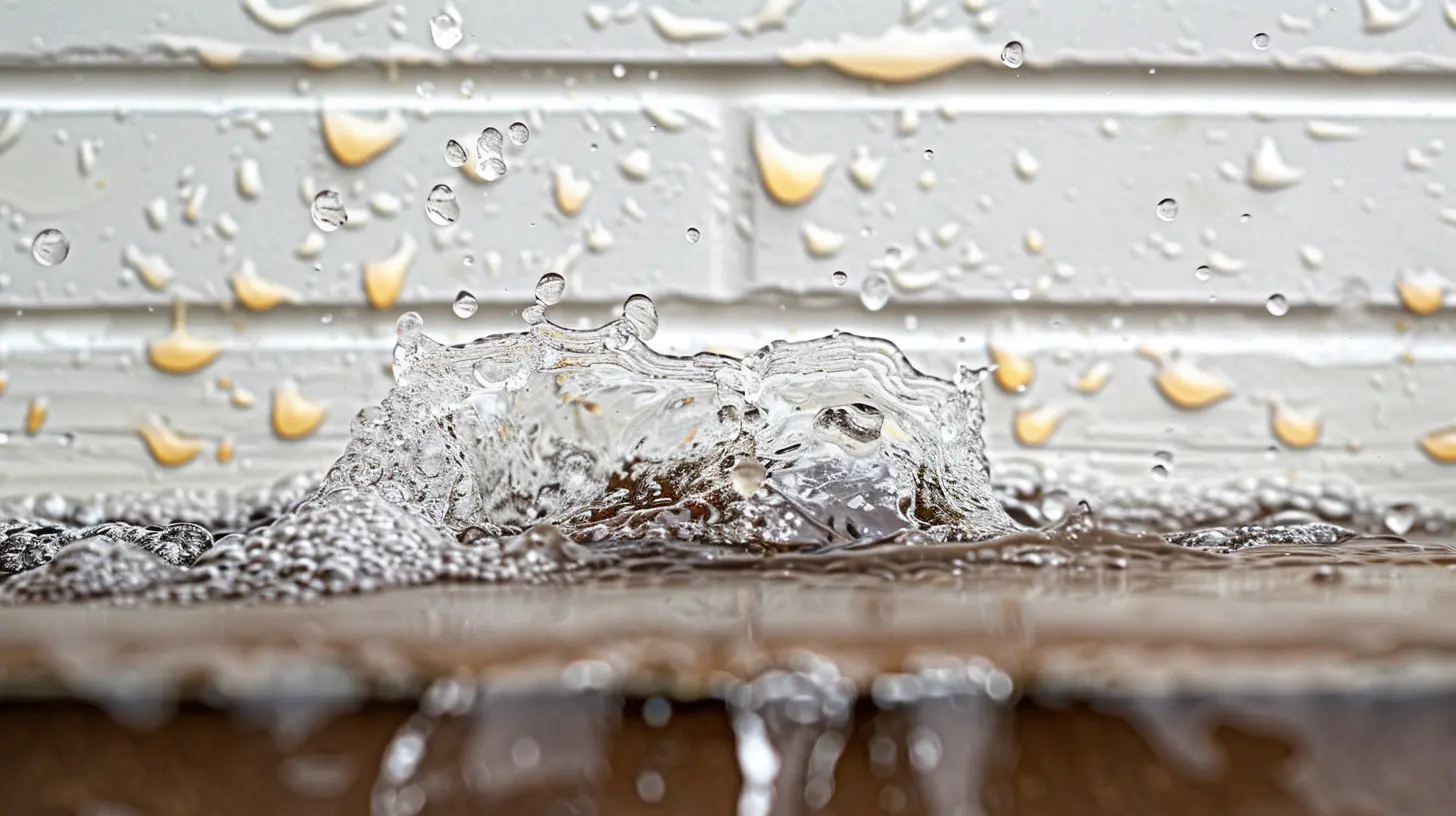
Why Is Caulking So Important?
Caulking is like your home’s first line of defense against water infiltration. It helps seal gaps in areas prone to moisture, such as bathrooms, kitchens, windows, and doors. Without it, water finds its way into tiny crevices, leading to structural damage, mold growth, and even energy inefficiencies.Preventing Water Intrusion
Water can be relentless. If there’s a tiny opening, it will find a way in. Regular caulking ensures that these gaps remain sealed, keeping moisture out of places it shouldn’t be. This is particularly important around sinks, bathtubs, and exterior windows, where constant exposure to water increases the risk of leaks.Protecting Your Home’s Structure
When water seeps into cracks, it doesn’t just disappear. Over time, it can weaken wood, drywall, and even your foundation. What starts as a minor leak can quickly escalate into rotting materials, crumbling walls, and expensive repair bills. Regular caulking helps avoid these costly disasters by keeping water where it belongs.Preventing Mold and Mildew Growth
Mold loves damp, dark spaces, and nothing creates a better environment for mold than unchecked moisture. When water sneaks into cracks, it provides the ideal breeding ground for mold and mildew, which can pose serious health risks. By keeping gaps sealed, caulking minimizes the chances of mold growth and helps maintain a healthier indoor environment.Boosting Energy Efficiency
Did you know that caulking isn’t just about blocking water? It also plays a significant role in keeping your home energy-efficient. Gaps around windows and doors let in drafts, making your heating and cooling systems work harder. Proper caulking helps seal these areas, reducing energy waste and saving you money on utility bills.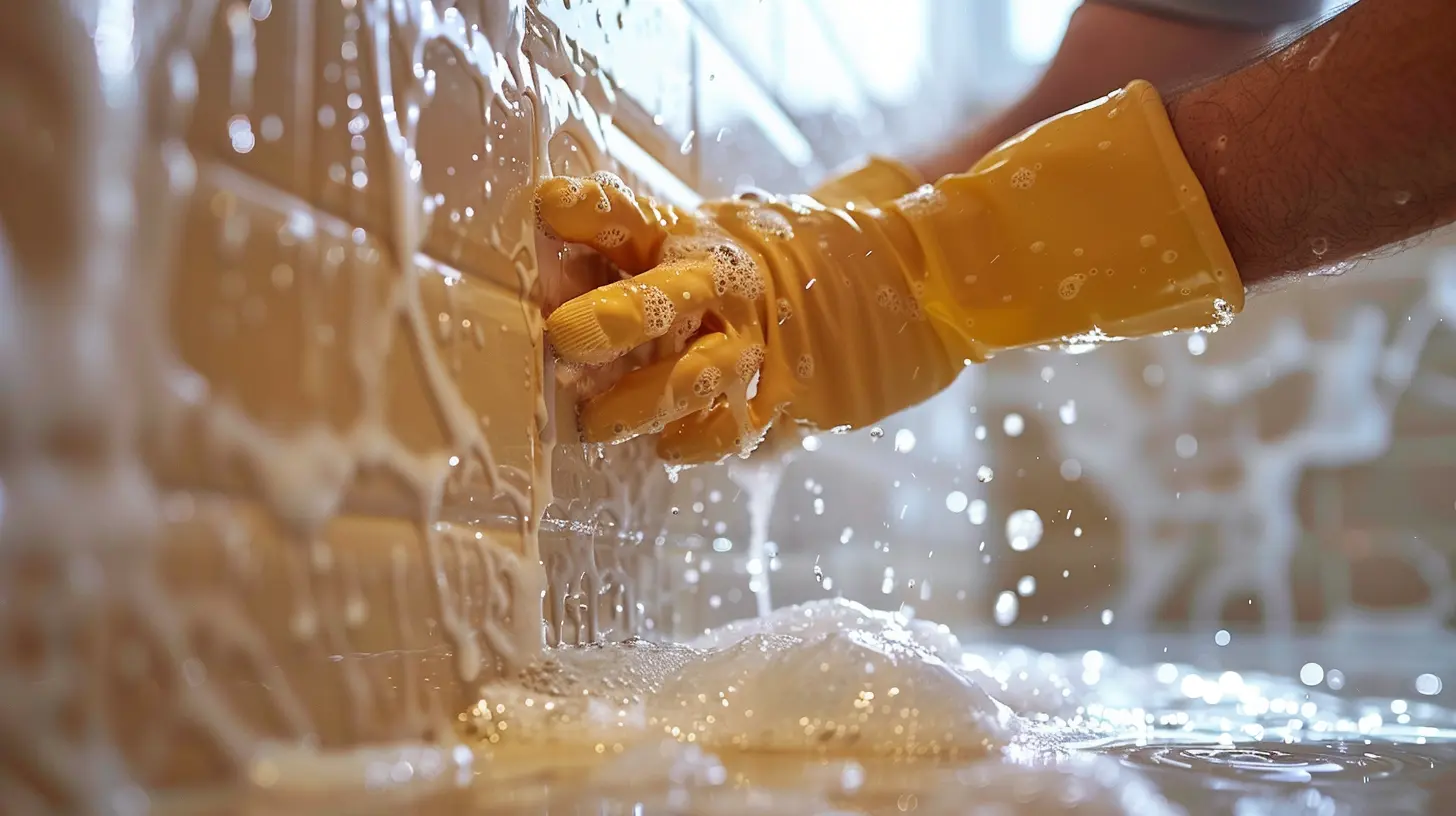
Where Should You Apply Caulk?
Not sure where to start? Here are some key areas in your home that need regular caulking:1. Bathrooms and Kitchens
- Around sinks, bathtubs, and showers- Along the edges of backsplashes
- Around toilets where they meet the floor
Since these areas see frequent water use, maintaining a watertight seal is crucial to avoid leaks and moisture buildup.
2. Windows and Doors
- Around window frames (interior and exterior)- Door frames and thresholds
- Baseboards and trim
Cracks in these spots allow not just water but also cold drafts, impacting both your home’s comfort and energy efficiency.
3. Exterior Seams and Joints
- Where siding meets trim- Around vents and pipes
- Along the foundation
Outdoor exposure makes these areas vulnerable to weather conditions. Proper caulking protects them from rain, snow, and wind-driven moisture.
4. Roof and Gutters
- Flashings around chimneys and vents- Joints in gutters
- Skylight edges
Leaks from the roof can cause devastating damage. Sealing potential entry points with high-quality caulk prevents costly water-related issues.
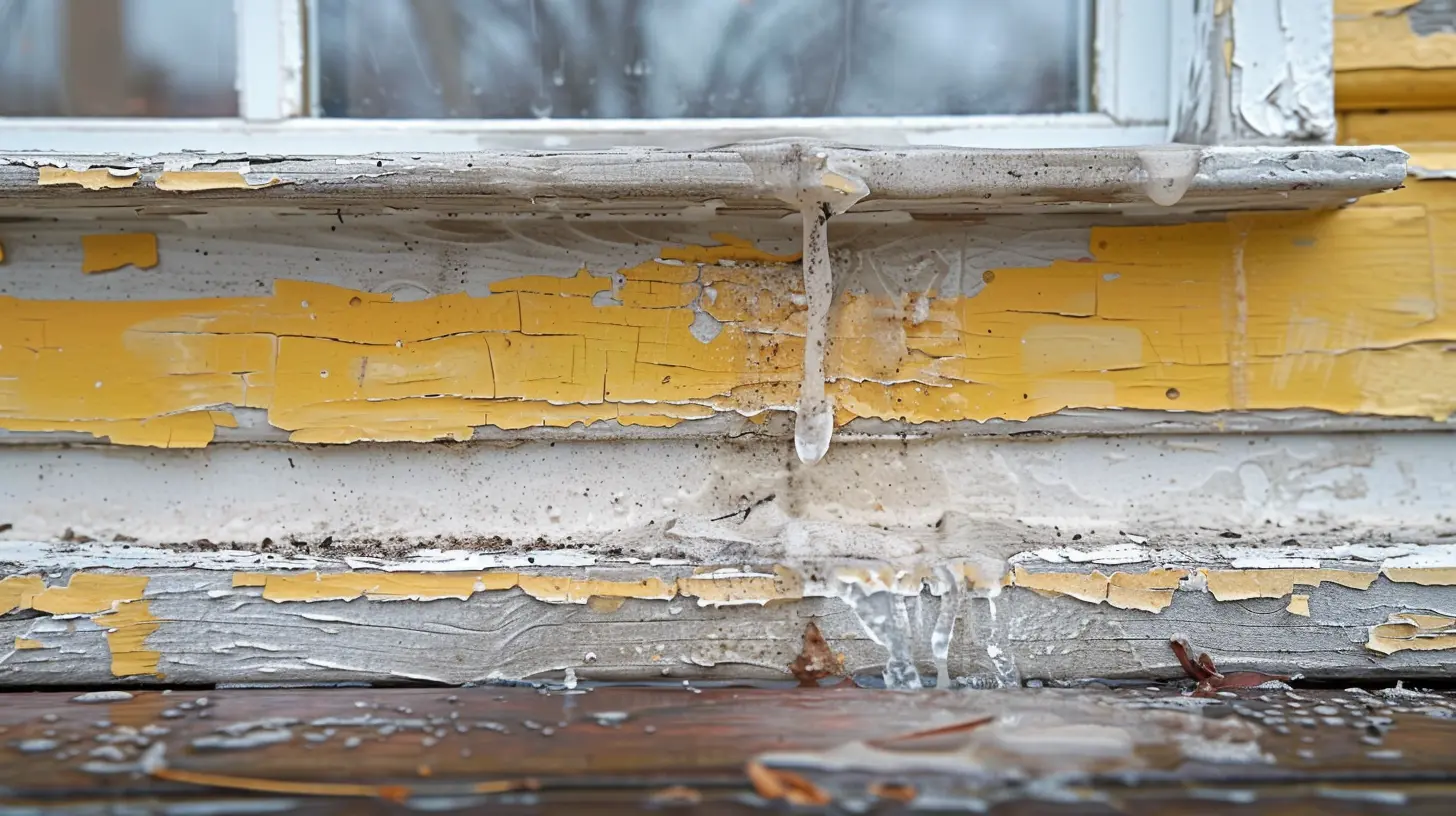
How Often Should You Re-Caulk?
Caulking isn’t a one-and-done deal. Over time, it wears out, cracks, shrinks, or peels, making it less effective at keeping water out. Here’s a rough guide on when to re-caulk:- Bathrooms and kitchens – Check every 1-2 years
- Windows and doors – Inspect seasonally, re-caulk every 3-5 years
- Exterior areas – Assess annually, re-caulk as needed
If you notice visible cracks, gaps, or peeling caulk, don’t wait—address it immediately to prevent water damage.
Choosing the Right Caulk for the Job
Not all caulks are created equal. Depending on where you’re applying it, you’ll need different types:Silicone Caulk
- Best for high-moisture areas like bathrooms and kitchens- Flexible and durable
- Mold-resistant
Acrylic Latex Caulk
- Great for interior trim and baseboards- Paintable
- Easy to clean up
Polyurethane Caulk
- Best for exterior applications- Extremely durable and weather-resistant
- Long-lasting
Using the right caulk ensures maximum effectiveness and longevity, so don’t just grab the first tube you see!
DIY vs. Professional Caulking
Caulking might seem like an easy DIY task, and for the most part, it is. If you’ve got a steady hand and some patience, you can easily reapply caulk around sinks and windows. However, for bigger jobs—like sealing large exterior gaps or fixing water-damaged areas—you might want to call in a professional.A poor caulking job can actually make things worse by trapping moisture inside instead of keeping it out. So, if you’re unsure, it’s worth investing in expert help.
Avoid These Common Caulking Mistakes
Even simple jobs can go wrong if you’re not careful. Avoid these pitfalls to get the best results:- Not removing old caulk – New caulk won’t adhere properly if the old, cracked caulk is still there. Always scrape it off first!
- Skipping surface preparation – Clean and dry the area before applying new caulk to ensure proper adhesion.
- Using the wrong caulk – Some caulks aren’t suitable for wet environments. Choose one designed for your specific needs.
- Applying too much or too little – A thick, sloppy bead looks bad, while a thin bead may not provide adequate protection. Smooth it out evenly for a professional finish.
- Not allowing proper drying time – Rushing the process can ruin the seal. Follow the manufacturer’s drying instructions for best results.
Conclusion
Regular caulking is one of those small maintenance tasks that can save you thousands of dollars in repairs. It keeps water from sneaking into unwanted places, protects your home’s structure, prevents mold, and even improves energy efficiency.So, the next time you notice cracked or peeling caulk, don’t ignore it. A little effort now can prevent a major water damage disaster later. Your home (and your wallet) will thank you!
all images in this post were generated using AI tools
Category:
Property MaintenanceAuthor:

Vincent Clayton
Discussion
rate this article
1 comments
Charlie Collins
Great article! Regular caulking is often overlooked but so important for home maintenance. It really can save homeowners from expensive water damage down the line. Thanks for sharing this insight!
June 4, 2026 at 3:55 AM
Vincent Clayton
Thank you for your feedback! I'm glad you found the article useful. Regular caulking truly is a key part of protecting your home.