The Role of Nonprofits in Expanding Affordable Housing Availability
26 December 2025
Let’s be honest—the affordable housing crisis is no secret. It’s plastered across headlines, it's debated in town halls, and most importantly, it’s felt by everyday people trying to make ends meet. With median rents skyrocketing and home prices soaring, many low- and even middle-income families are struggling to keep a roof over their heads. Now, while there are lots of proposed solutions, there's one unsung hero in this story that doesn’t always get the credit it deserves: nonprofits.
Yep, nonprofits are stepping in where governments and private sector players have either fallen short or simply don’t have the same flexibility and mission. Let’s dig deeper into exactly how these organizations are rolling up their sleeves and helping solve one of the country’s most urgent problems: affordable housing.
Why Is Affordable Housing So Hard to Find?
Before diving into the role of nonprofits, let’s lay the groundwork. Why is affordable housing such a massive issue in the first place?We’ve got a perfect storm on our hands—rising construction costs, limited land availability, outdated zoning laws, and a lag in wage growth. On top of that, market-driven developers tend to prioritize high-profit luxury developments over modest-income housing. And municipalities? Often bogged down by red tape and budget constraints.
So where does that leave the average renter or first-time homebuyer? Struggling.
Now, here’s where nonprofits walk into the picture—not just as support, but as innovators.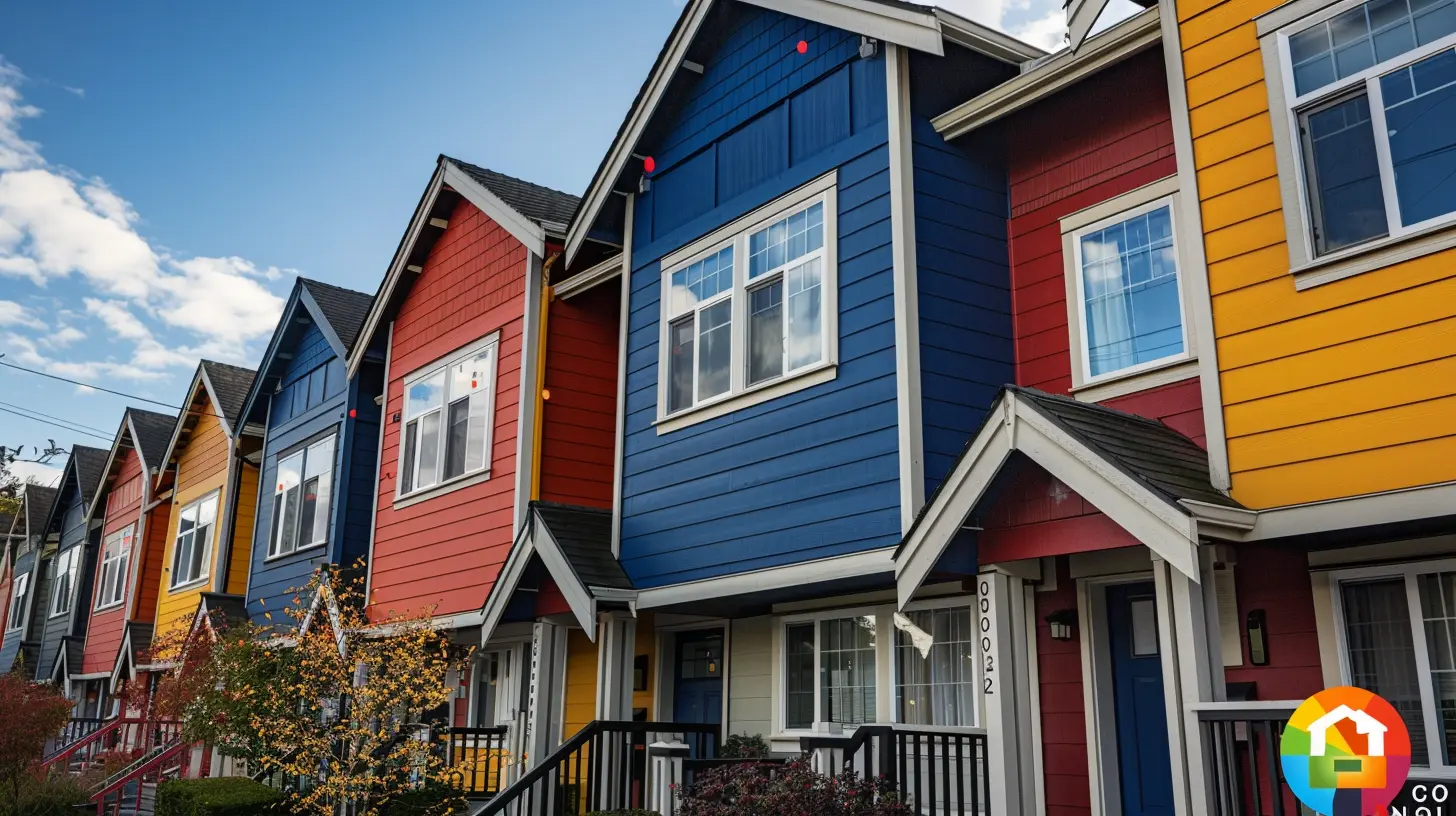
What Are Housing Nonprofits, Anyway?
Nonprofits are organizations that operate for the greater social good, not for profit. When it comes to housing, they work tirelessly to develop, maintain, and advocate for affordable housing options. Think of them like your neighborhood superheroes—except instead of capes, they’ve got community blueprints.Some examples of well-known housing nonprofits include:
- Habitat for Humanity
- Local Community Development Corporations (CDCs)
- Enterprise Community Partners
- Mercy Housing
- NeighborWorks America
Each of these groups brings something different to the table, but they’re united by a common mission: create and preserve housing that people can actually afford.
How Nonprofits Make Housing More Affordable
Okay, so we know they help. But how, exactly? Let’s break it down.1. Building New Affordable Units
This one’s the most straightforward. Some nonprofits develop brand new affordable housing units from the ground up. They secure funding through grants, donations, and partnerships, then use that money to construct housing designed specifically for low-income or underserved populations.They aren’t driven by profit margins, so they can afford to prioritize housing that the private sector often overlooks. And because they’re often mission-focused, they don’t cut corners on quality either.
2. Acquiring and Rehabilitating Existing Housing
In many cities, there’s a ton of older, run-down housing stock. Instead of letting it go to waste or fall into the hands of investors who’ll flip it for a quick buck, nonprofits buy these properties, fix them up, and keep them affordable.This approach is often faster and cheaper than building from scratch—and it helps maintain community character, too.
3. Operating Housing with Long-Term Affordability in Mind
Lots of affordable housing projects start off accessible but quickly become market-rate once restrictions expire. Nonprofits work around this by implementing long-term or even permanent affordability clauses.Some will use models like Community Land Trusts (CLTs), where the land is owned by a nonprofit and the home is owned by the individual—ensuring affordability for future generations.
4. Offering Supportive Services
For many folks, especially those who’ve experienced homelessness, affordable housing alone isn’t enough. That’s where nonprofits truly stand out—they often pair housing with vital support services like job training, financial literacy programs, child care, and mental health support.It’s not just about putting a roof over someone’s head; it’s about helping them build a stable and sustainable life.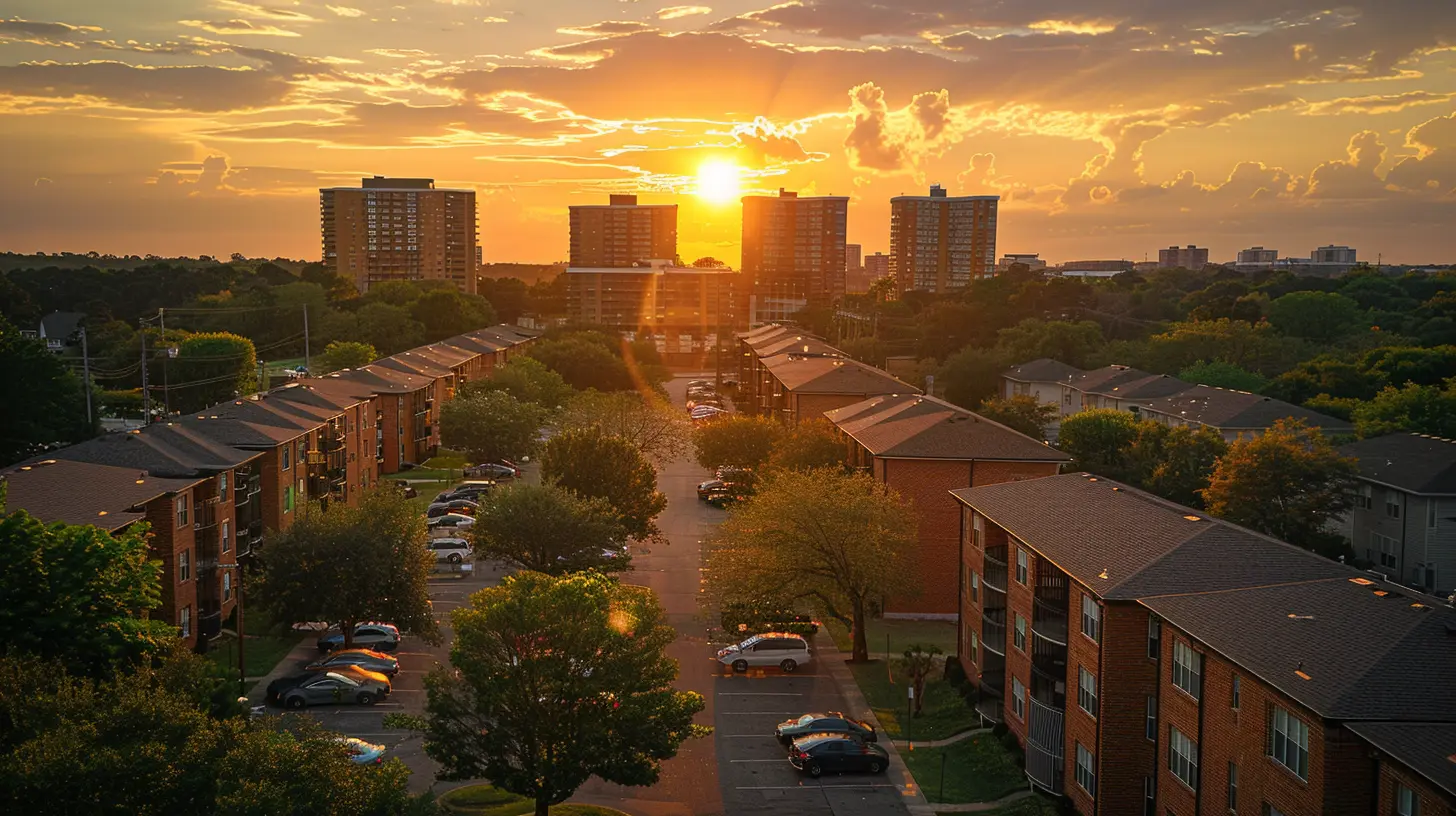
Nonprofits vs. For-Profit Developers: What's the Difference?
Why can’t we just rely on for-profit developers to solve this problem? Well, the answer lies in motivation.For-profit developers work to maximize returns. They’ll build luxury condos and high-rent apartments because that’s where the money is. Affordable housing, on the other hand, comes with lower rents and often higher bureaucratic hurdles. Not exactly a dream recipe for investors.
Nonprofits, by contrast, are mission-driven, not profit-driven. They care more about impact than income. And while that might not make them rich, it does make them integral to tackling the housing crisis.
How Do Nonprofits Fund Affordable Housing Projects?
Good question—it’s not cheap to build or buy properties, after all. Nonprofits get creative when it comes to financing. They often cobble together funding from:- Grants and donations from individuals, philanthropists, and foundations
- Low-Income Housing Tax Credits (LIHTC), a federal program that incentivizes affordable development
- Government subsidies at the local, state, and federal levels
- Public-private partnerships with cities and businesses
- Social impact investments, where investors accept lower returns in exchange for positive social outcomes
It’s like putting together a financial jigsaw puzzle—but one that's worth solving.
What About Advocacy? Yep, They Do That Too
Nonprofits don’t just build homes—they also help change the rules of the game.They advocate for more inclusive zoning laws, tenant protections, and increased government funding at the city, state, and federal levels. They gather data, raise awareness, and push policymakers to make affordable housing a bigger priority.
If you've ever seen a city council meeting packed with passionate advocates holding signs and speaking from the heart, chances are there was a nonprofit behind the scenes helping organize it.
Real People, Real Stories
Let’s humanize this a bit. Imagine a single mother working two jobs just to afford a cramped apartment in a not-so-great neighborhood. A nonprofit steps in, offers her a safe, affordable unit and connects her with on-site child care and financial coaching. Suddenly, she’s not just surviving—she’s thriving.Or picture a disabled veteran who's been homeless for years. A nonprofit finds him housing and offers supportive mental health services. Now he has a place to call home and the help he needs to stay there.
These aren't just hypotheticals. They happen every day, thanks to the tireless work of nonprofit housing organizations.
Challenges Nonprofits Face
Of course, it’s not all smooth sailing. Nonprofits face plenty of hurdles:- Limited funding: There’s only so much donation and grant money to go around.
- Red tape: Navigating government regulations can be a nightmare.
- Community resistance: Believe it or not, not everyone cheers for affordable housing projects—some neighborhoods push back through “Not In My Backyard” (NIMBY) attitudes.
- Scalability: Meeting the sheer scale of the need is a daunting task.
Despite all of this, they keep pushing forward. Why? Because they believe housing is a human right, not a privilege.
How You Can Support Housing Nonprofits
Want to help? You don’t have to be a millionaire donor to make a difference.- Volunteer with local housing nonprofits—help build homes or assist with operations.
- Donate what you can—every dollar counts.
- Advocate by contacting your representatives and speaking out in favor of affordable housing.
- Spread the word—share stories, attend events, and educate your community.
Even small actions, when multiplied, can create massive change.
The Bottom Line
Nonprofits aren’t just filling in the gaps in our broken housing system—they’re reimagining what’s possible. With compassion, creativity, and community at their core, they offer a model that puts people before profits.In a world where safe, decent, and affordable housing is increasingly out of reach, the role of nonprofits is more critical than ever. They're not just building homes—they’re building hope.
So the next time you hear about skyrocketing rents or unaffordable cities, don’t just shake your head. Think about the nonprofit warriors on the front lines. And maybe—just maybe—ask yourself how you can join the fight.
all images in this post were generated using AI tools
Category:
Affordable HousingAuthor:

Vincent Clayton
Discussion
rate this article
2 comments
Deborah Perry
This article insightfully highlights the crucial role nonprofits play in addressing the affordable housing crisis. Their innovative approaches and community-focused strategies are essential for creating sustainable solutions. Collaboration between nonprofits, government, and private sectors is key to making lasting impacts.
December 30, 2025 at 5:45 AM
Vincent Clayton
Thank you for your thoughtful comment! I agree that collaboration among nonprofits, government, and private sectors is vital for tackling the affordable housing crisis effectively.
Finnegan McCollum
Nonprofits play a crucial role in enhancing affordable housing access, bridging gaps in funding, resources, and community engagement to create sustainable living solutions.
December 29, 2025 at 9:40 PM
Vincent Clayton
Thank you for your insightful comment! I completely agree that nonprofits are vital in addressing affordable housing challenges and fostering community-driven solutions.