The Role of Home Inspections in the Selling Process
10 February 2026
Selling a home is no small feat. It’s a rollercoaster of emotions, paperwork, and negotiations. One moment you’re dreaming about closing day, and the next, you're knee-deep in documents and decisions. But let’s talk about one of the most crucial — yet often misunderstood — parts of the process: the home inspection.
You’ve probably heard about home inspections in passing. Maybe you think it's only for buyers. But the truth? Home inspections can play a huge role for sellers too—and if you’re planning to sell your home anytime soon, you’ll want to understand exactly why.
Home inspections aren’t just a formality. They can make or break a deal. The way you handle a home inspection could mean heading to the closing table with confidence or heading back to the drawing board with a cancelled deal.
So grab a cup of coffee, and let’s walk through how home inspections fit into the selling process, why they matter, and how you (as a seller) can use them to your advantage.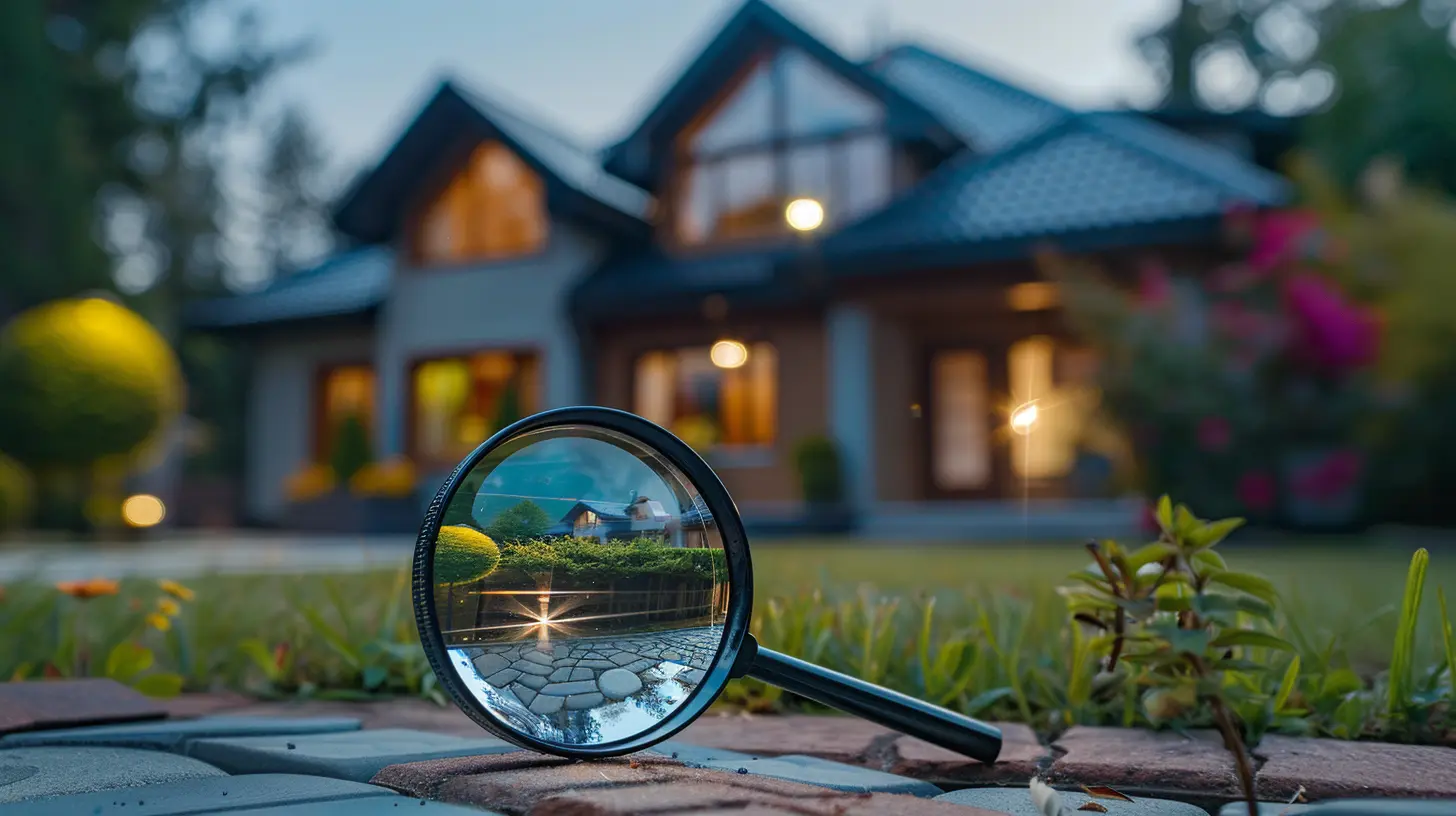
What Is a Home Inspection, Really?
Let’s clear up some confusion first.A home inspection is a detailed examination of a property’s condition, usually carried out by a licensed professional. The inspector takes a good, hard look at everything: the roof, plumbing, electrical systems, HVAC, foundation, attic—you name it.
It’s kind of like taking your house to the doctor for a full-body check-up.
The main goal? To identify any existing or potential issues in the home, so the buyer knows what they’re getting into.
Depending on where you live and the terms of the purchase agreement, the inspection typically happens after an offer is accepted but before the final closing.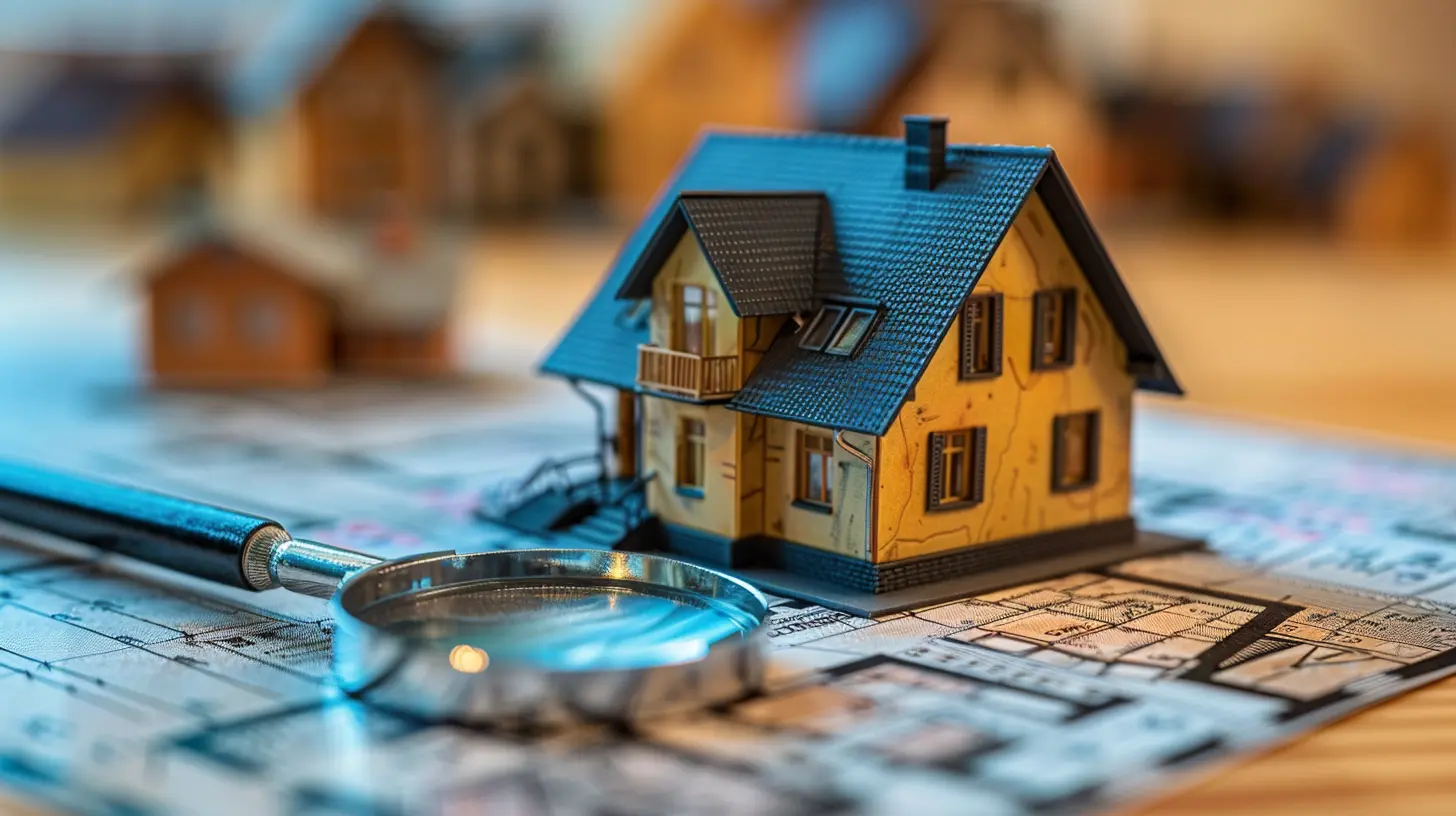
Why Do Buyers Want an Inspection?
It’s simple. They want peace of mind.Buying a home is the biggest financial decision most people make. No one wants to move in and find out the electrical is outdated or the roof needs replacing. The inspection is their chance to verify what you (the seller) have claimed about the home’s condition.
It’s also their bargaining chip.
If problems are discovered, the buyer may ask for repairs, a price reduction, or credits at closing. Or worse—if the report is bad enough—they might walk away altogether.
So yeah, it’s a big deal.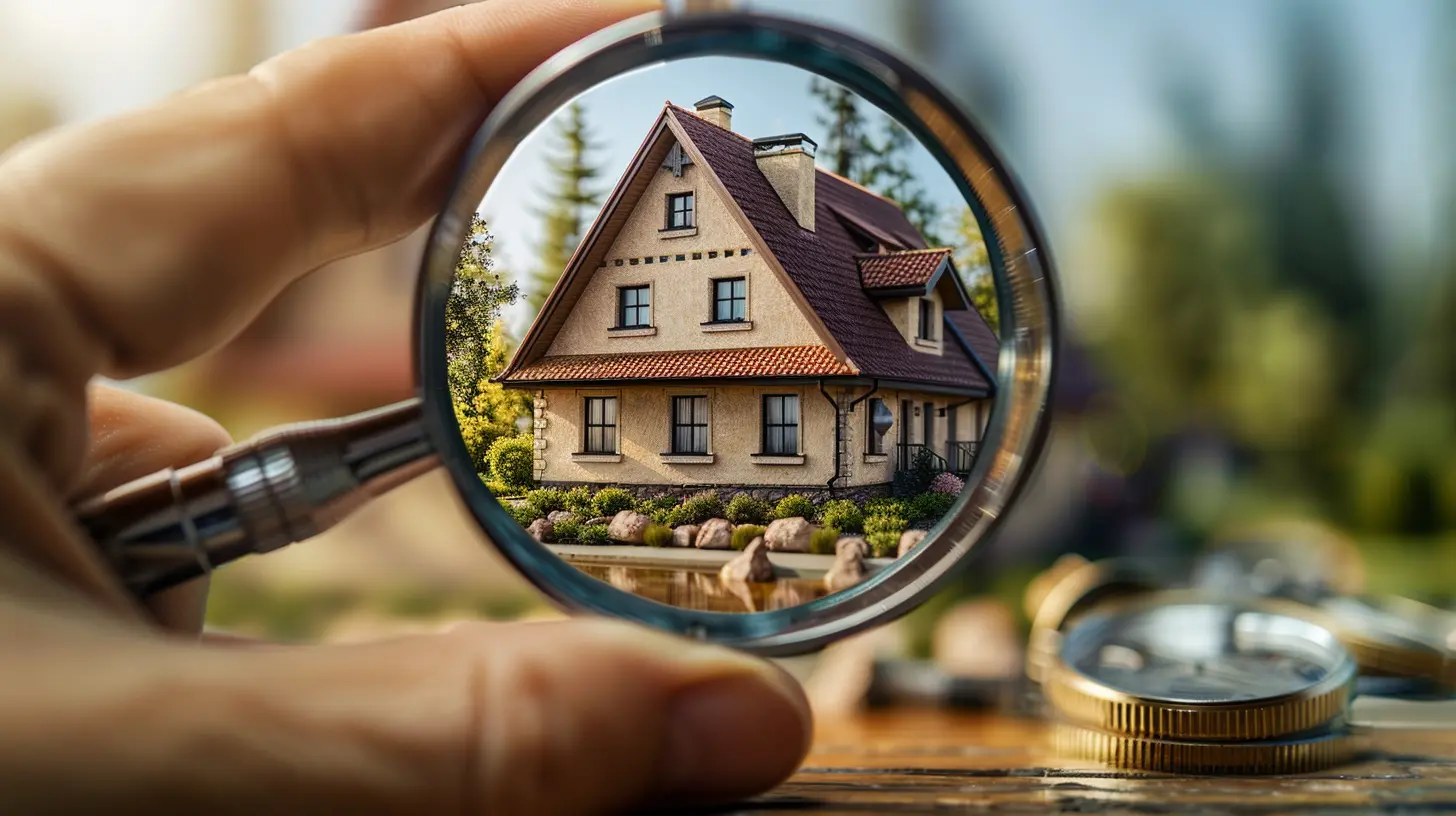
How Home Inspections Affect Sellers
Here’s the thing: the inspection isn’t just a buyer’s problem. It can have major implications for you, the seller.1. It Can Delay or Kill the Sale
Let’s say your buyer’s inspector finds a leaking water heater, mold in the basement, or a damaged foundation. These aren’t little issues—they’re red flags. Your buyer might slow the process down, renegotiate terms, or back out of the deal.2. It Opens the Door to Negotiations
Your buyer will use the inspection report like ammunition. Suddenly, they’re asking for $5,000 off the price for repairs… or they want you to fix everything before closing.That means more money and stress on your plate.
3. It Impacts the Home’s Value
If the inspection uncovers major concerns, forget your asking price. You’ll either need to lower it or be ready to fix things fast. Either way, your bottom line might take a hit.
Should You Get a Pre-Listing Inspection?
Now, here’s where you can flip the script as the seller.A “pre-listing inspection” is when you (yes, the seller!) hire a home inspector before putting your house on the market.
Why do this? Isn’t that the buyer’s job?
Technically, yes. But getting your own inspection gives you the upper hand.
Benefits of a Pre-Listing Inspection:
- You Know What to Expect: Imagine going into a job interview already knowing the questions. That’s what this is like. You won’t be surprised when the buyer’s inspector starts poking around.- You Can Make Repairs Early: Found out the HVAC is on the fritz? Fix it before buyers even step foot in the door. That way, it’s not a deal-breaker later on.
- It Builds Buyer Confidence: Prospective buyers will see that you’ve got nothing to hide. And that transparency? It builds trust, which can lead to quicker offers and smoother negotiations.
- Less Stress Later: When you’re scrambling to close a deal, the last thing you want is a surprise repair demand. A pre-listing inspection removes a lot of that last-minute chaos.
Of course, pre-listing inspections aren’t mandatory. But in a competitive market, they can give you an edge.
What Happens After the Buyer’s Inspection?
So, let’s say your home is under contract. The buyer schedules an inspection. What should you expect?Step 1: The Inspection Takes Place
Typically, the buyer, their agent, and the inspector will walk through the home. You might be asked to leave during this time. The inspector will assess everything in detail—sometimes taking two to four hours.Pro tip: make sure all areas are accessible and clean. That includes basements, attics, utility rooms, and garages.
Step 2: The Buyer Reviews the Report
After the inspection, the buyer gets the report. It outlines major and minor issues—some real, some nitpicky. The buyer will decide what (if anything) they want to negotiate.Step 3: You Get a Repair Request or Credit Negotiation
This is the moment of truth.The buyer might submit a “Request for Repairs” or ask for a credit at closing. You can:
- Agree to make the requested repairs
- Offer a credit so they can handle it themselves
- Decline the request (though they could walk away)
This back-and-forth is where having a good real estate agent really pays off. They’ll help you navigate the negotiation tactfully.
Common Issues That Come Up in Inspections
Want to prepare like a pro? Here are the most common problems inspectors uncover:- Roofing issues (missing shingles, leaks)
- Plumbing problems (old pipes, leaky faucets)
- Electrical hazards (outdated panels, improper wiring)
- Structural concerns (foundation cracks, wood rot)
- HVAC troubles (old systems, poor ventilation)
- Pest infestations
- Mold and moisture buildup
- Exterior issues (damaged siding, broken gutters)
If your home is older, expect a few of these to show up. That’s normal! Doesn’t mean your house is falling apart—it just means it’s, well, lived in.
What If the Buyer Backs Out?
Ouch. It happens.If the inspection turns up major concerns and the buyer gets cold feet, they might bail—especially if there's an inspection contingency in the contract.
But don’t panic.
You can always:
- Make the necessary repairs
- Re-list the home and be fully transparent with the next buyer
- Offer incentives to future buyers (like repair credits)
Sometimes a sale falls through, but it ends up working in your favor. You might attract a more motivated buyer the second time around.
Tips to Minimize Surprises During Inspection
Want to avoid nasty surprises and last-minute deal drama? Here are some ways to prep your home before an inspection:1. Fix What You Can
Leaky faucets, burnt-out bulbs, broken tiles—handle the small stuff. It shows you take care of the property.
2. Service Major Systems
Get the HVAC serviced, clean ducts, change filters. Show it’s in working order.
3. Check The Roof & Gutters
Remove debris, fix minor issues, and clean out those gutters.
4. Clear Access Points
Make sure the inspector can get to the attic, crawlspaces, electrical panel, etc.
5. Provide Maintenance Records
If you’ve done regular servicing or major repairs, leave the receipts out. It helps build trust.
Final Thoughts
The role of home inspections in the selling process is much bigger than most people realize. It’s not just about checking boxes—it’s about protecting your investment, setting the stage for honest negotiations, and making sure you walk away from the sale with your sanity intact (and hopefully a nice profit).As a seller, knowing how to handle inspections can save you from a ton of stress down the line. Whether you get ahead of the game with a pre-listing inspection or simply prepare your home thoughtfully, having a strategy is key.
Remember, the goal isn’t to hide issues. It’s to deal with them smartly. Because a smooth inspection leads to a smooth sale.
And in the wild world of real estate, that’s something worth aiming for.
all images in this post were generated using AI tools
Category:
Sellers GuideAuthor:

Vincent Clayton
Discussion
rate this article
2 comments
William McLoughlin
Home inspections are crucial in the selling process, providing buyers with confidence and sellers with transparency. A thorough inspection can reveal potential issues, allowing sellers to address them upfront, ultimately facilitating smoother transactions and potentially higher sale prices.
February 18, 2026 at 5:37 AM
Vincent Clayton
Absolutely, home inspections create trust and help both buyers and sellers navigate the process more effectively. Addressing issues early can definitely lead to better outcomes.
Owen Cruz
Home inspections are crucial for sellers, as they uncover potential issues and provide transparency to buyers. Addressing concerns upfront can facilitate smoother negotiations, enhance trust, and ultimately lead to a faster sale and better price for the property.
February 16, 2026 at 5:16 AM
Vincent Clayton
Absolutely! Home inspections empower sellers to proactively address issues, fostering trust and improving negotiation outcomes for a quicker, more profitable sale.