The Role of Community Centers in Suburban Living
21 February 2026
When we think about moving to the suburbs, what usually pops into our heads? Quiet neighborhoods? White picket fences? More space for the kids? Sure, those are all part of the suburban dream. But there’s something else that’s quietly (and powerfully) shaping suburban life — community centers.
These aren't just buildings with a few event calendars pinned on the wall. Nope. Community centers are the heartbeat of suburban neighborhoods. They’re the spaces where neighbors become friends, kids find mentors, and everyone, no matter their age or background, has a spot to belong.
In this article, we’re diving into the role of community centers in suburban living. Whether you’re a homebuyer, a real estate investor, or just someone curious about suburban dynamics, this one’s for you. Let’s break it down — one friendly paragraph at a time.
What Exactly is a Community Center?
Let’s start with the basics.A community center is a public space that’s designed to bring people together. Think of it as the social glue of your neighborhood — a place where residents can attend events, participate in classes, access services, or just hang out with people who live nearby.
It might be funded by the city, a nonprofit, or occasionally even by a well-organized homeowner's association. What matters most isn’t who runs it, but how it connects people.
These centers can house anything from a gym and swimming pool to arts and crafts workshops, group fitness classes, after-school tutoring, language lessons, parent meetups, and so much more. Once you start exploring one, you realize it’s like a Swiss Army knife for building community life.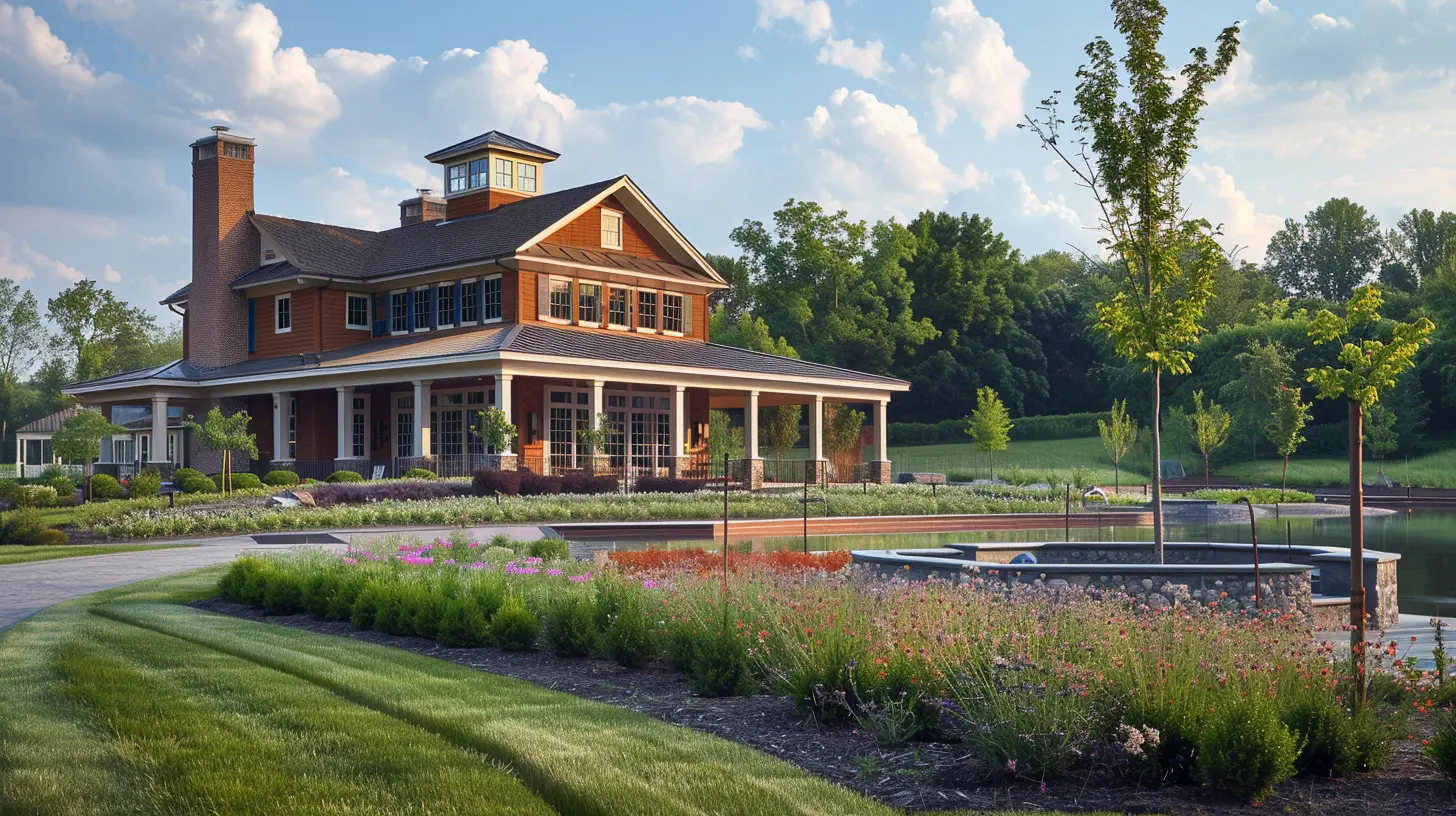
Why Community Centers Matter in the Burbs
1. They Create a Sense of Belonging
Let’s face it — suburban living can get a little isolating. The houses are spread out, everyone has their own backyard, and we tend to drive everywhere rather than walk. It’s easy to end up feeling like you’re living among strangers instead of neighbors.That’s where community centers really shine. They pull people out of their homes and into shared spaces. Whether it’s through a weekend gardening workshop or a Wednesday night book club, these interactions build real relationships.
And guess what? Feeling connected boosts mental health and even increases how satisfied people feel in their neighborhood.
2. They Offer Affordable Programs for All Ages
From tiny toddlers to active seniors, community centers cater to everyone. For young parents, these places can be a lifesaver — offering affordable (sometimes free!) classes in dance, music, art, you name it. Teens can find a safe hangout spot, and seniors often get access to fitness classes, community lunches, or educational talks.The beauty here is that these services don’t come with the hefty price tags you might find at private institutions. That makes suburban life more inclusive and accessible for families from different income levels.
3. They’re A Hub for Local Events and Celebrations
Think about the Fourth of July potlucks, Halloween costume contests, or multicultural food fairs — where are they held? You got it, the community center.These events aren’t just for entertainment; they’re vital community-building moments. They give us excuses to step out of our routines and celebrate together.
Plus, if you’re new to the neighborhood? These events are goldmines. It’s where you’ll meet your future babysitter, walking buddy, or maybe just someone who loves 90s sitcoms as much as you do.
4. Strengthening the Local Economy
Here’s something you might not have thought of — community centers can give the local economy a nice little boost too.How? Well, by offering spaces for local vendors, crafters, and food trucks during events. Or by hosting entrepreneurial classes, resume workshops, and job fairs that help residents level up their careers right in their own neighborhood.
And when folks feel supported and skilled, they’re more likely to start small businesses or invest back into the community. Win-win.
The Real Estate Connection — Why Agents and Buyers Should Pay Attention
If you’re in real estate, listen up. Community centers are powerful (and often underutilized) selling points. Homebuyers aren’t just purchasing square footage — they’re buying into a lifestyle. The presence of a vibrant community center can tip the scales when someone’s choosing between two properties.Buyers Are Asking: “What Else Is Around Here?”
People don’t just ask how many bedrooms a house has anymore. They want to know:- What’s the community like?
- Are there things for kids to do nearby?
- Can I meet people here?
- Is there a place where I can take a yoga class without driving 30 minutes?
Community centers answer all of those questions in one go.
Developers Love Them Too
Developers often incorporate community centers into new suburban developments because they know it adds value. A well-designed community center can increase property values and create a stronger sense of identity for the whole neighborhood.Think of it as adding frosting to a cupcake — it makes the whole package more attractive.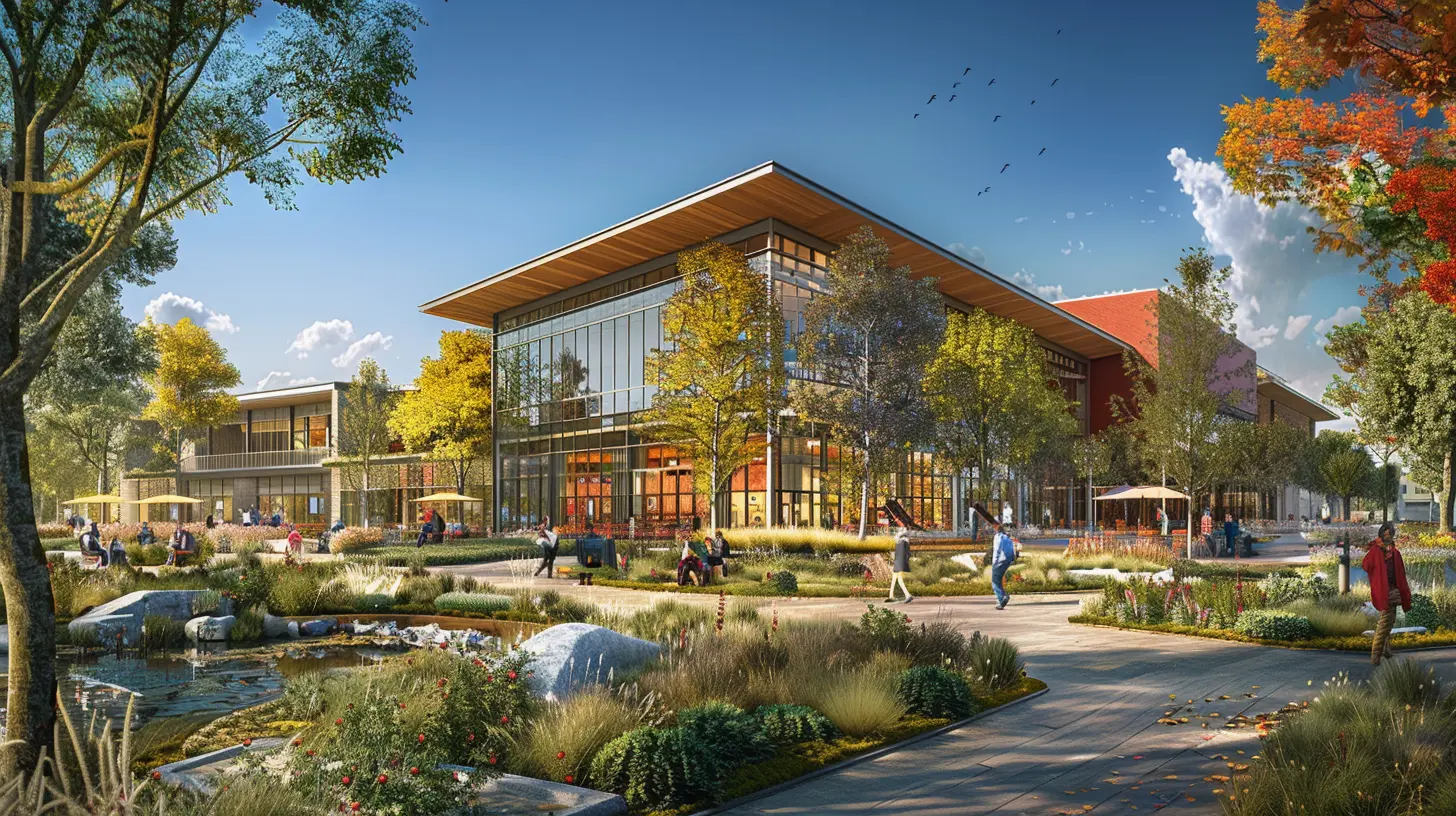
Building Social Capital — One Activity at a Time
There’s this term sociologists use — “social capital.” It basically refers to the networks, relationships, and trust within a community.High levels of social capital mean people look out for each other. They lend sugar, watch each other’s pets, and speak up at town meetings.
Community centers are social capital machines. Every class attended, every favor exchanged, every new face met — it all adds up. And it creates neighborhoods where folks don’t just live next to each other; they live with each other.
Supporting Family Life in the Suburbs
For families, especially those with young children or aging parents, community centers can be a true lifeline.Access to Childcare and Kids’ Programs
Need somewhere safe and enriching for the kids after school? Community centers often provide after-school programs that encourage learning, creativity, and physical activity — all while being affordable.Support Networks for Parents
Moms’ groups, dads’ meetups, parenting classes — these often sprout up at community centers. For new parents especially, finding a tribe can make all the difference.Caring for Older Adults
Don’t forget about Grandma and Grandpa! Many centers offer programs just for seniors — from tech classes to line dancing to lunchtime socials.This multigenerational setup fosters understanding and connection across age groups, which isn’t always easy to achieve in other settings.
Promoting Healthy Lifestyles
Let’s talk wellness for a second. Suburban life can often mean long commutes, sedentary work-from-home days, and not enough active movement.But what if you had a gym, walking groups, or yoga classes — just around the corner?
That’s what community centers offer. They make wellness convenient. And once something becomes part of your daily or weekly routine, staying healthy doesn’t feel like a chore anymore. It becomes a lifestyle.
Boosting Diversity and Inclusion
Suburban areas are becoming increasingly diverse — and that’s a beautiful thing. But managing and embracing that diversity takes intention.Community centers often lead the charge in celebrating different cultures, languages, and traditions. They create neutral ground where everyone, regardless of background, feels welcome.
From language-learning classes to cultural festivals, the programming can reflect and honor the diversity of the people who live in the area.
How COVID-19 Changed the Game (And What’s Next)
Let’s be real — the pandemic threw a wrench in just about every gear. Community centers included. For a while, those lively gathering places had to shut their doors or reinvent how they worked.But here’s the cool part: many centers pivoted quickly. They offered virtual classes, drive-thru food distributions, mental health resources over Zoom, and more.
Post-pandemic, these centers are bouncing back — and in many ways, they’re stronger and more adaptive than ever. They’ve proven just how critical they are when the community needs support the most.
Final Thoughts: More Than Just a Building
So, at the end of the day — what is the real role of community centers in suburban living?They’re not just buildings with bulletin boards and a few folding chairs. They’re where community happens. They’re the stage for local theater performances, the battlegrounds of friendly dodgeball tournaments, the classrooms for life skills, and the campfires (real or metaphorical) where future friendships are forged.
If you're moving to a new suburb, ask about the community center. If you're working in real estate, highlight it as a major perk. And if you're already lucky enough to have one nearby — go check it out. You might just find more than you expected.
all images in this post were generated using AI tools
Category:
Suburban HomesAuthor:

Vincent Clayton
Discussion
rate this article
2 comments
Otto Wilkins
Community centers play a pivotal role in enhancing suburban living by fostering social connections, promoting wellness through activities, and providing shared spaces for diverse groups. Their presence can significantly elevate property values and attract families seeking vibrant, interconnected neighborhoods, underscoring the importance of community-focused planning in suburban developments.
February 25, 2026 at 3:49 AM
Vincent Clayton
Thank you for highlighting the vital role community centers play in enhancing suburban life. Their impact on social connections, wellness, and property values truly underscores their importance in community-focused planning.
Kara Edwards
Community centers: where yoga classes and spaghetti dinners collide! Who knew that the secret to suburban happiness was just a bingo game away? Forget the backyard barbecue; let’s gather around the potluck table and discuss our favorite ways to avoid mowing the lawn!
February 22, 2026 at 4:30 AM
Vincent Clayton
Absolutely! Community centers truly are the heart of suburban life, blending fun, fellowship, and a dash of humor into our daily routines. They foster connections and create cherished memories—one bingo game at a time!