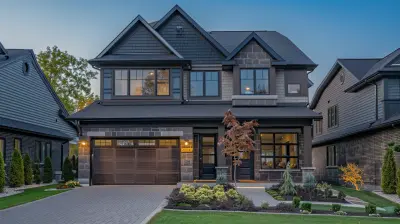
The Rise of Off-Grid Living: Rural Properties that Offer Total Independence
27 July 2026
In today's fast-paced, technology-driven world, more and more people are seeking an escape from the hustle and bustle of city life. Off-grid living has rapidly become a trend, offering a self-sufficient lifestyle where homeowners rely on renewable energy, homegrown food, and natural resources. Whether it's the need for independence, lower living costs, or simply a desire to be closer to nature, rural properties that support off-grid living are in high demand.
But what does it really mean to live off the grid? Is it just about disconnecting from modern utilities, or is it a complete lifestyle shift? Let's break it all down and see why rural properties that offer total independence are becoming the ultimate dream for many. 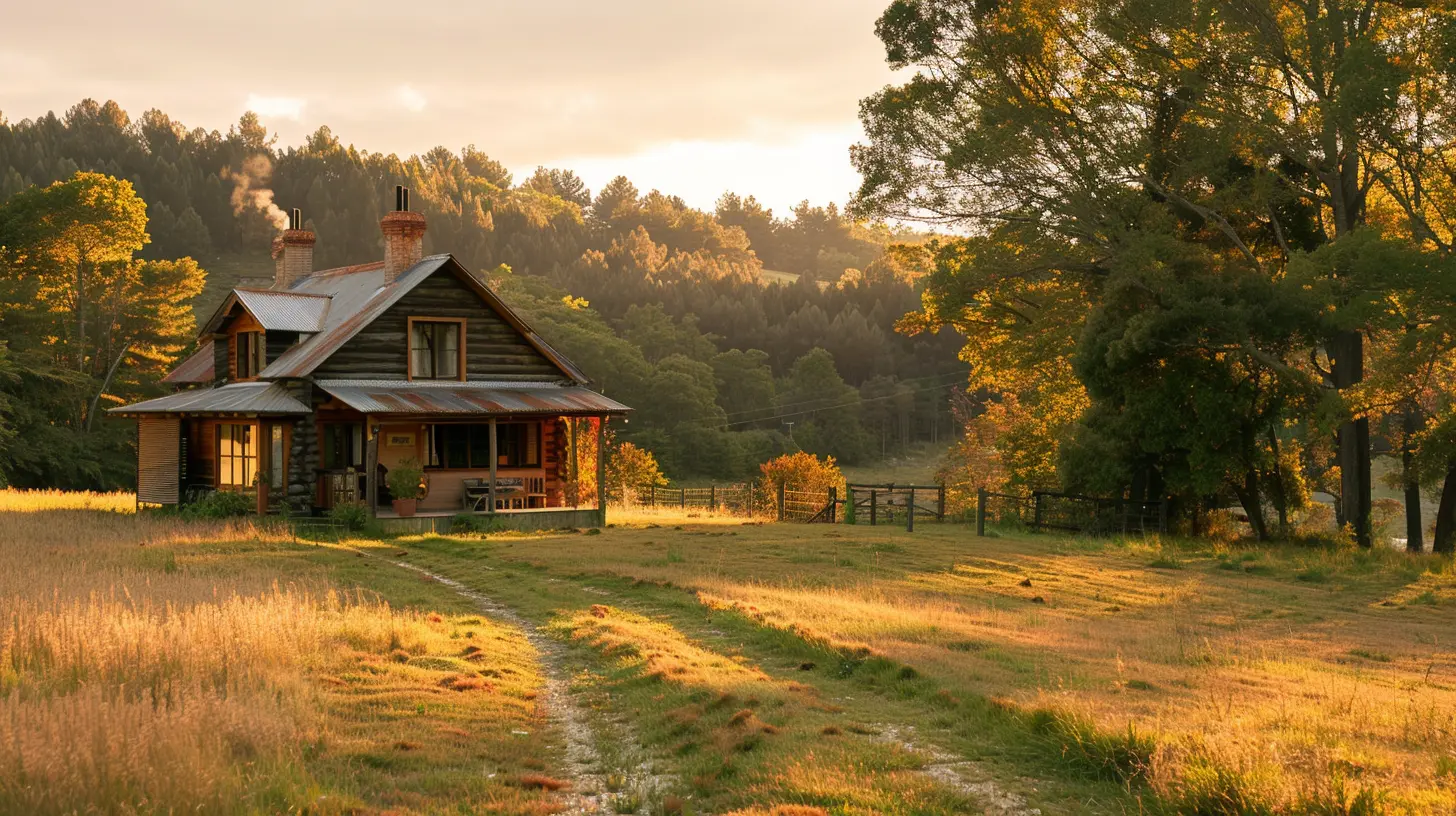
What Is Off-Grid Living?
Off-grid living means living without reliance on public utilities such as electricity, water, and gas. Instead, homeowners generate their own energy, source their own water, and manage waste sustainably. The goal? Absolute self-sufficiency.Imagine waking up every day with no monthly electricity bill, growing your own vegetables, and relying on solar power—sounds appealing, right? This lifestyle provides independence from rising utility costs, potential power outages, and the unpredictability of urban living. 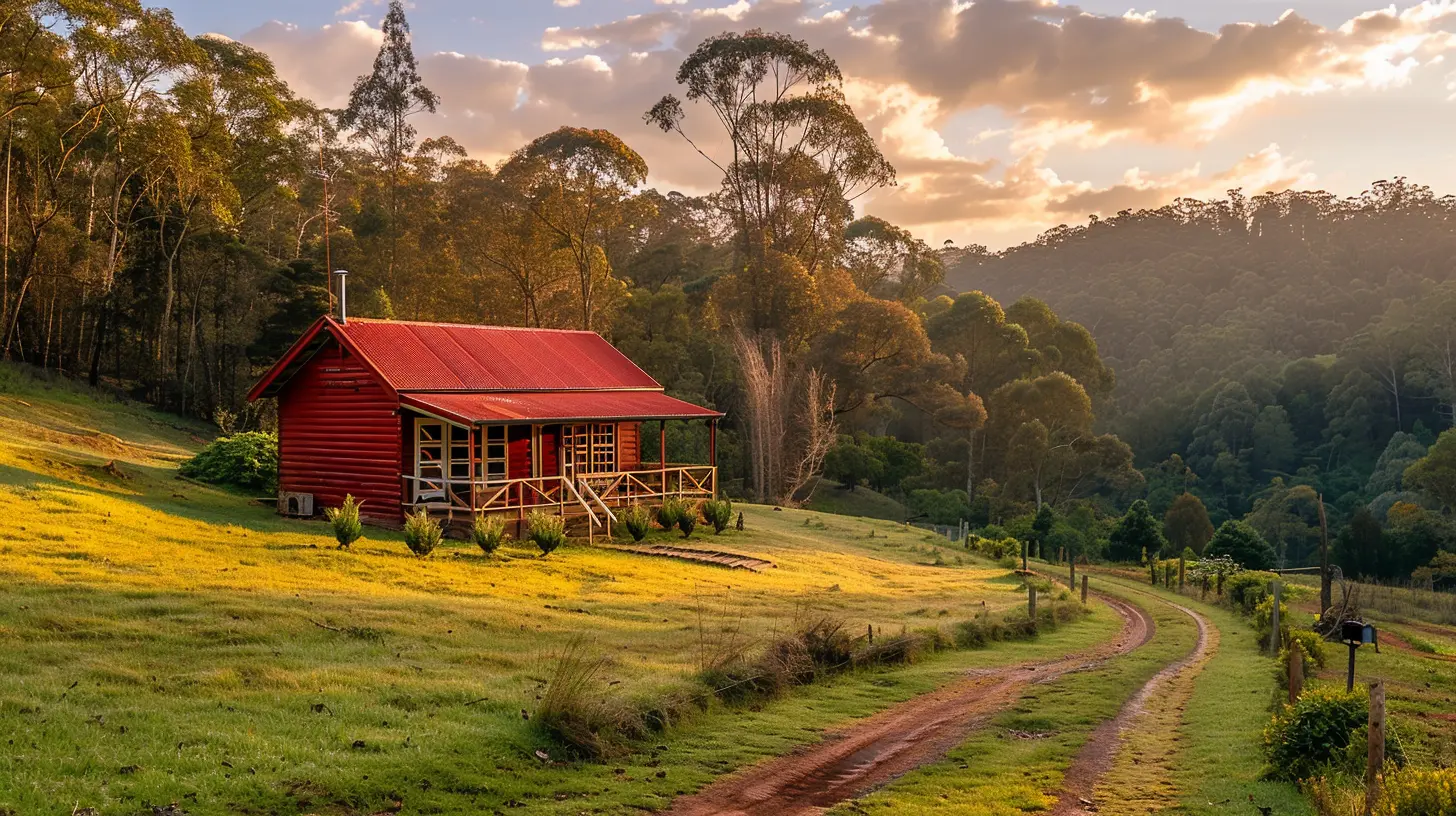
Why Is Off-Grid Living Gaining Popularity?
There are several reasons why people are turning to off-grid living. Let's explore the biggest motivators behind this shift.1. The Desire for Freedom and Self-Sufficiency
City life often comes with rules—zoning laws, homeowners' associations, and reliance on outside systems for survival. Off-grid living allows homeowners to escape these constraints, providing complete control over their own living environment. There's nothing quite like knowing that your home is powered by your own solar panels and that your water comes from a well on your property.2. Rising Utility Costs and Economic Uncertainty
Utility bills keep climbing, and economic instability has made many rethink their dependence on public infrastructure. Off-grid systems, though requiring an initial investment, often pay for themselves in the long run. Once your solar panels, wind turbines, or water collection systems are in place, ongoing costs are minimal compared to traditional utility bills.3. Environmental Consciousness
More people are looking for ways to minimize their carbon footprint. Off-grid living encourages sustainable practices like composting, water conservation, and renewable energy use. With climate change concerns growing, many see this lifestyle as a way to reduce their environmental impact.4. Remote Work and Digital Nomadism
With remote work on the rise, people no longer need to be tethered to city offices. High-speed internet options like satellite and mobile hotspots make it easier than ever to work from anywhere, including a secluded, off-grid property in the mountains.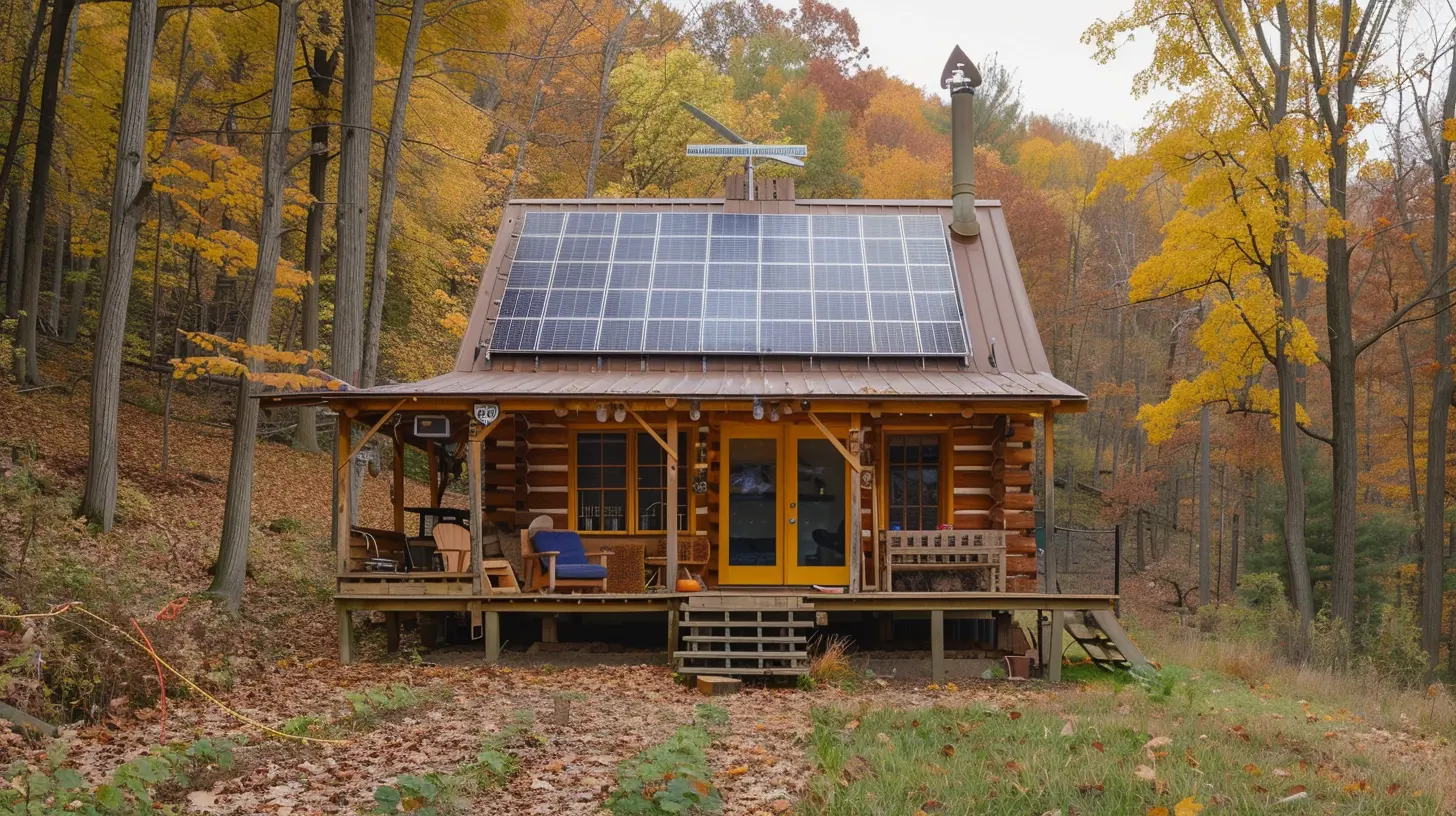
Essential Features of an Off-Grid Property
Not all rural properties are ideal for off-grid living. If you're considering making the switch, here are key features to look for when choosing your perfect off-grid home.1. Reliable Water Source
A steady, clean water supply is non-negotiable. Many off-grid homes use wells, natural springs, or rainwater collection systems. Securing a dependable water source is critical for drinking, irrigation, and livestock if you plan on farming.2. Renewable Energy Potential
You'll need a way to generate sustainable energy. Solar panels are the most common option, but wind turbines, micro-hydro systems, and even biofuels can provide additional power. A south-facing property with plenty of sunlight is ideal for solar energy production.3. Quality Soil for Farming
One of the biggest perks of off-grid living is growing your own food. Look for land with nutrient-rich soil for gardening and livestock. If the soil isn’t great, you'll likely need to invest in raised beds or soil amendments.4. Strong Shelter and Building Materials
Durable housing is essential for surviving harsh weather conditions. Many off-grid homes use sustainable building techniques like earthbag construction, cob homes, and even tiny homes designed for energy efficiency.5. Waste Management Solutions
Without city sewer lines, you'll need a proper waste disposal system. Composting toilets, septic systems, and greywater recycling systems ensure that waste management is handled sustainably and efficiently.6. Internet and Connectivity
While off-grid living often means unplugging from unnecessary technology, internet access can still be important—especially if you work remotely. Satellite internet and mobile hotspots can keep you connected while maintaining your off-grid lifestyle.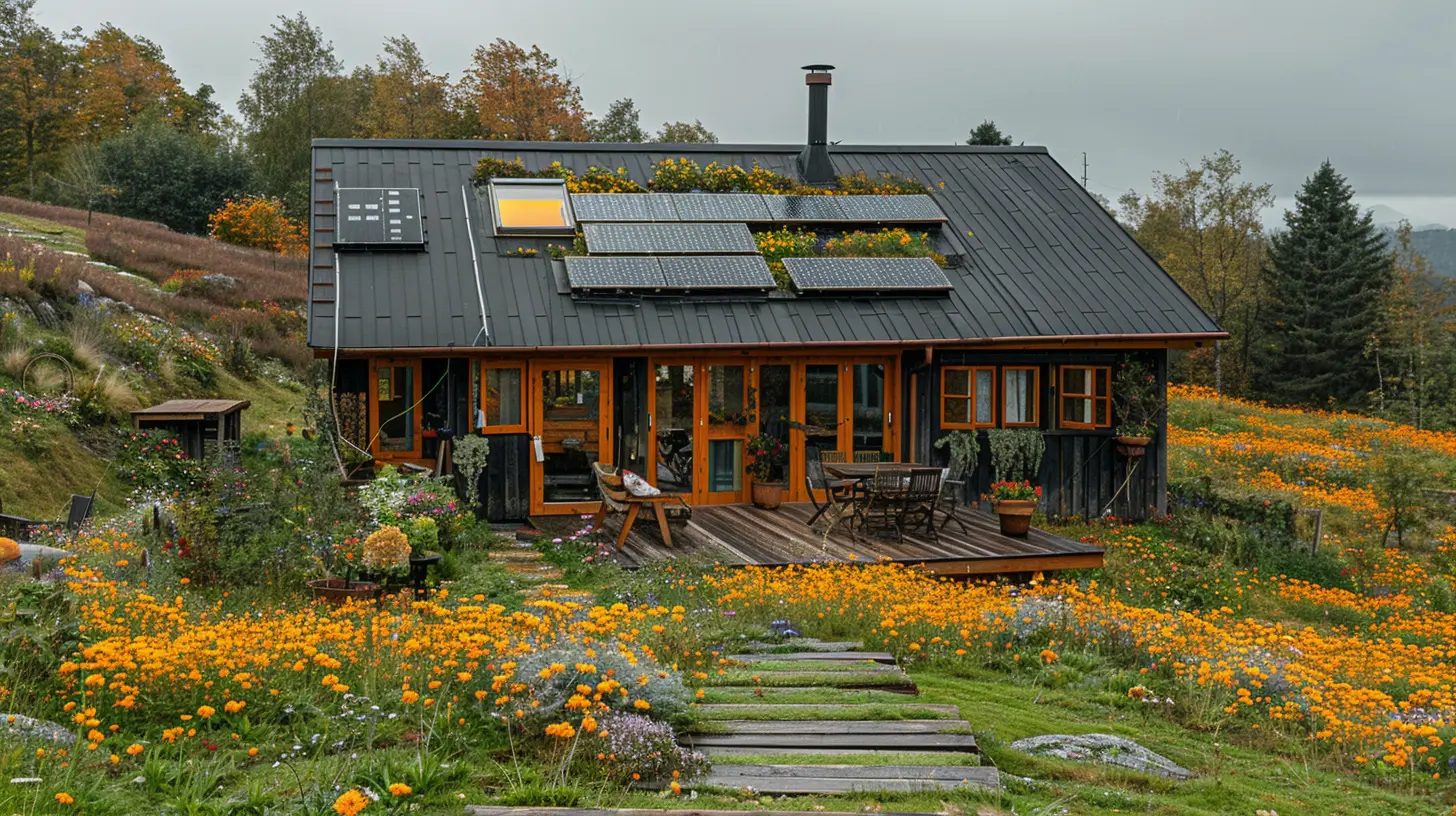
Challenges of Off-Grid Living
It’s not all sunshine and fresh air—off-grid living comes with its own set of challenges. Here are some things to consider before making the leap.1. Upfront Costs Can Be High
Setting up solar panels, water filtration systems, and other infrastructure requires an initial investment. While you'll save money long-term, the upfront costs can be significant.2. Maintenance Is Constant
Unlike traditional homes where everything is managed for you, off-grid living requires regular maintenance. You’re responsible for keeping your solar panels functional, ensuring your water supply is clean, and maintaining waste disposal systems.3. Isolation Isn’t for Everyone
Living off the grid often means being far from towns, hospitals, and grocery stores. While some people thrive in solitude, others may struggle with the isolation.4. Legal and Zoning Restrictions
Before purchasing off-grid property, check local regulations. Some areas have restrictions on water use, building types, and alternative energy installations. Being informed about laws in your chosen area will save you from legal headaches down the road.Best Locations for Off-Grid Living
Certain regions are more suited for off-grid living than others. Here are some of the best areas in the U.S. to consider:- Montana & Wyoming – Low population density, plenty of land, and access to natural resources.
- Alaska – Ideal for those who can handle extreme weather and want complete independence.
- Texas – Many areas with lenient building codes and affordable land prices.
- Oregon & Washington – Renewable energy potential and vast forests for sustainable living.
- Arizona & New Mexico – Sun-drenched landscapes perfect for solar energy use.
Each state has its advantages, from affordability to accessibility. Choosing the right location depends on climate preferences, available resources, and legal considerations.
Is Off-Grid Living Right for You?
Off-grid living isn’t just a trend—it’s a lifestyle choice that requires commitment and preparation. If you're someone who values independence, sustainability, and self-reliance, it could be the perfect way to live. However, it’s essential to weigh the challenges before making the leap.For those ready to embrace the freedom of off-grid living, rural properties offer the perfect escape from modern constraints. Whether you're looking for a rustic cabin, an expansive homestead, or a minimalist tiny home, there’s no shortage of opportunities to create a life of total independence.
So, would you trade city living for an off-grid lifestyle? If the call of nature, self-sufficiency, and true freedom resonate with you, it might be time to start searching for your ideal off-grid property.
all images in this post were generated using AI tools
Category:
Rural PropertiesAuthor:

Vincent Clayton