The Long-Term Financial Impact of a Reverse Mortgage
9 June 2026
Reverse mortgages often spark curiosity—and for a good reason. They promise financial relief for retirees who own a home but need extra income. But what happens in the long run? Could this financial life raft turn into a sinking ship, or is it truly a lifeline?
If you're wondering whether a reverse mortgage is a smart move for your future, keep reading. We’ll break down the long-term financial impact and uncover both the perks and pitfalls.
What Is a Reverse Mortgage?
Before diving into the financial impact, let's cover the basics.A reverse mortgage is a loan available to homeowners 62 and older that allows them to convert part of their home equity into cash. Unlike a traditional mortgage, where the borrower makes monthly payments to a lender, a reverse mortgage works... well, in reverse. The lender pays the homeowner, and the loan balance increases over time.
Sounds like a dream, right? You get to stay in your home, receive money, and don’t have to make monthly payments. But here’s the kicker—when you move out, sell the home, or pass away, the loan must be repaid. And that’s where things can get tricky.
The Financial Benefits of a Reverse Mortgage
For many retirees, a reverse mortgage can be a game-changer. Let’s look at some of the long-term financial benefits.1. Provides a Steady Cash Flow
One of the biggest perks of a reverse mortgage is the steady stream of income. Whether you choose a lump sum, monthly payments, or a line of credit, having an additional financial cushion can be a lifesaver, especially for retirees living on Social Security.Imagine having an extra paycheck without lifting a finger. Sounds great, right? For those short on retirement savings, this can help cover healthcare costs, home maintenance, or just improving their quality of life.
2. No Monthly Mortgage Payments
A major financial relief is the elimination of mortgage payments. If you're still paying a traditional mortgage, switching to a reverse mortgage can free up hundreds—maybe even thousands—of dollars each month.That extra cash could be used for travel, hobbies, or simply making day-to-day life more comfortable. However, homeowners are still responsible for property taxes, insurance, and maintenance, so it's not completely payment-free.
3. Protection Against Market Fluctuations
Housing markets go up and down, but here’s the silver lining—reverse mortgage borrowers won't owe more than their home's value. If the housing market crashes and home prices drop, a reverse mortgage loan is covered by the Federal Housing Administration (FHA) insurance.In other words, if your home's value tanks, your heirs won’t be left with a debt they can’t afford to pay. That’s a huge financial safety net.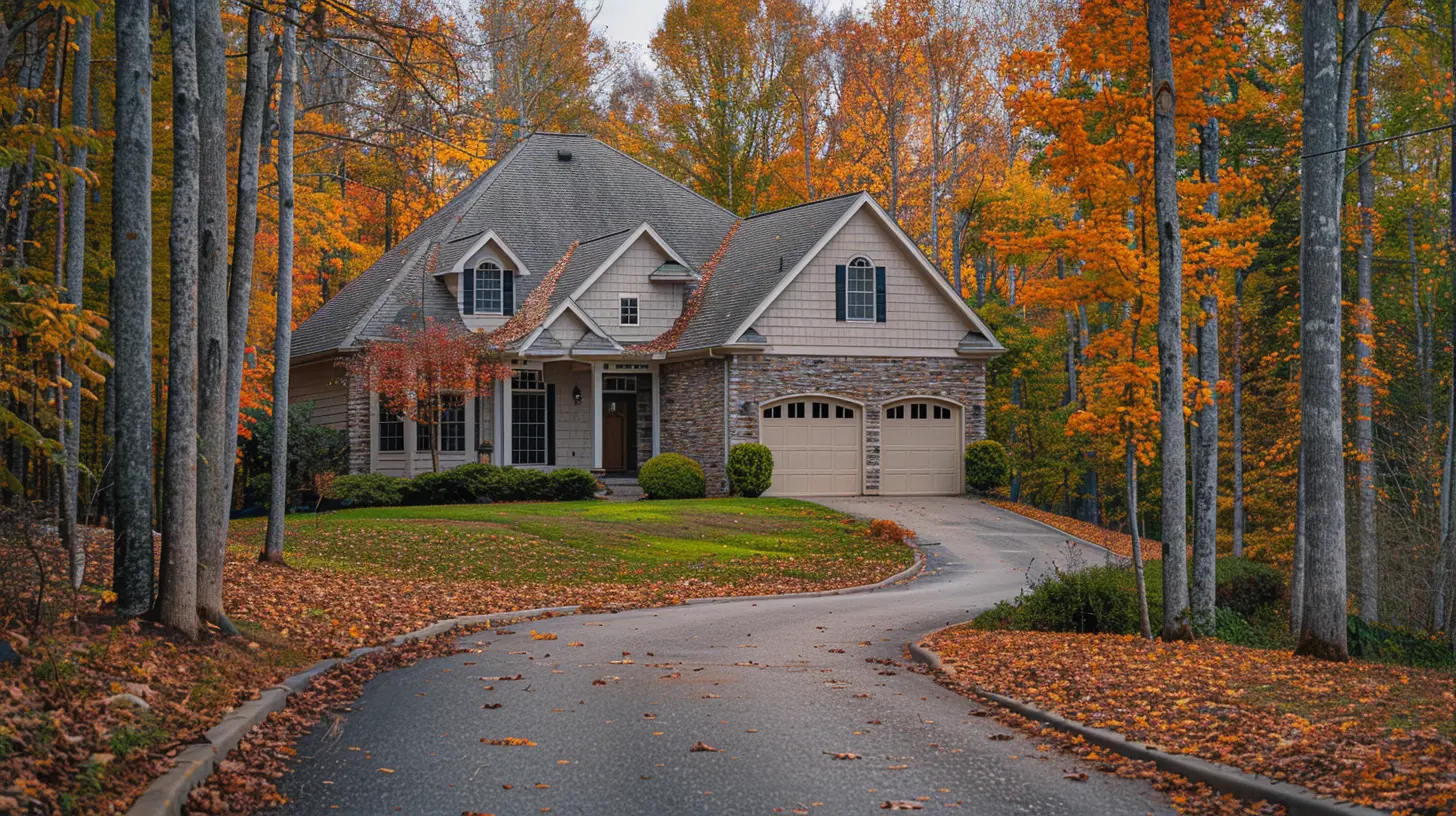
The Long-Term Downsides to Consider
So far, reverse mortgages sound pretty good. But don’t sign on the dotted line just yet. There are some long-term financial risks that every homeowner should consider.1. Your Loan Balance Grows Over Time
Unlike a traditional mortgage where your balance decreases as you make payments, a reverse mortgage works the opposite way. Interest and fees stack up, meaning your loan balance increases every month.Over time, this can eat away at your home equity, leaving less (or even nothing) for your heirs. If your goal is to leave a financial legacy for your children or grandchildren, a reverse mortgage might not be the best move.
2. You Could Outlive the Loan Benefits
While a reverse mortgage can provide financial flexibility, what happens if you live longer than expected?Once you’ve used up your loan funds, you might find yourself struggling again—except now with fewer options. If your home is your primary asset, running out of cash could put you in a tight spot in your later years.
3. Impact on Heirs and Estate Planning
One of the biggest concerns with a reverse mortgage is what happens after the homeowner passes away.When that day comes, your heirs will be responsible for paying back the loan—either by selling the home, refinancing the mortgage, or using other funds. If the loan balance has grown significantly, your heirs might have little to no inheritance left from your home.
For families who want to pass on their property, this could lead to unexpected financial burdens or tough decisions.
4. Risk of Foreclosure
Yes, reverse mortgages eliminate monthly payments, but that doesn’t mean you’re off the hook.You still have to stay on top of property taxes, homeowners insurance, and maintenance costs. If you fall behind, the lender could foreclose on your home. This is especially risky for seniors on a tight budget who might struggle to keep up with these expenses over the years.
Who Is a Reverse Mortgage Right For?
A reverse mortgage isn’t a one-size-fits-all solution. It works best for homeowners who:- Plan to stay in their home indefinitely
- Need extra income to cover retirement expenses
- Don’t have heirs relying on the home for inheritance
- Understand the financial risks and want the added flexibility
However, if you have alternative income sources, want to preserve home equity for heirs, or think you might move in the future, you may want to consider other options.
Alternatives to a Reverse Mortgage
Not sold on a reverse mortgage? No worries—there are other ways to tap into your home equity without taking on the risks.1. Home Equity Line of Credit (HELOC)
A HELOC allows you to borrow against your home’s value but with more flexibility and fewer long-term drawbacks. Unlike a reverse mortgage, you’ll make monthly payments, but the interest rates are usually lower.2. Downsizing to a Smaller Home
Selling your current home and moving into a smaller, more affordable property can free up significant cash without the risks that come with a reverse mortgage.3. Renting Out a Portion of Your Home
If your home is large enough, renting out a portion can create a steady stream of income while allowing you to stay put.4. Government Assistance Programs
Some retirees qualify for government programs that provide financial support without requiring them to tap into their home equity.Final Thoughts
A reverse mortgage is a financial tool that can provide much-needed relief for retirees, but it’s not without its risks. While the short-term benefits—like receiving cash and eliminating mortgage payments—are appealing, the long-term consequences should not be ignored.Before making a decision, consider how it aligns with your future goals, estate planning, and financial security. Consulting with a financial advisor can help ensure that a reverse mortgage is the right fit for you.
At the end of the day, your home is more than just a building—it’s your financial foundation. Make sure any decision you make today supports a stable and comfortable tomorrow.
all images in this post were generated using AI tools
Category:
Reverse MortgagesAuthor:

Vincent Clayton
Discussion
rate this article
1 comments
Georgina McLemore
A reverse mortgage can provide financial relief for retirees, but it's crucial to understand the long-term implications on inheritance and overall wealth.
June 19, 2026 at 4:42 AM
Vincent Clayton
You make a great point. Understanding the long-term effects on inheritance is essential when considering a reverse mortgage.