The Importance of Reviewing Your Property Tax Bill Annually
21 January 2026
Owning a home is a dream come true, but let’s be real—property taxes are one of the least exciting aspects of homeownership. Every year, you get that dreaded property tax bill in the mail, and most people just pay it without a second glance. But what if I told you that reviewing your property tax bill annually could actually save you money?
Yep, you read that right. Mistakes happen more often than you think, and blindly paying your tax bill without reviewing it could mean you're overpaying. Let's dive into why taking a closer look at your property tax bill each year is critical for every homeowner. 
Property Taxes: What Are They and Why Do They Matter?
Before we get into why you should review your property tax bill, let’s quickly cover what property taxes are.Property taxes are a major source of revenue for local governments. They help fund schools, emergency services, public parks, and other community resources. The amount you owe is typically based on your property’s assessed value and your local tax rate.
Here's how it works:
1. Your local tax assessor determines your home’s value.
2. That value is multiplied by the tax rate set by your city or county.
3. You get a tax bill based on that calculation.
Seems straightforward, right? Well, not always. Sometimes, errors in your home’s valuation or tax rate can lead to you paying more than you should. That’s why reviewing your bill is crucial. 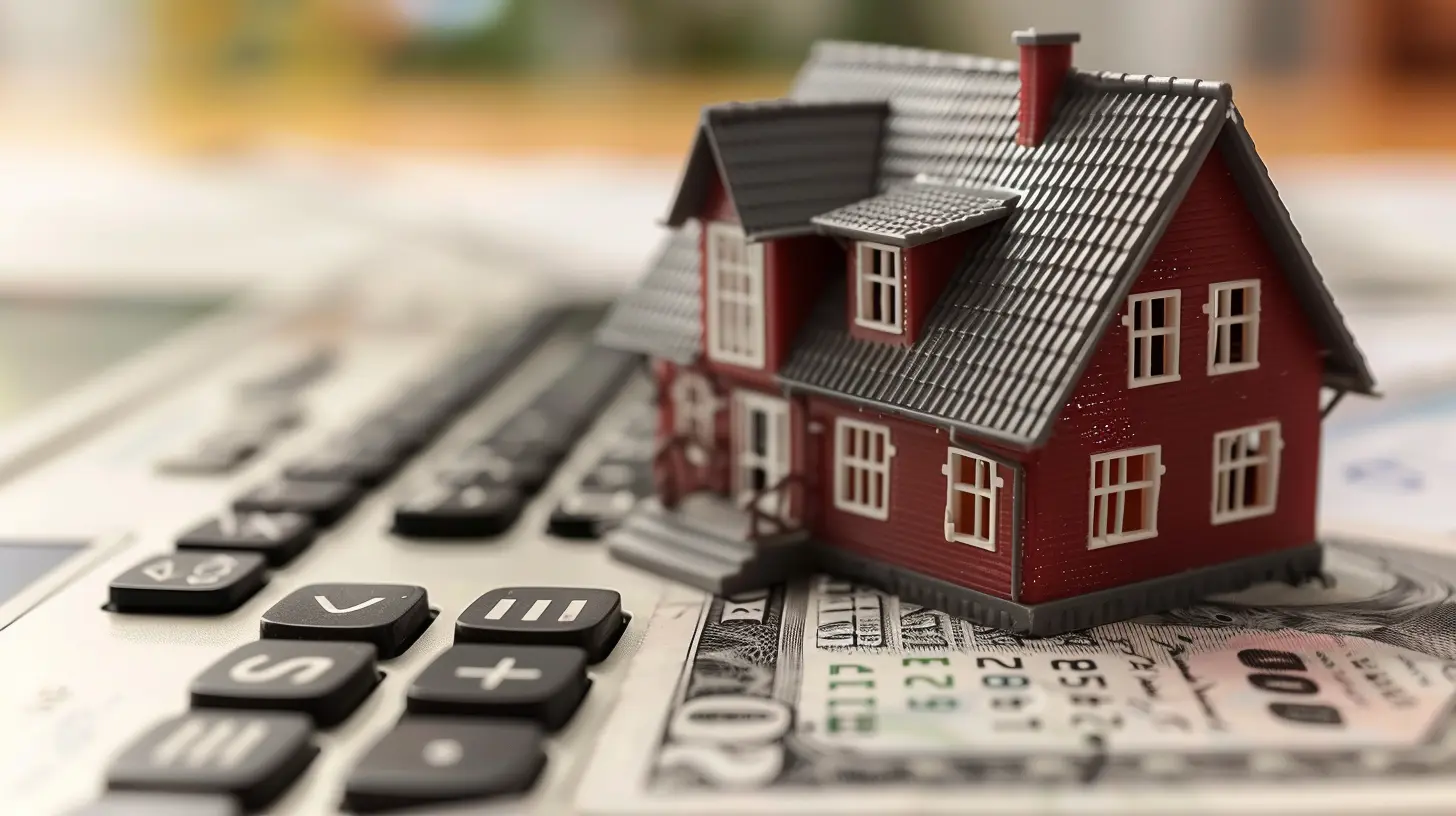
Why Reviewing Your Property Tax Bill Matters
So why should you bother checking your tax bill every year? Here are some key reasons:1. Errors Happen More Often Than You Think
Believe it or not, mistakes on property tax bills are pretty common. Your home’s assessed value might be inaccurate, or the tax office might still have outdated information on record.For example, let’s say you removed an old swimming pool last year, but the assessor’s records still show that it exists. That means your property might be overvalued, and you could be taxed on features that no longer exist. That’s money straight out of your pocket for no reason.
2. Your Home’s Assessed Value Could Be Inflated
Assessors don’t visit every property individually every year. Instead, they often rely on market trends and general data. If the housing market is on the rise, your property might get valued higher than it should be—leading to a higher tax bill.By reviewing your tax bill and comparing your property’s assessed value to similar homes in your area, you can spot discrepancies and challenge the assessment if necessary.
3. You May Qualify for Exemptions or Discounts
Many homeowners are eligible for tax exemptions that can significantly reduce their tax bill—but you won’t know unless you check!Some common exemptions include:
- Homestead exemption – Offers tax relief for primary residences.
- Senior citizen exemption – Reduces taxes for homeowners over a certain age.
- Disability exemption – Provides breaks for homeowners with disabilities.
- Veteran exemption – Offers tax relief for military veterans.
If your bill doesn’t reflect the exemptions you qualify for, you could be overpaying. Double-checking your bill ensures you're not leaving money on the table.
4. Property Tax Rates Can Change
Local governments update tax rates based on budget needs, and these changes aren’t always widely publicized. If you don’t review your tax bill, you might not even realize that your rates have changed.Checking your bill allows you to see how the rates are shifting—and whether the increase is justified. If something seems off, you can reach out to your tax office for clarification or even challenge excessive hikes.
5. Avoid Late Fees and Penalties
Mistakes on property tax bills can sometimes lead to incorrect due dates or misapplied payments. If you don’t catch these errors early, you might end up facing unnecessary late fees or penalties.By reviewing your bill annually, you can ensure that everything is correct and that you’re making timely payments. No one likes throwing money away on penalties that could easily have been avoided! 
How to Review Your Property Tax Bill Like a Pro
Now that you know why it’s important to check your bill annually, let’s talk about how to do it effectively.Step 1: Check Your Property’s Assessed Value
Compare your home’s assessed value with other similar properties in your neighborhood. You can do this by:- Looking at online real estate databases like Zillow or Redfin.
- Checking recent sales prices of homes in your area.
- Requesting a copy of your property’s assessment report from your local tax office.
If your home’s assessed value seems too high compared to similar homes, you might have a case for an appeal.
Step 2: Verify Tax Rate Changes
See if any tax rate increases have been implemented. Compare the current year’s tax rate with previous years to make sure it aligns with local government announcements.Step 3: Look for Exemptions and Deductions
Ensure you’re receiving any tax breaks you’re eligible for. If something is missing, contact your local tax office to apply for exemptions.Step 4: Check for Clerical Errors
Sometimes, simple data entry errors can cause big problems. Scan your bill for:- Incorrect property descriptions
- Misapplied exemptions
- Math errors in the calculations
Step 5: File an Appeal If Needed
If you find an error or believe your assessment is unfair, you have the right to file an appeal. The process typically involves:1. Gathering evidence (comparable home values, photos, repair estimates, etc.).
2. Contacting your local tax office to understand the appeal process.
3. Submitting your appeal before the deadline.
Many homeowners successfully lower their tax bills through appeals, so it’s worth a shot if you spot discrepancies. 
Final Thoughts
Reviewing your property tax bill each year might seem like a hassle, but it’s a small effort that could lead to big savings. Errors happen, tax rates fluctuate, and you could be missing out on valuable exemptions. By taking the time to check your bill, you can ensure that you’re paying only what you truly owe—no more, no less.So, next time that property tax bill arrives in your mailbox, don’t just sigh and write a check. Give it a thorough look, because your hard-earned money deserves to stay in your pocket where it belongs!
all images in this post were generated using AI tools
Category:
Property Tax GuideAuthor:

Vincent Clayton
Discussion
rate this article
2 comments
Elara Castillo
Great insights, thank you!
February 8, 2026 at 5:09 AM
Vincent Clayton
Thank you for your kind words! I'm glad you found the insights helpful.
Tilly Bass
Great insights! Regularly reviewing your property tax bill is essential for homeowners. It not only helps in identifying errors but also ensures you’re not overpaying. Thanks for emphasizing this important aspect!
February 5, 2026 at 12:58 PM
Vincent Clayton
Thank you! I'm glad you found the insights helpful. Regular reviews can indeed make a significant difference for homeowners.