The Hidden Benefits of Reverse Mortgages for Aging in Place
14 July 2026
Aging in place—staying in the comfort of your own home rather than moving to an assisted living facility or downsizing—is a dream for many seniors. But let's be honest, making that dream a reality often comes with financial hurdles.
Enter reverse mortgages—the financial lifeline most people either misunderstand or completely ignore. If you think a reverse mortgage is just a last-resort option for the cash-strapped, it’s time to change that perspective. There are some surprisingly awesome benefits lurking beneath the surface of this misunderstood financial tool.
Let’s unpack the hidden perks of reverse mortgages and why they might be the key to unlocking a stress-free retirement in your own home. 
What is a Reverse Mortgage (And Why Haven’t You Considered One Yet?)
Before we jump into the benefits, let’s cover the basics. A reverse mortgage is a type of loan that allows homeowners aged 62 and older to convert part of their home equity into cash—without selling their home or taking on monthly payments.Sounds too good to be true? Well, it’s not free money—interest accrues over time, and the loan is typically repaid when you sell the home, move out, or pass away. But here’s the kicker: you can stay in your home for as long as you want, and you don't have to make monthly mortgage payments (as long as you keep up with property taxes, insurance, and home maintenance).
Now that we’re on the same page, let’s talk about the hidden benefits that make reverse mortgages a game-changer for aging in place.
1. Monthly Mortgage Payments? Forget About ‘Em!
One of the biggest expenses in retirement is housing costs. If you’re still making a mortgage payment, that monthly drain on your wallet can feel relentless. But with a reverse mortgage, you can eliminate those payments entirely.Instead of sending money to the bank every month, a reverse mortgage lets you pull money from your home’s equity. That’s like turning your house into a giant ATM (without the guilt of monthly withdrawals).
2. Boost Your Retirement Income (Without Selling Your Home)
For many retirees, Social Security and savings might not be enough to maintain the quality of life they want. A reverse mortgage acts like a financial cushion, providing extra cash flow to cover medical bills, home improvements, or even that long-overdue vacation.Whether you take the money as a lump sum, monthly payments, or a line of credit, it's your money, your choice—without giving up the home you love.
3. Stay Put Without Worrying About Rising Living Costs
Let’s face it—expenses don’t take a break just because you’ve retired. Inflation, unexpected medical bills, and skyrocketing property taxes can make budgeting feel like a high-wire act.A reverse mortgage stabilizes your cash flow, allowing you to cover these rising costs without stress. You stay in your home, maintain your lifestyle, and don’t have to scrape by on just Social Security.
4. Use It to Upgrade Your Home for Aging in Place
Aging in place means making sure your home remains safe and accessible as you get older. Instead of dipping into savings, you can use a reverse mortgage to fund necessary home modifications—think stairlifts, walk-in tubs, or better lighting.In other words, your house can grow with you, instead of becoming a hazardous obstacle course.
5. You Can Never Owe More Than Your Home’s Value
One of the biggest fears people have about reverse mortgages is “What if the loan balance grows larger than my home’s worth?”Here’s the good news: Reverse mortgages are federally insured, meaning you or your heirs will never owe more than the home’s value when it's time to repay the loan. Even if the housing market tanks, the loan is covered.
That’s peace of mind you just can’t put a price on.
6. It Won’t Affect Social Security or Medicare
A lot of people worry that taking out a reverse mortgage will interfere with their Social Security or Medicare benefits. Good news—it won’t!A reverse mortgage is considered a loan, not income, so it doesn’t factor into Social Security or Medicare eligibility. However, if you receive certain needs-based benefits, like Medicaid, you’ll want to consult a financial advisor to ensure you remain eligible.
7. A Built-In Emergency Fund (Just in Case)
Life has a way of throwing unexpected financial curveballs—medical emergencies, home repairs, or surprise expenses that blow your budget.Rather than scrambling for cash or dipping into retirement savings, a reverse mortgage acts as a built-in safety net. You can set up a line of credit and only use it when you need it—giving you peace of mind without unnecessary debt.
8. You’re in Control (Your Home, Your Rules)
A reverse mortgage isn’t a magic wand that forces you to sell your house. You remain 100% in control of your property. Want to stay in your home forever? Go for it. Need to move later? That’s cool too.You can live in your home as long as you meet the basic loan obligations (like paying taxes and keeping up with home insurance). No one is kicking you out, and you’re not handing over ownership to the bank.
9. A Reverse Mortgage Can Help Your Heirs, Too
One major concern homeowners have is, “Will this leave my kids with debt?” The answer? Nope.Your heirs can choose what happens to the home after you're gone. They can sell it, use life insurance or other funds to pay off the loan, or simply walk away—without owing a dime beyond the home’s value.
In some cases, reverse mortgages even help families pass down more inheritance, since they can prevent retirees from burning through savings.
10. A Smart Move Even If You’re Not Struggling Financially
You don’t have to be in financial hardship to benefit from a reverse mortgage. Even if you’re sitting on a comfortable retirement fund, a reverse mortgage can be a smart strategy to free up cash, diversify income streams, and enhance financial flexibility.Think of it as an extra layer of security—like a financial backup plan that ensures you can age gracefully, comfortably, and worry-free in your own home.
Is a Reverse Mortgage Right for You?
While a reverse mortgage isn’t the right fit for everyone, it can be a powerful option for those who want to stay in their home without draining their savings or stressing over mortgage payments.If aging in place is your goal, this could be the missing puzzle piece in your retirement strategy.
Before diving in, it’s always smart to talk to a financial advisor and weigh the pros and cons. But one thing’s for sure: reverse mortgages deserve a second look.
Who knew your home could be the key to a stress-free retirement?
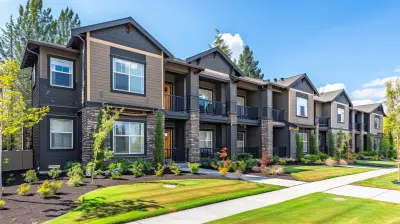
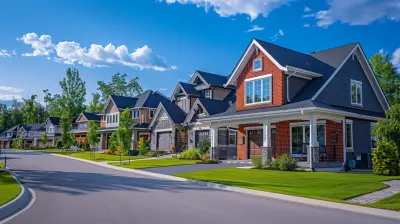
all images in this post were generated using AI tools
Category:
Reverse MortgagesAuthor:

Vincent Clayton