The Benefits of Green Building Practices in Multifamily Real Estate
19 December 2025
Let’s be real – we’re all waking up to the fact that how we build matters. Whether it's your cozy studio downtown or a sprawling apartment complex, the choices behind walls, windows, and wires go deeper than aesthetics and comfort. They impact everything from our wallets to our wellbeing, not to mention the planet. That’s why green building practices in multifamily real estate are no longer just a “nice to have.” They’re a total game changer.
So, what’s the real deal with green building when it comes to multifamily spaces? Why should developers care, and what’s in it for residents? Strap in, because we’re diving deep into the benefits—and trust me, there are plenty!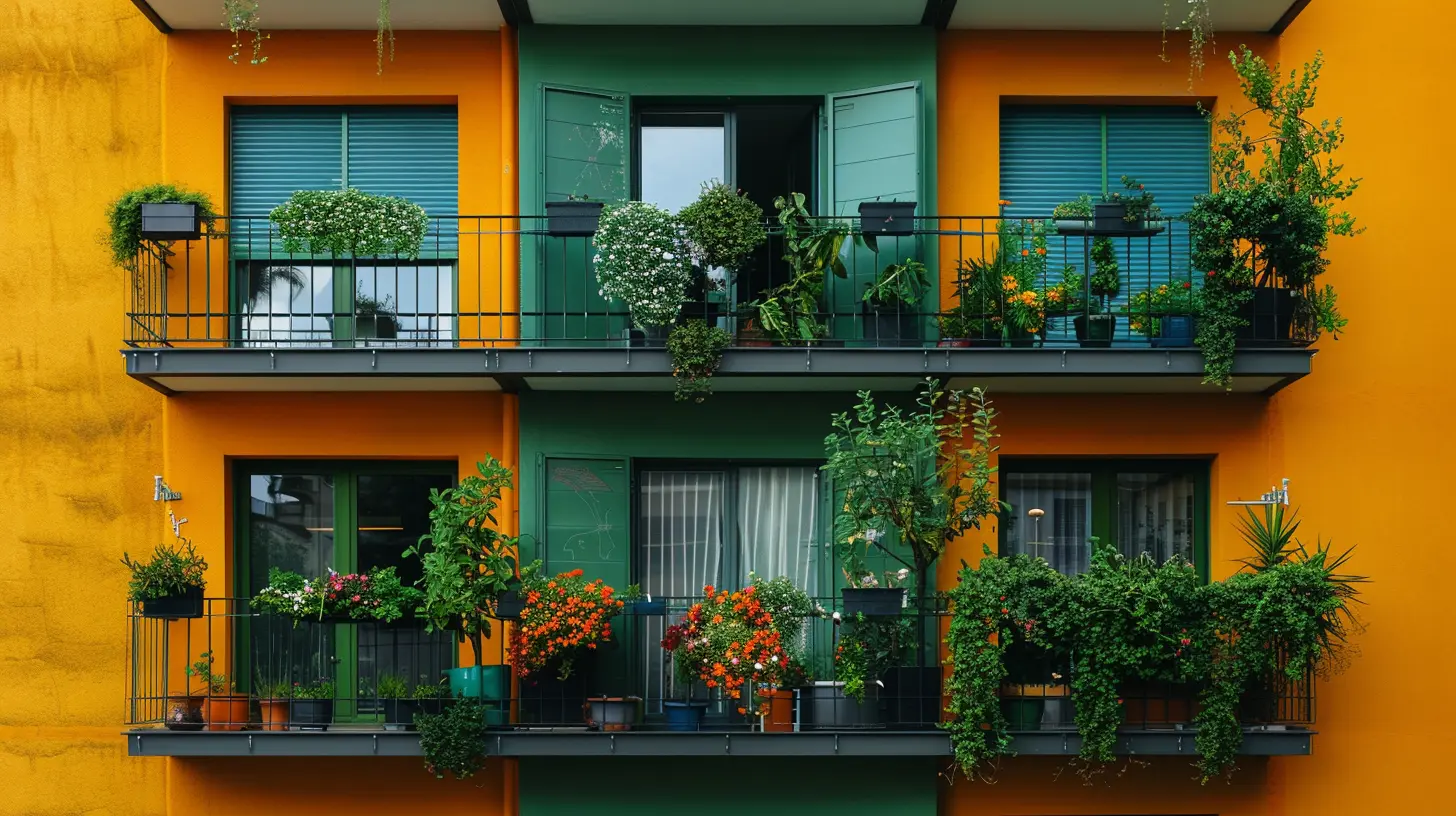
What Exactly Are Green Building Practices?
Before we look at the perks, let’s break this down.Green building practices refer to construction and design methods that reduce environmental impact and improve human health. Now, that might sound super technical, but it’s really all about being smart with resources—energy, water, materials—and creating homes that are healthier, safer, and more cost-effective in the long run.
Think solar panels, energy-efficient windows, low-flow toilets, recycled building materials, and better air filtration systems. It’s like giving a building a wellness makeover!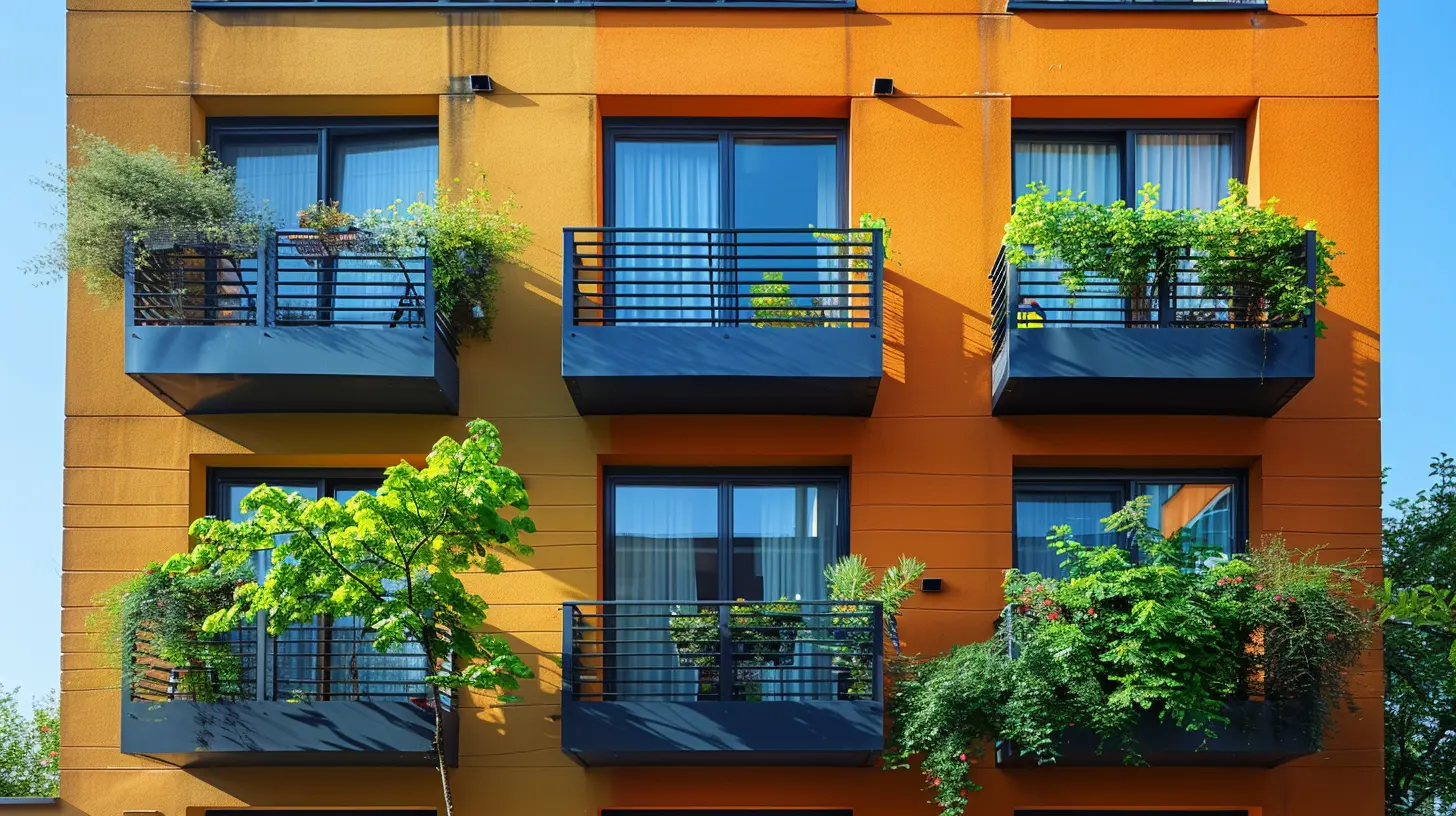
1. Lower Operating Costs – A Win for Everyone
Let’s face it, bills aren't fun. Energy and water costs can eat away at a property’s profits or a tenant’s budget. But here’s where green building shines—literally.By using energy-efficient systems like LED lighting, Energy Star appliances, and advanced HVAC units, green multifamily buildings significantly cut energy consumption. And don’t even get us started on solar panels! They can slash utility bills and, in some cases, eliminate them altogether.
Less money spent on utilities = happier residents and higher occupancy rates. For property owners, lower operating costs often mean increased net operating income (NOI). That’s music to any investor’s ears.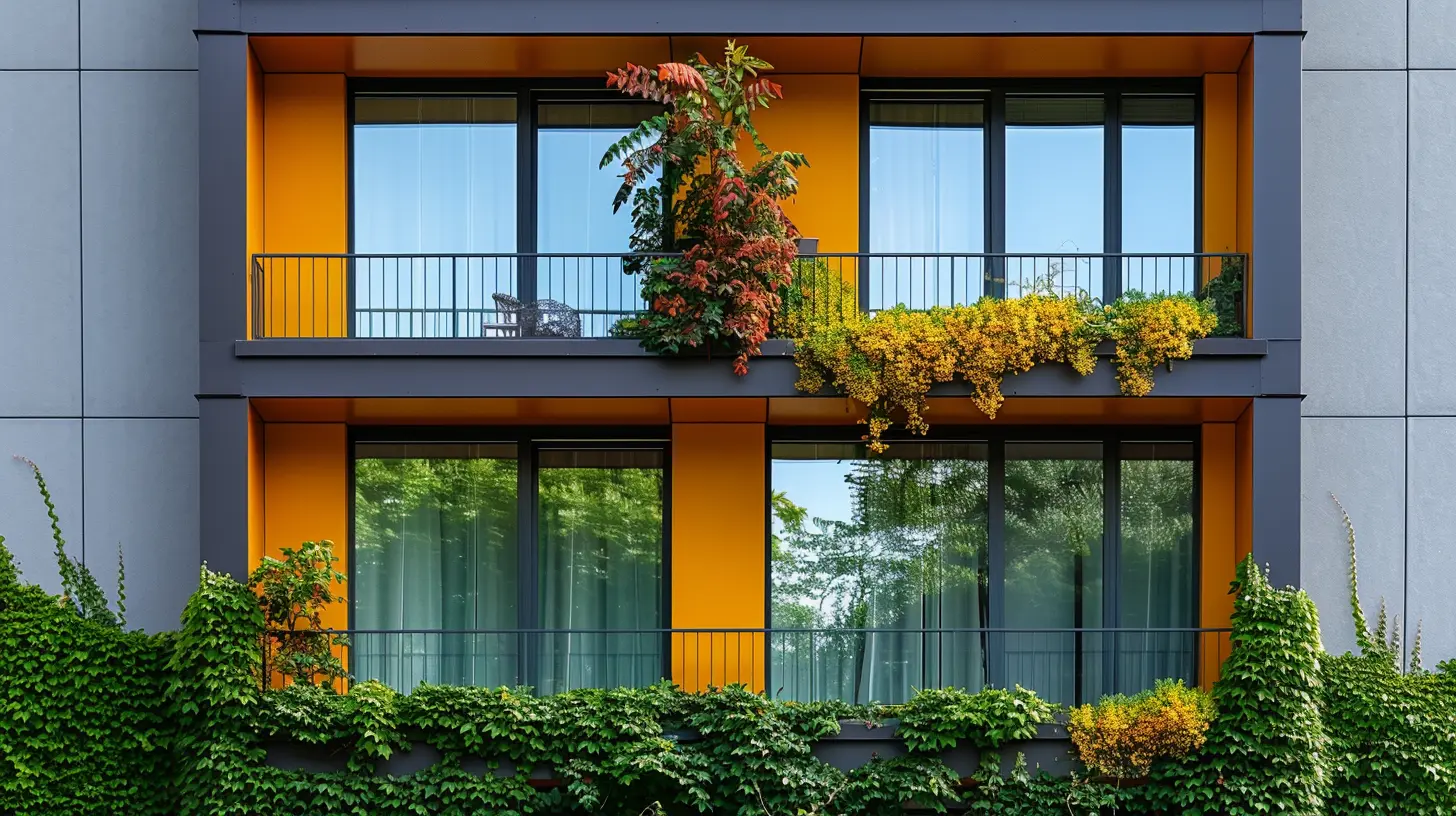
2. Eco-Friendly = Future-Proof Investment
Ever heard the saying, “The future is green?” It’s not just a trendy phrase. As governments across the globe tighten environmental regulations and introduce green incentive programs, properties that already follow sustainable practices are ahead of the curve.Multifamily developments built with green in mind are more likely to meet future compliance standards. That means less retrofitting down the line and less financial headache. Think of green buildings as the Teslas of real estate—sleek, efficient, and future-ready.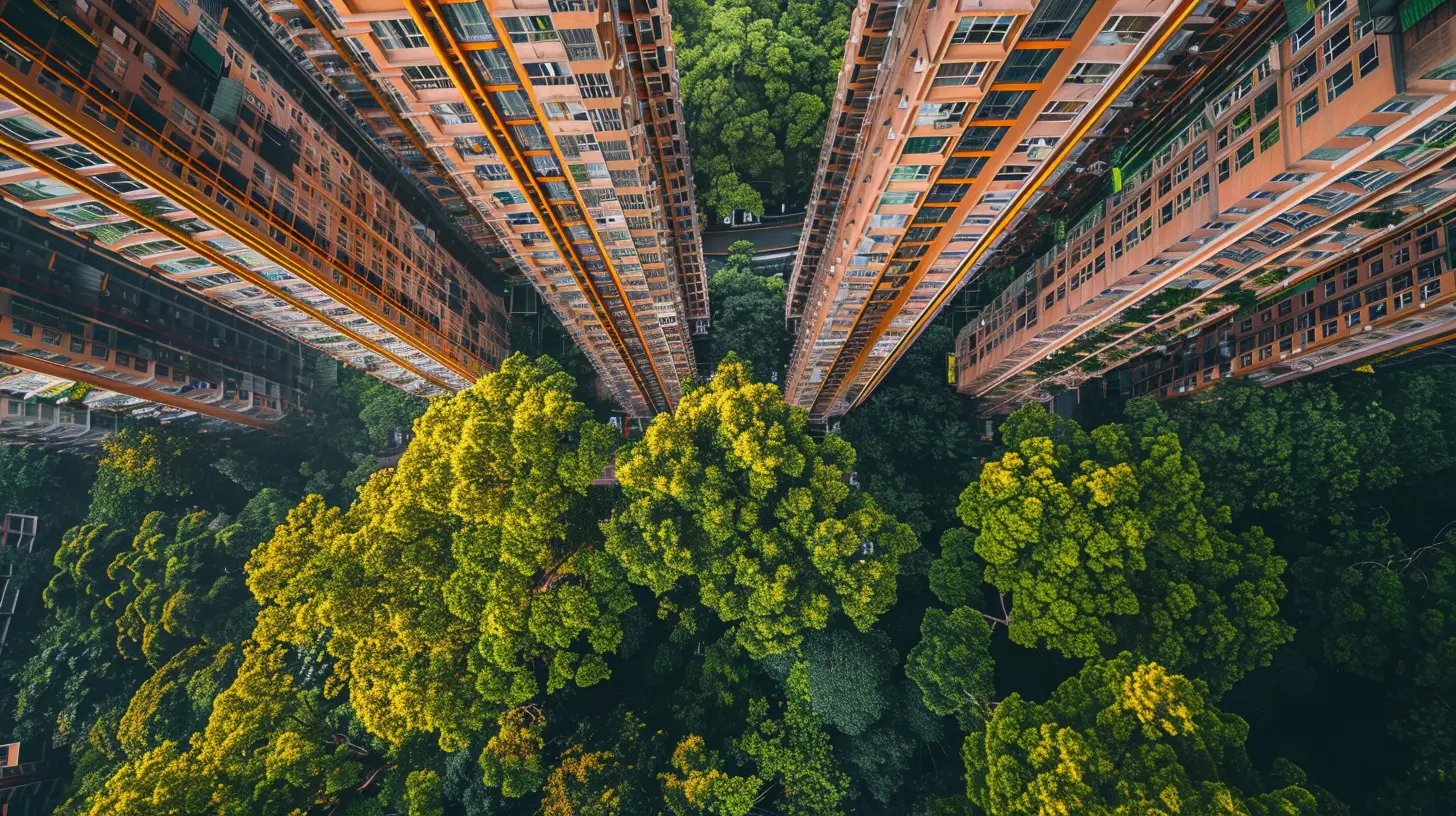
3. Better Air Quality = Healthier Tenants
You can’t see it, but the air around you plays a massive role in how you feel.Green buildings use non-toxic, low-VOC (volatile organic compound) paints, adhesives, and materials. They also often include high-quality ventilation systems that bring in fresh air and reduce indoor pollutants.
Result? Fewer allergy issues, less exposure to harmful chemicals, and overall healthier living. Healthier tenants mean lower turnover, fewer complaints, and a better reputation for the property. It’s a domino effect of wellness and positivity.
4. Higher Property Value and Marketability
Here’s the truth: green buildings sell and lease faster.Why? Because people want them. Tenants are becoming more eco-conscious, and many are willing to pay a premium for better air, lower bills, and a smaller carbon footprint.
So if you’re a developer or an investor, think about this—properties with green certifications (like LEED or ENERGY STAR) typically appraise higher and attract more interest. They also tend to hold their value better over time.
Smart developers treat sustainability as a marketing tool—and it works.
5. Increased Tenant Retention
We’ve all moved at least once (okay, probably more), and let’s be honest—it’s a hassle. So when tenants find a building that’s clean, cost-effective, and healthy, they stay put.Green buildings are not just about saving the planet; they enhance quality of life. When residents feel good about their space—its lighting, air, efficiency, and vibe—they’re more likely to renew leases year after year.
That keeps vacancy rates low and cash flow steady. It's like planting a tree that just keeps giving.
6. Access to Incentives and Tax Breaks
Here’s some icing on the green cake—there’s money on the table.State and federal governments want builders to go green, and they're willing to sweeten the deal. Many green multifamily projects qualify for rebates, grants, and tax deductions. Some local utilities even offer incentives for installing energy-efficient appliances or solar energy systems.
These financial perks can significantly reduce construction and operational costs. It’s kind of a no-brainer: build smarter, spend less, and boost returns.
7. Stronger Brand and Reputation
In today’s world, reputation matters—especially in real estate.Owners and developers who champion sustainable building practices quickly earn a reputation as forward-thinking and socially responsible. That kind of brand equity is priceless.
Plus, properties that "walk the talk" resonate with millennials and Gen Z—two tenant groups known for making values-based housing choices. Want a waiting list at your property? Go green.
8. Resilience to Climate Change
Here’s a tough truth—climate change isn’t going away. But green buildings can help mitigate the effects and make properties more resilient.From better insulation that keeps interiors cool during heatwaves to stormwater management systems that reduce flooding risk—green design can protect not just the environment, but the building itself.
Future-proofing isn’t just about tech—it’s about design that adapts and stands strong against environmental shifts. And if you’re building for the long haul, that resilience is gold.
9. Water Efficiency and Conservation
Let’s talk water.Green multifamily buildings often feature low-flow fixtures, drought-resistant landscaping, and even graywater recycling systems. These aren’t just smart—they’re necessary, especially in regions where water is scarce or costs are rising.
Saving water doesn't just help the planet; it seriously slashes the utility bills. And offering sustainable living features makes your property stand out in the market.
10. Enhanced Community Appeal and Quality of Life
You’re not just building units—you’re creating communities.Green buildings often come with eco-conscious amenities like community gardens, bike storage, recycling centers, and natural landscaping. These features encourage a sense of belonging, promote healthier lifestyles, and elevate the overall living experience.
When residents feel proud of where they live, they take better care of it. That leads to a cleaner, happier, and more inviting space for everyone.
The Path Forward: Green Is No Longer Optional
There’s no sugar-coating it: green building isn’t just a trend—it’s the direction the industry is heading, full speed ahead.The benefits of green building practices in multifamily real estate aren’t just feel-good talking points. They’re real, measurable, and transformative. From financial gains to happier tenants to a planet that can breathe a little easier—going green is nothing short of a win-win.
So whether you’re a developer planning your next groundbreaking project, a real estate investor eyeing solid ROI, or a tenant looking for a better living space—green is the way to go.
It’s not just about buildings. It’s about building a better future.
Final Thoughts
In a world where every decision counts, choosing sustainable building practices in multifamily real estate is more than smart—it’s essential. The industry is evolving, and those who adapt early are set to reap the biggest rewards.Green buildings inspire confidence, promote well-being, and deliver long-term value. And here's the kicker—they feel really good to live in and invest in.
So let's build better. Let's build green.
all images in this post were generated using AI tools
Category:
Multifamily PropertiesAuthor:

Vincent Clayton
Discussion
rate this article
2 comments
Patrick Lewis
Green building practices enhance sustainability, reduce costs, and improve tenant satisfaction in multifamily real estate.
December 23, 2025 at 1:29 PM
Vincent Clayton
Thank you for highlighting these key benefits! Green building practices indeed play a crucial role in fostering sustainability, lowering expenses, and enhancing tenant experiences in multifamily properties.
Beth Palmer
Great insights! Sustainability is key.
December 21, 2025 at 4:29 AM
Vincent Clayton
Thank you! I completely agree—sustainability is essential for a healthier future in real estate.