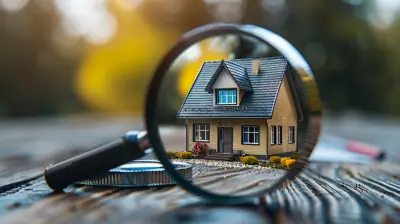
Smart Maintenance Tips for Owners of Historic or Older Homes
25 June 2026
Owning a historic or older home is like having a timeless masterpiece—full of charm, character, and craftsmanship that modern homes often lack. But with that beauty comes responsibility. These homes require special care to maintain their structural integrity and preserve their unique appeal. If you're the proud owner of an old home, here are some smart maintenance tips to help keep your property in top shape. 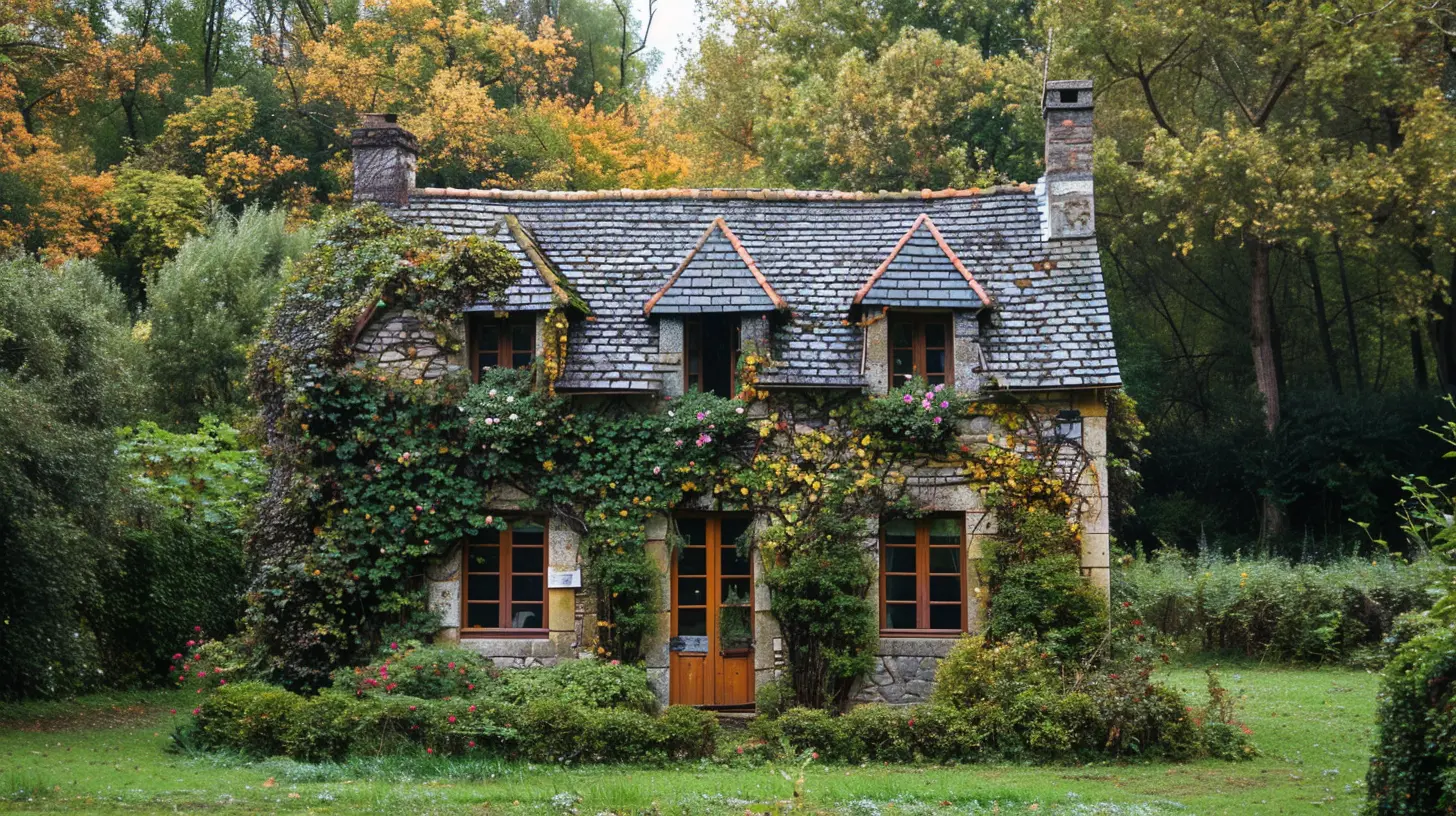
1. Inspect Regularly to Catch Problems Early
One of the biggest mistakes homeowners make is waiting until a problem becomes obvious before addressing it. Small issues, like a tiny roof leak or minor cracks in the foundation, can quickly escalate into costly repairs.What to Check:
- Roof and gutters – Look for missing or damaged shingles and ensure gutters are clear to prevent water damage.- Foundation – Watch for cracks or signs of shifting, which can indicate serious structural issues.
- Windows and doors – Ensure they seal properly to prevent drafts and energy loss.
- Plumbing – Check for leaks, rusted pipes, or signs of moisture damage inside walls.
A simple seasonal home inspection can save you thousands in unexpected repairs. 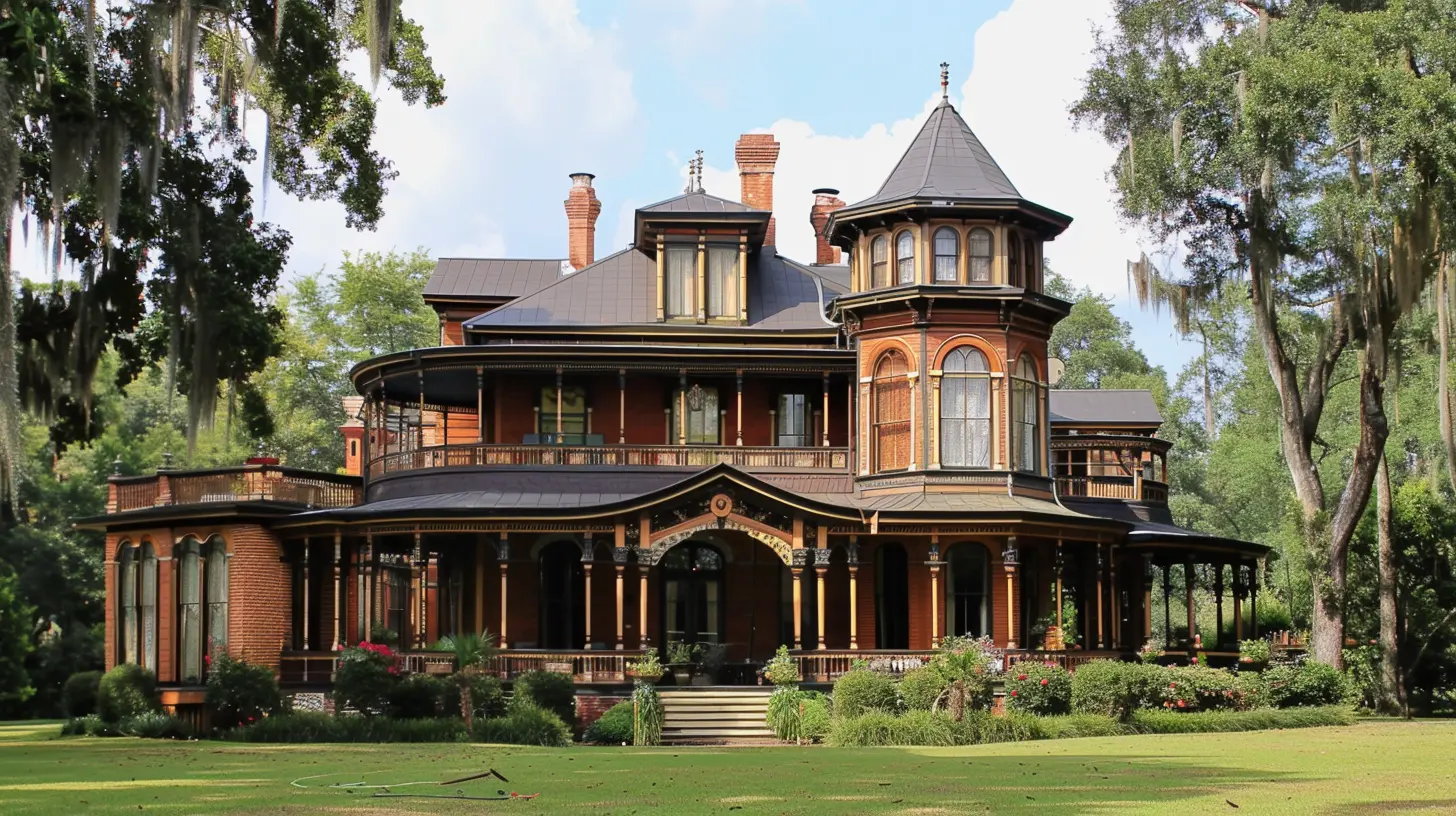
2. Maintain the Roof to Prevent Leaks
The roof is your home’s first line of defense against the elements. Older homes often have slate, tile, or cedar shake roofs, which require special care.Roof Maintenance Tips:
- Have a professional inspect your roof annually for damage.- Replace missing or broken shingles immediately to prevent leaks.
- Keep gutters clean to avoid water pooling and foundation damage.
- Avoid walking on old roofs, as they may be fragile and prone to cracking.
A neglected roof can lead to mold, rot, and costly structural issues—so don’t overlook this crucial part of maintenance. 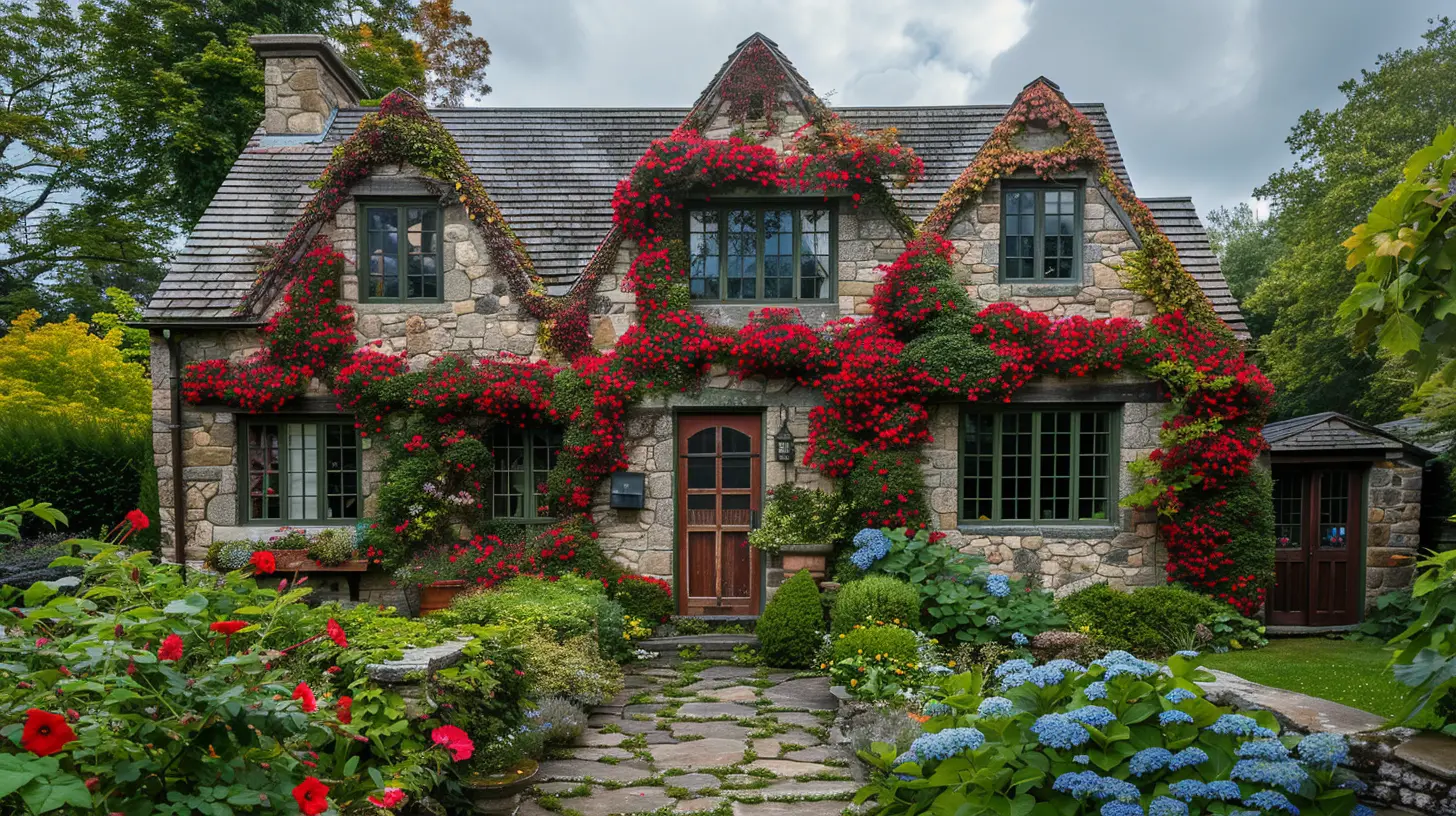
3. Preserve Original Windows Instead of Replacing Them
Many homeowners assume replacing old windows with modern ones will improve energy efficiency. While that’s partly true, historic windows were built with high-quality materials that often last far longer than today’s mass-produced ones.How to Maintain Old Windows:
- Caulk and weatherstrip to improve insulation.- Repaint and repair wooden frames to prevent rot.
- Consider adding storm windows instead of replacing originals—they improve insulation without compromising aesthetics.
Historic windows add a touch of authenticity to your home, and with regular maintenance, they can last another century! 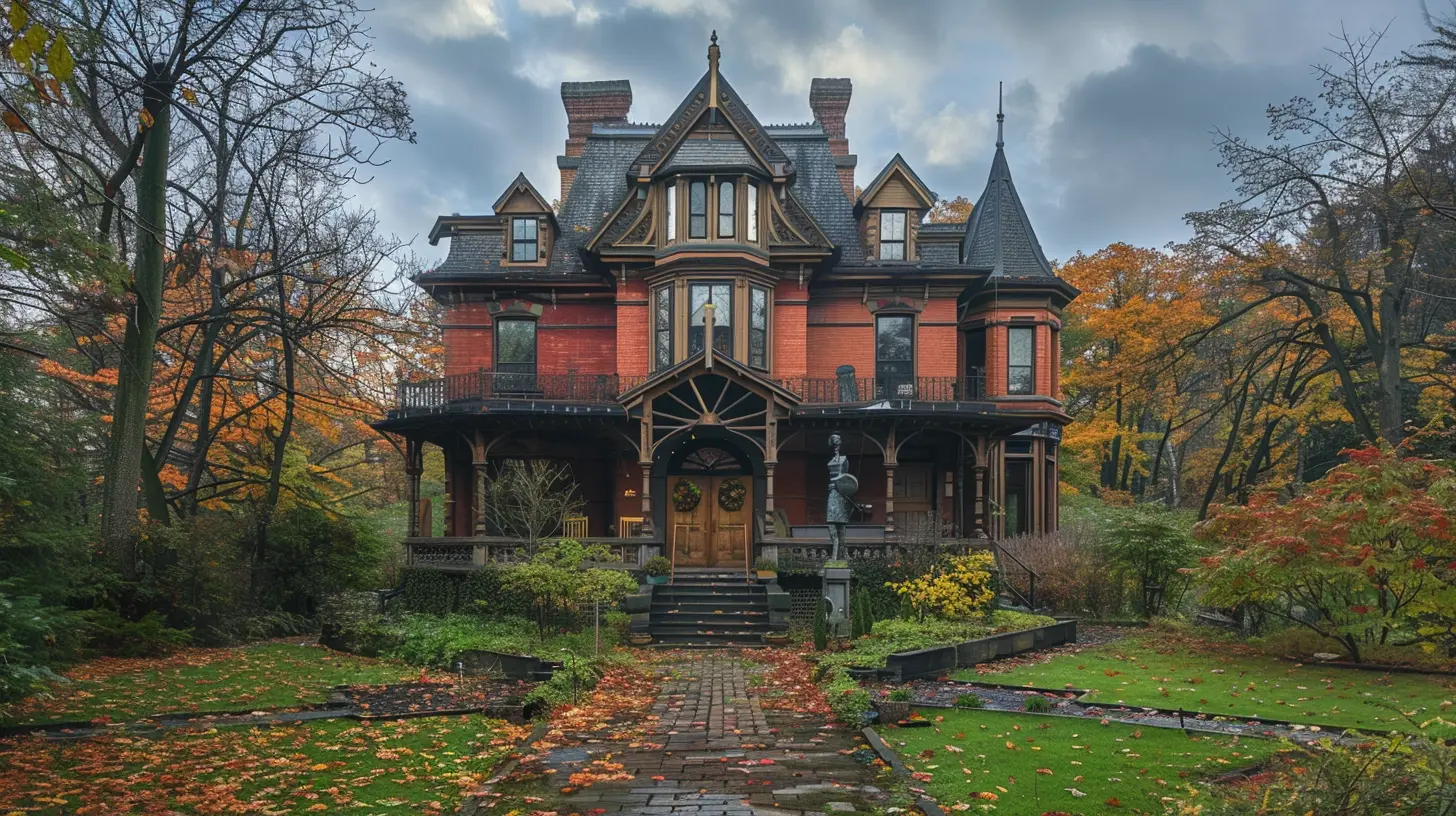
4. Monitor and Upgrade Electrical Systems
Older homes weren’t built to accommodate modern electrical loads, making outdated wiring a common issue. If your home still has knob-and-tube wiring or aluminum wiring, upgrading it should be a top priority for safety reasons.Signs Your Electrical System Needs an Upgrade:
- Frequent breaker trips or blown fuses- Flickering lights or buzzing sounds from outlets
- Old two-prong outlets instead of grounded three-prong ones
- Outlets or light switches that feel warm when touched
Hiring a licensed electrician to assess and upgrade your system ensures that your home is both safe and energy-efficient.
5. Protect and Maintain Wooden Features
One of the most stunning aspects of older homes is their intricate woodwork—whether it's original hardwood floors, ornate trim, or hand-carved staircases. However, wood is prone to wear over time.Best Practices for Preserving Woodwork:
- Keep humidity levels stable (around 30-50%) to prevent cracking or warping.- Use gentle, non-abrasive cleaners on wood surfaces to avoid stripping finishes.
- Apply a fresh coat of paint or sealant every few years to protect exterior wood from moisture and pests.
Properly maintained woodwork enhances the historic charm of your home while preventing costly repairs down the road.
6. Address Plumbing Issues Before They Worsen
Many older homes still rely on outdated plumbing materials such as galvanized steel or cast iron pipes, which can corrode over time. This can lead to leaks, reduced water pressure, and even burst pipes.Signs Your Plumbing Needs Attention:
- Low water pressure in sinks or showers- Rust-colored water, indicating corrosion in pipes
- Slow drains or frequent backups
- Unusual water stains on ceilings or walls
Upgrading pipes to copper or PEX can improve water flow and prevent potential disasters.
7. Keep an Eye on Your Home’s Foundation
A solid foundation is essential for any home, but older homes can develop foundation issues over time due to settling, moisture damage, or shifting soil.Foundation Red Flags:
- Cracks in walls, especially around doors and windows- Uneven or sloping floors
- Doors that won’t close properly
- Water pooling near the foundation after rain
To prevent foundation problems, make sure water drains away from your home, keep the soil around the foundation from drying out too much, and consult a specialist if you notice structural warning signs.
8. Maintain Proper Ventilation to Prevent Moisture Issues
Older homes weren’t built with modern HVAC systems, so proper ventilation is crucial to prevent mold and mildew.How to Improve Ventilation:
- Install exhaust fans in bathrooms and kitchens to reduce humidity.- Keep attic spaces ventilated to prevent roof rot.
- Open windows regularly to improve air circulation.
- Use dehumidifiers in damp areas like basements.
Preventing excess moisture will keep your home’s structure intact and improve indoor air quality.
9. Be Mindful of Lead Paint and Asbestos
If your home was built before 1978, there’s a good chance it contains lead paint or asbestos, both of which can be hazardous when disturbed.Safe Handling Tips:
- Never sand or scrape old paint without testing for lead first.- If your home has asbestos (often found in insulation, flooring, or popcorn ceilings), consult a professional before making modifications.
- Consider encapsulation (sealing) rather than removal if the materials are in good condition.
Health hazards aside, handling these materials properly ensures your home retains its historic value.
10. Work with Professionals Who Specialize in Historic Homes
While DIY projects can be tempting, some repairs and renovations require expert knowledge—especially when working with antique materials or structural integrity.When to Hire a Pro:
- Restoring intricate woodwork, plaster, or masonry- Electrical and plumbing upgrades
- Roof repairs requiring specialized materials
- Structural reinforcement or foundation work
Working with experienced professionals will maintain the integrity of your home while ensuring repairs are done correctly.
Final Thoughts
Owning a historic or older home is a labor of love. While they require extra maintenance and care, the payoff is a home that stands as a piece of history—one with character, charm, and irreplaceable craftsmanship. By staying on top of regular maintenance, using the right materials, and knowing when to call in an expert, you can preserve your home’s beauty for generations to come.all images in this post were generated using AI tools
Category:
Property MaintenanceAuthor:

Vincent Clayton
Discussion
rate this article
1 comments
Kaitlin Kline
Maintaining a historic home requires a thoughtful approach. Regular inspections, appropriate repairs, and using period-appropriate materials can preserve both the structure and character, ensuring its longevity for future generations.
June 30, 2026 at 3:47 AM