Reverse Mortgages for Homeowners with Disabilities
15 March 2026
Let’s be real—life throws curveballs when you least expect them. Whether it’s an unexpected medical diagnosis, an accident, or a condition you were born with, living with a disability changes how you navigate the world, especially when it comes to your home and finances.
Now, owning a home is already a massive accomplishment. But maintaining it and budgeting for long-term care or accessibility upgrades? That can get pricey—fast. That’s where reverse mortgages step in as a pretty interesting, sometimes even life-changing, financial solution. And for homeowners with disabilities? They can be a downright game-changer.
So grab a cup of coffee, settle in, and let’s break down what reverse mortgages really are, how they work, and why they might just be the financial tool you didn’t even know you needed.
What Is a Reverse Mortgage, Anyway?
Alright, let’s keep this simple and jargon-free.A reverse mortgage is like borrowing money from your home's equity, but instead of you making payments to the bank, the bank pays you. It’s only available to homeowners aged 62 and older (or a non-borrowing spouse who meets certain criteria), and it lets you tap into the equity you’ve built up in your home over the years.
Think of it like this: Your house has been working for you quietly in the background, building value. A reverse mortgage lets you cash in on that value without selling your home or moving out. Sounds pretty sweet, right?
How It Differs from a Traditional Mortgage
In a traditional mortgage, you borrow money to buy a home and pay it back monthly. But with a reverse mortgage:- You don’t make monthly payments.
- You stay in your home.
- The loan gets repaid when you move out permanently, sell the home, or pass away.
Kind of like your house paying you rent. Finally, right?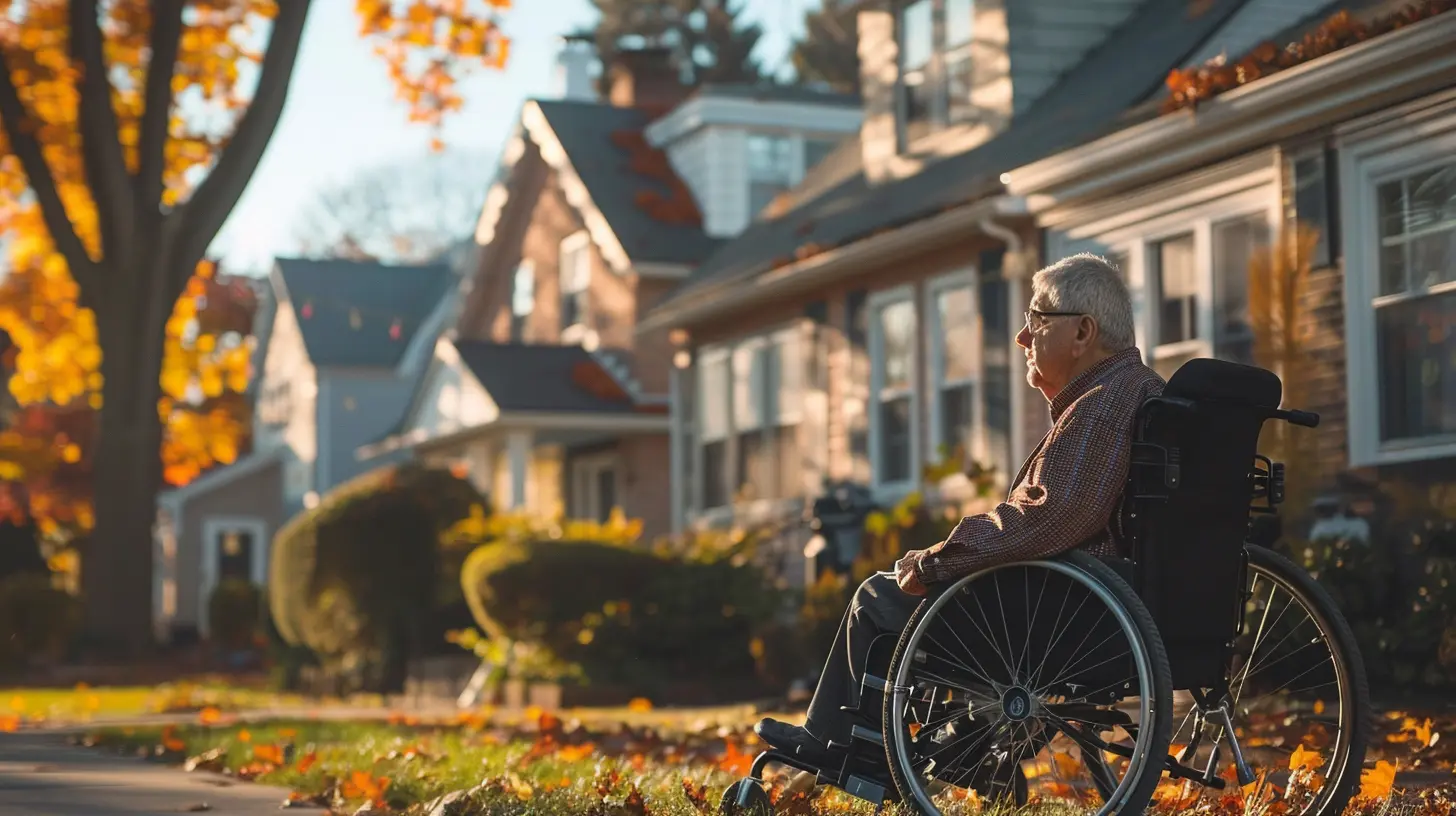
Why Reverse Mortgages Make Sense for Homeowners with Disabilities
Now let’s dig into the heart of the matter.Living with a disability can introduce a variety of challenges—medical bills, assistive devices, home modifications (ramps, stairlifts, widened doorways—you name it). All of these things cost money, and often a lot of it. For homeowners on a fixed income or those who may not be able to work full-time, budgeting for these expenses can feel overwhelming.
1. Access to Liquid Cash Without Selling Your Home
Selling your house and downsizing isn’t always realistic—or emotionally appealing. Your home is your safe space, your comfort zone. Maybe it's been in the family for years. And let’s face it, moving can be a logistical and emotional nightmare, especially if mobility is a factor.With a reverse mortgage, you can stay put and still access funds to cover:
- Medical treatments or therapies
- In-home caregivers or personal assistants
- Accessibility renovations
- A more comfortable lifestyle overall
2. No Monthly Mortgage Payments
That's not a typo. Once you tap into a reverse mortgage, you’re not required to make monthly payments on that loan. For someone living on disability income or Social Security, that’s like lifting a boulder off your monthly budget.3. Tailored Disbursement Options
You can choose how you’d like to receive your funds:- As a lump sum upfront
- As a line of credit (you draw it when you need it)
- As monthly payments (like a paycheck)
- Or a combo of these.
You control the flow, which is key when your income needs to be flexible.
Eligibility: Who Can Qualify?
To be eligible for a reverse mortgage, there are a few checkboxes to tick:- Be 62 years of age or older
- Own your home outright or have a low mortgage balance
- Live in the home as your primary residence
- Stay current with property taxes, insurance, and home maintenance
- Complete a HUD-approved counseling session
Notice that your disability status doesn’t disqualify you. That’s right! You don’t have to jump through extra hoops because of it, which is kind of refreshing.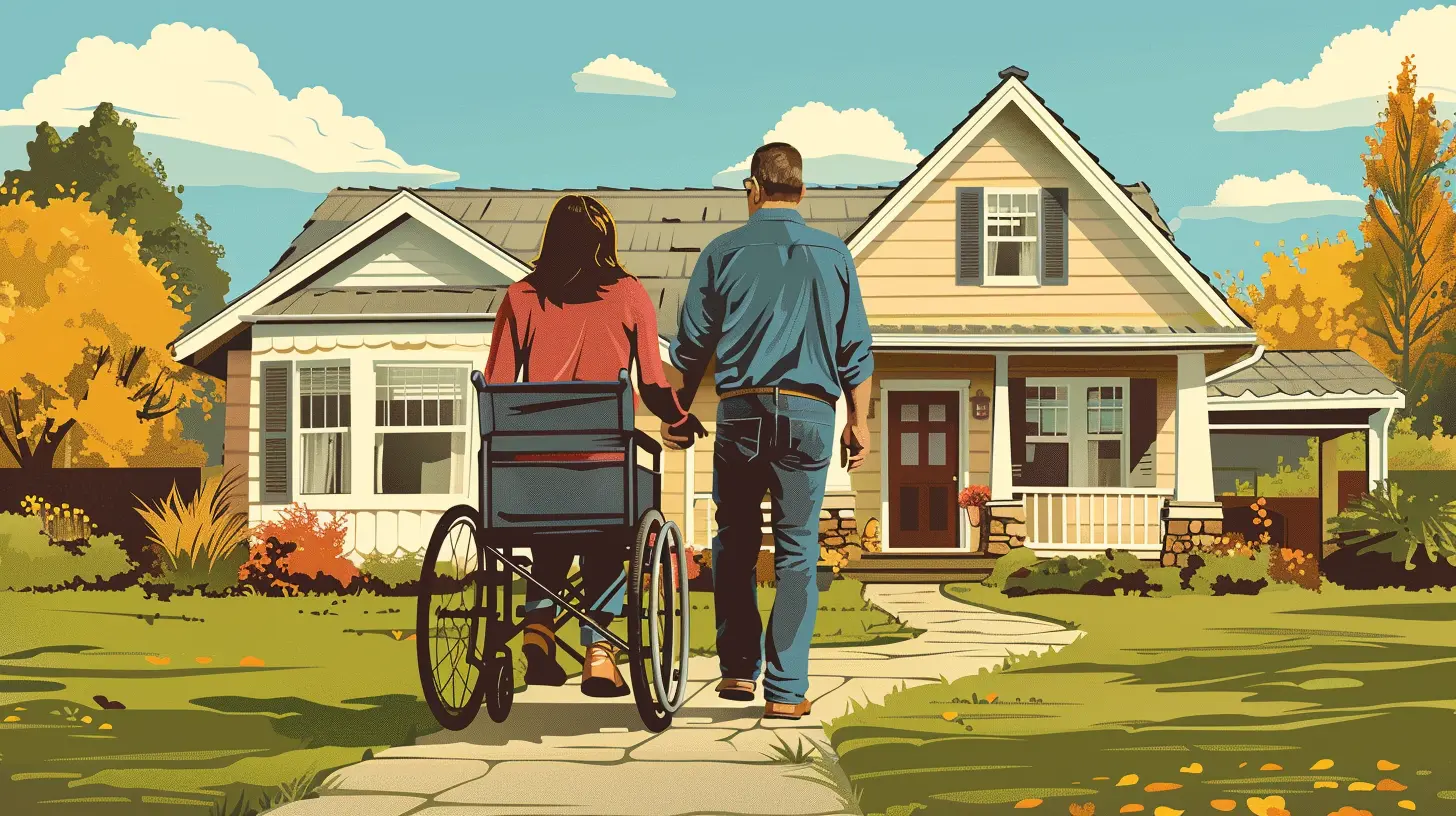
What Types of Reverse Mortgages Are There?
You’ve got options, and that’s always a good thing.1. Home Equity Conversion Mortgage (HECM)
This is the most popular type and it’s federally insured by the FHA. It comes with some pretty helpful consumer protections and flexible payment plans, making it a great fit for homeowners with disabilities.2. Proprietary Reverse Mortgages
Offered by private lenders, these can offer higher loan limits, especially if your home is worth a lot. They’re not backed by the federal government, though, so read the fine print twice.3. Single-Purpose Reverse Mortgages
Usually offered by nonprofits or local government agencies, these are limited in how you can use the funds—typically for specific home improvements or property taxes. These might be small but mighty if you're just looking to fund a single project like installing an elevator or accessible bathroom.What Can the Money Be Used For?
This part’s exciting. You’re not boxed into using the money a certain way. Here’s just a taste of where those funds could go:- Wheelchair ramps and automatic door openers
- Bathroom renovations (hello, roll-in showers!)
- Kitchen modifications for ease of access
- Buying medical equipment or assistive devices
- Hiring home health aides or caregivers
- Everyday expenses—groceries, bills, even hobbies
It’s your money, unlocked from your equity, so you call the shots.
But What About the Risks?
Let’s keep it 100. Reverse mortgages aren’t a fairy tale solution.1. Reduced Inheritance
Since the loan gets repaid when you sell the home or pass away, it could reduce what your heirs receive. But hey, your kids might prefer you living comfortably now rather than inheriting later.2. Potential for Foreclosure
If you don’t keep up with home maintenance, property taxes, or insurance, you could technically default. But with proper planning, this is totally avoidable.3. It’s a Long-Term Commitment
Reverse mortgages work best if you plan to stay in your home long-term. If you move out within a few years, the upfront costs might outweigh the benefits.Bottom line? It’s not free money, but it’s money that can work for you if you use it wisely.
Tips for Homeowners with Disabilities Considering a Reverse Mortgage
Thinking a reverse mortgage could be in your future? Here’s a quick checklist to keep handy:✅ Speak with a HUD-Approved Counselor
This is actually required for HECM loans, but it’s also just plain smart. They’ll walk you through your options, rights, and responsibilities.✅ Consult a Disability Financial Specialist
Seriously. Someone who understands both reverse mortgages and the nuances of living with a disability can help you make the most informed decision.✅ Review Government Assistance Impacts
Getting a reverse mortgage won’t impact Medicare or Social Security, but it could affect Medicaid or SSI eligibility. Talk to a benefits expert to play it safe.✅ Involve Your Family
Even if it’s just to keep them in the loop, explaining your decision can prevent confusion or resentment down the line.Real Talk: Is It Worth It?
Let’s say you’re a 68-year-old homeowner who uses a wheelchair and wants to remodel your bathroom to make it fully accessible. Your fixed income barely covers monthly expenses, and you’d rather cut off Netflix than take on a new loan payment.A reverse mortgage would let you stay in your home, add that roll-in shower and grab bars, maybe even pay for a part-time caregiver—without stressing about monthly payments. For many people, that’s priceless.
But again, it’s not for everyone. If you’re planning to move soon, have other robust streams of income, or don’t want to reduce your home’s equity for heirs, it might not make sense.
Alternatives to Consider
Before jumping in feet-first, look at a few other options too:- Home equity loans or lines of credit – You’ll have to make payments, but they might come with lower fees.
- Property tax deferral programs – Some states offer relief for homeowners with disabilities.
- Local grant programs for accessibility upgrades – Free money is always worth a look.
- Shared housing or renting out a portion of your home – Could bring in extra income.
It's all about weighing the pros and cons based on your personal situation.
Final Thoughts
At the end of the day, navigating life with a disability comes with enough challenges. Your home—your sanctuary—shouldn’t be one of them. A reverse mortgage can offer stability, dignity, and independence. It’s not just about tapping into home equity—it’s about unlocking possibilities that let you live your best life, right where you are.Whether you're hoping to fund accessibility upgrades, reduce financial stress, or simply enjoy retirement with a bit more ease, a reverse mortgage might be the missing puzzle piece you’ve been looking for.
And hey, if nothing else, now you know what reverse mortgages are all about—and that’s a win in itself.
all images in this post were generated using AI tools
Category:
Reverse MortgagesAuthor:

Vincent Clayton
Discussion
rate this article
2 comments
Helen Blair
Reverse mortgages for homeowners with disabilities? Talk about a financial lifeline! Embrace your independence, cash in your equity, and let your home work for you. Who said you can’t thrive in style? 💁♀️✨
March 25, 2026 at 3:56 AM
Vincent Clayton
Thank you for highlighting the benefits! Reverse mortgages can indeed provide crucial financial support and enhance independence for homeowners with disabilities, allowing them to thrive in their own homes.
Damon McMillen
Thank you for shedding light on such an important topic! Reverse mortgages can be a valuable resource for homeowners with disabilities, providing financial flexibility and support. I appreciate the insights shared in this article and look forward to learning more about this option.
March 23, 2026 at 1:43 PM
Vincent Clayton
Thank you for your thoughtful comment! I'm glad you found the article helpful and appreciate your interest in this important topic.