Reverse Mortgages: A Key to Aging Gracefully in Your Own Home
19 May 2026
Aging is a part of life, and for many, the dream is to stay in their own home, surrounded by familiar comforts. But as retirement sets in, so do financial concerns. What if there was a way to tap into the value of your home without having to sell it or move out? That’s where a reverse mortgage comes in.
If you're a homeowner over 62, this financial tool could be the key to maintaining your independence while securing the funds you need. But is a reverse mortgage the right choice for you? Let’s break it down in simple terms, so you can make an informed decision.
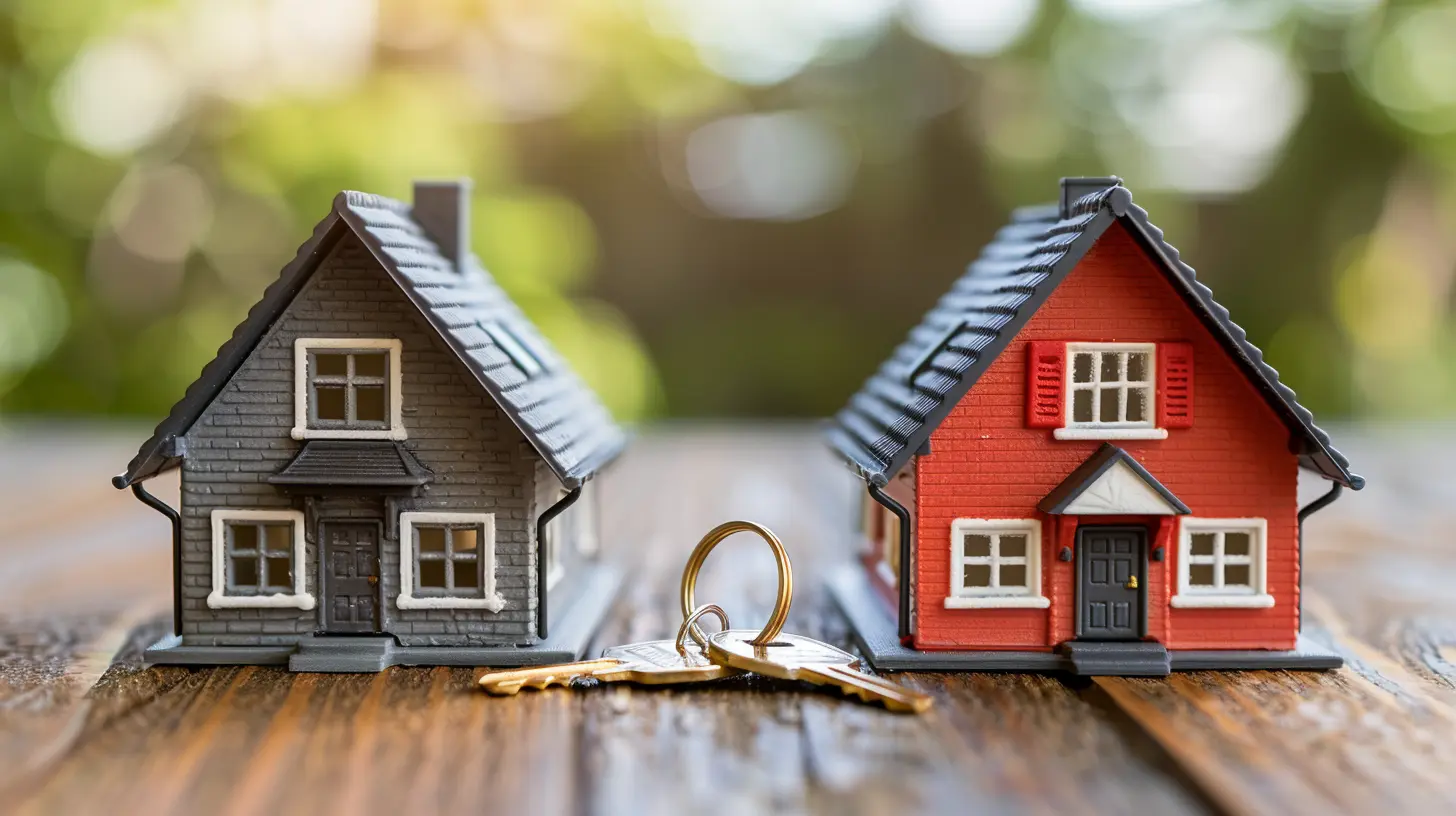
What Is a Reverse Mortgage?
A reverse mortgage is a loan designed for homeowners aged 62 and older. Unlike a traditional mortgage where you make monthly payments, a reverse mortgage allows you to convert part of your home equity into cash—without having to sell your home or take on additional monthly bills.Essentially, the lender pays you instead of the other way around. Sounds too good to be true? Well, it does come with conditions, and understanding them is crucial before signing on the dotted line.

How Does a Reverse Mortgage Work?
Here’s how it works in the simplest terms:1. You Stay in Your Home – You don’t have to move or sell your house.
2. You Get Paid – Based on your home’s value, age, and interest rates, the lender gives you money, either as a lump sum, monthly payments, a line of credit, or even a combination.
3. No Monthly Payments – Unlike traditional loans, you don’t have to make monthly payments. The loan balance grows over time instead.
4. Repayment Happens Later – The loan is repaid when you sell the house, move out permanently, or pass away. At that point, the proceeds from the home sale usually go toward paying back the loan.
It’s a way of accessing cash without losing your home, but it’s not free money—interest accumulates over time.

Who Qualifies for a Reverse Mortgage?
Not everyone can get a reverse mortgage. Here are the basic requirements:- You must be at least 62 years old
- Your home must be your primary residence
- You should have significant equity in your home (meaning you either own it outright or have a very small mortgage balance left)
- You must keep up with property taxes, homeowners insurance, and maintenance costs
If you meet these criteria, you might be eligible. However, before jumping in, it’s essential to weigh the pros and cons.

The Benefits of a Reverse Mortgage
There are several advantages to choosing a reverse mortgage:1. Financial Flexibility
A reverse mortgage provides cash flow without increasing expenses. Whether you need extra money for medical bills, home improvements, or daily living expenses, it’s a convenient way to access funds.2. Stay in Your Home
One of the biggest fears retirees face is losing their home due to financial strain. A reverse mortgage allows you to stay put while tapping into your home's value.3. No Monthly Mortgage Payments
Since you don’t have to make monthly loan payments, it frees up your budget for other important things. However, you’re still responsible for taxes, insurance, and maintenance.4. Tax-Free Income
The money you receive from a reverse mortgage is not considered taxable income, giving you more financial breathing room compared to taking money from a 401(k) or IRA (which may come with tax implications).5. Protection for You and Your Heirs
Reverse mortgages are non-recourse loans, meaning neither you nor your heirs will owe more than the home’s value when the loan is repaid. Even if the market crashes and your home loses value, the reverse mortgage won't leave your family in debt.The Drawbacks of a Reverse Mortgage
While a reverse mortgage sounds great on paper, it’s not perfect. Here are some downsides to consider:1. Your Loan Balance Grows Over Time
Since you aren’t making payments, interest and fees continue to accumulate. Over time, the loan amount increases, reducing the equity you leave behind for your heirs.2. You Must Maintain the Home and Pay Taxes
If you fail to pay your property taxes, homeowners insurance, or keep up with maintenance, you could risk foreclosure. That’s right—you can still lose your home if you don’t meet the lender’s requirements.3. It Can Be Costly
There are upfront fees involved, including loan origination fees, closing costs, and mortgage insurance. These costs can eat into the amount you receive from the loan.4. Affect on Government Benefits
While a reverse mortgage won’t impact Social Security or Medicare, it could affect need-based programs like Medicaid. If you plan to apply for income-based benefits, access to extra cash might disqualify you.5. Complications for Your Heirs
When you pass away or move out, the loan comes due. Your heirs will need to decide whether to sell the home, pay off the balance, or refinance. If they want to keep the house, they’ll have to repay the loan—which could be tough if the balance has grown substantially.
Is a Reverse Mortgage Right for You?
A reverse mortgage works well for some people but not for others. Here are a few factors to consider:- If you plan to stay in your home long-term, a reverse mortgage could be a good option.
- If your home is in good condition and you're confident you can keep up with taxes and maintenance, this could provide extra financial security.
- If you have heirs that want to inherit the home, you’ll need to discuss how the loan could impact them.
- If you have other financial options—like downsizing or taking out a home equity line of credit (HELOC)—it’s worth exploring alternatives.
Alternatives to a Reverse Mortgage
Before making a decision, consider other ways to free up cash in retirement:- Downsizing – Selling your home and moving to a smaller, more affordable place can free up equity without debt.
- Home Equity Loan or HELOC – If you still have income, you might qualify for a traditional home equity loan.
- Government Assistance Programs – Depending on your situation, government aid or nonprofit programs may help cover expenses.
- Renting Out a Portion of Your Home – Turning part of your home into a rental unit could provide extra income without taking on debt.
Final Thoughts
A reverse mortgage isn’t a one-size-fits-all solution, but for the right homeowner, it can be a powerful way to stay financially secure while aging in place. Before making a decision, talk to a financial advisor and consider discussing the option with your family.Your home is more than just walls and a roof—it’s a place filled with memories and comfort. A reverse mortgage might help you keep that stability, but it’s essential to understand the fine print before committing.
Would a reverse mortgage help you age gracefully in your own home? Only you can decide. But now, at least, you have the knowledge to make an informed choice.
all images in this post were generated using AI tools
Category:
Reverse MortgagesAuthor:

Vincent Clayton
Discussion
rate this article
2 comments
Blair Green
Reverse mortgages can be a smart option for seniors looking to tap into their home equity. They provide financial flexibility and allow homeowners to age in place. However, it's crucial to understand the terms and potential downsides. Always consult with a trusted advisor before making any decisions.
July 28, 2026 at 3:40 AM
Emily Benson
This article highlights an important aspect of aging at home. Reverse mortgages can provide financial flexibility, allowing older homeowners to tap into their equity without selling. It's a valuable option for those looking to maintain their independence while ensuring their home remains a comfortable, secure space as they age.
May 25, 2026 at 6:53 PM
Vincent Clayton
Thank you for your insights. I'm glad you found the article highlights valuable. Reverse mortgages can indeed play a crucial role in supporting independence and comfort at home.