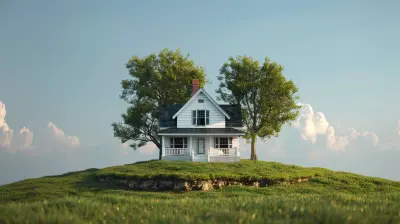
Real Estate Photography Editing Techniques That Sell Homes
15 February 2026
When it comes to selling a home, first impressions matter—a lot. And in today’s digital era, where buyers browse listings online before stepping foot into a property, high-quality real estate photography is a game-changer. But snapping good photos isn’t enough. To make a real estate listing stand out, proper editing is crucial.
So, what makes a home’s photos pop? It’s all about using the right real estate photography editing techniques. Let’s dive into the methods that can turn an ordinary home photo into one that grabs attention and convinces buyers to schedule a showing.
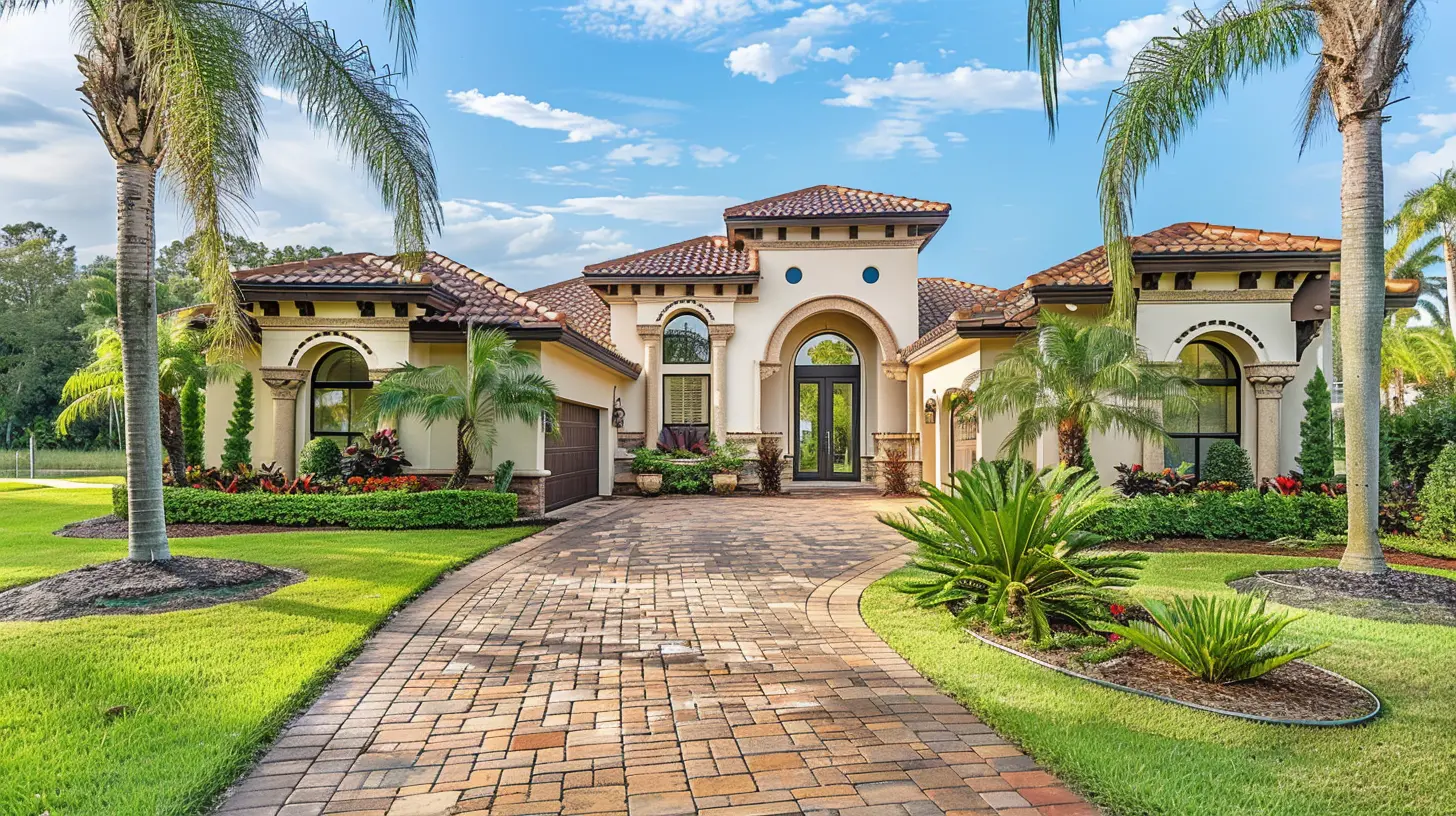
Why Real Estate Photography Editing Matters
Imagine scrolling through a listing, and the photos are dull, poorly lit, or have unattractive color tones. Would you be excited to check out that home? Probably not. Editing helps bring out the best in a property, balancing lighting, correcting colors, and creating a visually compelling experience.Here’s why proper real estate photography editing is essential:
- Attracts more buyers: High-quality images get more clicks and inquiries.
- Highlights a home’s best features: Editing can enhance lighting, remove distractions, and make interiors feel warm and inviting.
- Creates a professional and polished look: An edited photo looks more refined and trustworthy, making the listing more appealing.
Now, let’s break down the key editing techniques that make real estate photos truly shine.
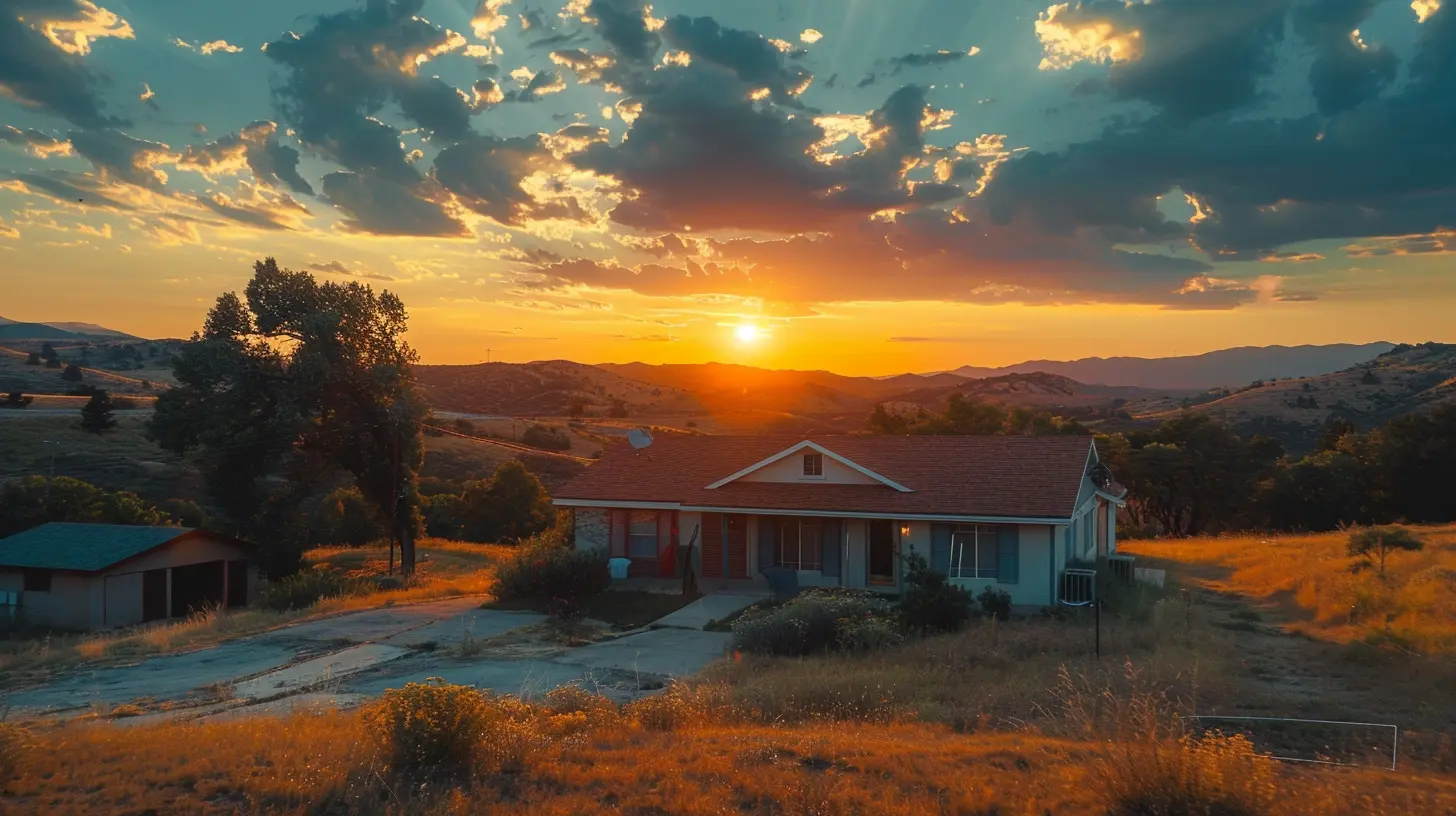
1. Adjusting Brightness and Exposure
One of the quickest ways to enhance a photo is by adjusting brightness and exposure. Natural light plays a big role in real estate photography, but sometimes, even well-lit rooms can appear darker in photos.- Increase exposure to brighten up dark corners.
- Adjust highlights and shadows to create a balanced look.
- Be careful not to overdo it—too much brightness can make images look washed out.
A well-lit photo feels welcoming, making buyers more likely to envision themselves living there.
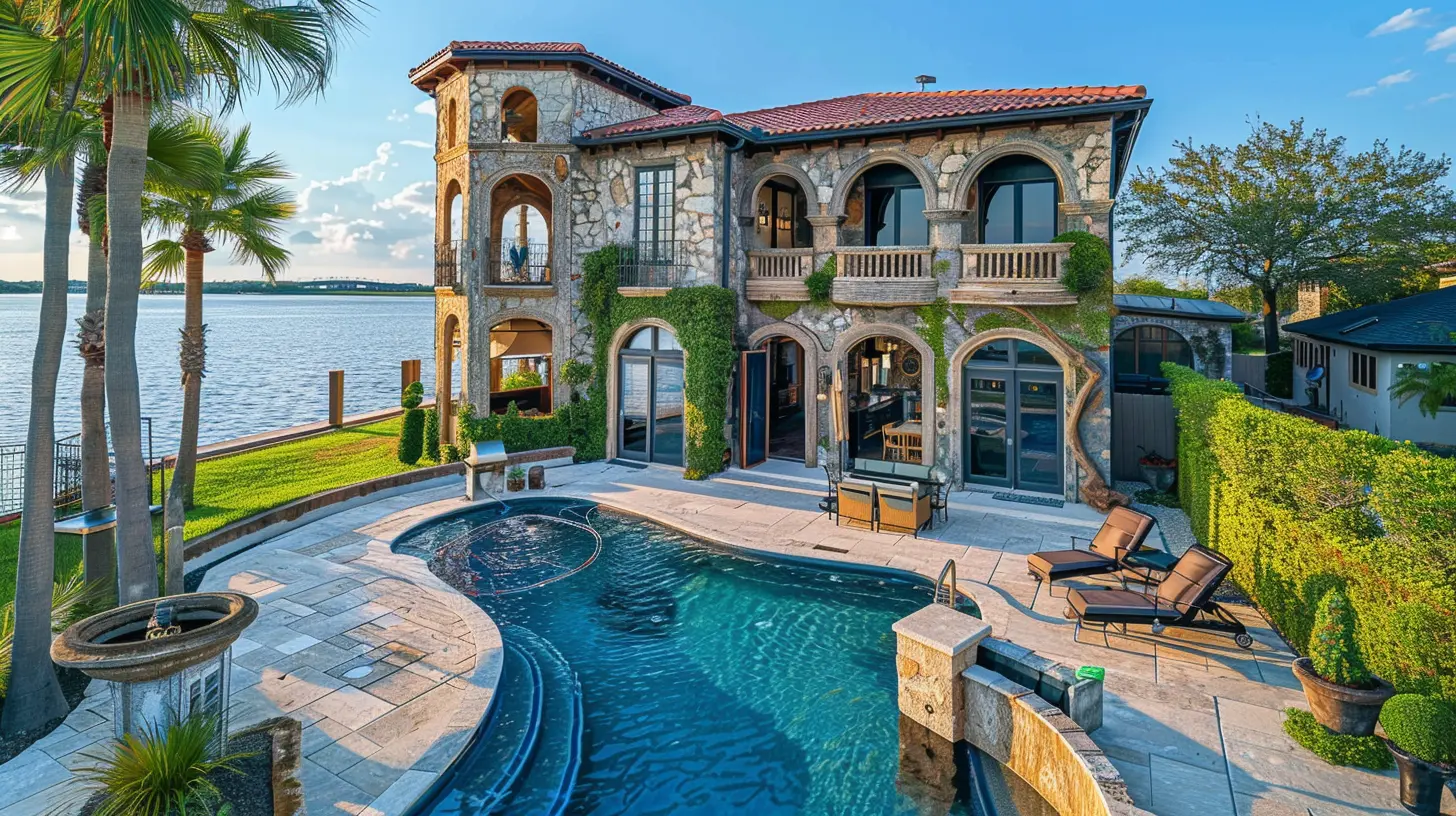
2. Color Correction for Natural Tones
Ever noticed a real estate photo that looks too warm or too cool? That’s because of improper white balance. Correcting colors ensures that the property looks as natural as it does in real life.- Adjust white balance to remove unnatural color casts.
- Remove overly yellow or blue tones caused by artificial lighting.
- Enhance colors subtly—over-saturation can make images look fake.
The goal is to create a photo that represents the home’s true colors, making it look inviting and realistic.

3. Sharpening and Clarity Enhancements
Sharpness is key in photography, especially for real estate images where buyers want to see every detail.- Increase sharpness for crisp, clear lines.
- Apply clarity adjustments to define textures (wood floors, countertops, etc.).
- Avoid excessive sharpening, which can make the image appear artificially harsh.
A sharp, high-definition photo instantly elevates the professional quality of a listing.
4. HDR Blending for Perfect Lighting
Ever seen a real estate photo where the windows look completely white or the interior appears too dark? That’s because cameras struggle to capture both bright and dark areas in one shot.HDR photography (High Dynamic Range) blends multiple exposures to create a well-balanced image.
- Take multiple shots at different exposure levels.
- Merge them using HDR editing software.
- Balance brightness to maintain natural lighting and detail.
HDR ensures that both indoor and outdoor elements look properly lit and natural.
5. Removing Unwanted Objects
A beautiful home photo can be ruined by clutter, electrical cords, or even reflections of the photographer in mirrors. That’s where spot removal and object elimination come into play.- Use cloning and healing tools to remove distractions.
- Get rid of minor imperfections (dust spots, wires, small stains, etc.).
- Keep it realistic—don’t remove permanent elements like walls or structures.
The goal is to present the home as tidy and appealing without misleading potential buyers.
6. Correcting Vertical and Horizontal Alignment
Have you ever noticed real estate photos where door frames or walls appear tilted? That’s a common issue caused by camera angles. Perspective correction ensures that lines remain straight and natural.- Use transform tools to straighten walls and architectural elements.
- Adjust distortion from wide-angle lenses to maintain realism.
- Keep everything level—crooked lines can make a room look odd.
Precision in alignment makes a home feel structurally sound and visually comfortable.
7. Sky Replacement for Stunning Outdoor Shots
Sometimes, an overcast sky can make an exterior photo look dull. That’s why many real estate photographers use sky replacement techniques to add a vibrant blue sky with soft clouds.- Swap out gray skies for a bright, sunny one.
- Keep it natural—avoid overly dramatic skies that look unrealistic.
- Ensure lighting in the sky matches the rest of the image.
A sunny sky makes outdoor shots more inviting, helping buyers imagine the property in the best possible light.
8. Virtual Staging for Empty Homes
Empty rooms can feel cold and uninviting in photos. Virtual staging uses digital furniture and decor to bring life to a space without the need for physical staging.- Add realistic digital furniture to empty spaces.
- Keep designs neutral to appeal to a broad audience.
- Ensure furniture proportions match real-life dimensions.
Virtual staging helps buyers visualize a home’s potential, making it easier for them to connect emotionally with the space.
9. Enhancing Exterior Landscaping
Curb appeal doesn’t just matter in person—it’s a significant factor in online listings too. Editing can enhance landscaping to make a home look well-maintained and attractive.- Brighten lawn and greenery for a fresh look.
- Remove dead patches or imperfections.
- Enhance color saturation slightly to keep it natural.
A polished exterior can instantly boost a listing’s appeal, making buyers eager to see more.
10. Creating a Warm and Inviting Atmosphere
Small edits can make a space feel cozier and more inviting. By adjusting lighting, colors, and ambiance, you can set an emotional tone that resonates with buyers.- Add a slight warmth to lighting for a homey feel.
- Enhance fireplace glows or ambient lighting.
- Subtly boost contrast to define cozy textures like wood and fabrics.
A warm, welcoming vibe makes a house feel like a home, helping buyers imagine themselves living there.
Final Thoughts
Real estate photography is more than just taking pictures—it’s about storytelling. The right edits can transform ordinary photos into eye-catching images that sell homes faster. Whether you’re a professional photographer or a real estate agent, mastering these editing techniques will take your listings to the next level.Remember, the key is balance. Over-editing can make images look fake, while under-editing can make a property seem dull. The best real estate photos are polished yet natural, giving buyers an honest yet visually appealing view of their potential new home.
So, next time you're editing real estate photos, put these techniques into practice. You’ll be surprised at how big of a difference they make!
all images in this post were generated using AI tools
Category:
Real Estate PhotographyAuthor:

Vincent Clayton
Discussion
rate this article
2 comments
Jessica Whitley
Great insights on real estate photography! I’m curious about which editing techniques resonate most with buyers. It's fascinating how the right visuals can transform a property’s appeal. Excited to explore these methods further!
February 19, 2026 at 5:32 AM
Vincent Clayton
Thank you! Key editing techniques that resonate with buyers include enhancing brightness and contrast, correcting color balance, and using HDR to highlight details. These adjustments can significantly elevate a property's visual appeal!
Jillian Miller
Great insights! Effective real estate photography editing can significantly enhance property appeal. Techniques like optimizing lighting, correcting colors, and enhancing details draw potential buyers in, creating a lasting first impression. Investing in professional editing is a game changer for successful home listings.
February 15, 2026 at 12:44 PM
Vincent Clayton
Thank you! I completely agree—professional editing truly elevates property listings and makes a significant difference in attracting buyers.