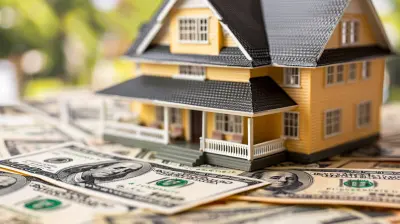
Protecting Your Home with a Reverse Mortgage: Tips for Seniors
3 August 2026
Aging comes with its fair share of challenges, especially when it comes to financial security. If you're a senior homeowner, you might be wondering how to stay financially stable while remaining in the home you love. One option that often pops up in financial discussions is a reverse mortgage—but is it the right choice for you?
In this guide, we'll break down how a reverse mortgage can help protect your home, provide financial relief, and offer some practical tips to ensure you make the best decision for your future. 
What Is a Reverse Mortgage?
A reverse mortgage allows homeowners aged 62 and older to convert a portion of their home equity into cash—without having to sell the home or make monthly mortgage payments. Instead of paying the lender, the lender pays you, either as a lump sum, monthly payments, or a line of credit.The loan is typically repaid when:
1. The homeowner moves out permanently.
2. The homeowner sells the home.
3. The homeowner passes away.
At that point, the home is either sold to pay off the loan, or the heirs can choose to pay off the balance and keep the property. 
How a Reverse Mortgage Can Help Protect Your Home
Many seniors are house-rich but cash-poor. If a large portion of your net worth is tied up in your home, a reverse mortgage can free up cash flow while allowing you to stay in your home. Here’s how it can be beneficial:1. Eliminates Monthly Mortgage Payments
One of the biggest struggles for retirees is managing fixed expenses. If you still have a traditional mortgage, monthly payments can eat into your retirement savings. With a reverse mortgage, you no longer have to make mortgage payments—freeing up extra cash for daily expenses, healthcare, or even travel!2. Allows Aging in Place
Most seniors prefer staying in their own homes rather than moving into an assisted living facility. A reverse mortgage gives you the financial flexibility to afford home modifications, such as:- Installing grab bars and ramps.
- Upgrading bathrooms for safety.
- Hiring home care services when needed.
3. Acts as a Financial Safety Net
Unexpected expenses—like medical bills or home repairs—can drain your savings quickly. A reverse mortgage provides a financial cushion, ensuring that you have funds available when you need them most.4. Protects You from Market Fluctuations
If your retirement savings are tied to investments, market fluctuations can be stressful. Instead of withdrawing from your retirement funds when markets are down, you can tap into your home equity for extra cash flow.
Tips for Using a Reverse Mortgage Wisely
While a reverse mortgage can be a great tool, it’s important to use it wisely. Here are some tips to ensure you get the most out of it while keeping your home secure.1. Understand the Costs Involved
Reverse mortgages come with fees and interest rates, which can add up over time. These may include:- Origination fees
- Appraisal costs
- Closing costs
- Mortgage insurance premiums
Make sure you fully understand the financial implications before moving forward.
2. Use the Funds Strategically
It's tempting to splurge when you suddenly have access to cash, but a reverse mortgage should be used strategically. Consider using the funds for:- Paying off high-interest debt.
- Covering medical expenses.
- Making essential home repairs.
Avoid unnecessary spending so you don’t exhaust your available cash too soon.
3. Keep Up with Property Taxes and Insurance
One common misconception about reverse mortgages is that they cover all home expenses. You’re still responsible for:- Property taxes
- Homeowners insurance
- Home maintenance
If you fail to keep up with these expenses, you could lose your home to foreclosure—so budget accordingly!
4. Discuss with Family and Heirs
A reverse mortgage affects your estate and inheritance. Your heirs will need to either repay the loan balance or sell the home once you’re no longer living there. Have an open conversation with them to ensure they understand your decision and can plan accordingly.5. Choose the Right Payout Option
Reverse mortgages offer different payout options:- Lump sum – Receive all the money at once.
- Monthly payments – Get a steady stream of cash each month.
- Line of credit – Withdraw money as needed.
Consider your financial needs carefully and choose the option that makes the most sense for your situation.
6. Work with a Trusted Financial Advisor
A reverse mortgage is a big financial decision. Work with a trusted financial advisor or a HUD-approved reverse mortgage counselor to ensure you're making a well-informed choice.
Who Should Consider a Reverse Mortgage?
A reverse mortgage isn’t for everyone. It could be a good fit if you:✔️ Want to stay in your home for the long term.
✔️ Have significant home equity.
✔️ Need extra income for retirement.
✔️ Can afford property taxes, insurance, and maintenance.
✔️ Don't plan to leave your home as an inheritance.
However, if you plan to move in a few years or have other financial resources, you might want to explore alternative options first.
Common Misconceptions About Reverse Mortgages
There’s a lot of misinformation surrounding reverse mortgages. Let’s clear up some common myths:❌ You’re selling your home to the bank.
➡️ No! You still own your home—you’re just borrowing against its equity.
❌ You could be forced out of your home.
➡️ As long as you maintain your home and pay property taxes/insurance, you can stay as long as you like.
❌ A reverse mortgage is free money.
➡️ It’s a loan, meaning interest and fees apply. It’s important to use it wisely and understand the long-term costs.
❌ Your heirs won’t get anything.
➡️ Your heirs can still inherit your home, but they’ll need to repay the loan—either by refinancing, selling the home, or using other financial resources.
Final Thoughts
A reverse mortgage can be an excellent tool for seniors looking to protect their home and improve their financial security. It offers a way to stay in your home while accessing much-needed funds for retirement. However, like any financial decision, it’s essential to go in with your eyes wide open.Do your research, consult with professionals, and make sure it aligns with your long-term goals. Most importantly, communicate with your family so everyone is on the same page.
At the end of the day, your home is more than just a house—it’s a place filled with memories, and a reverse mortgage can help you continue cherishing those moments for years to come.
all images in this post were generated using AI tools
Category:
Reverse MortgagesAuthor:

Vincent Clayton