Paying for Home Repairs with a Reverse Mortgage
20 February 2026
Owning a home is a dream for many, but maintaining it can sometimes feel like a never-ending task. Over the years, repairs are inevitable—whether it’s a leaky roof, outdated plumbing, or a heating system that decides to quit on the coldest day of the year. If you're a homeowner over the age of 62 and struggling with the costs of repairs, a reverse mortgage could be the perfect solution to help you maintain and improve your home without adding financial stress.
Let’s dive into how you can use a reverse mortgage to fund home repairs, what you need to know before considering this option, and whether it's the right choice for you.

What is a Reverse Mortgage?
Before we get into how a reverse mortgage can help with home repairs, let’s break down what it actually is.A reverse mortgage is a type of loan available to homeowners aged 62 or older. Unlike a traditional mortgage where you make monthly payments to a lender, a reverse mortgage allows you to convert part of your home’s equity into cash—and you don’t have to repay the loan until you move out, sell the home, or pass away.
It’s essentially a way to access the wealth you've built in your home over the years without having to sell it. For many retirees, this provides financial relief, especially when unexpected home repairs arise.

The Importance of Home Repairs
Your home isn’t just a roof over your head—it’s one of your most valuable assets. Keeping it in good shape ensures that it remains safe, comfortable, and valuable.Some of the most common home repairs seniors face include:
- Roof repairs or replacements – A leaky roof can lead to expensive damage if left unchecked.
- Plumbing issues – Burst pipes or outdated plumbing can quickly become a headache.
- HVAC system updates – A functioning heating and cooling system is crucial for comfort.
- Accessibility modifications – As you age, home adjustments like ramps, stairlifts, or walk-in tubs become necessary.
- Electrical system upgrades – Older wiring can pose a fire hazard and may need updating.
Repairs like these can be costly, and if you’re living on a fixed income, coming up with thousands of dollars for home improvements can feel overwhelming. That’s where a reverse mortgage can help.
Using a Reverse Mortgage for Home Repairs
One of the best things about a reverse mortgage is that you can use the funds however you see fit, including home repairs and renovations. Here’s how it works:1. Accessing Equity Without Monthly Payments
With a reverse mortgage, you tap into your home’s equity to receive a lump sum, monthly payments, or a line of credit—all without making monthly mortgage payments. This allows you to fix urgent issues without draining your savings or tightening your budget.2. Increasing Your Home’s Value
By investing in necessary repairs and upgrades, you’re not just making your home safer and more comfortable—you’re also maintaining (or even boosting) its market value. This ensures that when the time comes to sell, your home will be in great shape for potential buyers.3. Making Your Home More Livable
Home repairs aren’t just about aesthetics—they're about ensuring your home remains a safe and functional space. Whether it’s fixing a sagging foundation or replacing an outdated furnace, these improvements will help you stay in your home longer, comfortably and safely.4. Avoiding Costly Emergency Repairs
Ignoring small issues today can lead to bigger, more expensive problems down the road. A reverse mortgage allows you to tackle repairs proactively, avoiding emergency fixes that could cost you even more in the future.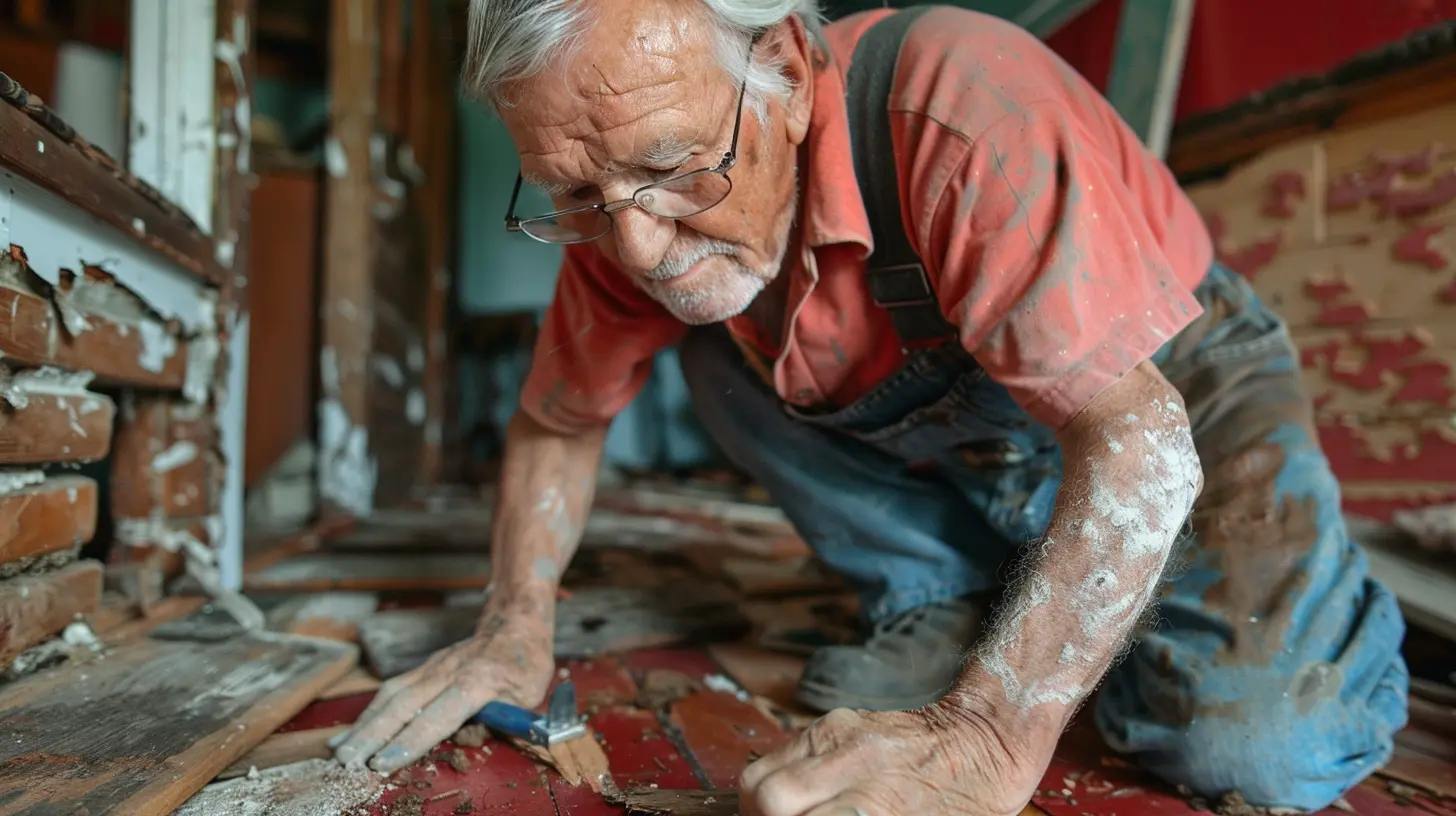
Is a Reverse Mortgage the Right Choice for You?
While reverse mortgages offer a great way to finance home repairs, they’re not for everyone. Here are a few things to consider before moving forward.1. Do You Plan to Stay in Your Home?
A reverse mortgage makes the most sense if you plan to stay in your home long-term. Since the loan is repaid when you move out or sell the property, it’s not the best solution if you’re planning to downsize in the near future.2. Do You Have Enough Equity in Your Home?
The amount you can borrow depends on your home’s value, your age, and the current interest rates. If you don’t have a significant amount of equity, the funds from a reverse mortgage may not be enough to cover all your repair costs.3. Are You Comfortable with Fewer Inheritance Options?
Since a reverse mortgage reduces the amount of equity in your home, it may affect the inheritance you leave behind for your heirs. However, your heirs can still keep the home by paying back the loan or selling the property to cover the balance.4. Have You Explored Other Options?
If you need only a small amount for repairs, it’s worth exploring other financing options like a home equity loan, personal loan, or home improvement grants for seniors. A reverse mortgage may be the best fit for major renovations or long-term needs.How to Apply for a Reverse Mortgage for Home Repairs
If you’ve decided that a reverse mortgage is the right choice, here’s how to get started:Step 1: Research Lenders
Not all reverse mortgage lenders are the same. Look for a reputable lender with experience in home equity conversion mortgages (HECMs), which are backed by the Federal Housing Administration (FHA) for added security.Step 2: Meet Eligibility Requirements
To qualify, you must:- Be 62 years or older
- Own your home (or have a significant amount of equity)
- Live in the home as your primary residence
- Keep up with property taxes, homeowner’s insurance, and maintenance
Step 3: Undergo Counseling
Borrowers are required to attend a HUD-approved counseling session to ensure they fully understand the terms, benefits, and responsibilities of a reverse mortgage.Step 4: Get Your Home Appraised
An appraisal will determine the current market value of your home, which impacts how much you can borrow.Step 5: Choose Your Payment Plan
Lenders offer various payout options, including a lump sum, monthly payments, or a line of credit. Choose the option that best fits your repair needs and financial situation.Step 6: Complete the Loan Process
Once everything is finalized, you’ll receive your funds and can start making the necessary repairs.
The Bottom Line
Using a reverse mortgage to cover home repairs can be a smart financial move for older homeowners who want to stay in their homes while ensuring they remain safe, comfortable, and well-maintained. It provides access to much-needed funds without the burden of monthly mortgage payments, allowing you to protect your biggest investment—your home.Before making a decision, weigh the pros and cons carefully, consult a financial advisor or reverse mortgage counselor, and explore all your options. When used wisely, a reverse mortgage can provide peace of mind and help you maintain the home you love for years to come.
all images in this post were generated using AI tools
Category:
Reverse MortgagesAuthor:

Vincent Clayton
Discussion
rate this article
2 comments
Greyson McClure
This article presents an intriguing perspective on using reverse mortgages for home repairs. It's fascinating to consider how this option can empower homeowners to maintain their property without upfront costs. I’m curious about the long-term implications and how this choice affects overall financial health.
February 25, 2026 at 12:54 PM
Vincent Clayton
Thank you for your insights! The long-term implications of using reverse mortgages for home repairs certainly warrant careful consideration, especially regarding financial health and equity.
Wendy Bishop
This article provides valuable insights into using reverse mortgages for home repairs, offering a practical solution for homeowners looking to maintain their properties while accessing funds. It’s an important topic that combines financial literacy with homeownership responsibilities. I appreciate the clear explanations and relevant examples provided throughout the piece.
February 23, 2026 at 12:33 PM
Vincent Clayton
Thank you for your thoughtful feedback! I'm glad you found the insights and examples helpful in understanding how reverse mortgages can support home repairs.