Navigating a Buyer’s Market: Tips for First-Time Homeowners
13 March 2026
Buying your first home is a major milestone, and if you're lucky enough to be shopping in a buyer's market, the cards are stacked in your favor. But what exactly does that mean, and how do you make the most of it?
A buyer’s market occurs when there are more homes available than buyers actively looking. This gives you, the buyer, leverage. Prices tend to be lower, sellers are more willing to negotiate, and you have more options. Sounds like a dream, right? Well, it can be—if you know how to navigate it properly.
So, if you're gearing up to buy your first home, buckle up! Here are some essential tips to help you make smart decisions in a buyer’s market.
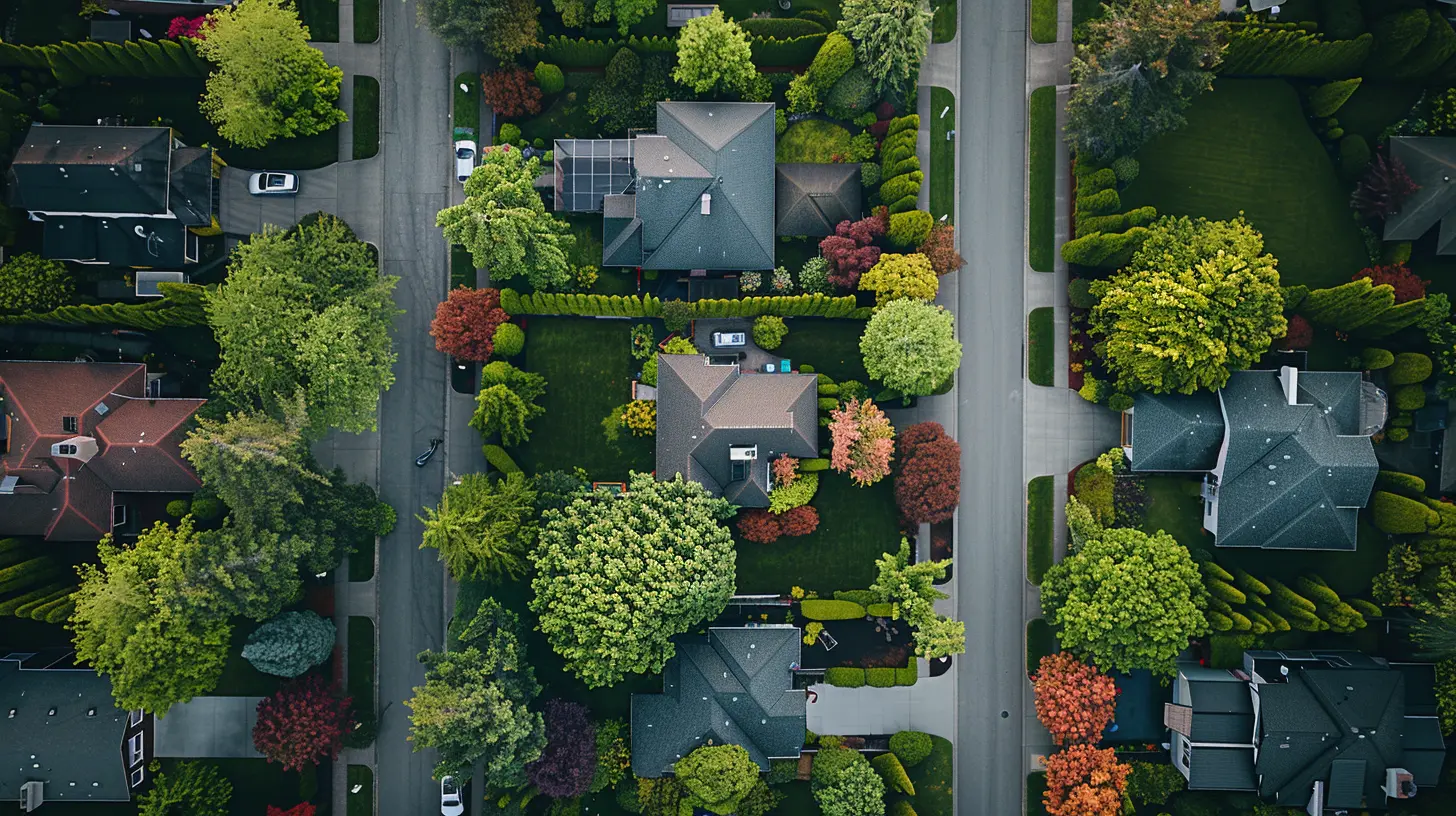
1. Understand What a Buyer’s Market Means for You
First things first—what exactly is a buyer’s market?Simply put, it means supply is greater than demand. There are more houses available than buyers looking to purchase, which puts the power in your hands. Here’s what this means for you:
- Lower Prices: Sellers may need to reduce their asking price to attract buyers.
- More Negotiation Power: You can negotiate closing costs, repairs, and even additional perks.
- Less Competition: You’re less likely to get caught in a bidding war.
- More Choices: With more homes on the market, you have a wider selection to find the perfect fit for your needs.
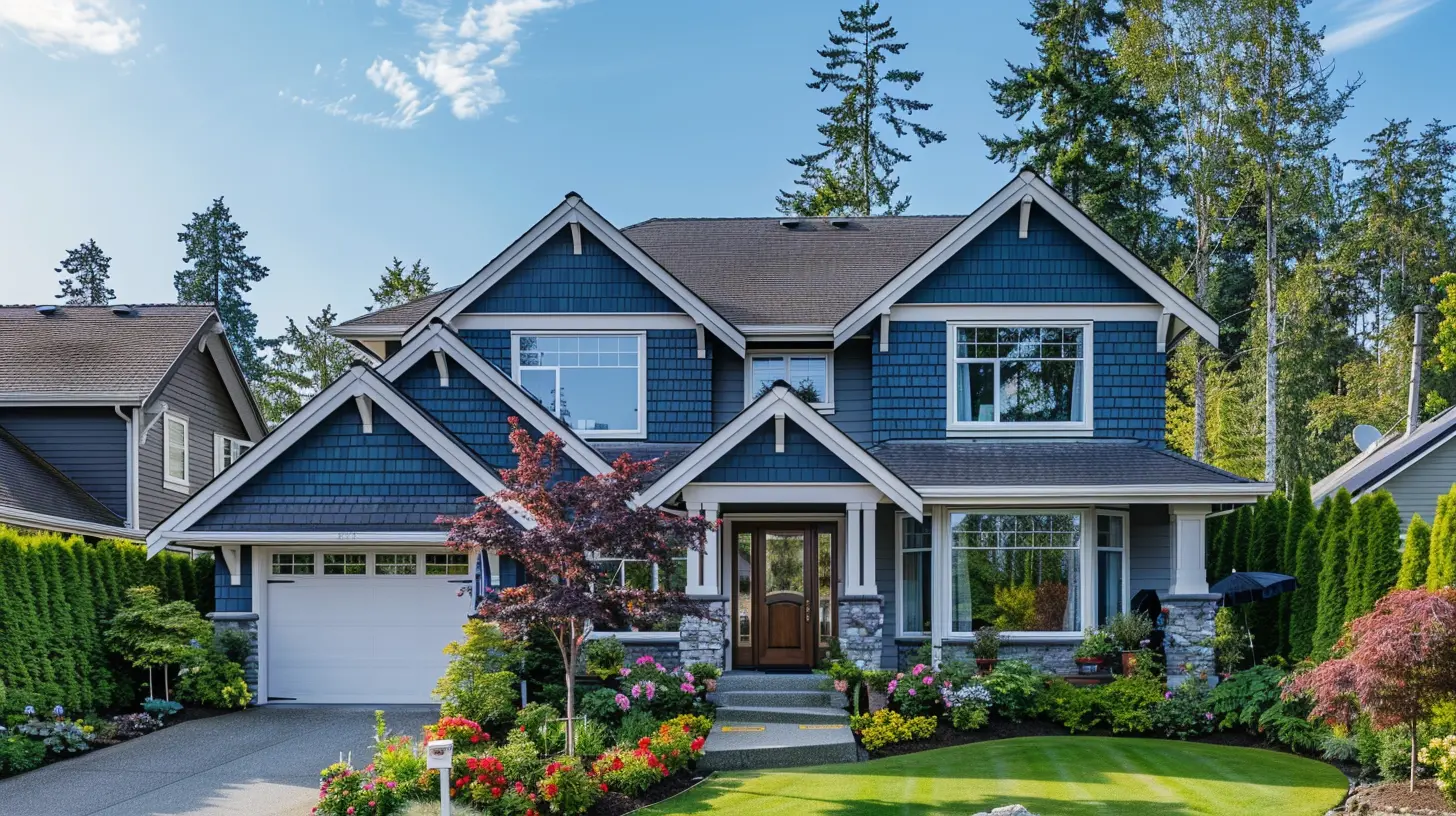
2. Get Pre-Approved for a Mortgage
Before you start touring homes and imagining yourself settling in, get pre-approved for a mortgage. Why? Because sellers take pre-approved buyers more seriously.A mortgage pre-approval:
- Gives you a clear idea of your budget
- Shows sellers you're a serious buyer
- Speeds up the buying process when you find the right home
Think of it like shopping with a gift card—you already know how much you can spend, so you’re less likely to waste time looking at homes outside your price range.
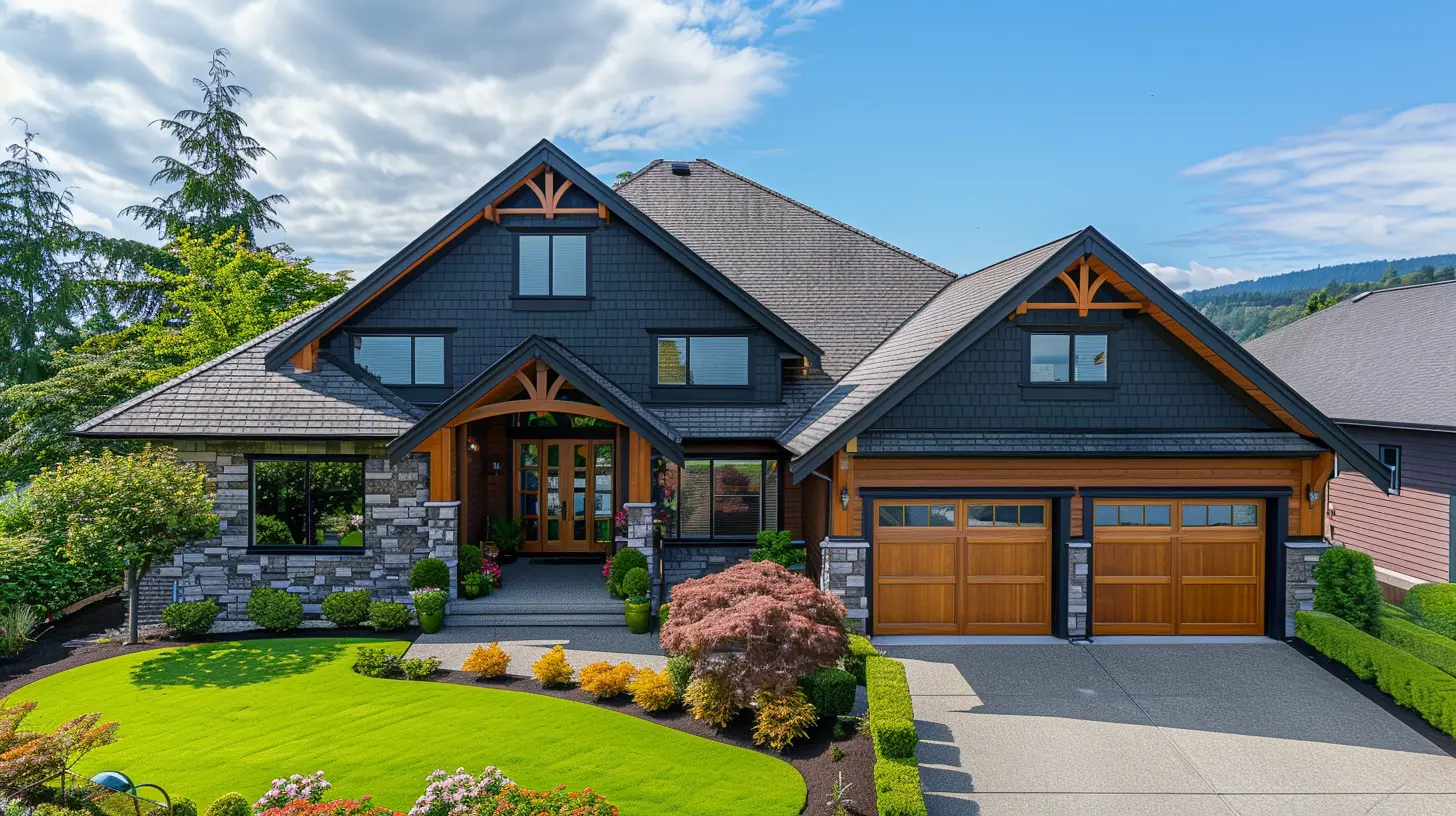
3. Don’t Rush—Take Your Time
One of the best things about a buyer’s market is that you don’t have to rush into decisions. Unlike a seller’s market, where buyers are snapping up homes within days (or even hours), you have the luxury of weighing your options carefully.Take your time to:
- Compare multiple homes before making a decision
- Do your research on the neighborhood and property values
- Negotiate for the best deal possible
There’s no need to settle for something less than perfect. With more homes on the market, chances are you’ll find the right one.

4. Negotiate Like a Pro
In a buyer’s market, negotiation is your secret weapon. Since sellers are eager to close deals, you have the upper hand. Here’s what you can negotiate:- Purchase Price: Many sellers are willing to lower their asking price.
- Closing Costs: You can often convince the seller to cover some or all of the closing costs.
- Repairs & Upgrades: If a home inspection reveals issues, ask the seller to make the repairs or give you a credit.
- Inclusions: Sometimes, sellers are open to throwing in appliances, furniture, or even a home warranty.
Pro Tip:
Don’t be afraid to make a reasonable counteroffer. The worst they can say is no, and you might walk away with an even better deal.5. Work with a Knowledgeable Real Estate Agent
Yes, you’re in a buyer’s market—but that doesn’t mean you should go at it alone. A good real estate agent can be your biggest ally.Look for an agent who:
- Knows the local market inside and out
- Is a skilled negotiator who will fight for the best deal
- Understands your needs and budget
A great agent will help you spot the best opportunities and avoid homes with hidden problems. They’ll also handle the paperwork and negotiations, making the whole process smoother.
6. Do Your Homework on the Neighborhood
A house isn’t just a place to live—it’s an investment in your future. Even in a buyer’s market, you want to ensure the neighborhood is a good fit.Consider the following:
- School districts: Even if you don’t have kids, good schools increase property values.
- Crime rates: Safety should always be a top priority.
- Local amenities: Are there grocery stores, parks, restaurants, and hospitals nearby?
- Commute time: Measure how long it takes to get to work or other important places.
Take a stroll around the neighborhood at different times of the day. Does it feel like home?
7. Get a Thorough Home Inspection
Even if a house looks picture-perfect, don’t skip the home inspection. A buyer’s market can sometimes lead to sellers cutting costs or neglecting maintenance.A professional inspector will check for:
- Structural issues
- Plumbing and electrical problems
- Roof damage
- Mold, pests, or water damage
The last thing you want is to move in and discover major hidden problems that cost you thousands to fix.
8. Consider Future Resale Value
While you might be buying your first home with no plans to move anytime soon, life happens. So, it’s smart to think ahead.Ask yourself:
- Is the home in a desirable area?
- Is the market stable, or is the neighborhood declining?
- Are home values expected to rise?
Future buyers will be just as picky as you are, so choose wisely!
9. Don’t Let Emotion Drive Your Decision
It's easy to fall in love with a house at first sight, but don’t let emotions cloud your judgment. Stay objective and:- Stick to your budget—don’t overspend just because a home “feels right.”
- Be patient—another great home is always around the corner.
- Weigh the pros and cons—a home should meet practical needs, not just look good.
Buying a home is a huge financial decision, so make sure you’re thinking long-term.
10. Be Ready to Make an Offer (When the Time is Right)
While you shouldn’t rush, don’t drag your feet too long either. If you find a home that checks all your boxes, make an offer before someone else does.In a buyer’s market, you can:
- Start with a lower offer and negotiate up.
- Include contingencies that protect you (like financing and home inspection contingencies).
- Work with your agent to craft a competitive yet fair offer.
Final Thoughts
Buying your first home in a buyer’s market is a golden opportunity. You have power, options, and the ability to negotiate a fantastic deal. Take your time, do your research, and make informed decisions.Remember: A home is more than just a purchase—it’s an investment in your future. So, be smart, be strategic, and before you know it, you’ll be unlocking the door to your dream home!
all images in this post were generated using AI tools
Category:
Buyers MarketAuthor:

Vincent Clayton
Discussion
rate this article
2 comments
Gabrielle McEvoy
This article is a fantastic guide for first-time homeowners! It’s filled with practical tips to help you confidently navigate a buyer's market. We’re excited to see you take this important step towards owning your dream home!
March 23, 2026 at 1:43 PM
Vincent Clayton
Thank you for your kind words! I'm glad you found the guide helpful—best of luck on your journey to homeownership!
Zevran Allen
Congratulations, future homeowners! Remember, in a buyer's market, you’re not just house hunting; you’re on a quest for the ultimate ‘couch potato’ palace. Happy hunting!" 🏡✨
March 13, 2026 at 4:34 AM
Vincent Clayton
Thank you! We appreciate the encouragement and will keep our eyes peeled for the perfect cozy spot! 🏡✨