Logistics Hubs: Why They’re Vital to Commercial Real Estate Growth
11 May 2026
Logistics hubs are the unsung heroes of the commercial real estate (CRE) sector. Whether it’s a massive Amazon fulfillment center or a regional distribution warehouse, these hubs play a pivotal role in ensuring goods move efficiently from manufacturers to consumers.
But why are they so essential to commercial real estate growth? And how has the demand for logistics hubs changed over the years? Let’s dive deep and uncover why logistics hubs are fueling one of the most significant transformations in real estate today.

What Are Logistics Hubs?
At their core, logistics hubs are large-scale facilities strategically located to store, process, and distribute goods efficiently. They serve as major nodes in global supply chains, ensuring that products reach their destination quickly and cost-effectively.These hubs can include:
- Fulfillment Centers – Where e-commerce giants like Amazon pack and ship products.
- Distribution Centers – Facilities that temporarily store goods before they are sent to retailers or end customers.
- Intermodal Centers – Hubs that merge different transportation methods, such as trucks, trains, and ships, for seamless logistics operations.
- Air Cargo Hubs – Airports designed to handle large volumes of air freight efficiently.
These logistics centers are more than just storage spaces; they are the foundation of modern commerce.

The Surging Demand for Logistics Hubs
Over the last decade, we’ve seen an explosion in demand for strategically located logistics hubs. Why? One word—e-commerce.With online shopping becoming the norm, companies must ensure faster delivery times and streamlined supply chains. Consumers expect two-day (or even same-day) shipping, which means businesses need logistics hubs close to major urban centers.
And it’s not just e-commerce. The rise of just-in-time inventory systems, global trade expansions, and the need for efficient supply chain management have turned logistics hubs into a real estate goldmine.
The Impact of COVID-19
The pandemic only amplified this demand. With lockdowns and restrictions, businesses had to rethink their supply chain strategies. Many retailers shifted towards localized fulfillment centers to avoid disruptions.Suddenly, warehouse and distribution spaces weren't just a necessity—they became a competitive advantage. Commercial real estate investors quickly took notice.
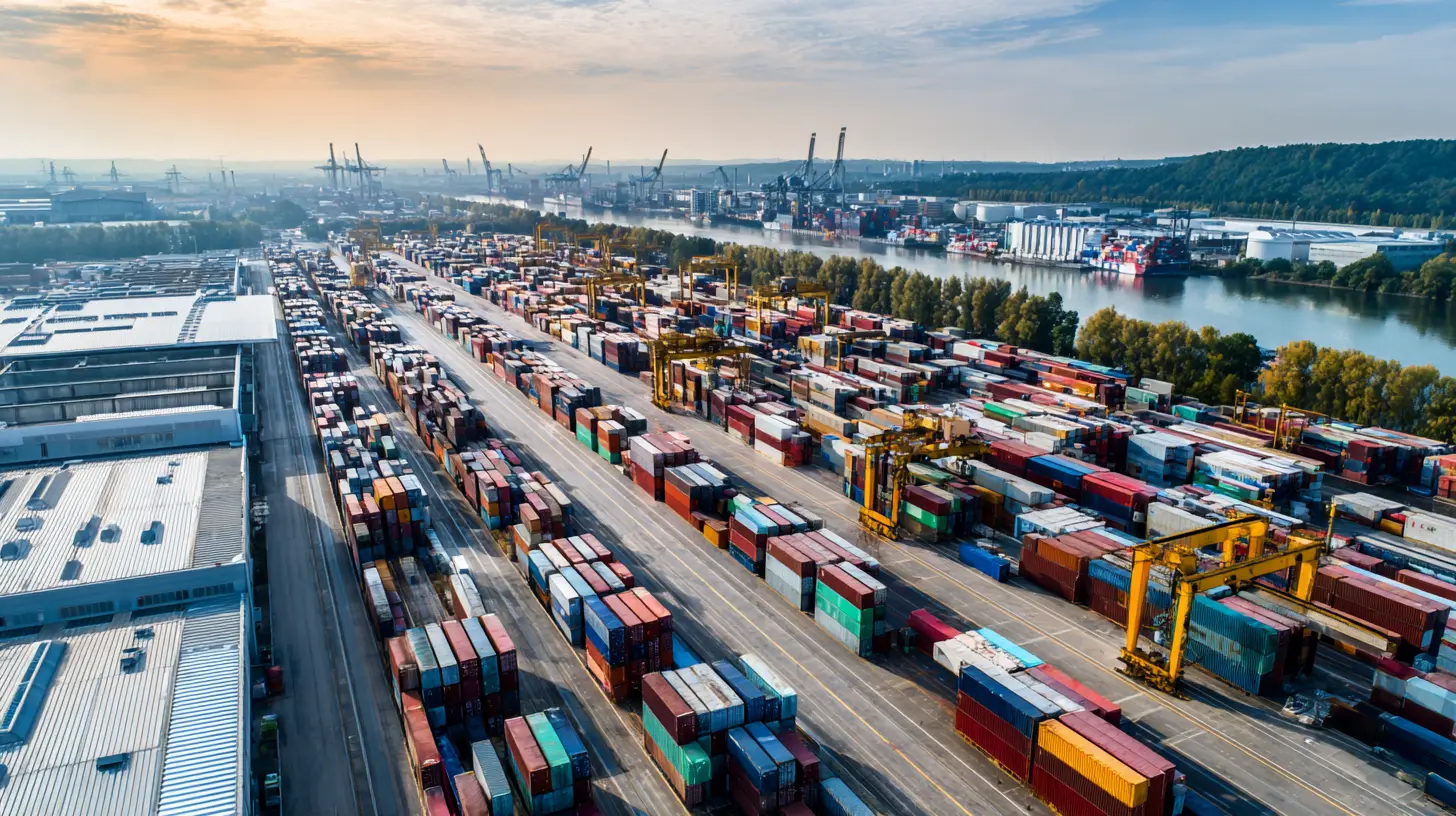
How Logistics Hubs Boost Commercial Real Estate Growth
Now, let's talk about why logistics hubs are propelling the commercial real estate market forward.1. Increased Demand for Industrial Spaces
The commercial real estate sector is experiencing a surge in demand for industrial properties, mainly due to logistics and distribution needs. Companies are hunting for strategically located warehouses close to highways, airports, and seaports.This demand has skyrocketed warehouse rents, making logistics hubs a lucrative investment for real estate developers.
2. Attracting Corporate Tenants
Big corporations are aggressively expanding their logistics operations. Retailers, third-party logistics providers (3PLs), and global brands are signing long-term leases in warehouses and distribution centers.For investors, this means stable, long-term rental income—a dream scenario in commercial real estate.
3. Job Creation and Economic Growth
Logistics hubs don’t just store goods—they create jobs. From warehouse workers and forklift operators to tech-driven roles in inventory management, these hubs bring significant employment opportunities to cities.Major distribution centers boost local economies, driving up property values and increasing demand for nearby commercial spaces.
4. Infrastructure Development
Governments and private investors are pouring money into infrastructure projects that support logistics operations. Highways, rail networks, ports, and airport improvements are making logistics hubs even more efficient.This, in turn, increases the desirability of surrounding commercial real estate, making properties near these hubs highly sought-after.
5. Technological Advancements in Logistics
Automation, AI-driven inventory management, and robotics are revolutionizing logistics. Companies are investing heavily in smart warehouses, further increasing the appeal of high-tech logistics hubs.As real estate developers integrate these innovations, the value of logistics-centric properties continues to soar.

Key Factors Driving the Location of Logistics Hubs
Not all logistics hubs are created equal. The location of these centers can make or break their efficiency. Here are some critical factors that determine where logistics hubs thrive:1. Proximity to Population Centers
The closer a logistics hub is to major cities, the faster goods can be delivered. Urban proximity minimizes last-mile delivery costs—a crucial advantage in e-commerce.2. Access to Transportation Networks
Ideal logistics hubs are located near major highways, rail terminals, ports, and airports. Efficient transportation access reduces shipping costs and speeds up delivery.3. Availability of Skilled Workforce
Running a logistics hub requires a workforce skilled in warehouse management, operations, and technology-driven logistics. Areas with a strong labor pool are prime locations for logistics real estate.4. Real Estate Costs and Incentives
Land availability and cost play a significant role in logistics hub placement. Additionally, governments often provide tax incentives and grants to attract logistics investments to specific regions.The Future of Logistics Hubs in Commercial Real Estate
What’s next for logistics hubs? One thing is clear—their importance is only going to grow.1. More Urban Logistics Hubs
Companies are rushing to develop micro-fulfillment centers within cities to speed up deliveries. Expect to see more small-scale logistics hubs popping up in urban areas.2. Sustainability and Green Warehousing
Eco-friendly logistics is becoming a priority. Developers are designing energy-efficient warehouses with solar panels, rainwater collection systems, and sustainable materials.3. Automation and AI-Driven Operations
From robot-assisted material handling to AI-driven supply chain analytics, technology will continue to make logistics hubs smarter and more efficient.4. Cold Storage Boom
With the rise of online grocery shopping and pharmaceutical logistics, demand for cold storage warehouses is soaring. Expect more investments in temperature-controlled distribution centers.
Final Thoughts
Logistics hubs are the backbone of modern commerce, and their impact on commercial real estate is undeniable. As e-commerce surges, supply chains evolve, and businesses prioritize efficiency, commercial real estate investors are increasingly turning their attention to logistics properties.With continued advancements in technology, infrastructure, and sustainability, logistics hubs are not just driving commercial real estate growth—they are the future of the industry.
all images in this post were generated using AI tools
Category:
Commercial Real EstateAuthor:

Vincent Clayton
Discussion
rate this article
2 comments
Thomas McAuley
Essential for thriving commerce.
July 5, 2026 at 6:24 PM
Vincent Clayton
Absolutely, logistics hubs are the backbone of efficient commerce, driving growth and connectivity in real estate.
Jackson Matthews
This article highlights the crucial role logistics hubs play in boosting commercial real estate. Understanding their impact on growth is key for investors and developers alike. Great insights!
May 12, 2026 at 11:37 AM
Vincent Clayton
Thank you for your feedback! I'm glad you found the insights valuable. Understanding logistics hubs is indeed essential for growth in commercial real estate.