How to Secure Financing for Rural Land Purchases
17 March 2026
Buying rural land is an exciting venture. Maybe you want a peaceful getaway, a farm, or even an off-grid homestead. But here’s the catch—securing financing for rural land isn't always as straightforward as getting a mortgage for a suburban home. Traditional lenders can be hesitant, and their terms may not always fit your needs.
So, how do you successfully finance that perfect piece of countryside paradise? Let’s break it down. 
1. Understand the Challenges of Rural Land Financing
Before jumping in, it’s important to recognize that land financing is different from buying a home in a city or suburb. Most banks and traditional mortgage lenders see rural land as a riskier investment. Why? Because:- There’s no house on it (yet). Lenders prefer financing properties with buildings as they retain value.
- Resale value is unpredictable. Unlike homes, land can be harder to price and sell.
- Limited development possibilities. Some rural land has restrictions on building, zoning, or even access to utilities.
With these factors in mind, lenders tend to have stricter requirements. But don’t worry—there are ways to work around them. 
2. Explore Your Loan Options
Not all loans are created equal. When financing rural land, you have several paths to consider:A. Traditional Bank Loans
Large banks often shy away from land loans, but some may offer them if you have excellent credit and a strong financial history. However, they typically require:- A larger down payment (often 20-50%)
- A shorter loan term compared to home mortgages
- Higher interest rates
It’s worth checking with local banks or credit unions, as they’re more familiar with rural property values and may offer better terms.
B. USDA Loans (United States Department of Agriculture)
If you qualify, a USDA loan can be a game-changer, especially if you plan to build a home on the land. The USDA offers:- Low or no down payment options
- Competitive interest rates
- Programs specifically designed to support rural homeownership
However, USDA loans usually require a commitment to developing the land within a set timeframe.
C. Farm Credit Institutions
Organizations like Farm Credit Services cater to agricultural and rural development needs. If you’re planning a farm or agricultural business, these loans could be ideal. Benefits include:- Specialized financing for rural buyers
- Flexible repayment plans
- Experts who understand the value of rural land
D. Owner Financing
If a bank says “no,” the landowner might say “yes.”- Owner financing means the seller acts as the lender, letting you make payments directly to them.
- This method often requires negotiation, but it can be a great way to bypass strict bank loan requirements.
- Just ensure everything is properly documented with a lawyer to protect both parties.
E. Land Loan Programs (Lot and Raw Land Loans)
Some lenders specialize in raw land loans or lot loans, tailored specifically for purchasing undeveloped property. These loans usually:- Require higher down payments
- Have shorter repayment terms
- Expect higher interest rates than traditional home loans
If you go this route, prepare for a solid financial plan to showcase your ability to repay. 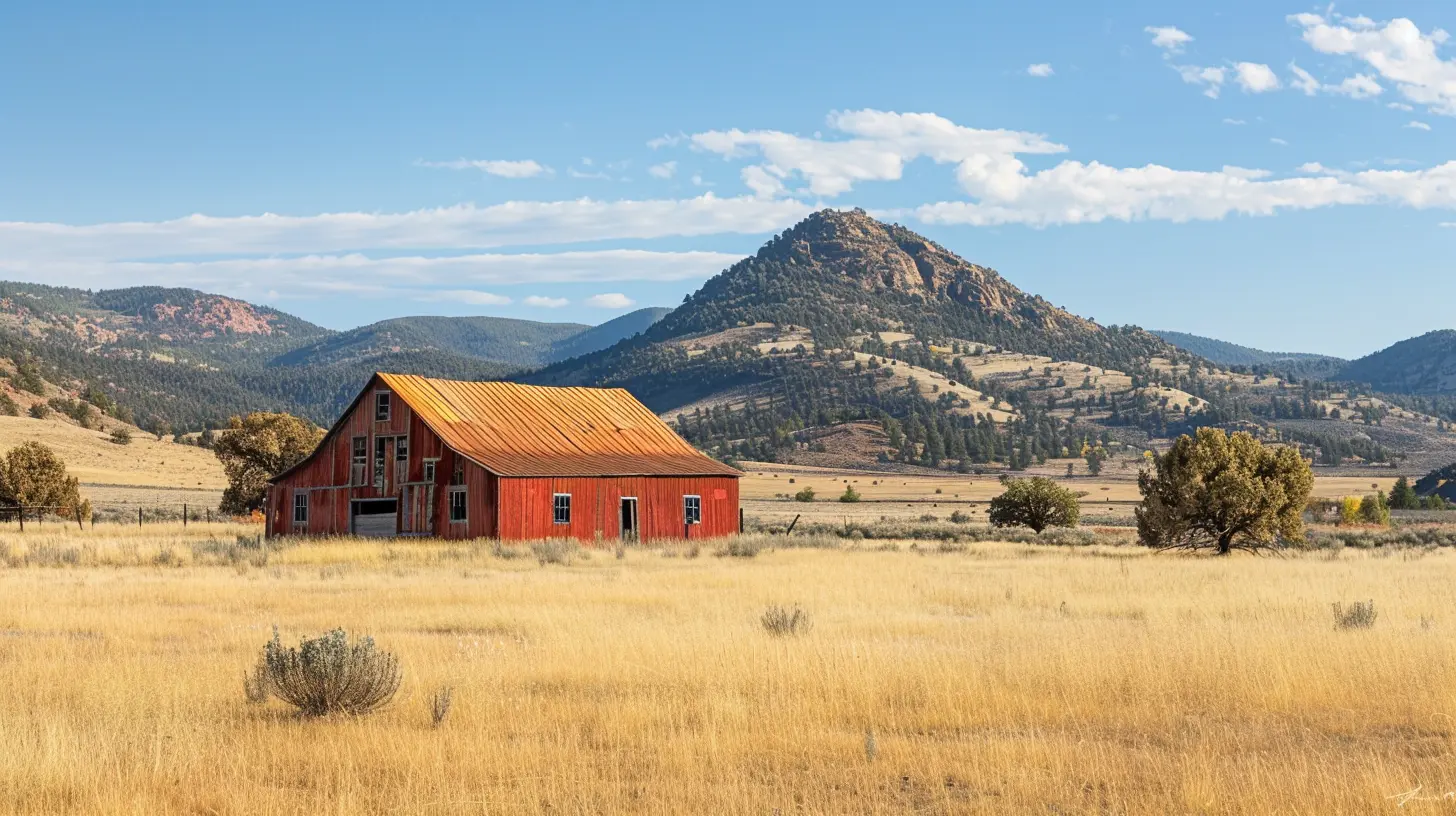
3. Strengthen Your Loan Application
Since rural land loans can be trickier to secure, you need to present yourself as a low-risk borrower. Here’s how:A. Save for a Bigger Down Payment
- The more cash you can put down, the better your chances.- Aim for at least 20%, but the higher, the better.
B. Improve Your Credit Score
- A high credit score (700+) makes you a stronger applicant.- Pay down existing debts and avoid new credit inquiries before applying.
C. Show a Clear Plan for the Land
- Lenders want to know what you’re planning to use the land for (farming, building, recreation, etc.).- Having a plan boosts lender confidence.
D. Provide Proof of Stable Income
- Banks love borrowers with steady earnings and low debt-to-income ratios.- If you’re self-employed, be ready with completed tax returns to prove financial stability.

4. Consider Alternative Financing Strategies
If traditional loans aren’t working, think outside the box.A. Tap into Home Equity
- If you already own property, a home equity loan or line of credit (HELOC) could help fund your land purchase without a new mortgage.B. Partner with Investors
- If the land has potential for profit (farming, timber, rental cabins, etc.), consider bringing in partners to help finance the purchase.C. Lease-to-Own Agreements
- Some sellers allow buyers to lease the land with the option to buy later. This lets you establish ownership without an upfront lump sum.5. Know the Additional Costs
Land loans cover the purchase, but other costs can creep up. Be prepared for:A. Property Taxes
- Rural land often has lower tax rates, but it still varies by location and land use.B. Survey and Appraisal Costs
- Many lenders require a land survey to determine boundaries and value.C. Infrastructure and Development
- If the land lacks:- Road access
- Electricity and water connections
- Septic systems
You'll need to budget extra for setup costs.
6. Be Patient and Do Your Research
Financing rural land can take time and effort, but it’s absolutely doable with the right strategy. A few final tips:- Compare lenders to find the best rates.
- Understand zoning laws and land regulations before buying.
- Stay flexible and open to alternative financing methods.
Owning rural land can be a life-changing investment, but it requires smart financial planning to secure the best deal. With patience and persistence, you’ll be well on your way to making your country-living dreams a reality!
all images in this post were generated using AI tools
Category:
Rural PropertiesAuthor:

Vincent Clayton
Discussion
rate this article
2 comments
Jinx McLaury
Great article! Securing financing for rural land can be challenging, but your tips provide valuable insights. It’s essential for potential buyers to understand their options and plan accordingly. Thank you for shedding light on this often-overlooked aspect of land purchasing!
March 24, 2026 at 5:00 AM
Vincent Clayton
Thank you for your kind words! I'm glad you found the tips helpful. Securing financing can indeed be tricky, but I hope the insights empower potential buyers in their journey.
Oscar Barrett
Great tips for dreamers!
March 19, 2026 at 5:08 AM
Vincent Clayton
Thanks! I'm glad you found the tips helpful.