How to Protect Your Home’s Exterior from Harsh Weather Conditions
5 June 2026
Your home’s exterior is its first line of defense against the elements. From heavy rains and scorching sun to snowstorms and high winds, nature can take a serious toll on your house if it’s not properly protected. But don’t worry—there are plenty of simple steps you can take to shield your home from harsh weather conditions and keep it looking great for years to come.
In this guide, we’ll go over the most effective ways to weatherproof your home’s exterior, so you’re prepared for whatever Mother Nature throws your way. 
1. Inspect and Maintain Your Roof Regularly
Your roof is like a shield protecting your home from sun, rain, and snow. If it’s not in top condition, leaks, mold, and structural damage can follow. Here’s how to keep it in check:- Check for Missing or Damaged Shingles – Strong winds and storms can loosen or break shingles. If you spot any missing or cracked ones, replace them immediately.
- Clean the Gutters – Clogged gutters can cause water to back up, leading to leaks and foundation damage. Clear out leaves and debris regularly.
- Look for Leaks or Weak Spots – Water stains on your ceiling or attic could be a sign of a roof problem. Fix leaks promptly to prevent further damage.
A well-maintained roof is your best defense against severe weather. Don’t wait until there's a problem—regular inspections can save you thousands in repairs. 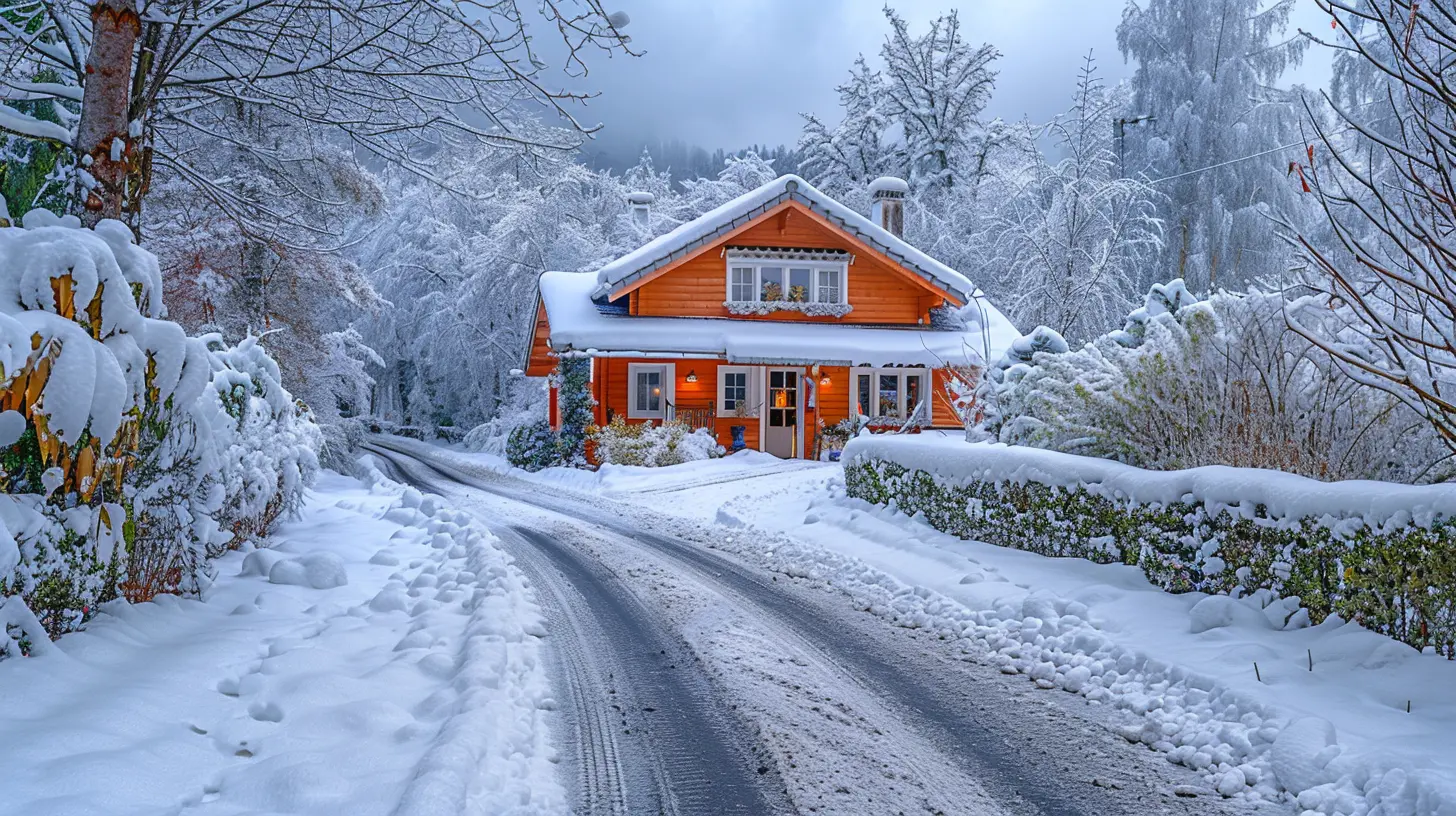
2. Protect Your Home’s Siding
The siding on your home does more than just boost curb appeal—it acts as a barrier against wind, rain, and extreme temperatures. Here’s how to keep it in good shape:- Seal Any Gaps – Cracks or gaps in your siding can let in moisture, leading to mold and rot. Use caulk or a weatherproof sealant to close them up.
- Power Wash Annually – Dirt and grime can weaken some siding materials. Give your home a good wash once a year to keep it clean and durable.
- Repaint When Necessary – If your siding is painted, a fresh coat can help prevent weather damage and keep it looking fresh.
Investing in quality siding materials, such as vinyl or fiber cement, also helps withstand extreme weather conditions. 
3. Secure Windows and Doors
Windows and doors are major weak points during storms and heavy winds. A little maintenance can go a long way in keeping your home energy-efficient and safe.- Install Storm Windows and Doors – These provide an extra layer of insulation and protection against high winds and heavy rain.
- Seal Gaps and Cracks – Use weatherstripping or caulk around windows and doors to prevent drafts and moisture from seeping in.
- Upgrade to Impact-Resistant Glass – In areas prone to hurricanes and strong storms, impact-resistant windows can prevent breakage and increase security.
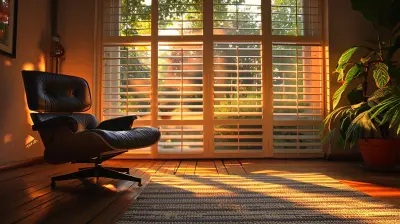
Properly sealed and reinforced windows and doors not only protect your home but also help lower energy bills by keeping cold and hot air out. 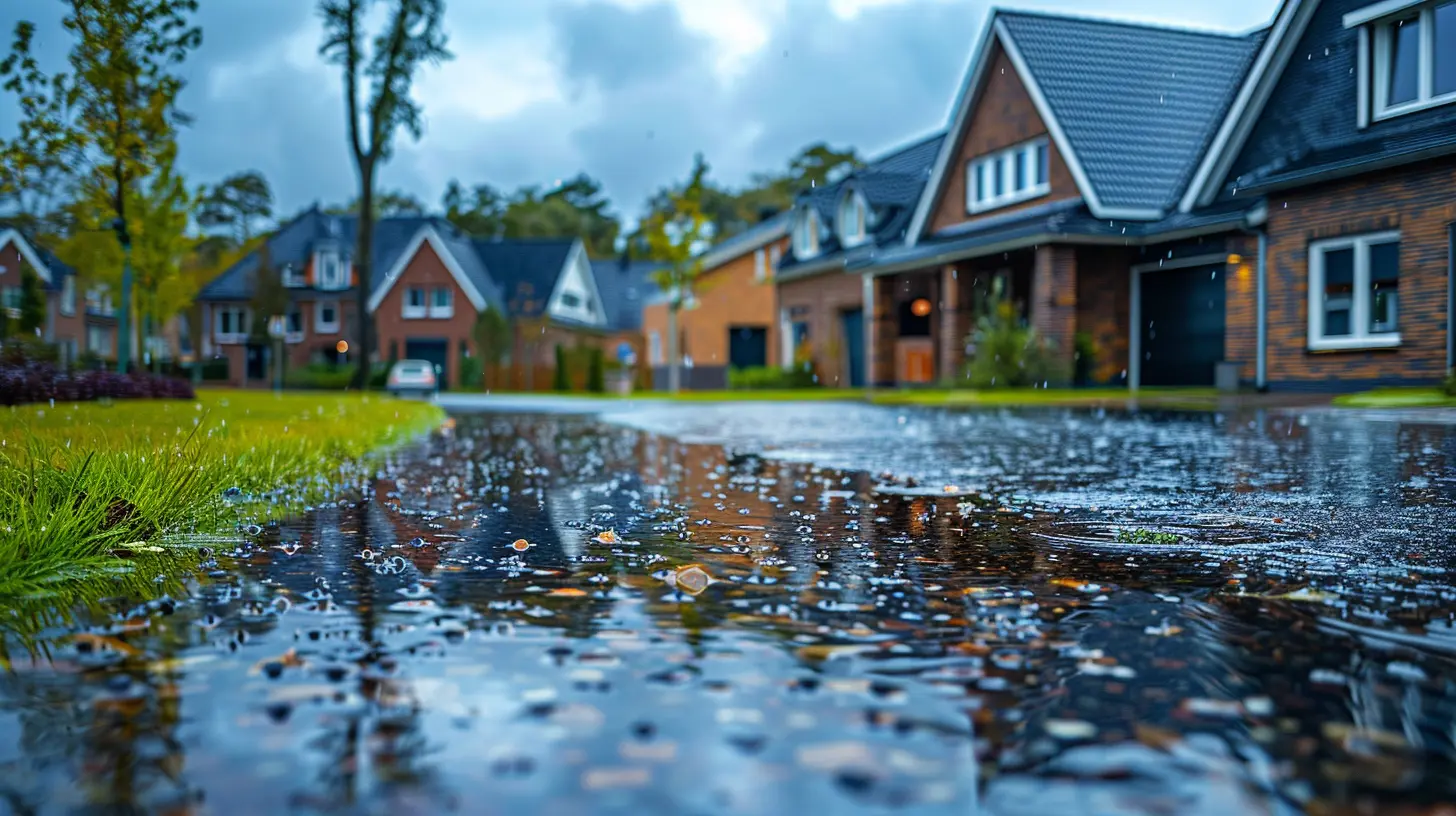
4. Reinforce Your Home’s Foundation
A strong foundation is key to keeping your home standing strong against extreme weather. Water damage and soil erosion can weaken it over time, so take these precautions:- Ensure Proper Drainage – Water pooling around your home can lead to foundation cracks. Make sure your yard slopes away from the house and that downspouts direct water at least 3–5 feet away.
- Seal Foundation Cracks – Small cracks can turn into major problems if left unattended. Use a waterproof sealant to reinforce your foundation.
- Install a Sump Pump – If you live in an area prone to heavy rainfall or flooding, a sump pump in the basement can prevent water damage.
Your foundation is quite literally your home’s backbone—taking good care of it will pay off in the long run.
5. Protect Your Landscaping and Outdoor Features
Your yard and outdoor structures also need protection from the elements. Strong winds, heavy snow, and severe storms can damage landscaping and outdoor furniture.- Trim Overhanging Branches – Weak tree limbs can break off during storms and damage your roof or windows. Keep trees well-trimmed.
- Secure Outdoor Furniture and Decor – When high winds are expected, bring in lightweight furniture or secure it to prevent it from becoming a hazard.
- Use Weather-Resistant Materials – For decks, fences, and patios, choose weatherproof materials like composite decking or treated wood to withstand the elements.
- Invest in Drainage Solutions – Avoid flooding and erosion by installing French drains or rain gardens to manage stormwater runoff.
A little preparation can help keep your yard and outdoor spaces looking great while preventing unnecessary repairs.
6. Apply a Weather-Resistant Exterior Coating
If your home’s paint or exterior material isn’t up to the challenge of extreme weather, applying a protective coating can add an extra layer of defense.- Choose High-Quality Paint or Sealant – A weatherproof exterior paint or sealant helps protect against water damage, UV rays, and temperature fluctuations.
- Use Waterproof Brick or Stone Sealant – If your home has brick or stone exteriors, applying a sealant can prevent water absorption and deterioration.
- Reapply Every Few Years – Over time, coatings wear down. Reapply as needed to maintain protection.
This step is like putting a raincoat on your home—it keeps the bad stuff out while maintaining its appearance.
7. Install a Sturdy Fence for Wind and Storm Protection
A solid fence not only offers privacy but also serves as a buffer against strong winds and flying debris. To ensure it withstands harsh weather:- Use Wind-Resistant Materials – Concrete, vinyl, or metal fencing holds up better against storms than wooden fences.
- Anchor It Securely – Make sure fence posts are deeply buried and reinforced to prevent them from being knocked over by high winds.
- Perform Regular Inspections – Look for loose or damaged sections and fix them before a storm hits.
A sturdy fence can make a huge difference in keeping your property safe, especially in storm-prone areas.
8. Prepare for Extreme Weather Before It Happens
Sometimes, the best defense is a good offense. Being proactive in your home’s maintenance will prevent costly damage down the road.- Create an Emergency Plan – Know how to secure your home before a storm, hurricane, or heavy snowfall.
- Stock Up on Essential Supplies – Keep extra tarps, sandbags, and repair materials on hand for quick fixes.
- Check Your Home Insurance Policy – Make sure your coverage includes natural disasters that are common in your area.
A little preparation can save you a ton of stress and expenses when bad weather strikes.
Final Thoughts
Your home is one of your biggest investments, so protecting its exterior from harsh weather conditions should always be a priority. Regular maintenance, using high-quality materials, and taking preventive steps can save you from expensive repairs and keep your home in excellent condition.By following these simple yet effective tips, you can ensure your home stays strong and beautiful no matter what the weather brings. Don’t wait for a storm to highlight the vulnerabilities in your home—start weatherproofing today!
all images in this post were generated using AI tools
Category:
Property MaintenanceAuthor:

Vincent Clayton
Discussion
rate this article
1 comments
Fletcher Conrad
This article raises some intriguing points about protecting homes from the elements. I've always wondered about the best materials to use for durability. It's fascinating how small changes can make a big difference. I'm eager to explore these tips further and see what works best in my area.
June 12, 2026 at 4:56 AM
Vincent Clayton
I'm glad you found the points intriguing! Choosing the right materials really does make a difference. Let me know if you have any specific questions about your area.